Hagerman Fossil Beds National Monument

Trailie
Build your Hagerman Fossil Beds itinerary
Tell Trailie your dates, pace, and interests — get a day-by-day Hagerman Fossil Beds National Monument plan with hikes, drives, and must-see stops.
Hagerman Fossil Beds at a glance
- Best time
- April–May, September–October
- Trip length
- Half day–1 day
- Don't miss
- Celebrate the Fire Horse
- Nearby city
- Gateway towns in ID
Explore this park
About Hagerman Fossil Beds National Monument
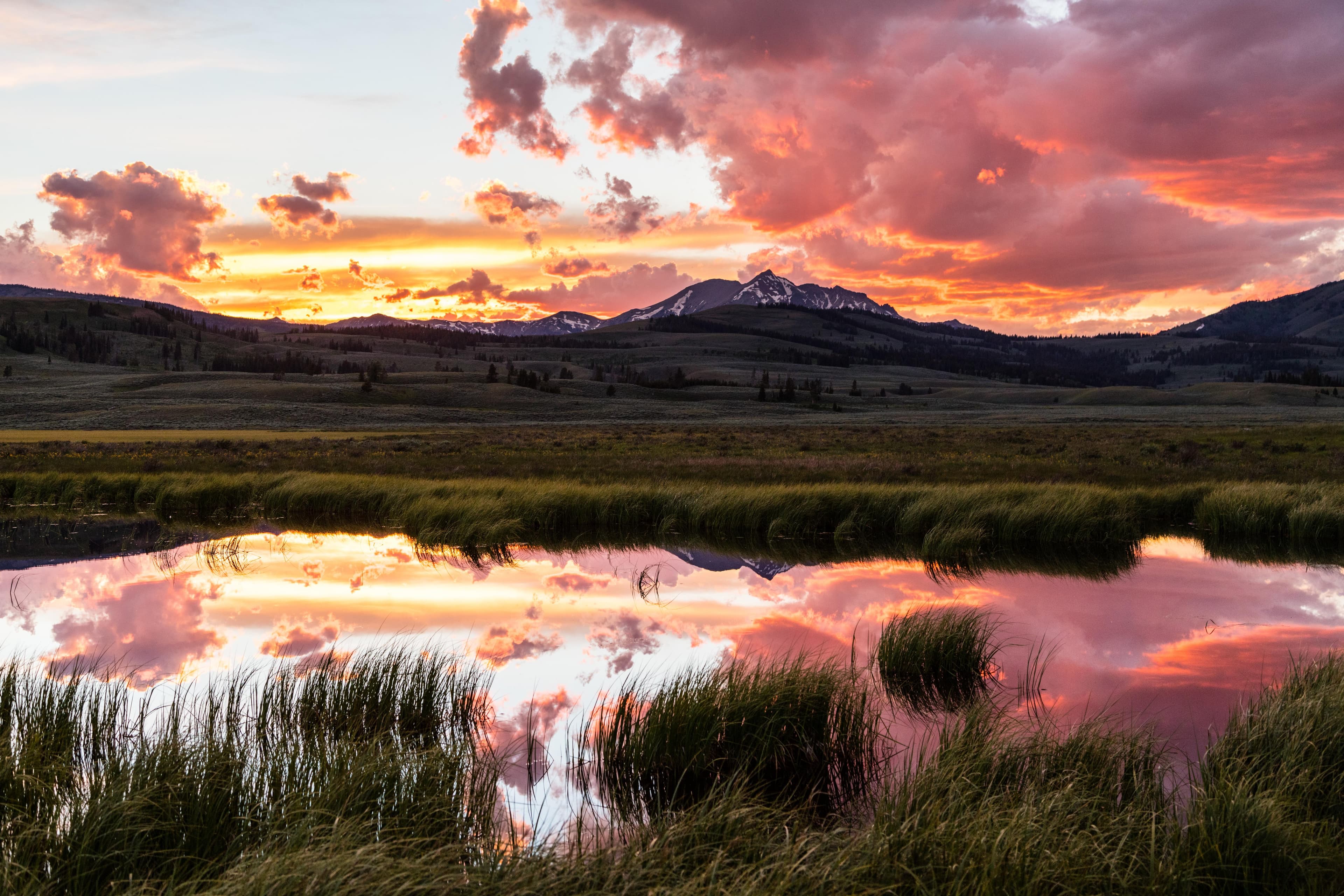
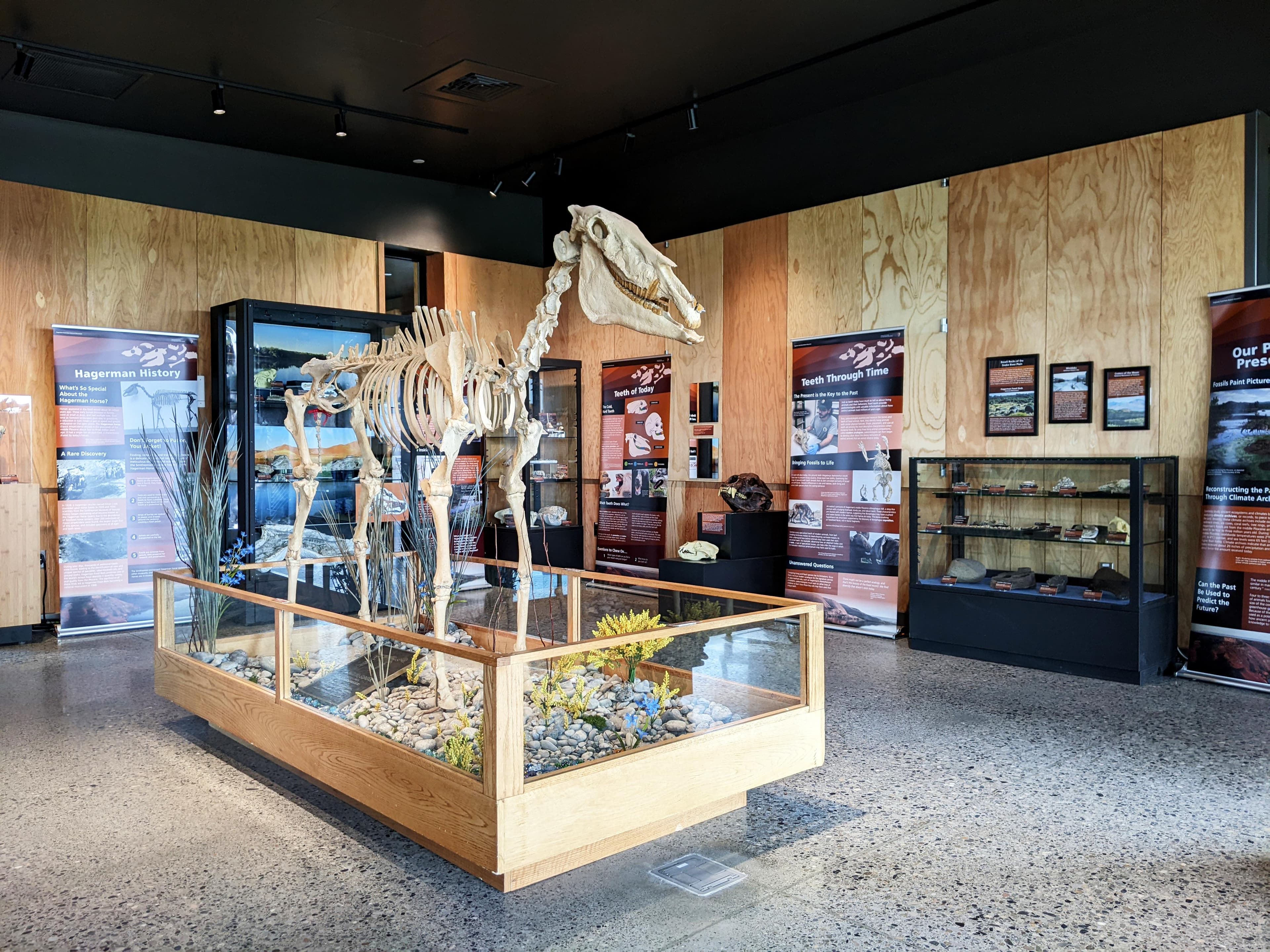
During the Pliocene, this place looked quite different. Lush wetlands, forests, and grasslands provided excellent habitat for a variety of animals. From fascinating, now-extinct creatures like the saber-toothed cat, mastodon, and ground sloth, to more familiar animals like horses, beavers, and birds, the scientific study of Pliocene fossils is the key to Hagerman.
Weather Information
Hagerman, Idaho, gets 10 inches of rain per year. On average, there are 213 sunny days per year in Hagerman, Idaho. The July high is around 94 degrees. The January low is 22. Our comfort index, which is based on humidity during the hot months, is a 78 out of 100, where higher is more comfortable. The US average on the comfort index is 44.
Operating Hours
The road leading to the Monument is a public road and is open 24 hours a day. Access to the Monument Overlooks closes at dusk. The Visitor Center has separate hours. Please be aware that the overlooks and trails are not maintained during winter.
- MondaySunrise to Sunset
- TuesdaySunrise to Sunset
- WednesdaySunrise to Sunset
- ThursdaySunrise to Sunset
- FridaySunrise to Sunset
- SaturdaySunrise to Sunset
- SundaySunrise to Sunset
Common questions
Planning Hagerman Fossil Beds National Monument
The summary above covers timing and highlights. These go deeper on reservations, crowds, and logistics.
Reservation rules vary by season and activity for Hagerman Fossil Beds. See Overview on this page for fees, timed entry, and campground details before you travel.