Alabama
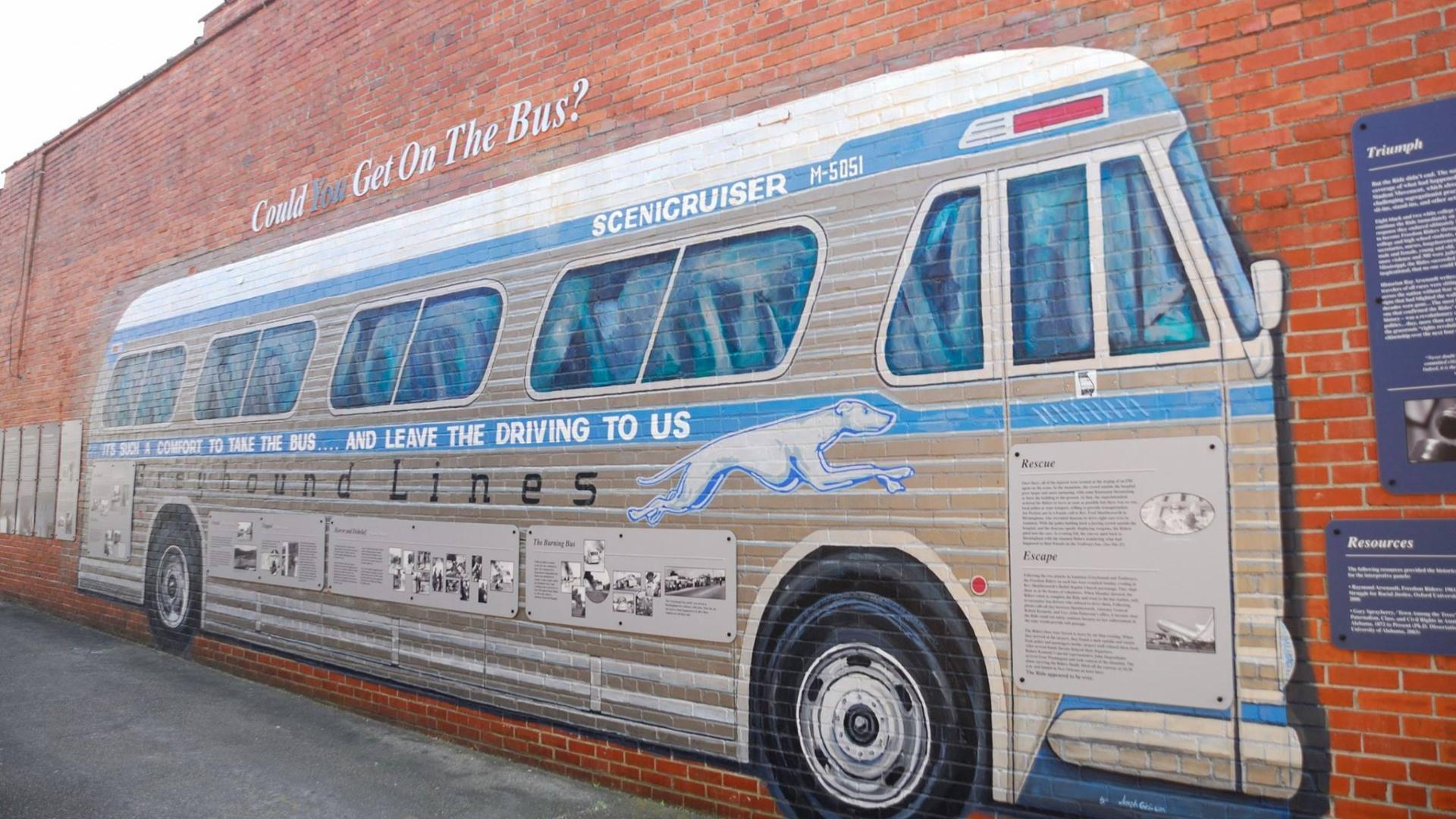
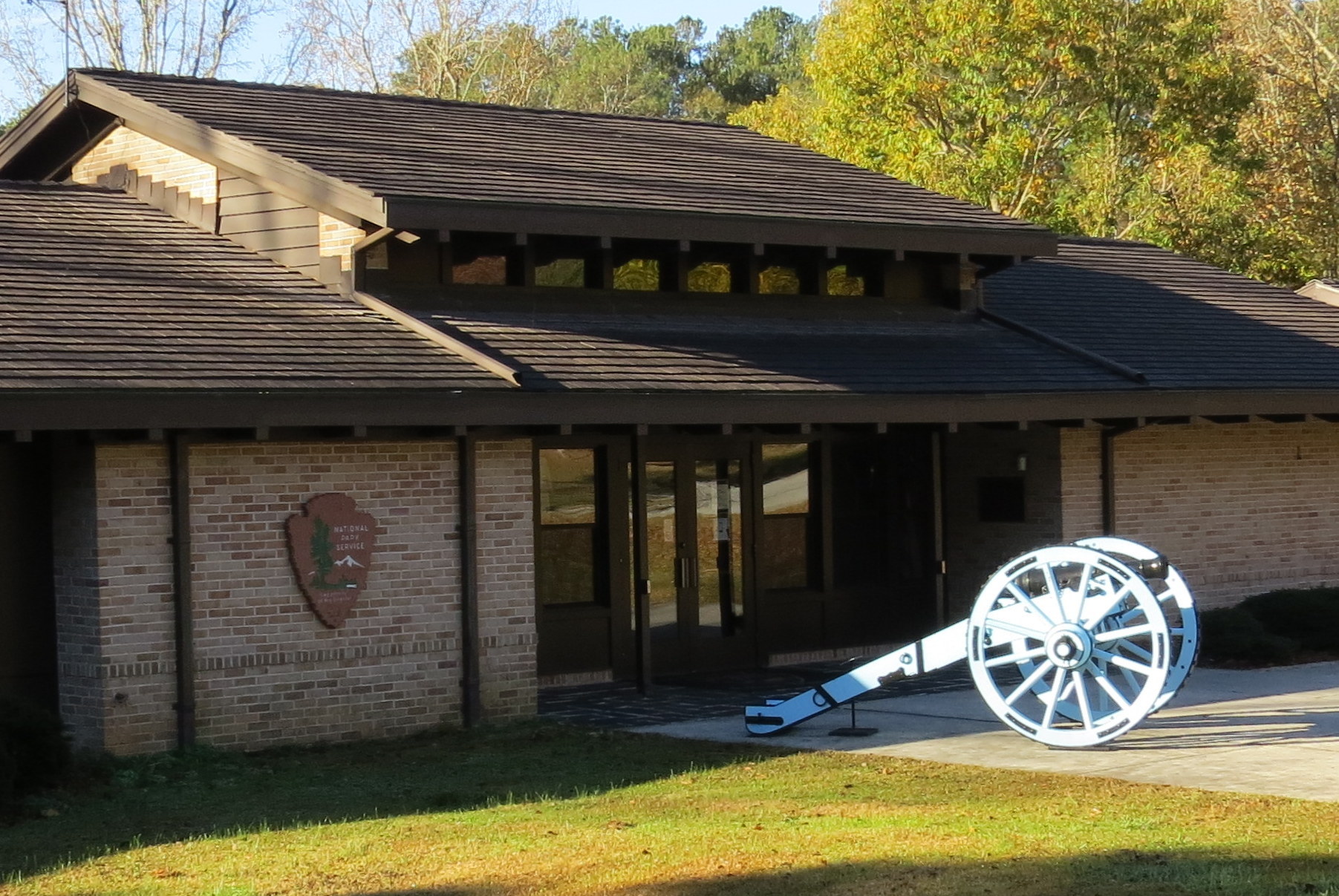
From Birmingham Civil Rights National Monument, Freedom Riders National Monument, Horseshoe Bend National Military Park, and Little River Canyon National Preserve, 11 National Park Service sites in Alabama offer trails, campgrounds, historic places, and ranger-led programs. Browse the full directory below, compare parks, and plan your trip with TrailVerse.
11 parks and sites (NPS)
All parks (11)

Birmingham Civil Rights National Monument
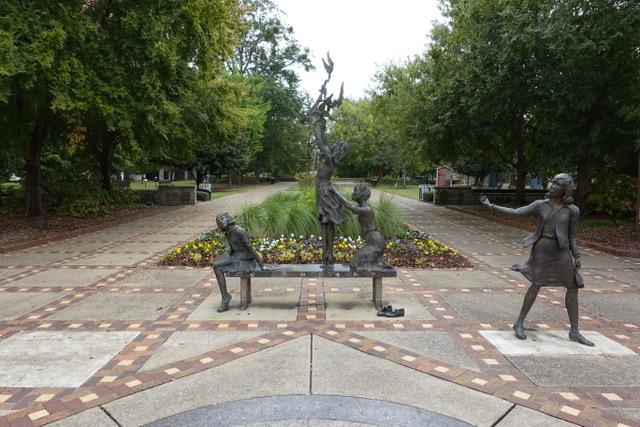
In 1963, images of snarling police dogs unleashed against non-violent protesters and of children being sprayed with high-pressure hoses appeared in print and television news around the world. These dramatic scenes of violent police aggression against civil rights protesters in Birmingham, Alabama were vivid examples of segregation and racial injustice in America.

Freedom Riders National Monument

Horseshoe Bend National Military Park
On March 27, 1814, Major General Andrew Jackson ‘s army of 3,300 men attacked Chief Menawa’s 1,000 Red Stick Creek warriors fortified in a horseshoe shaped bend of the Tallapoosa River. Over 800 Red Sticks died that day. This battle ended the Creek War, resulted in a land cession of 23,000,000 acres to the United States and created a national hero of Andrew Jackson.

Little River Canyon National Preserve
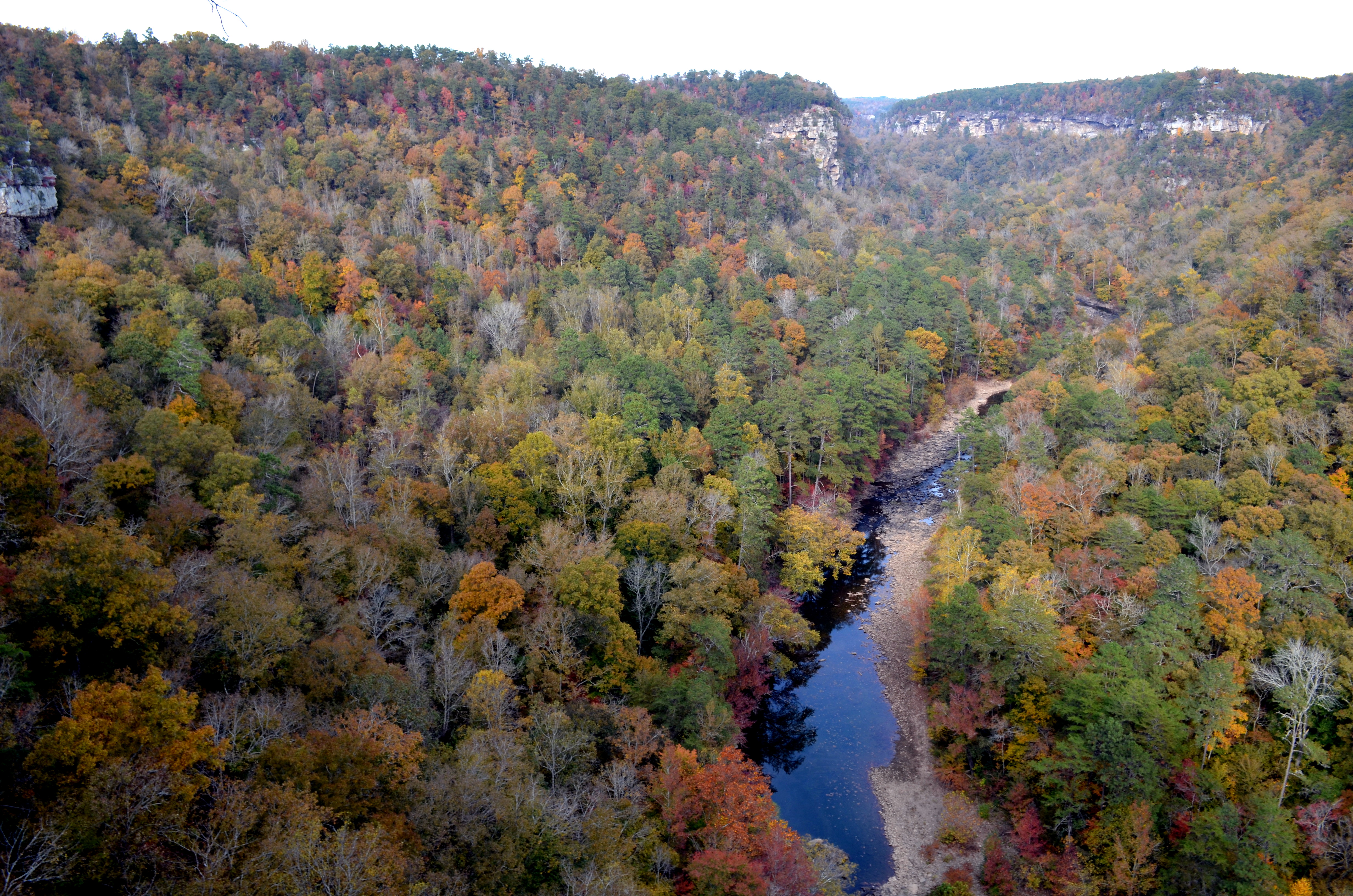
Little River is unique because it flows for most of its length atop Lookout Mountain in northeast Alabama. Forested uplands, waterfalls, canyon rims and bluffs, pools, boulders, and sandstone cliffs offer settings for a variety of recreational activities. Natural resources and cultural heritage come together to tell the story of the Preserve, a special place in the Southern Appalachians.

Natchez Trace National Scenic Trail
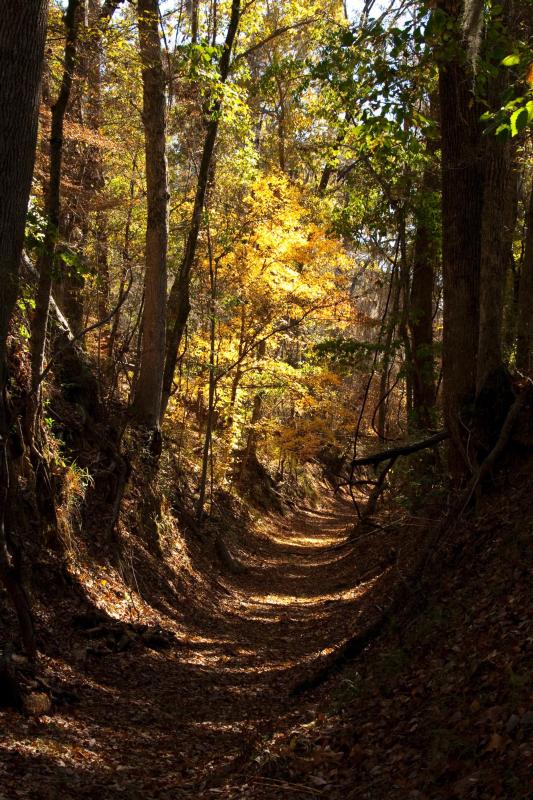
The Natchez Trace National Scenic Trail is five sections of hiking trail running roughly parallel to the 444-mile long Natchez Trace Parkway scenic motor road. The foot trails total more than 60 miles and offer opportunities to explore wetlands, swamps, hardwood forest, and the history of the area.

Natchez Trace Parkway
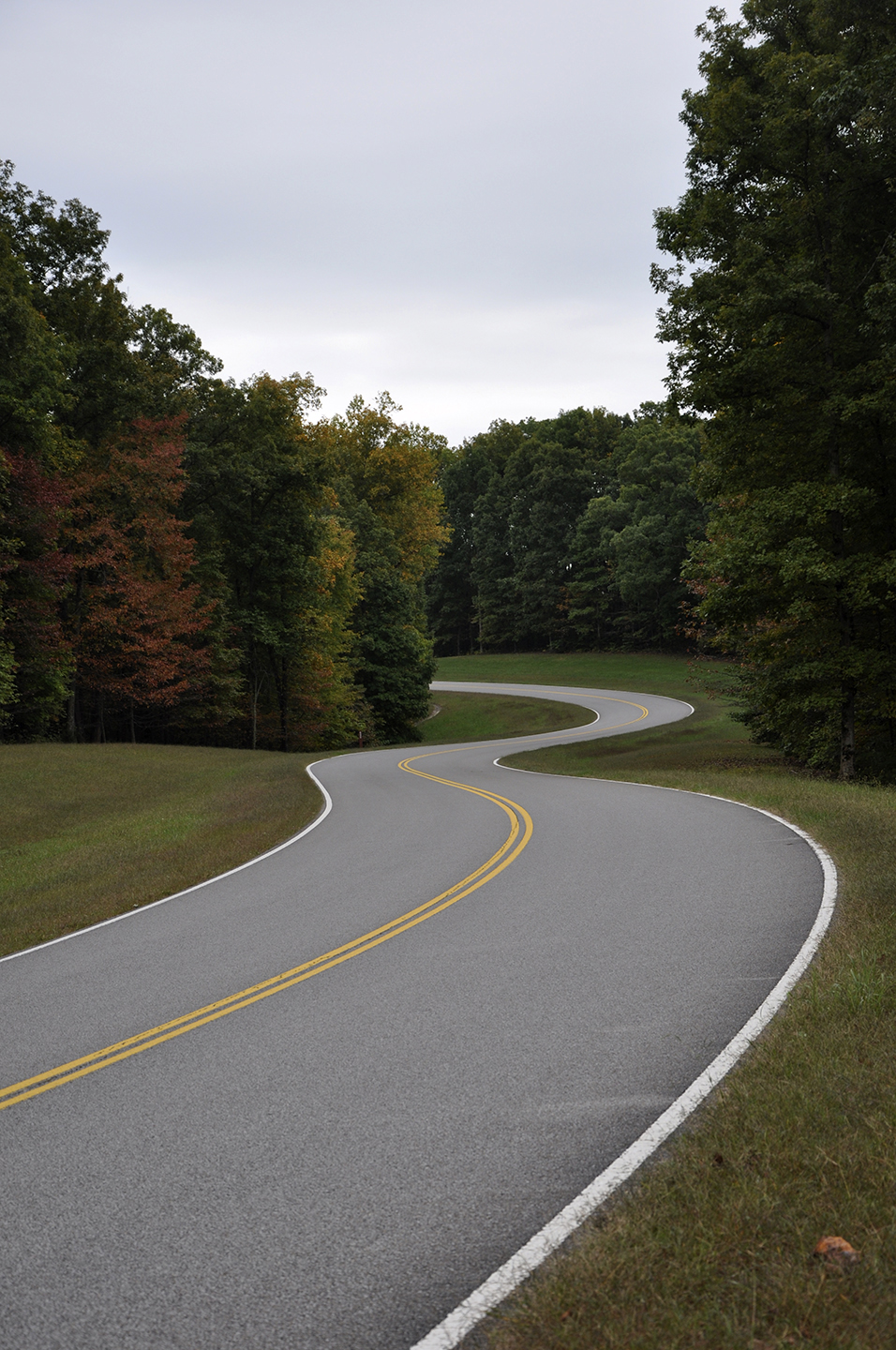
The Natchez Trace Parkway is a 444-mile recreational road and scenic drive through three states. It roughly follows the "Old Natchez Trace," a historic travel corridor used by American Indians, "Kaintucks," European settlers, slave traders, soldiers, and future presidents. Today, people can enjoy a scenic drive as well as hiking, biking, horseback riding, and camping along the Parkway.

Russell Cave National Monument
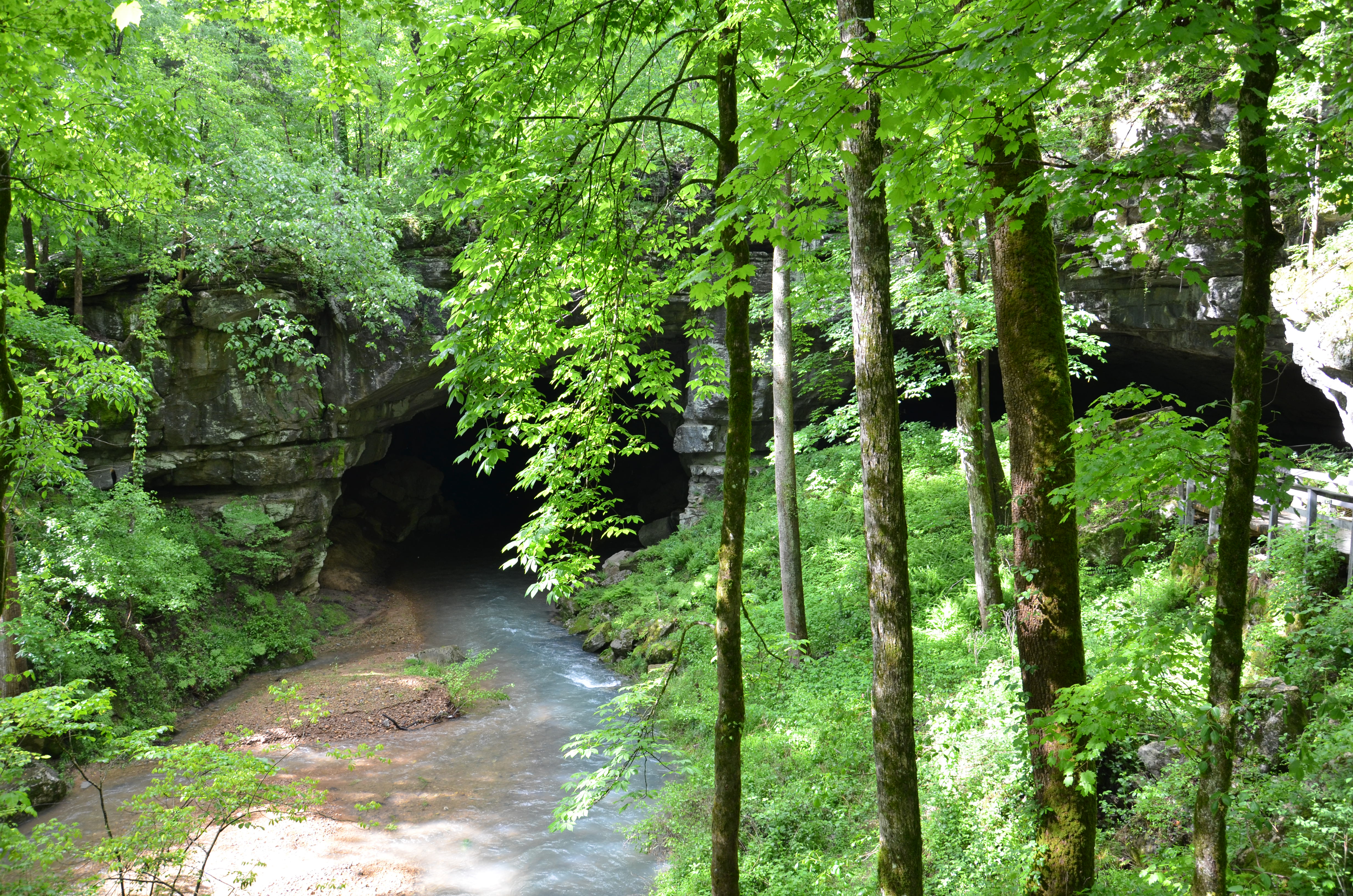
Russell Cave National Monument is an archeological site with one of the most complete records of prehistoric cultures in the Southeast. In the 1950s, archeologists uncovered a large quantity of artifacts representing 12,000 years of use in a single place. Although you cannot go in the cave, the discovered artifacts help bring to light many cultural developments of phenomenal human journeys.

Selma To Montgomery National Historic Trail
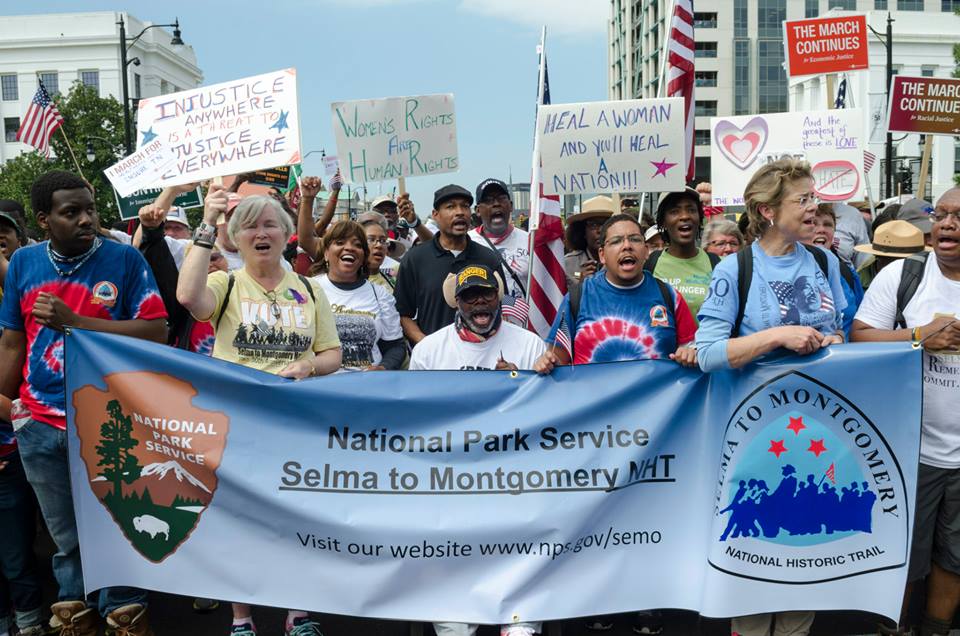
Established by Congress in 1996, the Selma to Montgomery National Historic Trail commemorates the people, events, and route of the 1965 Voting Rights March in Alabama. Led by Dr. Martin Luther King, Jr., Black and White non-violent supporters fought for the right to vote in Central Alabama. Today, you can connect with this history and trace the events of these marches along the 54-mile trail.

Trail Of Tears National Historic Trail
Remember and commemorate the survival of the Cherokee people, forcefully removed from their homelands in Georgia, Alabama, and Tennessee to live in Indian Territory, now Oklahoma. They traveled by foot, horse, wagon, or steamboat in 1838-1839.

Tuskegee Airmen National Historic Site
Before the first African American military pilots became known as the "Red Tails" they wore striped tails as they began their flight training in the Army's PT-17 Stearman bi-plane. Their flying adventure started at Moton Field, in Tuskegee, Alabama, where the Army Air Corps conducted a military test to determine if African Americans could be trained to fly combat aircraft.

Tuskegee Institute National Historic Site
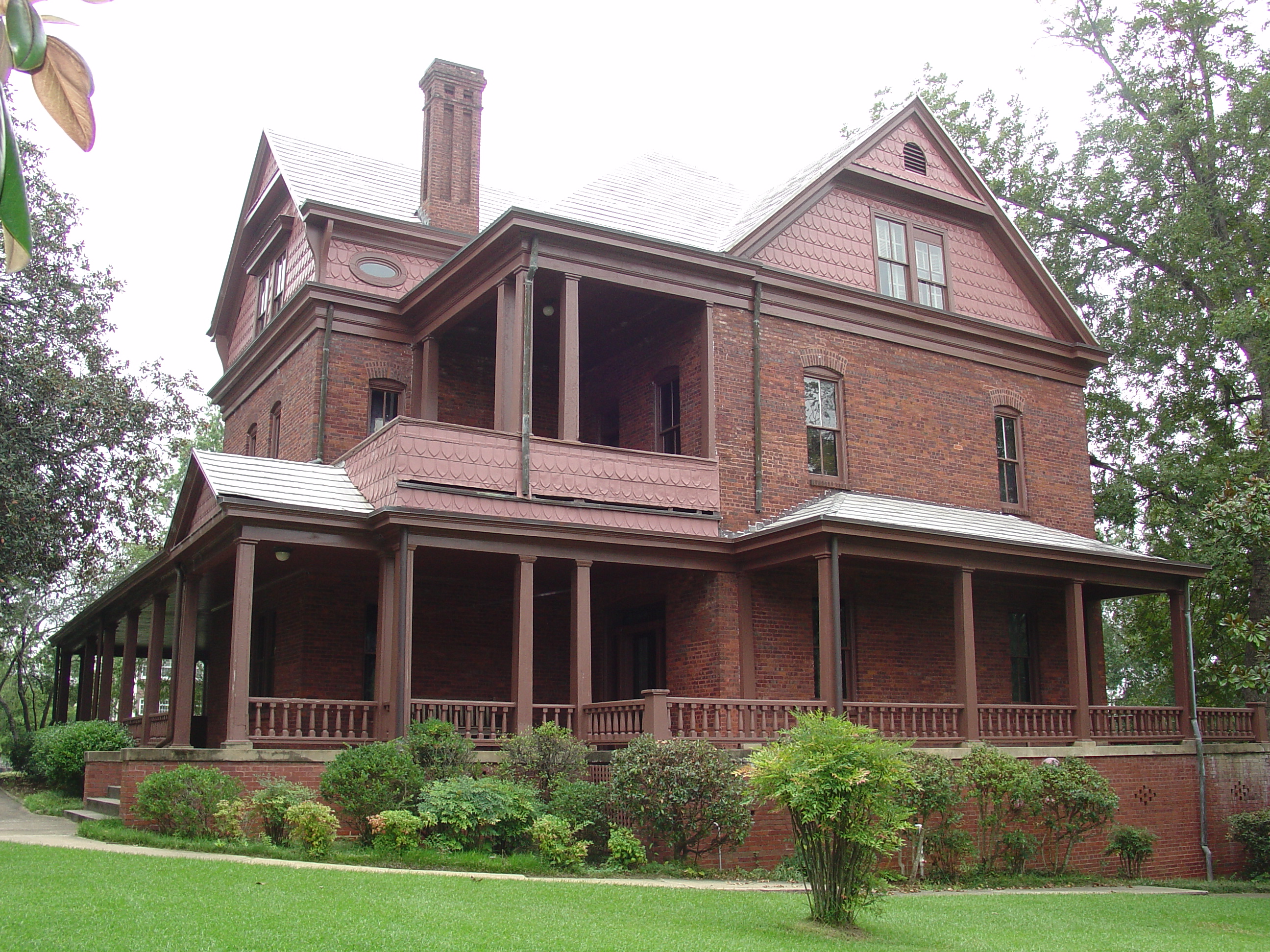
In 1881, Booker T. Washington arrived in Alabama and started building Tuskegee Institute both in reputation and literally brick by brick. He recruited the best and the brightest to come and teach here including George Washington Carver who arrived in 1896. Carver’s innovations in agriculture, especially with peanuts, expanded Tuskegee’s standing throughout the country. The story continues….