Georgia
From Andersonville National Historic Site, Appalachian National Scenic Trail, Chattahoochee River National Recreation Area, and Chickamauga & Chattanooga National Military Park, 12 National Park Service sites in Georgia offer trails, campgrounds, historic places, and ranger-led programs. Browse the full directory below, compare parks, and plan your trip with TrailVerse.
12 parks and sites (NPS)
All parks (12)

Andersonville National Historic Site
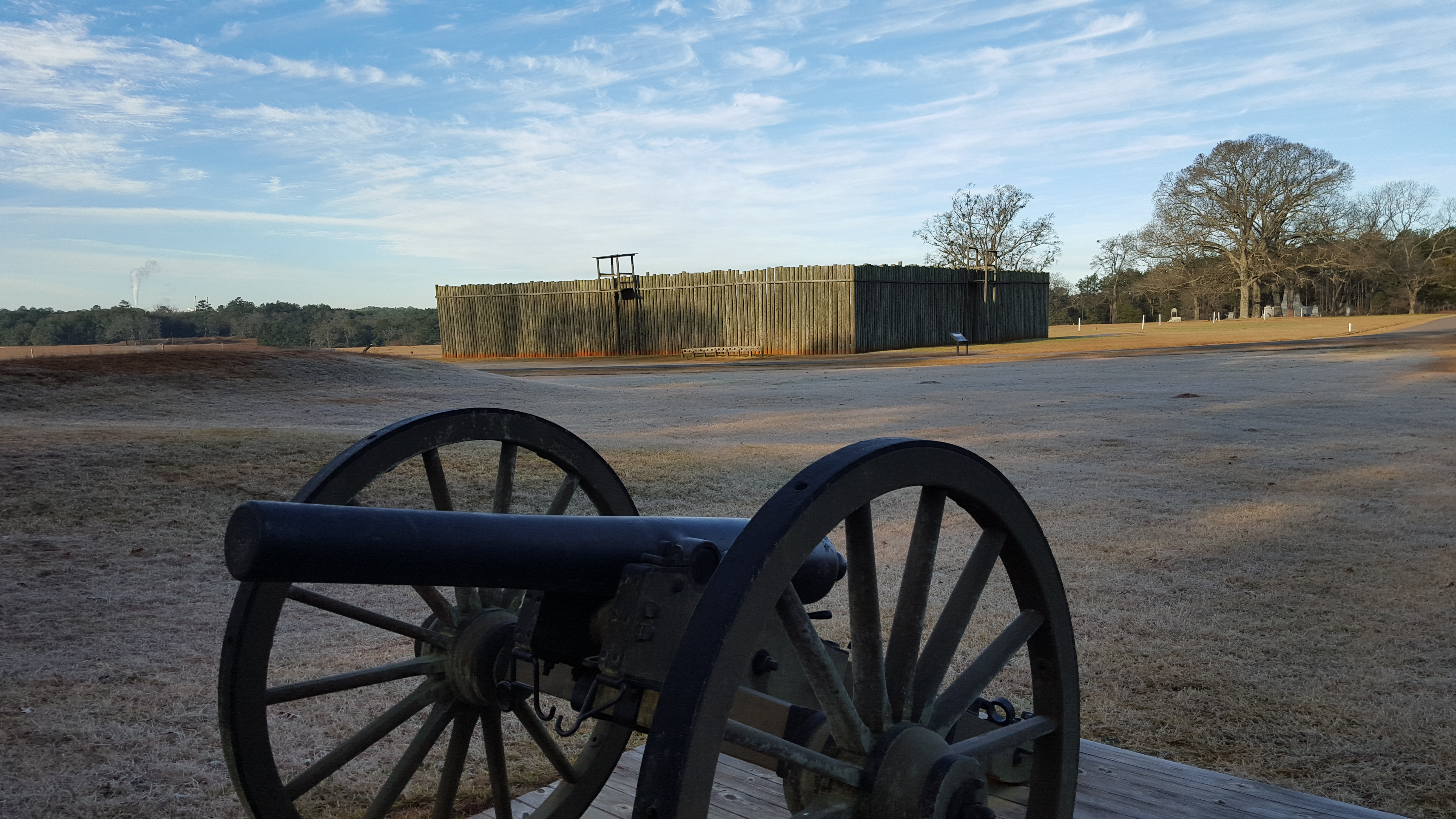
Nearly 13,000 men died on these grounds, a site that became infamous even before the Civil War ended. Their burial grounds became Andersonville National Cemetery, where veterans continue to be buried today. This place, where tens of thousands suffered captivity so others could be free, is also home to the National Prisoner of War Museum and serves as a memorial to all American prisoners of war.

Appalachian National Scenic Trail
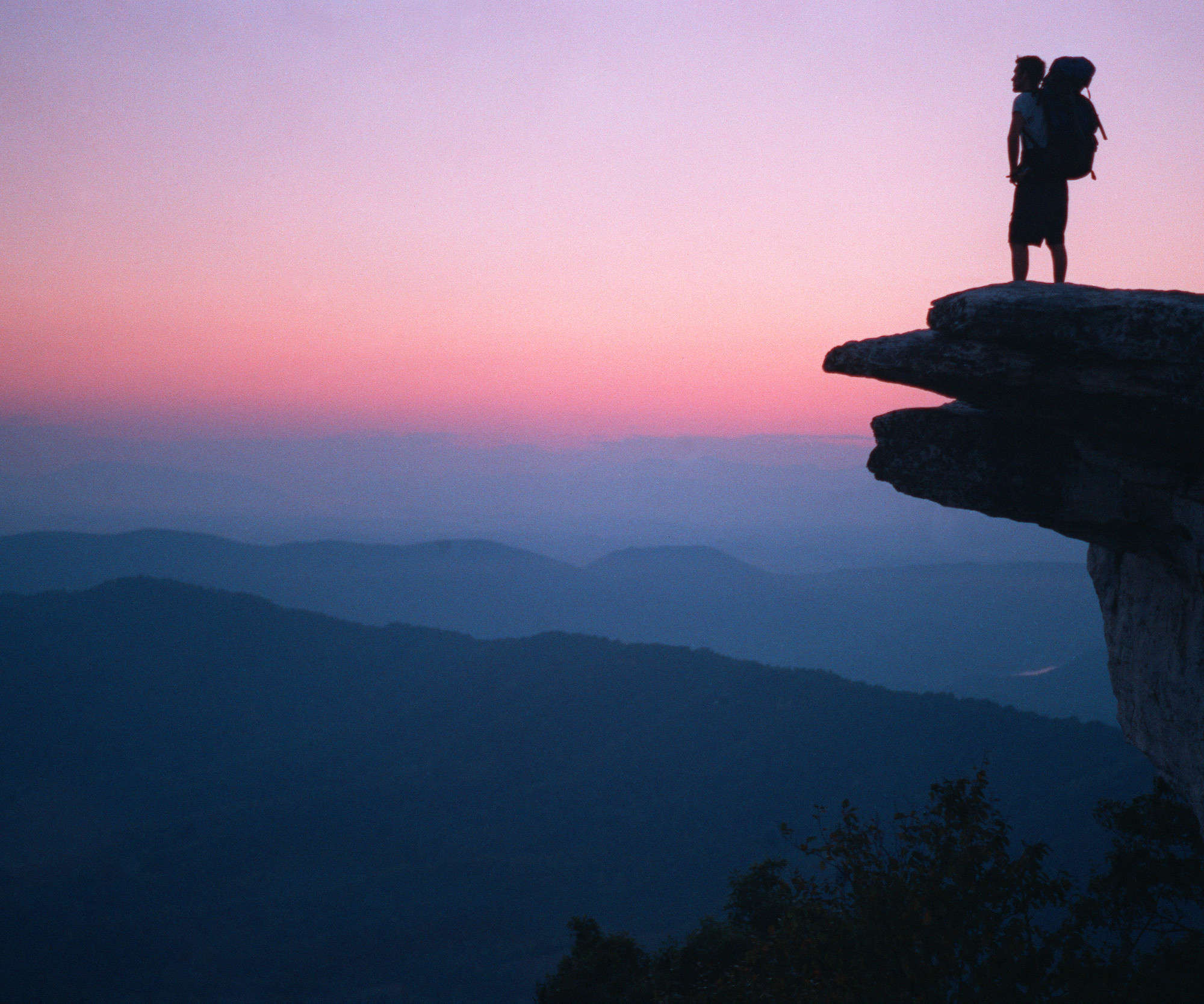
The Appalachian Trail is a 2,190+ mile long public footpath that traverses the scenic, wooded, pastoral, wild, and culturally resonant lands of the Appalachian Mountains. Conceived in 1921, built by private citizens, and completed in 1937, today the trail is managed by the National Park Service, US Forest Service, Appalachian Trail Conservancy, numerous state agencies and thousands of volunteers.

Chattahoochee River National Recreation Area
Today the river valley attracts us for so many reasons. Take a solitary walk to enjoy nature’s display, raft leisurely through the rocky shoals with friends, fish the misty waters as the sun comes up, or have a picnic on a Sunday afternoon. Get Outdoors and experience your Chattahoochee River National Recreation Area as you have never done before.

Chickamauga & Chattanooga National Military Park
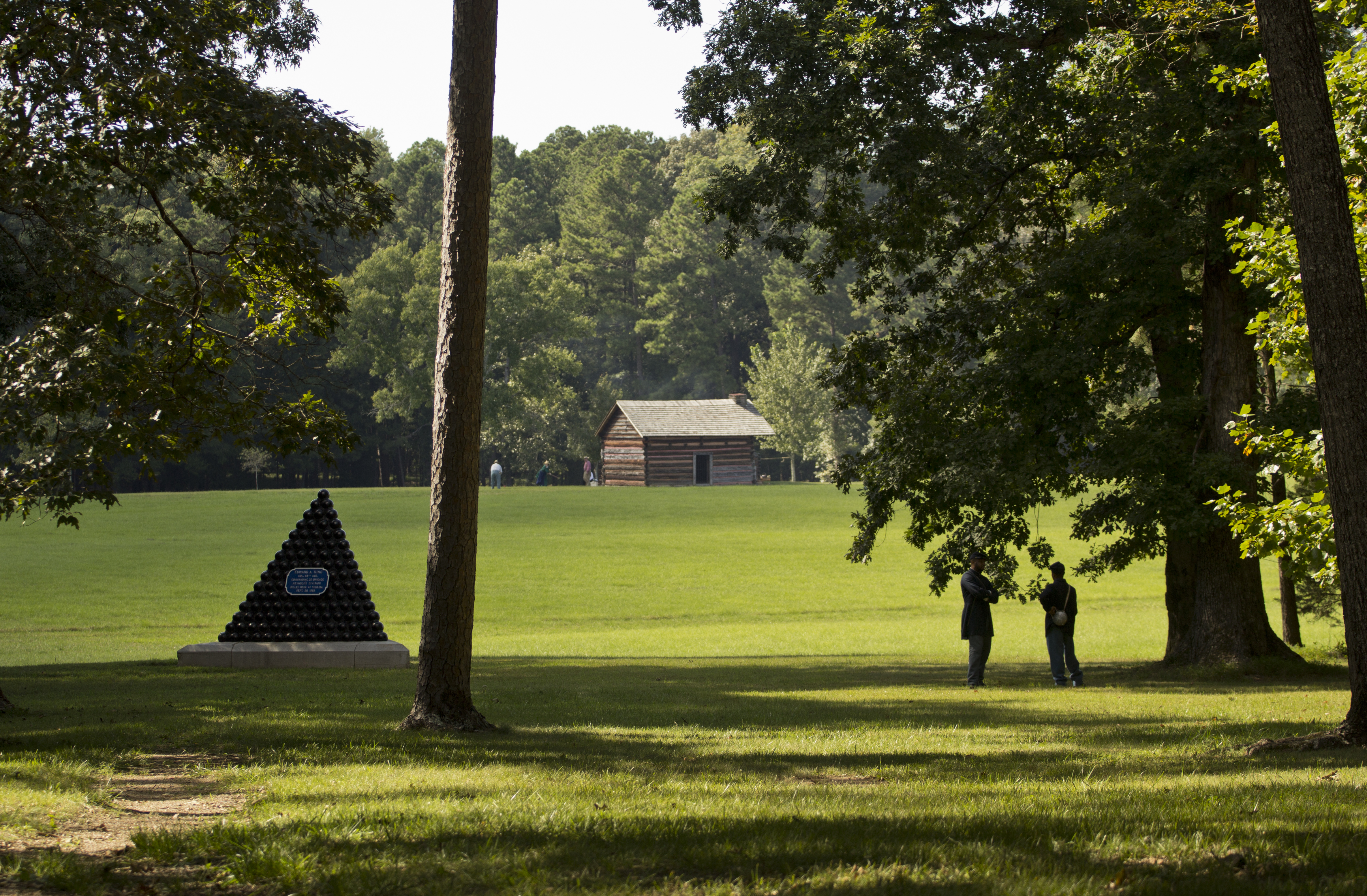
In 1863, Union and Confederate forces fought for control of Chattanooga - a gateway to the Confederacy. The Confederates were victorious at nearby Chickamauga in September. However, renewed fighting in Chattanooga that November provided Union troops victory and control of the city. After the fighting, a Confederate soldier ominously wrote, "This...is the death-knell of the Confederacy."

Cumberland Island National Seashore
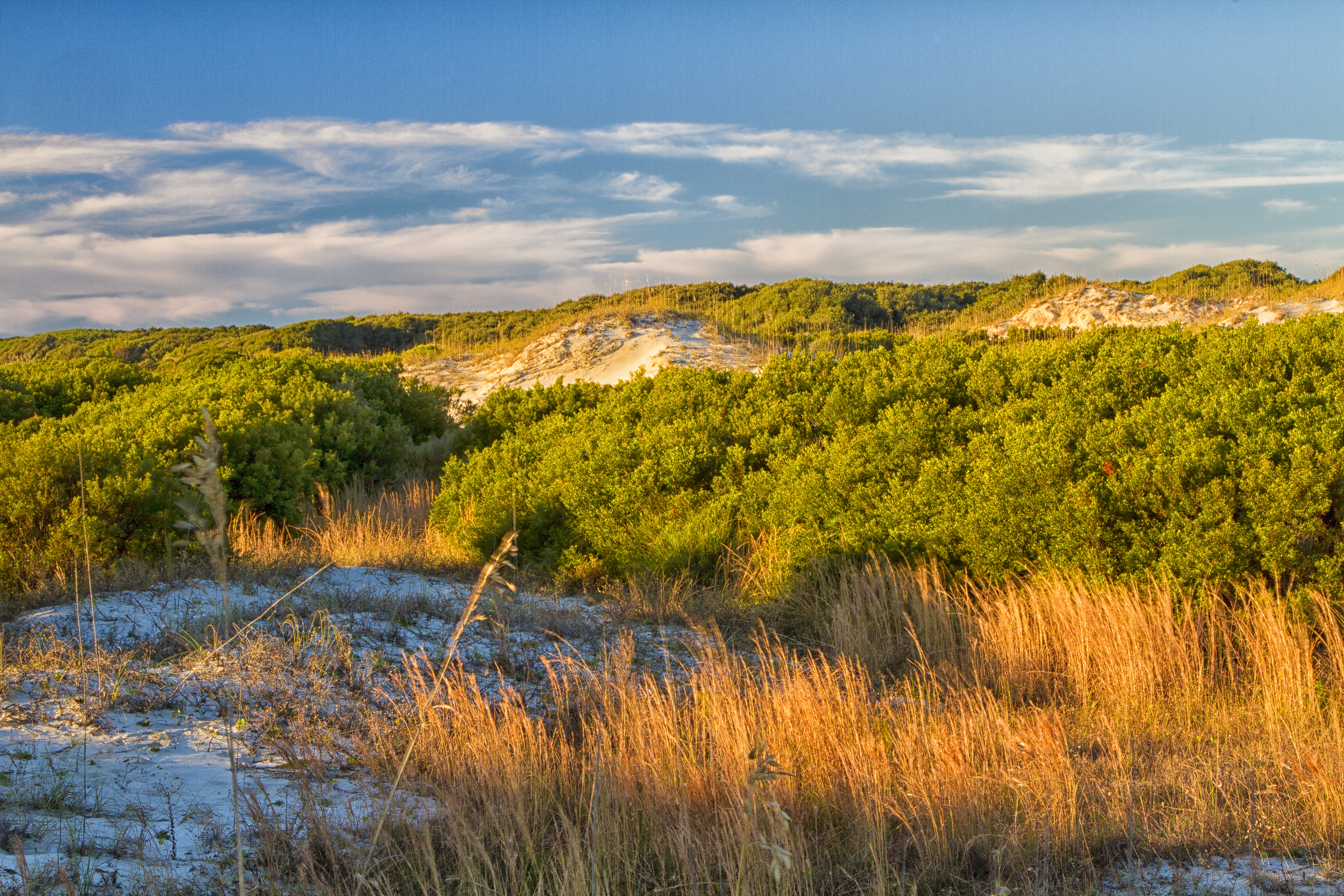
St Marys is the gateway to Cumberland Island, Georgia's largest and southernmost barrier island. Here pristine maritime forests, undeveloped beaches and wide marshes whisper the stories of both man and nature. Natives, missionaries, enslaved African Americans and Wealthy Industrialists all walked here. Cumberland Island is also home to over 9,800 acres of Congressionally designated Wilderness.

Fort Frederica National Monument
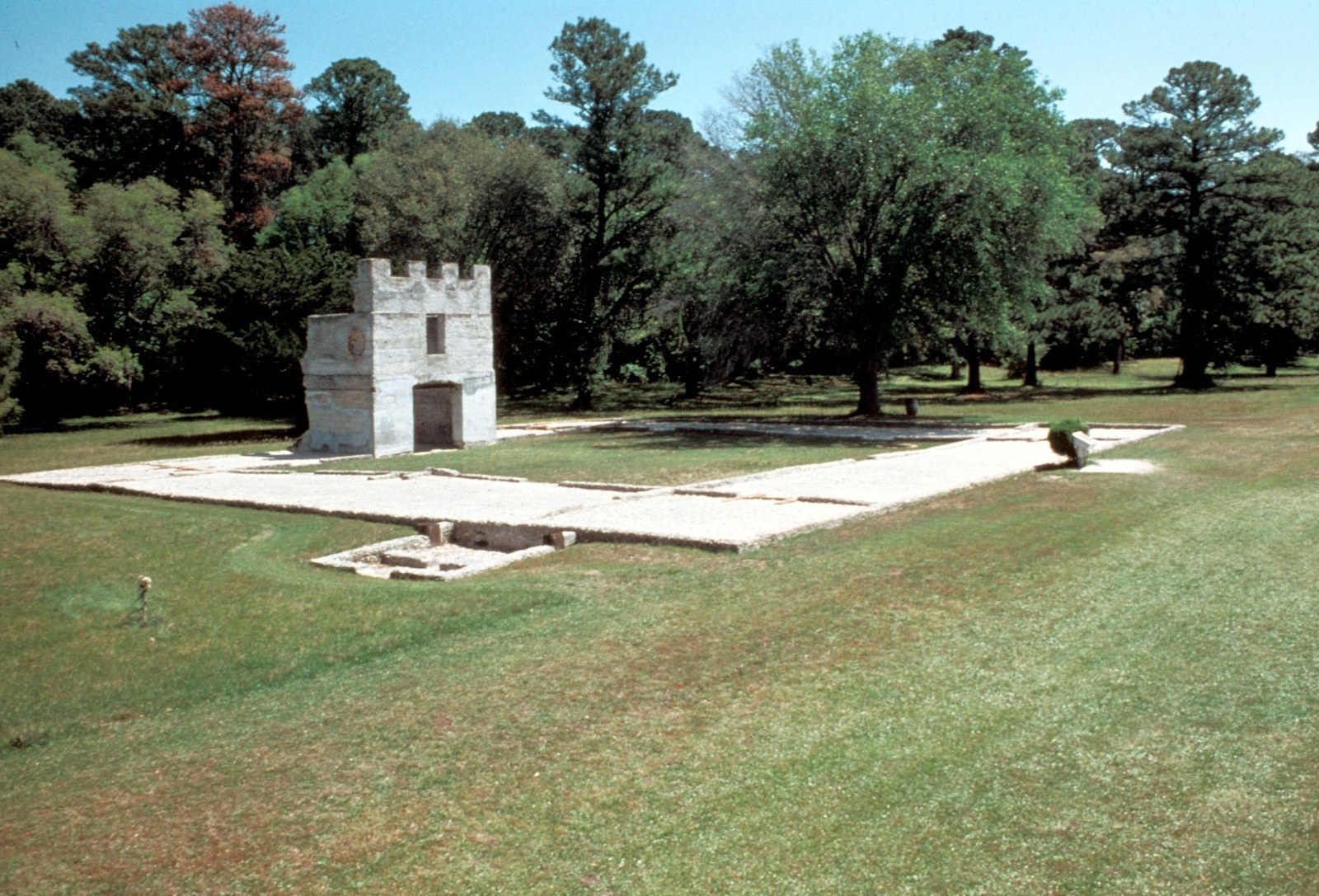
War was imminent as James Oglethorpe established Fort Frederica in 1736, to help protect the British colonies from the Spanish in Florida. Fort Frederica illustrates the story of the War of Jenkins Ear (1739-1748) and how its British defenders fought off the Spanish Army. Today, archeology has uncovered the story of the 1,000 people that once lived here.

Fort Pulaski National Monument
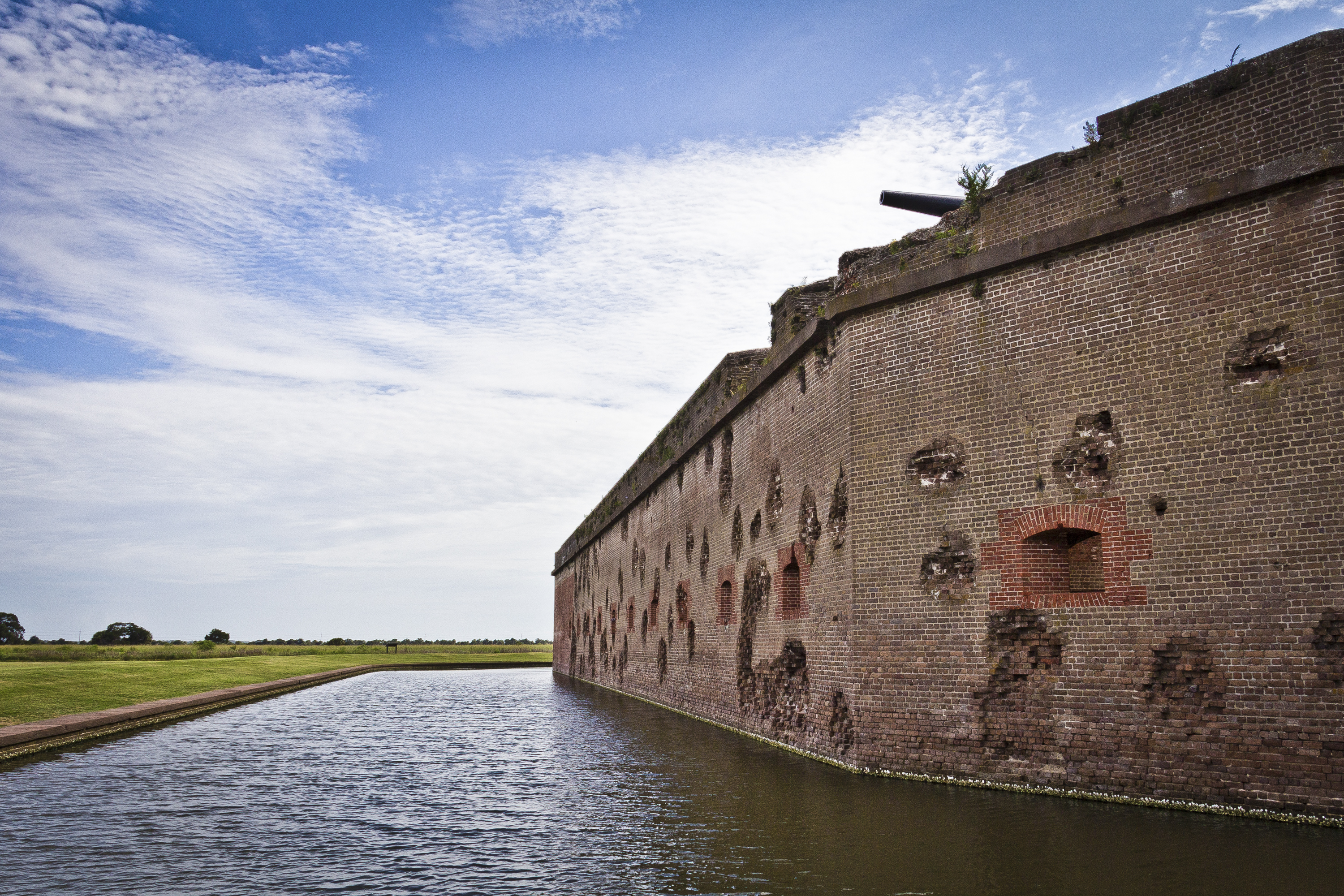
For much of the 19th century, masonry fortifications were the United States’ main defense against overseas enemies. However, during the Civil War, new technology proved its superiority over these forts. Using rifled cannons, the U.S. Army compelled the Confederate garrison inside Fort Pulaski to surrender. The siege was a landmark experiment in the history of military science and invention.

Jimmy Carter National Historical Park
Few U.S. Presidents have had such close ties with where they were born and raised. The rural southern culture of Plains, Georgia revolves around farming, church, and school, which had a large influence in molding the character and shaping the political policies of the 39th President of the United States.

Kennesaw Mountain National Battlefield Park
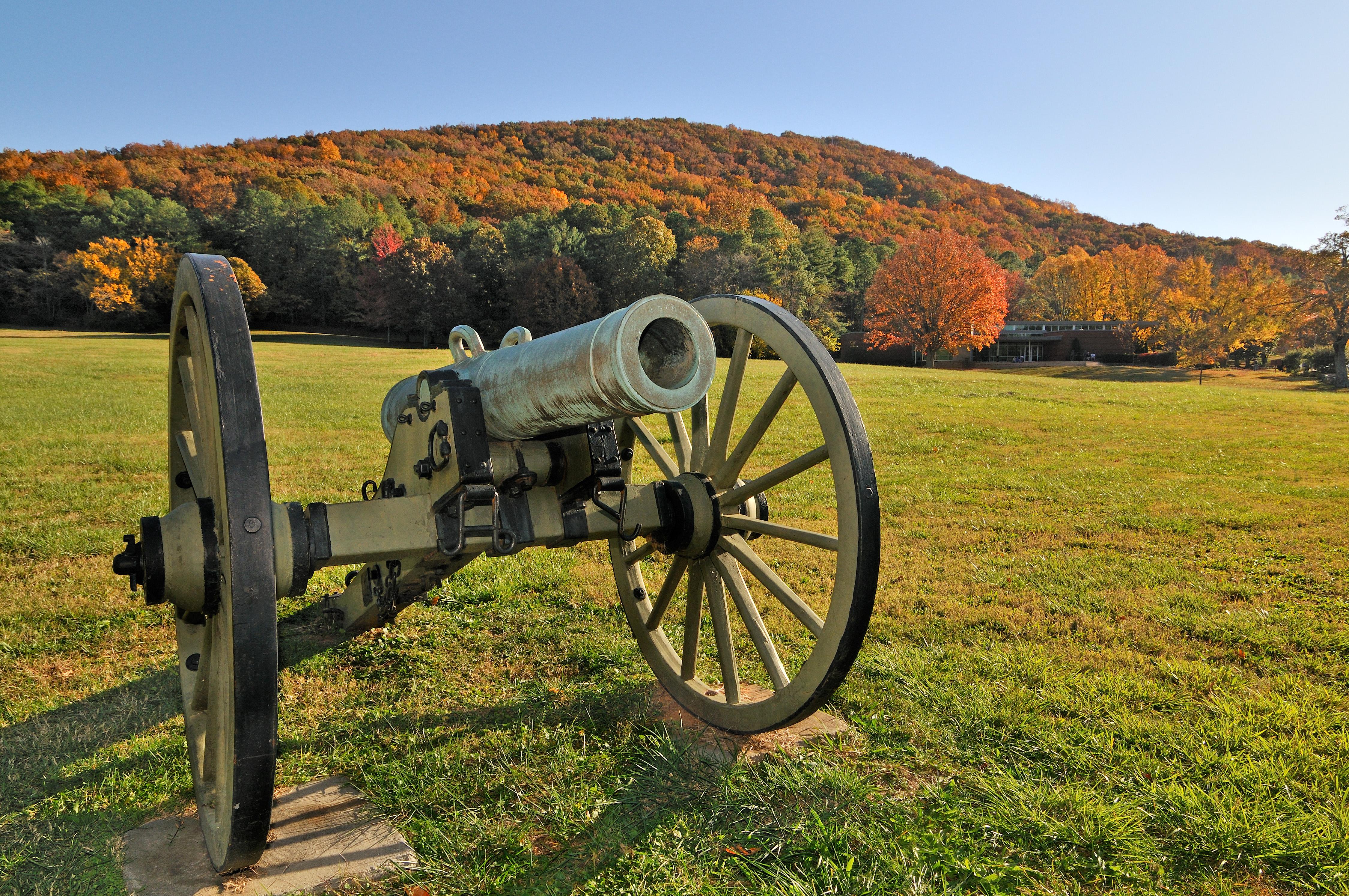
Kennesaw Mountain National Battlefield Park is a 2,965 acre National Battlefield that preserves a Civil War battleground of the Atlanta Campaign. Opposing forces maneuvered and fought here from June 19, 1864 until July 2, 1864. Although most famous as a Civil War battlefield, Kennesaw Mountain has a much richer story.

Martin Luther King, Jr. National Historical Park
Welcome to Martin Luther King, Jr. National Historical Park & Preservation District where a young boy grows up in a time of segregation. He was moved by destiny to lead the modern civil rights movement. This was Martin Luther King, Jr. Explore his roots, walk in his footsteps, visit the home of his birth, and where he played as a child. Hear his voice in the church where he changed the world.

Ocmulgee Mounds National Historical Park
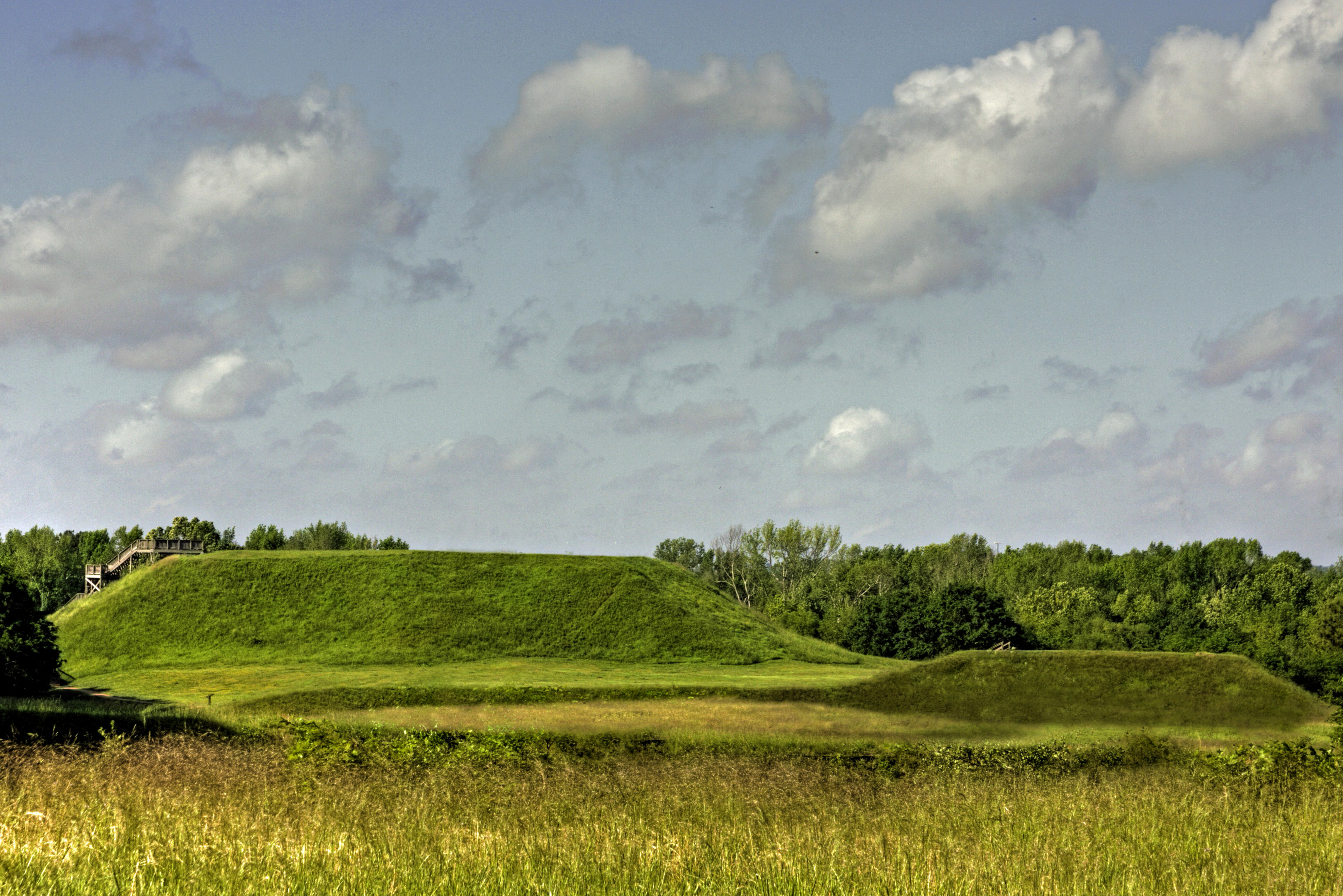
Welcome to Ocmulgee Mounds National Historical Park. This park is a prehistoric American Indian site, where many different American Indian cultures occupied this land for thousands of years. American Indians first came here during the Paleo-Indian Period hunting Ice Age mammals. Around 900 CE, the Mississippian Period began, and people constructed mounds for their elite, which remain here today.

Trail Of Tears National Historic Trail
Remember and commemorate the survival of the Cherokee people, forcefully removed from their homelands in Georgia, Alabama, and Tennessee to live in Indian Territory, now Oklahoma. They traveled by foot, horse, wagon, or steamboat in 1838-1839.