Best National Parks for First-Timers (2026)
Five parks that reward first trips: Yellowstone, Grand Canyon, Yosemite, Zion, and more—with fees, timing, and honest beginner planning tips for 2026.
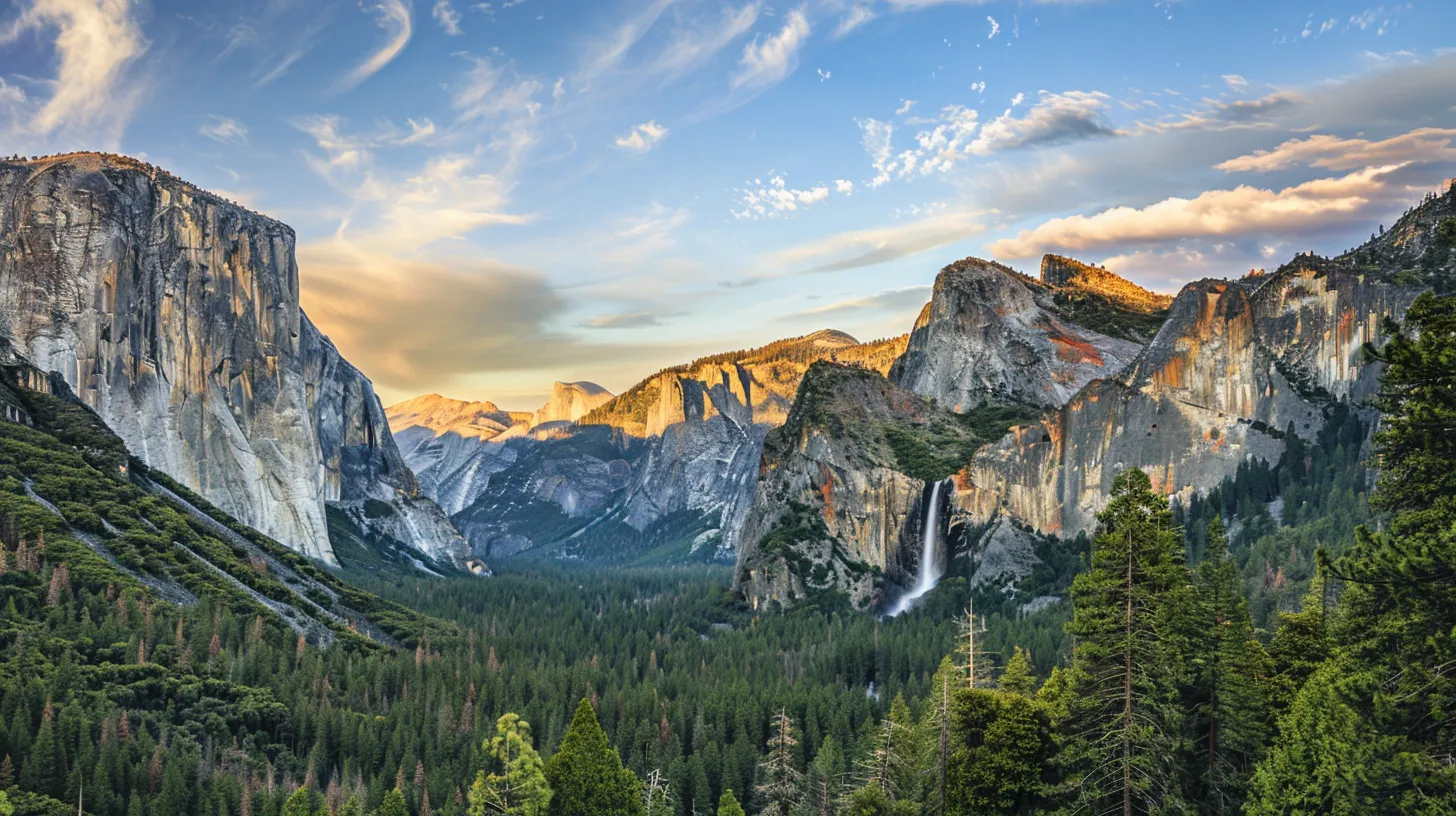
Table of Contents
Standing at the edge of your first national park can feel overwhelming. With 63 national parks spread across America—from volcanic islands to ancient forests to desert canyons—where do you even begin? Which parks offer the most bang for your buck? Where can you experience jaw-dropping scenery without needing mountaineering skills?
Here's the truth: not all national parks are created equal for first-time visitors. Some require serious backcountry experience, high-clearance vehicles, or multi-day commitments. Others offer instant gratification—pull up, park, and prepare to have your mind blown within minutes.
The parks in this guide are the perfect introduction to America's best idea. They combine accessibility with absolute wow-factor, offering experiences that'll hook you on national parks for life. Whether you have two days or two weeks, these parks deliver unforgettable moments without requiring expert-level planning or fitness.
Ready to start your national park journey? Let's find your perfect first park.
Yellowstone National Park: The Original and Still the Best Introduction
Location: Wyoming, Montana, Idaho
Best for: Wildlife, geothermal features, variety
Ideal visit length: 3-4 days
Difficulty level: Easy to moderate
Yellowstone wasn't just America's first national park—it remains one of the best introductions to the entire system. Why? Because it offers everything: wildlife you can see from your car, geothermal features accessible via boardwalks, stunning waterfalls, colorful hot springs, and landscapes that look like another planet.
Why It's Perfect for Beginners
Easy Access to Iconic Features: Old Faithful erupts roughly every 90 minutes, and you can watch from benches just steps from the parking lot. Grand Prismatic Spring, the park's most photographed feature, is visible from a short boardwalk. The Grand Canyon of the Yellowstone offers spectacular waterfall views from paved overlooks.
Excellent Infrastructure: The park has a figure-eight road system connecting all major features. Multiple lodges, visitor centers, and services mean you're never far from help or facilities. Cell service exists in developed areas, and rangers are everywhere to answer questions.
Wildlife Everywhere: Yellowstone is America's premier wildlife watching destination. Bison regularly cause "bison jams" on park roads. The Lamar Valley, nicknamed "America's Serengeti," offers dawn and dusk viewing of wolves, grizzlies, elk, and pronghorn—all visible from pullouts.
Must-Do Experiences
Old Faithful and Upper Geyser Basin: Start here to understand why Yellowstone is special. Walk the boardwalk loop to see numerous geysers, hot springs, and thermal features in one easy stroll. Time your visit for Old Faithful's eruption—the ranger-led talks beforehand explain the geology perfectly.
Grand Prismatic Spring Overlook: The boardwalk view is good, but hiking the short (steep) trail to the overlook reveals the spring's full rainbow beauty. This is Yellowstone's most iconic image—the massive, rainbow-colored hot spring surrounded by orange bacterial mats.
Lamar Valley Wildlife Watching: Wake up early (seriously, dawn is essential) and drive the northeast corner of the park. Bring binoculars or a spotting scope. Look for groups of cars with people pointing—they've spotted something. Ask fellow watchers what they're viewing; the wildlife community here is incredibly friendly.
Grand Canyon of the Yellowstone: Both the North and South Rim drives offer spectacular views of the 308-foot Lower Falls and the golden canyon walls. Artist Point is the classic view, but Uncle Tom's Trail (300+ stairs down and back up) gets you close enough to feel the waterfall's spray.
Mammoth Hot Springs: The terraced travertine formations look like frozen waterfalls. The boardwalks wind through active thermal features, and elk often lounge on the lawns around the historic Fort Yellowstone buildings.
Insider Tips
Visit in May, June, or September for smaller crowds and active wildlife. Book lodging inside the park a year ahead, or stay in gateway towns (West Yellowstone, Gardiner, Cooke City). Download the park's app for geyser predictions and up-to-date information. Never approach wildlife—use your zoom lens. Budget at least one full day for the wildlife-rich northern loop and another for the geyser basins.
Grand Canyon National Park: Instant Jaw-Dropping Wow
Location: Arizona
Best for: Dramatic vistas, photography, easy rim walks
Ideal visit length: 2-3 days
Difficulty level: Easy (rim walks) to very strenuous (below rim)
The Grand Canyon does one thing better than any other park: it delivers immediate, overwhelming awe. Park at any South Rim overlook, walk thirty feet, and prepare to question your scale of what's possible in nature. A mile deep, 18 miles wide, and 277 river miles long—it's incomprehensibly vast and beautiful.
Why It's Perfect for Beginners
No Hiking Required: You can experience the Grand Canyon's majesty entirely from paved rim trails and overlooks. The views don't improve significantly by hiking down (though the perspective changes). This makes it perfect for visitors with mobility concerns or time constraints.
Excellent Infrastructure: The South Rim operates year-round with hotels, restaurants, visitor centers, and a free shuttle system. Cell service works in developed areas. Everything is clearly marked and maintained.
Multiple Ways to Experience It: Drive the Desert View Road for different perspectives. Ride the shuttle along Hermit Road at sunset. Walk a short section of the Rim Trail. Take a helicopter tour. Watch the sunrise paint the canyon in pastels. Every approach offers something special.
Must-Do Experiences
Mather Point at Sunrise: Your first Grand Canyon sunrise is unforgettable. Mather Point, near the main visitor center, is easily accessible and offers expansive views. Arrive 30 minutes before sunrise, bring coffee, and watch the canyon emerge from shadows.
Hermit Road Sunset Tour: From March to November, this 7-mile road is closed to private vehicles. Take the free shuttle, hopping off at overlooks like Hopi Point (sunset favorite) or The Abyss. The light changes constantly, making each viewpoint unique.
Rim Trail Walk: This mostly-paved, mostly-flat trail runs along the South Rim for 13 miles. You don't need to walk the whole thing—choose any section between overlooks. The 2.5-mile stretch from Mather Point to Verkamp's Visitor Center is perfect for first-timers.
Desert View Watchtower: Drive east along Desert View Drive to this 70-foot stone tower designed by Mary Colter. Climb to the top for 360-degree views encompassing the canyon, Painted Desert, and distant peaks. The architecture alone is worth the visit.
Ranger Programs: The park offers dozens of free ranger talks daily. Evening programs at Mather Amphitheater and rim walks with rangers provide context and stories that transform the canyon from "big hole" to geological masterpiece.
Insider Tips
The South Rim is open year-round and far more developed than the North Rim—start here. Arrive before 10 AM or after 3 PM to find parking. Stay in the park if possible (book a year ahead) or in Tusayan just outside. Don't hike into the canyon unless you're prepared—day-hiking to the river and back is dangerous and discouraged. The rim temperature can be 20-30 degrees cooler than the canyon bottom.
Yosemite National Park: California's Crown Jewel
Location: California
Best for: Waterfalls, granite cliffs, iconic scenery
Ideal visit length: 3-4 days
Difficulty level: Easy to moderate
Yosemite Valley might be the most concentrated collection of natural wonders in any national park. Within a 7-mile stretch of valley floor, you'll find the world's tallest granite monolith, multiple 1,000+ foot waterfalls, and scenery so iconic it defined landscape photography.
Why It's Perfect for Beginners
Valley Floor Accessibility: Most of Yosemite's famous features are visible from the valley floor—no serious climbing required. Paved paths and shuttle buses make car-free exploration easy. The valley loop is bike-friendly with rental options available.
Year-Round Beauty: Spring brings thundering waterfalls. Summer offers perfect weather and all facilities open. Fall delivers smaller crowds and autumn color. Winter transforms the valley into a snowy wonderland with far fewer visitors.
Photographic Paradise: Even amateur photographers get professional results. The scenery practically photographs itself. Tunnel View, arguably America's most famous viewpoint, offers the postcard shot: El Capitan on the left, Half Dome in the distance, Bridalveil Fall on the right.
Must-Do Experiences
Tunnel View: Don't skip this overlook on Highway 41 as you enter the valley. This is the view that made Ansel Adams famous. Visit at sunrise when light hits El Capitan, or at sunset when the valley glows.
Yosemite Falls Trail (Lower): The one-mile loop to Lower Yosemite Falls is easy and wheelchair accessible. In spring, the 2,425-foot falls (tallest in North America) roar with snowmelt. By late summer, it often dries to a trickle—visit May through June for maximum drama.
Valley Loop Trail: This 7.2-mile paved and dirt loop circles Yosemite Valley. You don't need to complete it all—walk any section between shuttle stops. The stretch from Yosemite Village to Yosemite Falls Chapel is particularly beautiful.
Mirror Lake: This easy 2-mile round-trip walk leads to a lake that perfectly reflects Half Dome in calm conditions (best in spring and early morning). By late summer, it's often a meadow, but the walk through forest and along Tenaya Creek remains lovely.
Glacier Point (if open): This viewpoint, 3,200 feet above the valley floor, offers mind-blowing perspective. Half Dome looms directly across from you. The entire valley spreads below. The road opens late May through October/November (weather dependent). Come for sunset and stay for stars.
Insider Tips
Reserve accommodations and campgrounds six months ahead—Yosemite books out fast. Enter before 8 AM or after 5 PM to avoid day-use entry reservations (required May-September). The free valley shuttle system is excellent—use it instead of fighting for parking. Spring means waterfalls but also crowds; September offers a sweet spot of good weather and fewer visitors. Don't leave food in your car—bears are active and will break in.
Rocky Mountain National Park: Alpine Beauty Made Accessible
Location: Colorado
Best for: Mountain scenery, wildlife, scenic drives
Ideal visit length: 2-3 days
Difficulty level: Easy to moderate
Rocky Mountain National Park brings you to alpine heights without serious mountaineering. Trail Ridge Road, the park's showpiece, reaches 12,183 feet—above treeline and into true tundra—while keeping you safely on pavement. This is mountain majesty made accessible.
Why It's Perfect for Beginners
Trail Ridge Road: This 48-mile scenic drive is one of America's most spectacular. It climbs from ponderosa pine forests through aspen groves and into barren alpine tundra where summer wildflowers carpet the landscape. Multiple pullouts offer stunning views without hiking.
Proximity to Denver: Just 90 minutes from Denver, Rocky Mountain is one of the most accessible major parks. Easy to incorporate into a Colorado vacation.
Wildlife Abundance: Elk are everywhere, especially in fall during the rut when males bugle to attract mates. Bighorn sheep frequent pullouts along Trail Ridge Road. Moose hang out in marshy areas. Marmots pose on rocks like they're working for the park's PR department.
Must-Do Experiences
Trail Ridge Road: Open late May through mid-October (weather dependent), this drive is the main attraction. Stop at Forest Canyon Overlook, Alpine Visitor Center (at 11,796 feet), and Lava Cliffs for different perspectives. Start early to avoid afternoon thunderstorms.
Bear Lake: This easy 0.6-mile loop around a scenic subalpine lake is the park's most popular trail—deservedly so. Arrive before 8 AM to find parking or take the shuttle. The lake reflects Hallett Peak and surrounding mountains perfectly on calm mornings.
Alberta Falls: A moderate 1.7-mile round-trip from the Glacier Gorge parking area leads to this pretty 30-foot waterfall. The trail gains only 160 feet and is well-maintained, making it perfect for families.
Moraine Park at Dawn: Elk congregate in this marshy meadow during September and October. The males' bugling calls echo across the valley—an unforgettable wildlife experience. Bring binoculars and maintain safe distance (25+ yards).
Many Parks Curve: This pullout on Trail Ridge Road offers one of the best views in the park—multiple mountain ranges stretching to the horizon. Perfect for sunset photography.
Insider Tips
Timed entry permits are required May through October (reserve ahead). Stay in Estes Park, the adorable gateway town on the east side, or Grand Lake on the quieter west side. Altitude affects people differently—take it easy your first day, drink lots of water, and recognize symptoms of altitude sickness. Afternoon thunderstorms are common in summer; start hikes early. Trail Ridge Road can close without warning due to weather, even in summer.
Olympic National Park: Three Parks in One
Location: Washington
Best for: Diversity, temperate rainforest, coastline
Ideal visit length: 3-4 days
Difficulty level: Easy to moderate
Olympic is the most ecologically diverse park in the system. Within a single day, you can explore temperate rainforests dripping with moss, hike to alpine meadows with glacier views, and walk beaches with sea stacks and tide pools. It's three completely different ecosystems in one park—perfect for first-timers who want variety.
Why It's Perfect for Beginners
Multiple Distinct Sections: Unlike parks with one main road, Olympic's separate regions mean you can choose your adventure. Want forest? Hit the Hoh Rainforest. Prefer coast? Explore Rialto Beach. Seeking mountains? Drive to Hurricane Ridge. Each section offers complete experiences independently.
Year-Round Accessibility: While some parks close roads seasonally, Olympic offers accessible experiences every month. Winter brings storm watching on the coast. Spring means wildflower displays at Hurricane Ridge. Summer dries out the rainforest trails. Fall brings smaller crowds and dramatic light.
Easy Trails: Most of Olympic's best features are accessible via short, well-maintained trails. The Hall of Mosses trail in the Hoh Rainforest is 0.8 miles. Ruby Beach requires just a short walk from the parking area. Hurricane Ridge offers paved paths with mountain views.
Must-Do Experiences
Hoh Rainforest: This is Middle-earth come to life. Giant Sitka spruce and western hemlock draped in club moss create a cathedral-like atmosphere. The Hall of Mosses loop and Spruce Nature Trail are both under a mile and absolutely magical.
Hurricane Ridge: A 17-mile drive from Port Angeles climbs to 5,242 feet, offering panoramic views of the Olympic Mountains. Short paved trails lead to overlooks. Mountain goats often graze near the visitor center. In winter, it becomes a small ski area.
Ruby Beach: Olympic's most accessible and photogenic beach features sea stacks, tide pools, and driftwood sculptures. Time your visit for low tide to explore tide pools teeming with starfish and anemones. Sunset here is magnificent.
Rialto Beach and Hole-in-the-Wall: Walk north from the parking area toward the iconic Hole-in-the-Wall rock formation (accessible at low tide). The beach walk is easy and the dramatic coastline with offshore sea stacks looks prehistoric.
Lake Crescent: This glacially-carved lake features stunning blue-green water. The Marymere Falls trail (1.8 miles round-trip) offers an easy introduction to Olympic's forest ecosystems, ending at a 90-foot waterfall.
Insider Tips
Olympic is huge and spread out—don't try to see everything in one day. Base yourself in Port Angeles for easy access to Hurricane Ridge and the northeast areas, or Forks for rainforest and coast. No roads cross the park's interior, so plan your route carefully. The west side gets 140+ inches of rain annually—bring rain gear. The coast requires parking passes for day use. Check tide tables before exploring beaches.
Planning Your First National Park Visit
Choosing Your Park
Pick Yellowstone if you want: The most comprehensive introduction, variety of landscapes and wildlife, geothermal features, and the "complete" national park experience.
Pick Grand Canyon if you want: Immediate, overwhelming wow-factor, minimal hiking, perfect photography opportunities, and to experience one of the world's natural wonders.
Pick Yosemite if you want: Iconic scenery recognizable from countless photographs, spectacular waterfalls (spring), incredible rock formations, and California adventure.
Pick Rocky Mountain if you want: High alpine scenery made accessible, abundant wildlife, proximity to Denver, and mountain experiences without technical climbing.
Pick Olympic if you want: Three completely different ecosystems, variety within one trip, Pacific Northwest beauty, and options for different interests.
When to Visit
Summer (June-August): Peak season means crowds but also all facilities open, best weather, and longest daylight. Book everything months ahead. Arrive early or late in the day for popular sites.
Shoulder Season (May, September-October): Smaller crowds, pleasant weather, and often better wildlife viewing. Some facilities may be closed or have limited hours. Snow can affect mountain roads.
Winter (November-April): Lowest prices, smallest crowds, and unique beauty. Many roads close. Come prepared for winter conditions. Yellowstone and Rocky Mountain offer excellent winter experiences if you're properly equipped.
What to Pack
Essentials for every park:
- National Parks Pass (covers entrance fees)
- Plenty of water (1 liter per person per 2 hours of activity)
- Snacks and meals (park restaurants are expensive and limited)
- Layered clothing (weather changes rapidly)
- Sunscreen and hat (high elevation sun is intense)
- Good walking shoes (trails vary from paved to rocky)
- Camera and binoculars
- Offline maps (cell service is spotty)
- First aid kit and any personal medications
Park-specific items:
- Yellowstone: Bear spray (for backcountry), spotting scope for wildlife
- Grand Canyon: Extra water (extremely dry climate)
- Yosemite: Bear canister for backpacking, rock climbing gear if you're into it
- Rocky Mountain: Warm layers (altitude means cold temps), altitude sickness meds
- Olympic: Rain gear (seriously, expect rain), tide table app for beach visits
Basic Etiquette and Safety
Stay on trails: Trampling vegetation damages fragile ecosystems. Shortcuts cause erosion.
Keep wildlife wild: Maintain safe distances—25 yards for most wildlife, 100 yards for bears and wolves. Never feed animals. Use telephoto lenses for photos.
Pack it in, pack it out: Leave no trace. If trash cans are full, take your trash with you.
Respect quiet hours: Campgrounds and visitor areas have quiet hours, typically 10 PM to 6 AM.
Know your limits: Don't attempt hikes beyond your fitness level. Altitude, heat, and elevation changes affect everyone differently. Turn back if conditions worsen.
Why Your First Park Matters
Your first national park experience shapes how you view wild places for the rest of your life. Choose wrong—too challenging, too remote, too unprepared—and you might write off national parks entirely. Choose right, and you'll join the millions who return year after year, park pass in hand, ready for the next adventure.
These five parks offer the perfect introduction because they balance accessibility with authenticity. You don't need special skills or equipment, yet you're experiencing genuine wilderness and natural wonders that rival anything on Earth. They prove that incredible doesn't have to mean difficult.
The infrastructure exists to support you. Rangers are available to answer questions. Trails are well-marked. Cell service works in developed areas. But step fifty feet off the road and you're in true wilderness, standing where indigenous peoples hunted for millennia, where early explorers first glimpsed landscapes that took their breath away.
Your National Park Journey Starts Here
Sixty-three national parks await you, each offering unique landscapes and experiences. But every journey needs a first step, and these five parks are the perfect place to start. They'll teach you how national parks work, what to expect, how to plan, and most importantly, they'll show you why people become obsessed with visiting every single park.
So what are you waiting for? Pick a park, book your dates, and prepare for an experience that'll stay with you forever. America's best idea is waiting for you to discover it.
Your first national park adventure is calling. Answer it.
Ready to visit your first national park? Check park websites for current conditions and reservations, book your accommodations early, and prepare for the trip of a lifetime. The parks are waiting—and trust us, one visit will never be enough.
Keep reading
More on this topic from TrailVerse