Loading parks…
Flying
Flying is an official activity category in the National Park Service directory. Parks tag their programs, trails, and experiences with this label so visitors can find relevant opportunities. The NPS directory lists flying at 17 parks and sites nationwide. Compare destinations below, filter to national parks only, and open any park page for trails, alerts, campgrounds, and trip planning.
17 parks and sites (NPS)
Featured parks for flying
Upcoming events
Upcoming programs and events at parks in this collection (from the NPS Events API).
Ranger Programs
Nov 7
Denali National Park & Preserve
Sled Dog Kennels Open Hours
In the winter (mid-September through mid-May), the historic Sled Dog Kennels are open on weekend afternoons only. Come visit with Denali's friendly canine rangers! The dogs may be out on the trail, but a ranger will be available to chat.
01:00 PM - 04:00 PM
Denali National Park & Preserve
Workshops
Nov 7
Grand Canyon National Park
Fine Art Exhibition and Sale | South Rim Village - Kolb Studio | Grand Canyon Celebration of Art 2026
2026 Grand Canyon Celebration of Art Exhibition and Sale in historic Kolb Studio on the South Rim. Celebration of Art (CoA) brings artists together, from throughout the region, to paint "en plein air" (outside on location) the world-class scenery the canyon offers. The artists are tasked with capturing the ever-changing colors and light as the sun moves across the intricate layers of the canyon. Paintings produced during this special event are shared with the public during a six-month sale and exhibition online and at Historic Kolb Studio. All available artwork is available for sale online at shop.grandcanyon.org , with proceeds going towards a fund to establish a dedicated art venue at the South Rim. Kolb Studio is open to the public daily from 8:00 a.m. - 6:00 p.m.
08:00 AM - 06:00 PM
Kolb Studio is located in the Historic District of Grand Canyon Village, just west of Bright Angel Lodge, and near Bright Angel Trailhead. The historic, sprawling, 5-story and 23-room Kolb Studio is perched right on the rim of Grand Canyon. From the Village and Hermit Road bus stops at Hermit Road Interchange, it is a short walk east (towards the village) and up the hill to Bright Angel Trailhead and Kolb Studio.
Ranger Programs
Nov 7
Grand Canyon National Park
Geology Talk | Ranger Talk | Yavapai Geology Museum (free)
2 pm-2:30 pm: Grand Canyon Geology Talk Ranger Program Meet at Yavapai Geology Museum Enhance your afternoon with quick insights into the geologic story of Grand Canyon at our "Geology Talk" ranger program. Meet in front of Yavapai Geology Museum. Learn how this immense canyon formed and the science behind the landscape. The program is 30 minutes long and is accessible. Grand Canyon is one-mile deep, up to 18 miles wide, 277 river miles long, and displays more than 20 layers of rock The layers tell stories of oceans, deserts, mountains, and swamps that were once here, brought into existence, then swept away over the vast expanse of time. Grand Canyon is a geologically young landscape being sculpted from very old rocks. Knowing some of the stories encoded in the rock layers enriches your understanding of our planet and enhances your experience at Grand Canyon. The program is free of charge. Children must be accompanied by an adult. The Geology Talk is subject to cancellation, or may be moved indoors due to inclement weather or when lightning danger is present.
02:00 PM - 02:30 PM
Yavapai Point is located on Village Loop Road, in between Market Plaza and the Grand Canyon Visitor Center. From the far end of the Yavapai Point parking lot, by the shuttle bus stop, walk the paved path up the hill on your left to the stone museum building, perched on the edge of the canyon rim.
Ranger Programs
Nov 7
Grand Canyon National Park
Guided Rim Walk | Ranger Program | Bright Angel Trailhead (free)
10 am Daily: Guided Rim Walk —Meet at Bright Angel Trailhead Learn about Grand Canyon's natural world on a one-hour guided walk on a paved pathway along the canyon rim. Topics vary and may include: animals and plants adapting to changing seasons, man's impact on nature, how nature inspires writers and poets, rare and endangered species, or Indigenous people's use of plants and animals. Program duration: 60 minutes. Presented daily. Perfect for Junior Rangers! The program is free of charge. Children must be accompanied by an adult. This program is subject to cancellation due to inclement weather or when lightning danger is present.
10:00 AM - 11:00 AM
Just up the hill from the Hermit Road interchange shuttle bus stops, and adjacent to the Bright Angel Lodge cabins, a large, 200-foot (60 m) wide by 100-foot (30 m) deep courtyard surrounds the Bright Angel Trailhead along the canyon rim. Where the trail starts down into the canyon is a large sandstone slab with the words, "Bright Angel Trailhead" inscribed into the stone. There are large boulders on either side of the stone slab.
Two sets of accessible bathrooms at the back of the courtyard face north toward a wide-open concrete plaza, with a water bottle filling station at the right. Limestone boulders ring a couple garden areas in the center of the plaza, each with a stone bench under tall shade awnings.
30 feet (9 m) west down a slight incline from the water station, an oval-shaped mule corral is delineated by 18 stone pylons, each 3 feet (1m) square by four feet (1.2 m) tall with metal pipe suspended between them. These ring a low stone wall surrounding a 100-foot (30 m) diameter oval-shaped corral.
The water bottle filling station is located outdoors on the west side of the public restroom building nearest to the stone corral. Attached to the west-facing wall is a brown metal cage enclosing an area measuring approximately 6 feet (1.8 meters) wide, 8 feet (2.4 meters) high, and 12 feet (3.6 meters) deep. A single spring-loaded door, large enough for a person to enter, provides access. Inside, several metal water spigots are available for use. The enclosure and spring-loaded door are designed to prevent elk and other wildlife from accessing the spigots. Previously, unprotected spigots led to conflicts between visitors and elk, resulting in injuries.
Workshops
Nov 7
Grand Canyon National Park
Celebrate the Night | Evening Program | Grand Canyon Visitor Center
Discover celestial wonders visible in the Grand Canyon’s dark skies, and find out how you can help save the night. Can you see the Milky Way at home? Experience a simple demo of what prevents many of us from viewing a sky studded with stars, discover celestial wonders you can see only under a dark sky like that at the Grand Canyon, and find out how you can help bring back the night. This is an indoor presentation followed by an outdoor sky tour, pending weather. Please dress accordingly! Amy Sayle , PhD, is a scientist, award-winning storyteller, writer, science communicator, media personality, and public scholar. As a longtime educator at Morehead Planetarium at the University of North Carolina at Chapel Hill, she communicates astronomy to the public under the planetarium sky, at skywatching events, and on night paddles. For nearly twenty years, she has presented interpretive programs at Bryce Canyon National Park’s annual astronomy festival that weave together the science of the night sky with sky lore from around the world. As a founder of North Carolina’s annual Statewide Star Party, she partners with parks, museums, libraries, and historic sites to host a weekend of dozens of public skywatching events taking place from the NC mountains to the coast. Amy is an advocate for dark skies and life-long learning, evidenced from her diverse programming, many publications, and awards for an original astronomy tall tale and her young-adult manuscript, Swallow the Sun.
06:30 PM - 07:30 PM
From the South Entrance Station, continue following the road you are on for 5 miles, and it will lead you to the Visitor Center. Just before the parking areas, the road curves to the left. You can park your vehicle in one of four parking areas and find your way to the Visitor Center - and theater - in the center of the open plaza where restroom buildings, the park store, and the bicycle rental are also located.
Ranger Programs
Nov 7
Special Events
Nov 7
Ranger Programs
Nov 7
Death Valley National Park
Star Party
Join Death Valley Rangers and the Las Vegas Astronomical Society for a Star Party ! Drop by anytime 6pm-9pm to explore the night sky by telescope. To help you eyes adjust to the night sky, please limit white light use at event. Parking is located at the Furnace Creek Visitor Center with a short walk to Fiddlers' Campgound.
07:00 PM - 10:00 PM
Fiddlers' Campground
Workshops
Nov 8
Grand Canyon National Park
The Sky is a Time Machine | Evening Program | Grand Canyon Visitor Center
Discover how gazing into the night sky is like having a time machine to the past. The farther away the star, the farther back in time you see! Hear the true story of how starlight opened a World’s Fair and illustrated how the sky is like a time machine—every star you see tonight, you see as it looked in the past when the light left it. Maybe one of tonight’s stars is your “birthday star”! This is an indoor presentation followed by an outdoor sky tour, pending weather. Please dress accordingly! Amy Sayle , PhD, is a scientist, award-winning storyteller, writer, science communicator, media personality, and public scholar. As a longtime educator at Morehead Planetarium at the University of North Carolina at Chapel Hill, she communicates astronomy to the public under the planetarium sky, at skywatching events, and on night paddles. For nearly twenty years, she has presented interpretive programs at Bryce Canyon National Park’s annual astronomy festival that weave together the science of the night sky with sky lore from around the world. As a founder of North Carolina’s annual Statewide Star Party, she partners with parks, museums, libraries, and historic sites to host a weekend of dozens of public skywatching events taking place from the NC mountains to the coast. Amy is an advocate for dark skies and life-long learning, evidenced from her diverse programming, many publications, and awards for an original astronomy tall tale and her young-adult manuscript, Swallow the Sun.
06:30 PM - 08:30 PM
From the South Entrance Station, continue following the road you are on for 5 miles, and it will lead you to the Visitor Center. Just before the parking areas, the road curves to the left. You can park your vehicle in one of four parking areas and find your way to the Visitor Center - and theater - in the center of the open plaza where restroom buildings, the park store, and the bicycle rental are also located.
Workshops
Nov 9
Grand Canyon National Park
Celebrate the Night | Evening Program | Grand Canyon Visitor Center
Discover celestial wonders visible in the Grand Canyon’s dark skies, and find out how you can help save the night. Can you see the Milky Way at home? Experience a simple demo of what prevents many of us from viewing a sky studded with stars, discover celestial wonders you can see only under a dark sky like that at the Grand Canyon, and find out how you can help bring back the night. This is an indoor presentation followed by an outdoor sky tour, pending weather. Please dress accordingly! Amy Sayle , PhD, is a scientist, award-winning storyteller, writer, science communicator, media personality, and public scholar. As a longtime educator at Morehead Planetarium at the University of North Carolina at Chapel Hill, she communicates astronomy to the public under the planetarium sky, at skywatching events, and on night paddles. For nearly twenty years, she has presented interpretive programs at Bryce Canyon National Park’s annual astronomy festival that weave together the science of the night sky with sky lore from around the world. As a founder of North Carolina’s annual Statewide Star Party, she partners with parks, museums, libraries, and historic sites to host a weekend of dozens of public skywatching events taking place from the NC mountains to the coast. Amy is an advocate for dark skies and life-long learning, evidenced from her diverse programming, many publications, and awards for an original astronomy tall tale and her young-adult manuscript, Swallow the Sun.
06:30 PM - 07:30 PM
From the South Entrance Station, continue following the road you are on for 5 miles, and it will lead you to the Visitor Center. Just before the parking areas, the road curves to the left. You can park your vehicle in one of four parking areas and find your way to the Visitor Center - and theater - in the center of the open plaza where restroom buildings, the park store, and the bicycle rental are also located.
Guided Tours
Nov 14
Capitol Hill Parks
Maintenance Volunteer Event at Stanton Park
Join Revive Stanton Park to spruce up the park by participating in various park maintenance projects (picking up trash and debris, sweeping walkways, pulling weeds). Where: Stanton Park: https://maps.app.goo.gl/CCfSQx2ia8DEC9qd6 What to Bring: Wear closed-toe shoes, dress for the weather, and bring water. Notes Street parking is available near the park or it is walking distance from Union Station. Tools and gloves will be provided. If you are under 18 or bringing someone who is, please reach out to site contact ahead of time and let them know. Any attendees under 18 must be accompanied by a parent or guardian.
10:00 AM - 12:00 PM
6th St NE & 226 4th St NE
Washington, DC 20002
All parks (17)
National Monument & Preserve
Aniakchak National Monument & Preserve
AK
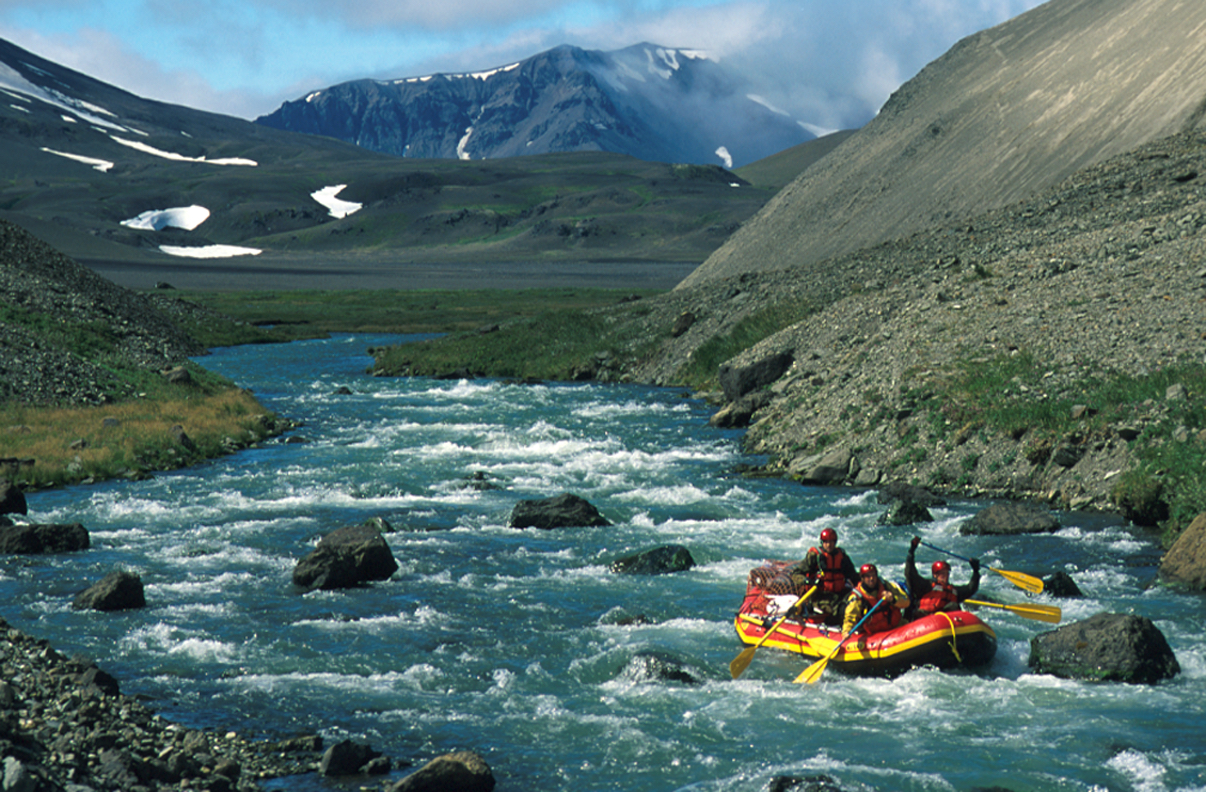
Given its remote location and challenging weather conditions, Aniakchak is one of the most wild and least visited places in the National Park System. This landscape is a vibrant reminder of Alaska's location in the volcanically active "Ring of Fire," as it is home to an impressive six mile (10 km) wide, 2,500 ft (762 m) deep caldera formed during a massive volcanic eruption 3,500 years ago.
National Preserve
Bering Land Bridge National Preserve
AK
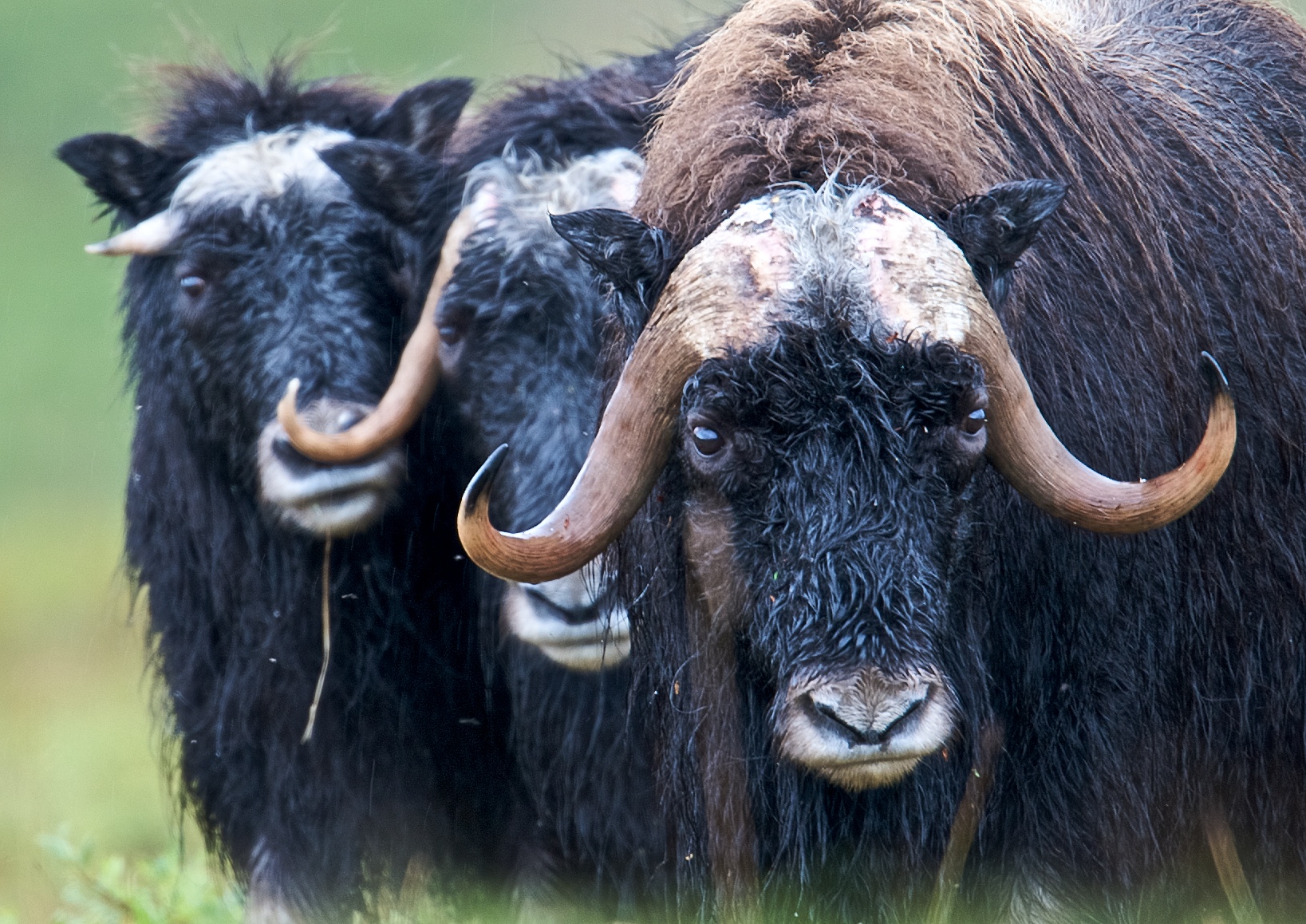
Bering Land Bridge National Preserve lies at the continental crossroad that greatly influenced the distribution of life in the Western Hemisphere during the Pleistocene Epoch. It is a vital landscape for Indigenous communities who depend on the land just as their ancestors did for many generations. It is a wild and ecologically healthy landscape unlike any other.

National Monument
Cape Krusenstern National Monument
AK
A bridge to the past and a land for the future, Cape Krusenstern National Monument protects approximately 560,000 acres of diverse Arctic coastal, and upland ecosystems. Inhabited by the Iñupiaq people since time-immemorial, over 5,000 years of sequential human use is documented in the 114 successive beach ridges. Rich connections to the land and waters are preserved through subsistence practices.

NPS Site
Capitol Hill Parks
DC
The Capitol Hill Parks include several park areas east of the U.S. Capitol. Included in this group are Folger, Lincoln, Stanton, and Marion Parks, the Eastern Market and Potomac Avenue Metro stations, and several smaller land parcels such as Seward Square, Twining Square, the Maryland Avenue Triangles, the Pennsylvania Avenue Medians, and 59 inner-city triangles and squares.
National Park
Death Valley National Park
CA,NV
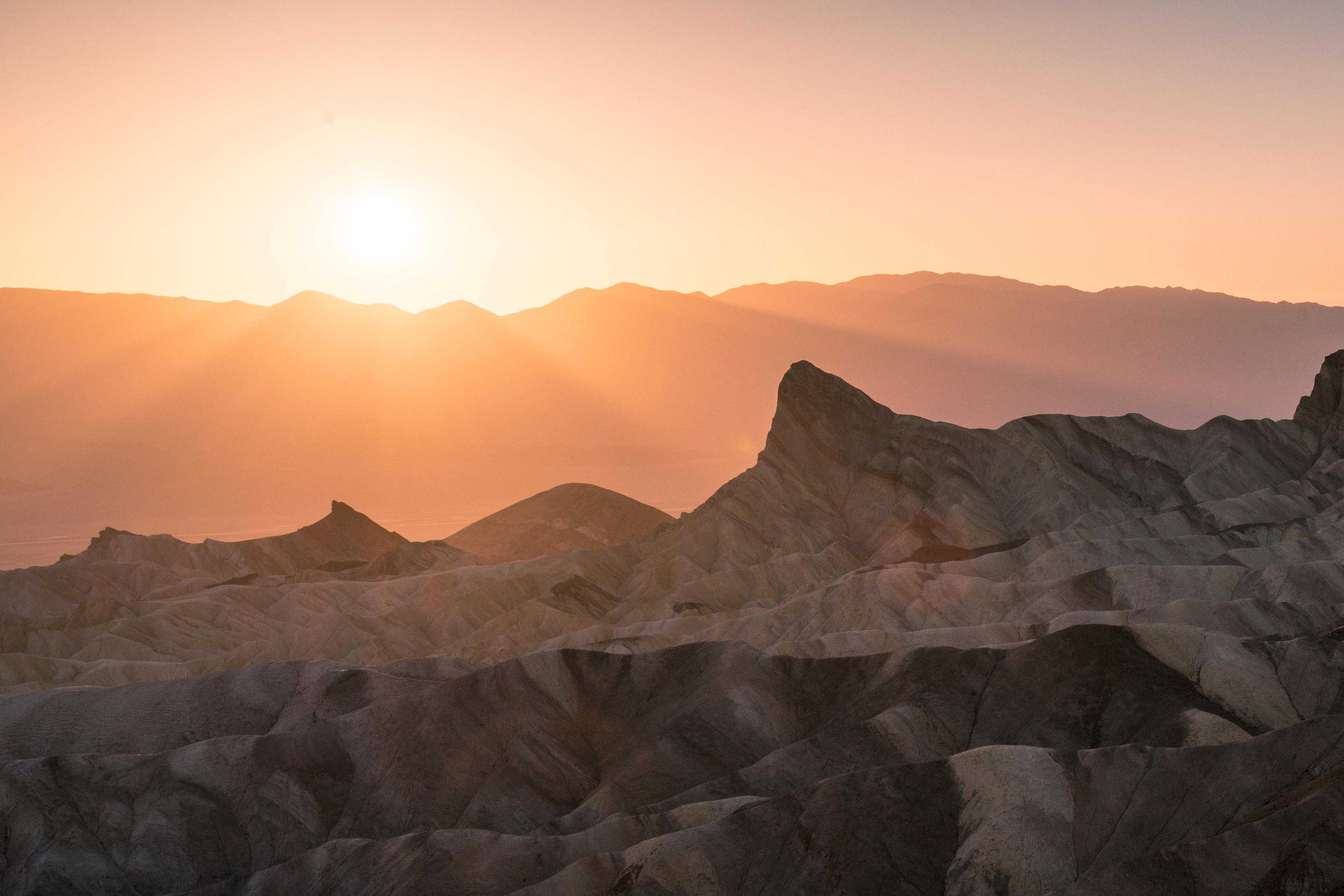
In this below-sea-level basin, steady drought and record summer heat make Death Valley a land of extremes. Yet, each extreme has a striking contrast. Towering peaks are frosted with winter snow. Rare rainstorms bring vast fields of wildflowers. Lush oases harbor tiny fish and refuge for wildlife and humans. Despite its morbid name, a great diversity of life thrives in Death Valley.
National Park & Preserve
Denali National Park & Preserve
AK
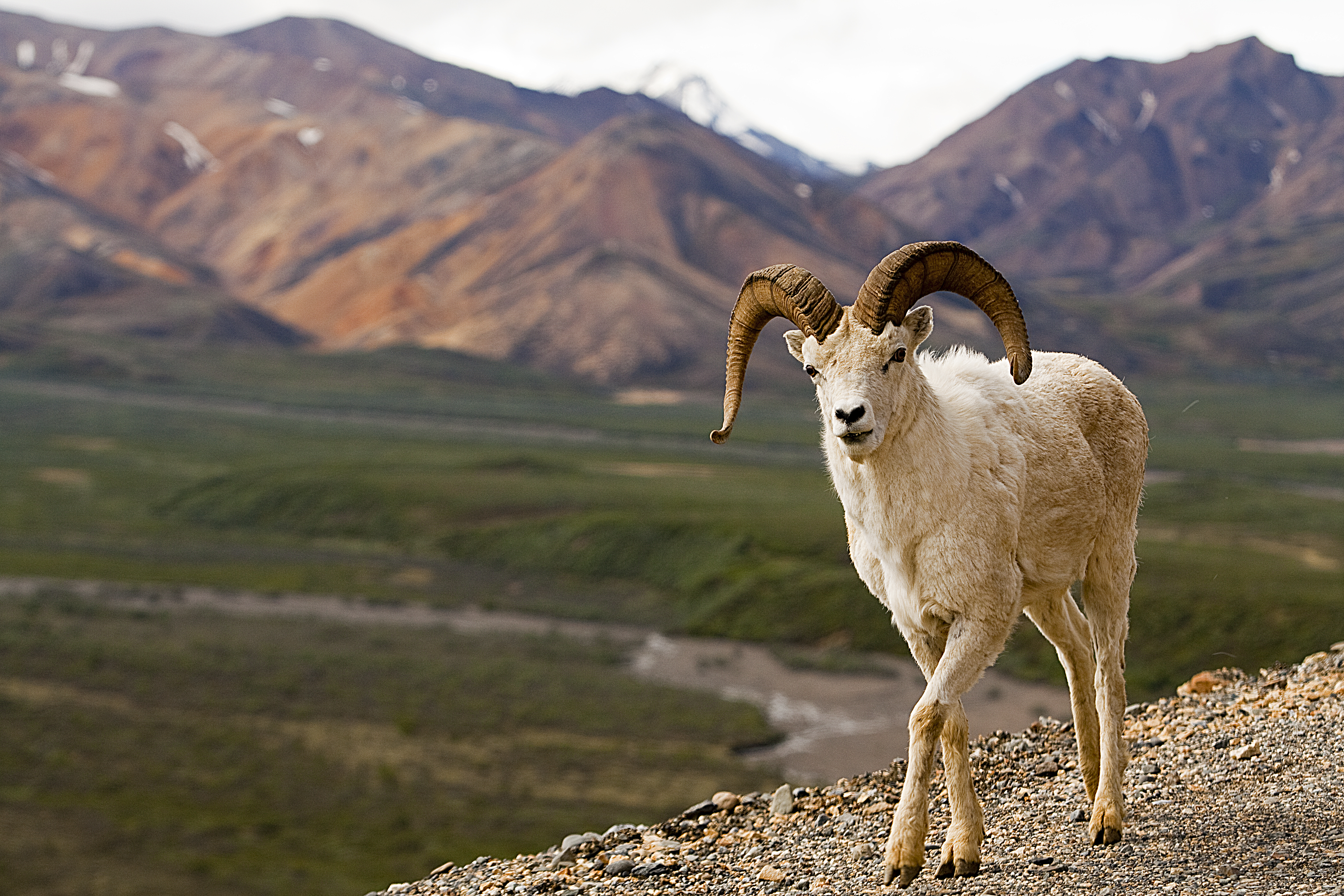
Denali is six million acres of wild land, bisected by one ribbon of road. Travelers along it see the relatively low-elevation taiga forest give way to high alpine tundra and snowy mountains, culminating in North America's tallest peak, 20,310' Mount McKinley. Wild animals large and small roam un-fenced lands, living as they have for ages. Solitude, tranquility and wilderness await.
National Park & Preserve
Glacier Bay National Park & Preserve
AK
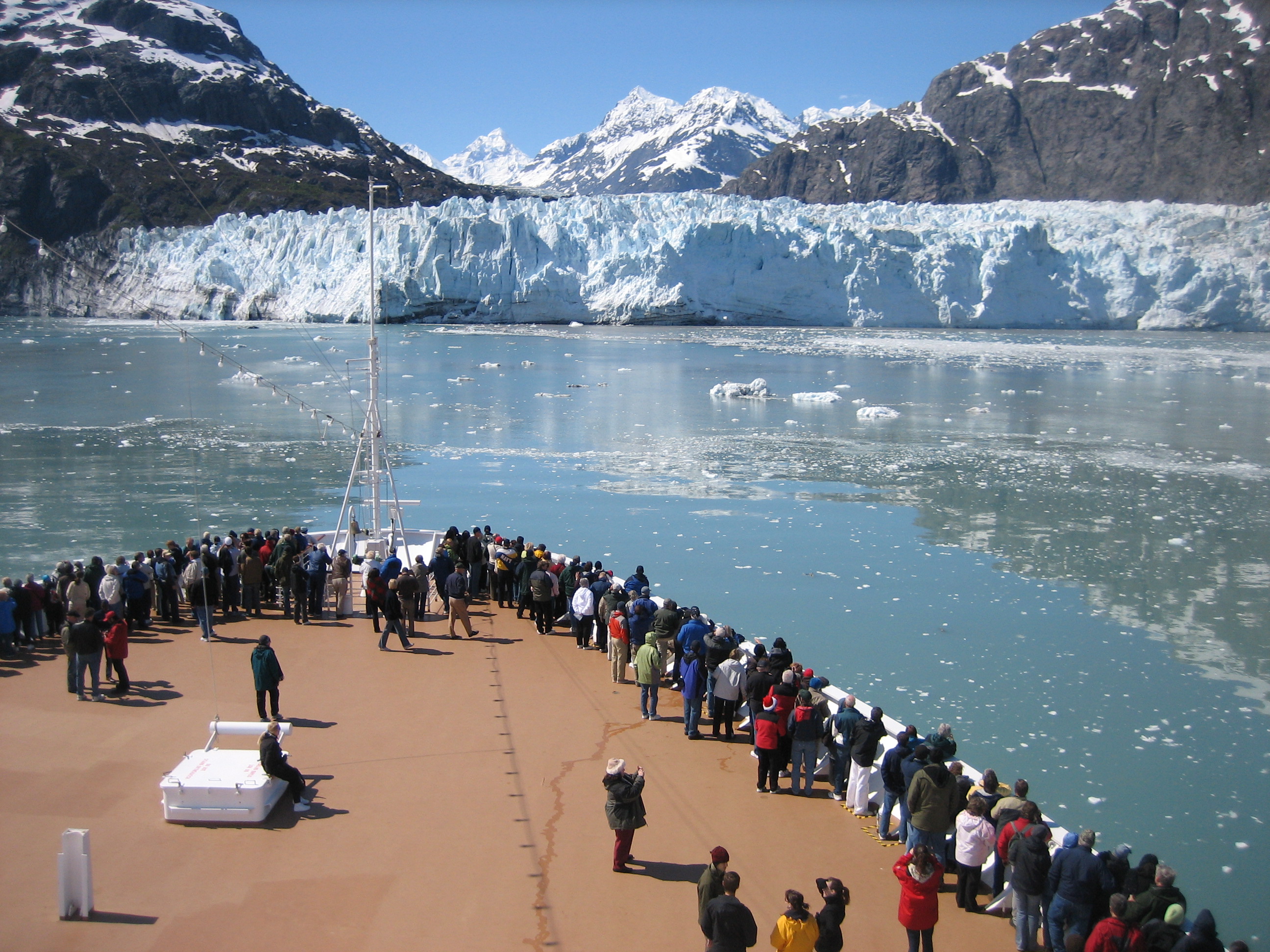
Covering 3.3 million acres of rugged mountains, dynamic glaciers, temperate rainforest, wild coastlines and deep sheltered fjords, Glacier Bay National Park and Preserve is known as Homeland to the Huna and Yakutat Lingít, and is a highlight of Alaska's Inside Passage. From sea to summit, Glacier Bay offers limitless opportunities for adventure and inspiration.
National Park
Grand Canyon National Park
AZ
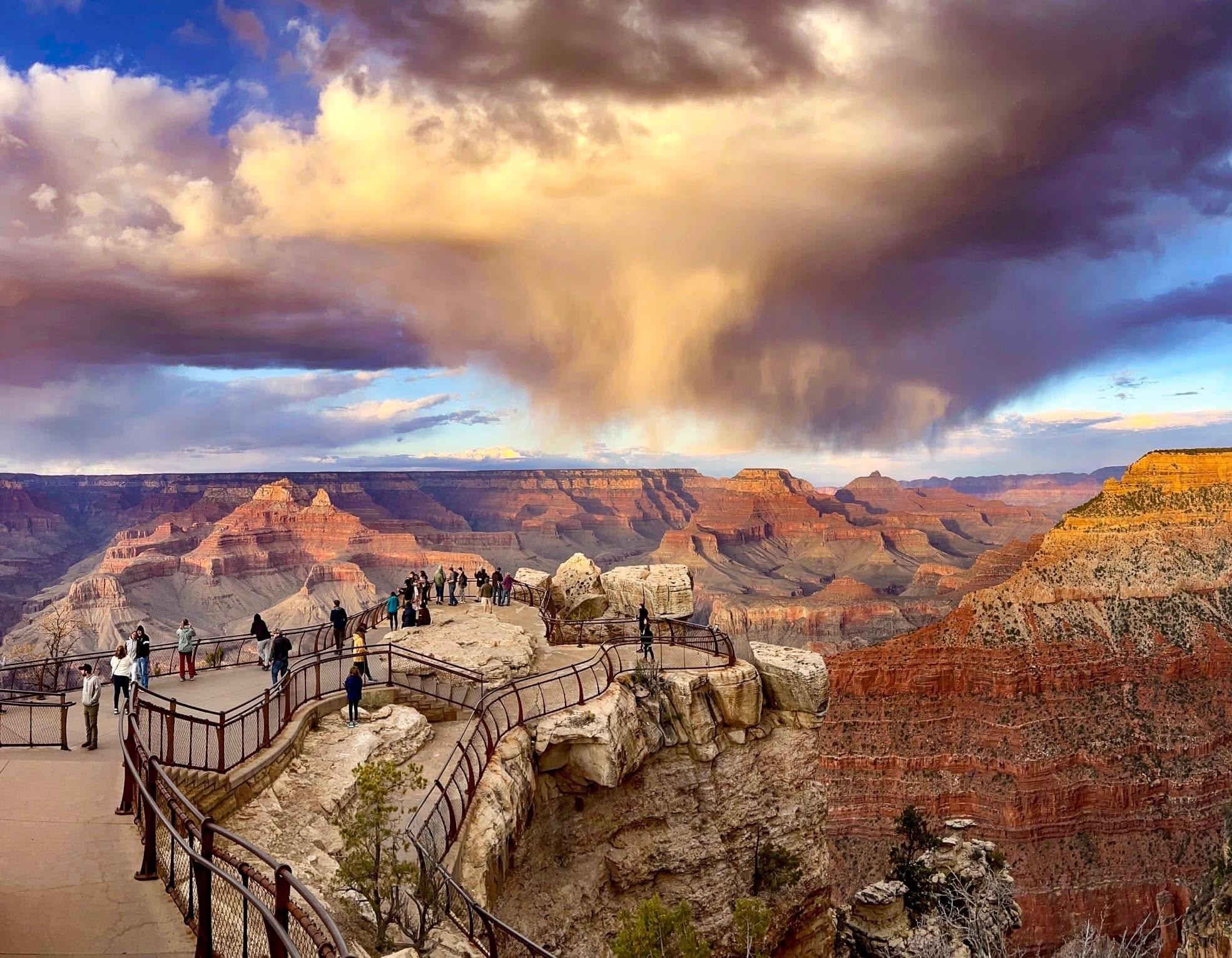
Entirely within the state of Arizona, the park encompasses 278 miles (447 km) of the Colorado River and adjacent uplands. Located on the ancestral homelands of 11 present day Tribal Communities, Grand Canyon is one of the most spectacular examples of erosion anywhere in the world—a mile deep canyon unmatched in the incomparable vistas it offers visitors from both north and south rims.
National Park
Isle Royale National Park
MI
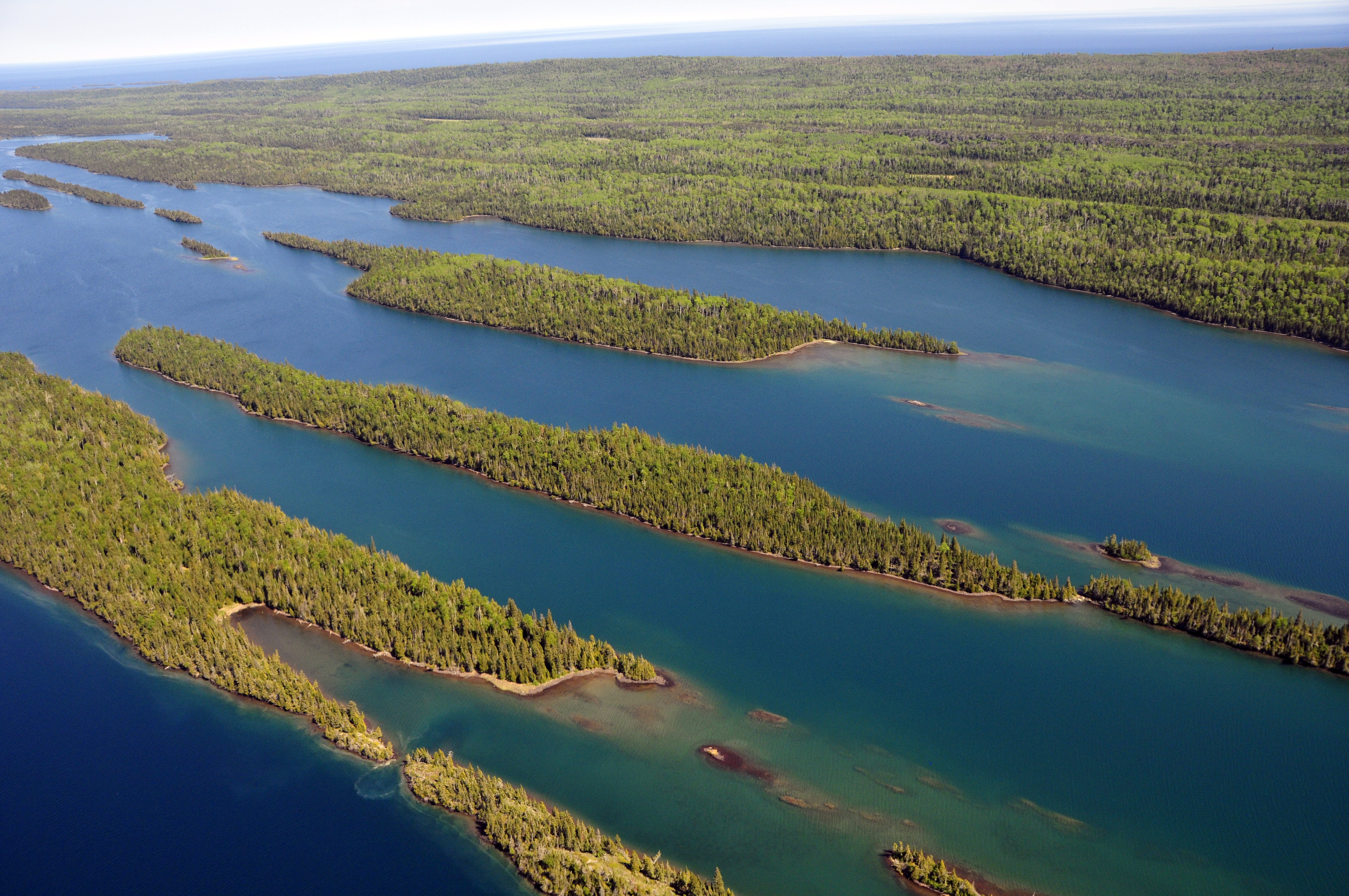
Explore a rugged, isolated island far from our connected communities. Isle Royale offers adventures for backpackers, hikers, boaters, paddlers, and divers. Cross Lake Superior and make a commitment: Become a part of this island, and let it become a part of you. Find peace and refuge in island wilderness – because Isle Royale, in turn, finds refuge in us. Help Isle Royale stay wild.
National Park & Preserve
Katmai National Park & Preserve
AK
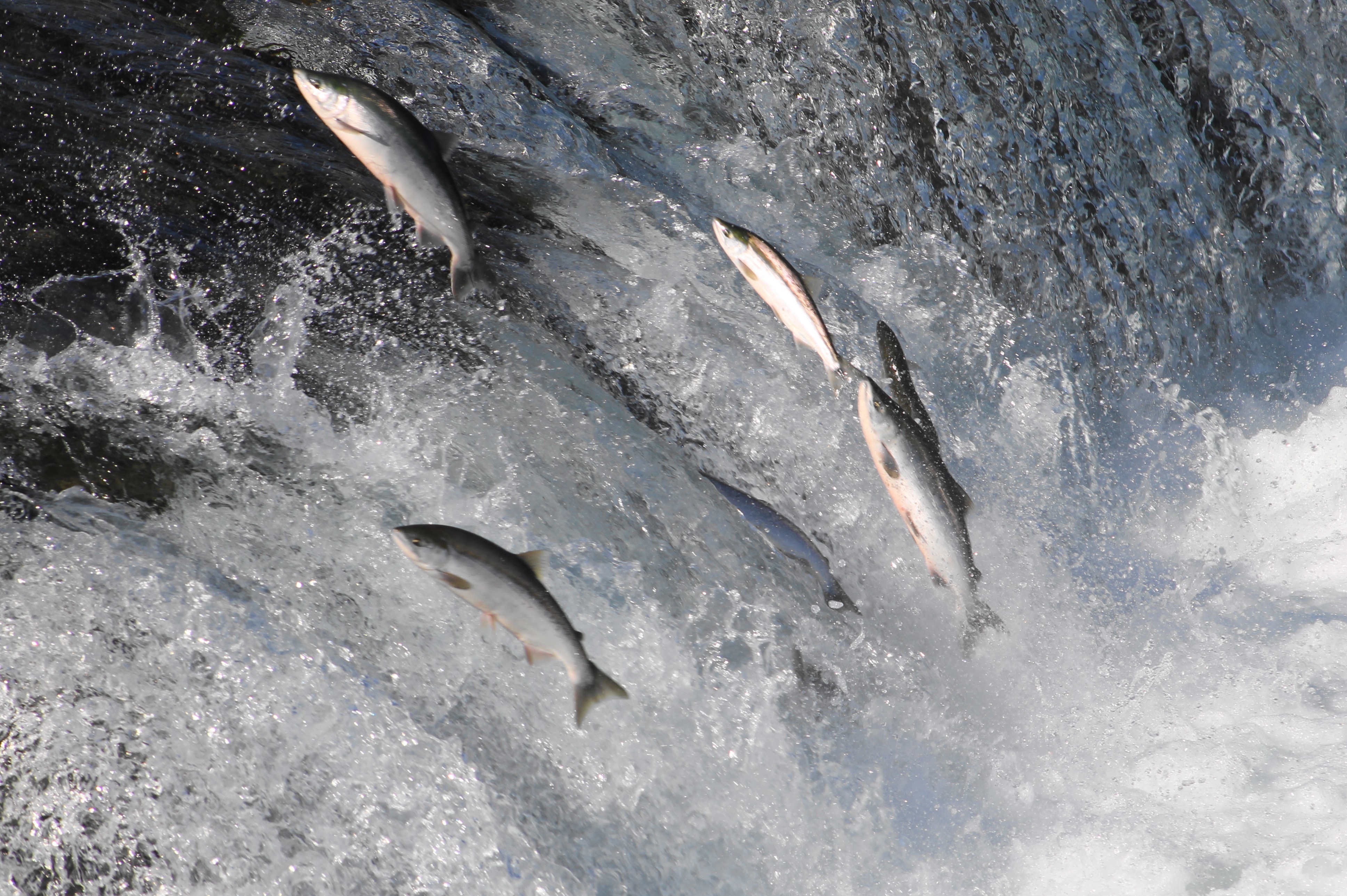
A landscape is alive underneath our feet, filled with creatures that remind us what it is to be wild. Katmai was established in 1918 to protect the volcanically devastated region surrounding Novarupta and the Valley of Ten Thousand Smokes. Today, Katmai National Park and Preserve also protects 9,000 years of human history and important habitat for salmon and thousands of brown bears.
National Park
Kenai Fjords National Park
AK
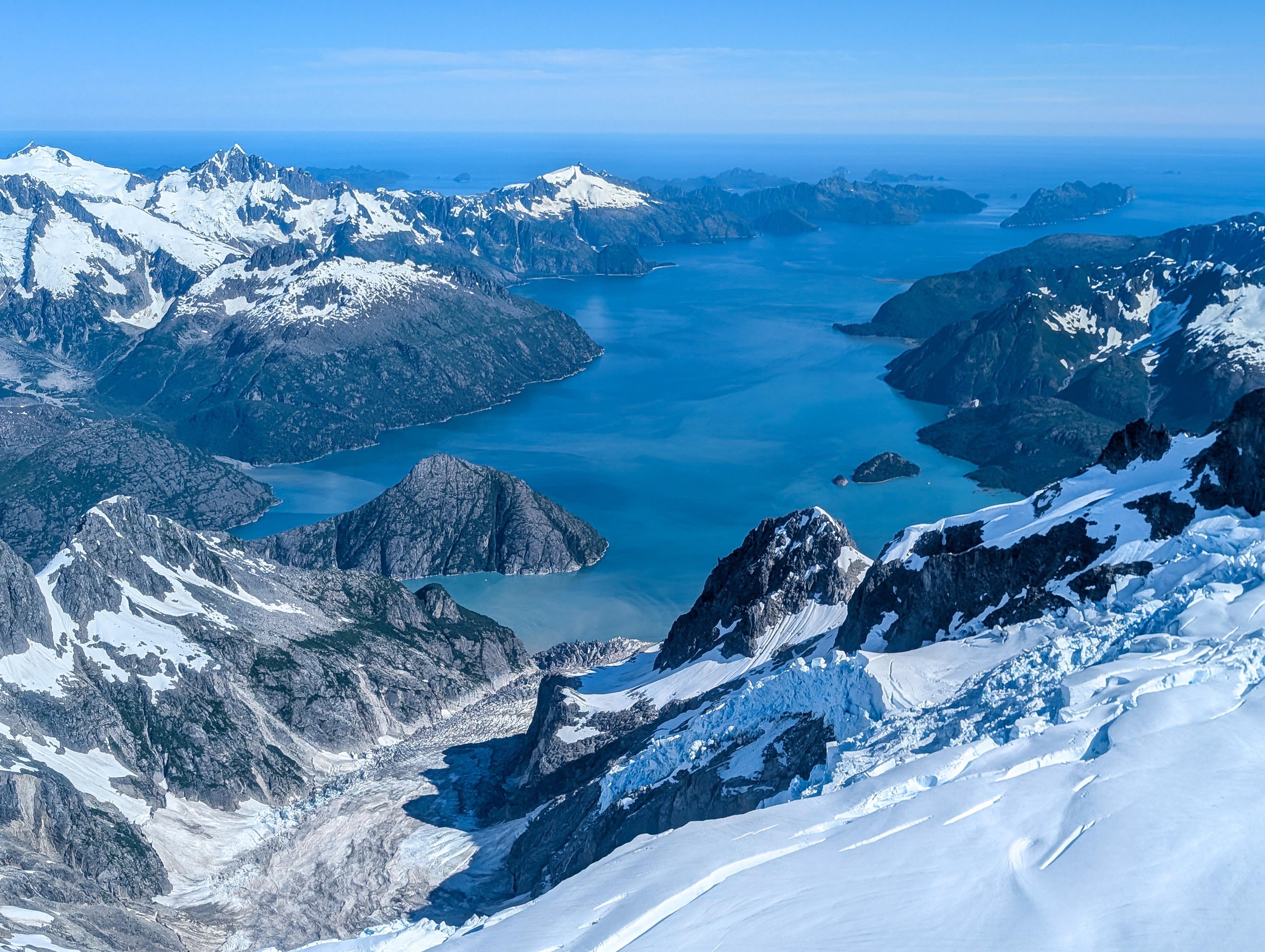
At the edge of the Kenai Peninsula lies a land where the ice age lingers. Nearly 40 glaciers flow from the Harding Icefield, Kenai Fjords' crowning feature. Wildlife thrives in icy waters and lush forests along the fjords once carved by the vast expanse of ice. Today, shrinking glaciers bear witness to the effects of our changing climate.
National Park
Kobuk Valley National Park
AK
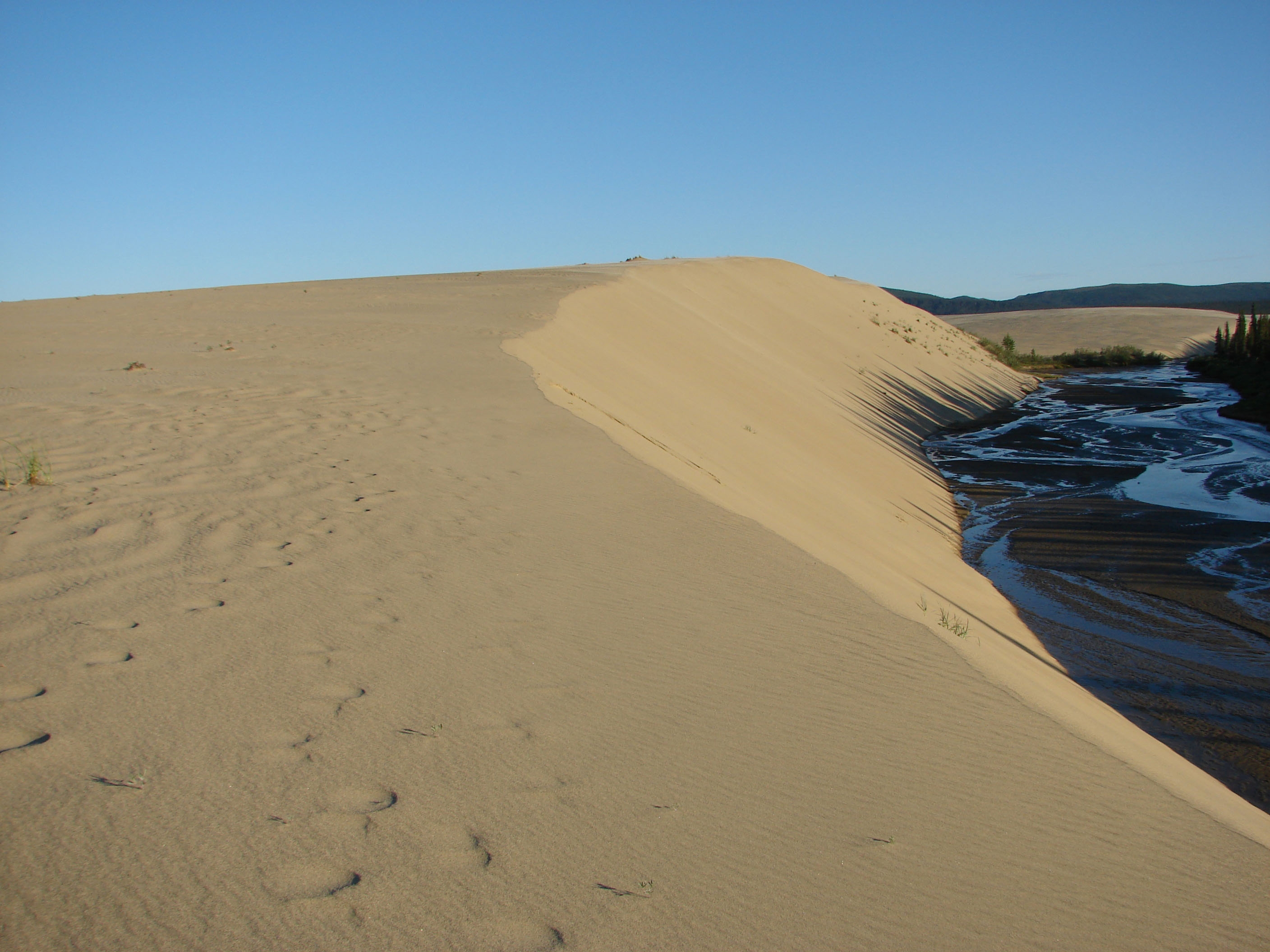
Caribou, sand dunes, the Kobuk River, Onion Portage - just some of the facets of Kobuk Valley National Park. Thousands of caribou migrate through, their tracks crisscrossing sculpted dunes. The Kobuk River is an ancient and current corridor for people and wildlife. For 9000 years, people came to Onion Portage to harvest caribou as they swam the river. Even today, that rich tradition continues.
Showing 1–12 of 17 parks