Loading parks…
Horse Trekking
Horse Trekking is an official activity category in the National Park Service directory. Parks tag their programs, trails, and experiences with this label so visitors can find relevant opportunities. The NPS directory lists horse trekking at 88 parks and sites nationwide. Compare destinations below, filter to national parks only, and open any park page for trails, alerts, campgrounds, and trip pla…
88 parks and sites (NPS)
Featured parks for horse trekking
Upcoming events
Upcoming programs and events at parks in this collection (from the NPS Events API).
Guided Tours
Nov 8
Chesapeake & Ohio Canal National Historical Park
Guided Tours of Riley's Lockhouse
Explore the life of a lockkeeper and family in the 1870's time period with a guided tour of one of the C&O Canal's original lockhouses. Girl Scouts offer free tours of the lockhouse and grounds at Lock 24. In addition, there may be various Victorian demonstrations such as laundry, cider pressing, making lemonade, churning butter or ice cream and more. Visitors are welcome to participate in the activities and taste the results. Open every Saturday and Sunday 1pm-4pm, March 21 st through July 12 th and August 16 th through December 12 th . The lockhouse will be closed for bad weather.
01:00 PM - 04:00 PM
Chesapeake & Ohio Canal National Historical Park
Ranger Programs
Nov 8
Bryce Canyon National Park
Geology Ranger Talk
Come join a Ranger near Sunset Point and learn about the geology of Bryce Canyon. Program typically lasts 20 minutes. Wheelchair accessible. This event will be cancelled in the event of thunderstorms, low wind chill, or staffing shortages . Confirm with rangers at the visitor center the day of the talk.
11:00 AM - 11:30 AM
Ranger Talk alcove to right of Sunset Point.
Ranger Programs
Nov 8
Bryce Canyon National Park
Visitor Center Ranger Talk
Join a Ranger at the Visitor Center, either outside on the Plaza or in the exhibit area, for a talk on a topic of the ranger's choosing, covering natural, cultural, or historical resources related to Bryce Canyon NP. Check with the visitor center front desk for location. Typically, weather will dictate location. Wheelchair Accessible. Program subject to cancellation due to staffing.
02:00 PM - 02:30 PM
Outside the Visitor Center on the Plaza, or in the exhibit area inside the Visitor Center.
Special Events
Nov 11
Ranger Programs
Nov 13
Big South Fork National River & Recreation Area
Night Sky Program at Blue Heron
Come out and enjoy the night sky at the Blue Heron Outdoor Museum on Fri, Nov 13 from 7:00-8:30 PM. Park rangers will have telescopes deployed and assist visitors with viewing stars, constellations, and other night sky objects. Younger visitors will also enjoy the opportunity to search for glowing plants and animals with UV flashlights.
07:00 PM - 08:30 PM
Blue Heron Outdoor Museum is located at the Mine 18 Rd in Kentucky.
Ranger Programs
Nov 13
Big South Fork National River & Recreation Area
Ranger Led Program: Longhunters of Big South Fork
Did you know that many places in Big South Fork NRRA were named by Longhunters in the 1700’s? Station Camp was one such site and served as a base camp (called a station) for hunters to prepare supplies and process deer hides. Join a Ranger for an interesting look into Big South Fork history and the struggles and rewards of the Longhunters on Friday, November 14, at 1pm ET at the Station Camp Campground campfire circle. Campground is located at the on Station Camp Road from HWY 297 Coopertown Road in TN.
01:00 PM - 02:00 PM
Campground is located at the on Station Camp Road from HWY 297 Coopertown Road in TN.
Ranger Programs
Nov 14
Big South Fork National River & Recreation Area
Ranger-led demonstration: Appalachian Rag Dolls
Come stitch together a little piece of history at the Crossville Visitor Center! Step back in time to experience the tradition of rag doll making! On Saturday, November 14, join a park ranger at the Crossville Visitor Center for a hands-on demonstration celebrating the cherished Appalachian craft. This hands-on demonstration for kids and the young at heart will be available anytime between 11 am and 1 pm (Central Time). Crossville Visitor Center is located at 176 River Otter Drive Dr, Crossville, TN. Worth 5 GO BIG Points. To learn more about the GO BIG 2026 Challenge, go to Big South Fork GO BIG Challenge - Big South Fork National River & Recreation Area (U.S. National Park Service)
11:00 AM - 01:00 PM
Crossville Visitor Center is located at 3002 Northside Dr, Crossville, TN
Ranger Programs
Nov 14
Chesapeake & Ohio Canal National Historical Park
Sit and Stitch with a Ranger
Come join our needlework circle at the Great Falls Tavern Visitor Center and participate in a popular 19 th century, canal era pastime! Bring your own knitting, crochet, or embroidery project, or start a new one. Limited supplies will also be available to use. Learn how different forms of needlework came to the region, how they have served as a tool for empowerment, and how needlework pieces left behind help us unravel threads of the past!
01:00 PM - 03:00 PM
Great Falls Tavern Visitor Center in Potomac, MD
Guided Tours
Nov 14
Chesapeake & Ohio Canal National Historical Park
What's For Dinner? @ Cushwa Basin
What’s for Dinner? It took five to seven days for the typical canal freight boat to navigate from Cumberland, MD, downstream to Georgetown in Washington, D.C. What did the crew members prepare and serve for meals along the way? Join us at Cushwa Basin Visitor Center and Volunteer Lowell recreates boatman's soup! Several people who worked on canal freight boats in their younger years were interviewed for “Home on the Canal,” by Elizabeth Kytle (1983). Others were interviewed by Mike Mastrangelo who authored a 1987 historical pamphlet about Four Locks. Here are some memories the boaters shared: One person who served as crew on canal boats remembered eating “fried chicken, fish, coffee…anything at all.” Another remembers his brother being able to cook almost anything like “biscuits and whatever was in season by way of vegetables.” Another recalls her family would start in Williamsport and head for Cumberland to get a load of coal. They would stop in Hancock where her dad would walk up to a meat market to get a piece of meat to fry and also bananas because his daughters (his crew) “were crazy about bananas.” She also remembers her mother’s slippery pot pie. Still another crew member recollects fishing in the canal for carp and bass and netting snapping turtle to fry the meat or make turtle soup. Another boater remembers that the cured hams from a store at Four Locks were “the best around.” Cured ham was popular with boaters because it didn’t have to be refrigerated. Most of these people mentioned boatman’s bean soup! Where did people who spent most of the boating season on board a freight boat get their food? There were a few stores built right over the bypass flume at canal locks; boat crew could step off their boat and be in the store while their boat was being “locked through.” Many lockkeeper families grew extra vegetables; made baked goods; or had extra eggs which could be sold to boat crew passing by. Of course, there were stores in Canal towns like Williamsport, where canallers could stock up. When starting out, many boaters would take a basket of food to their boat from home.
10:00 AM - 02:00 PM
This program will take place at Cushwa Basin Visitor Center Picnic Area. Due to weather conditions, we may change locations to inside the Trolley Barn. Please check day of at visitor center for exact location.
Ranger Programs
Nov 21
Big South Fork National River & Recreation Area
Ranger Led Program: Homestead Harvest
How did early homesteaders prepare for winter and celebrate the harvest? Join park staff on Saturday, Nov 21 at 2:00 PM at Oscar Blevins Farmstead to learn about Cumberland Plateau homestead fall traditions. The Oscar Blevins Loop Trail starts at the Bandy Creek Trailhead and is an easy 4-mile loop hike or a section hike of 2 miles to the farm site. Worth 9 GO BIG Points. To learn more about the GO BIG 2026 Challenge, go to https://www.nps.gov/biso/planyourvisit/big-south-fork-go-big-challenge.htm .
02:00 PM - 03:00 PM
The Oscar Blevins Loop Trail starts at the Bandy Creek Trailhead and is an easy 4-mile loop hike or a section hike of 2 miles to the farm site.
Ranger Programs
Nov 21
Chesapeake & Ohio Canal National Historical Park
Sit and Stitch with a Ranger
Come join our needlework circle at the Great Falls Tavern Visitor Center and participate in a popular 19 th century, canal era pastime! Bring your own knitting, crochet, or embroidery project, or start a new one. Limited supplies will also be available to use. Learn how different forms of needlework came to the region, how they have served as a tool for empowerment, and how needlework pieces left behind help us unravel threads of the past!
01:00 PM - 03:00 PM
Great Falls Tavern Visitor Center in Potomac, MD
Guided Tours
Dec 6
Chesapeake & Ohio Canal National Historical Park
Abner Cloud House Tour
Built in 1801 by Abner Cloud, Jr., the house is considered one of the finest examples of Federal architecture in Washington D.C. Pre-dating the construction of the C&O Canal, the home of Abner Cloud served as the center of the family farm and fishing business. Tour the Abner Cloud House and learn more about early 19th century farming, architecture, and the people who lived and worked on the property. The three-story, stone home is operated in parntership with The Colonial Dames of America and is open for tours on the first Sunday of each month from 12:00 pm - 5:00 pm. The Abner Cloud House is located at Fletchers Cove . Admission to Fletchers Cove and the Abner Cloud House is free.
12:00 PM - 04:00 PM
4940 Canal Rd NW,
Washington, DC 20007
All parks (88)
National Park
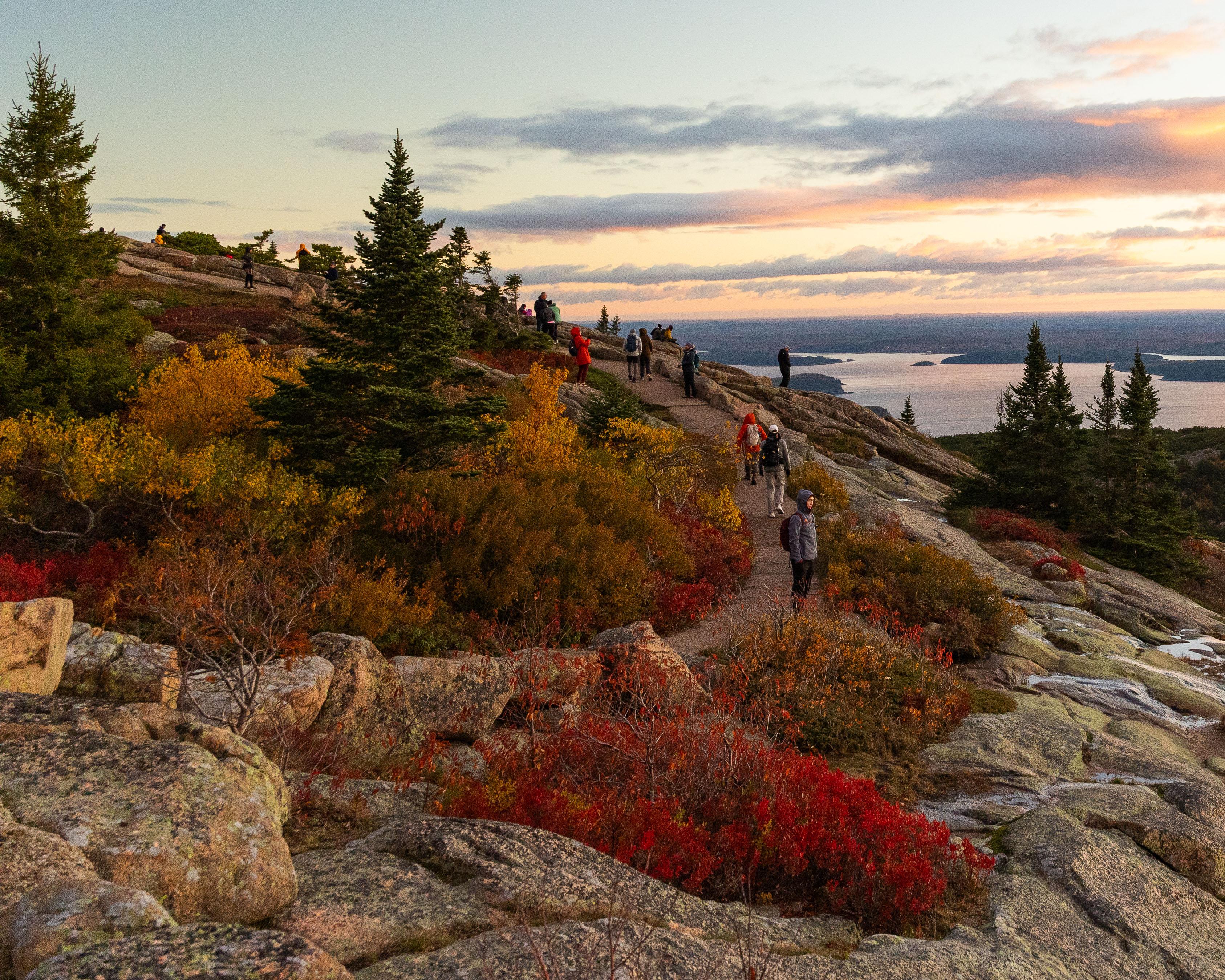
Acadia National Park
ME
Acadia National Park protects the natural beauty of the highest rocky headlands along the Atlantic coastline of the United States, an abundance of habitats, and a rich cultural heritage. At 4 million visits a year, it's one of the top 10 most-visited national parks in the United States. Visitors enjoy 27 miles of historic motor roads, 158 miles of hiking trails, and 45 miles of carriage roads.
National Park
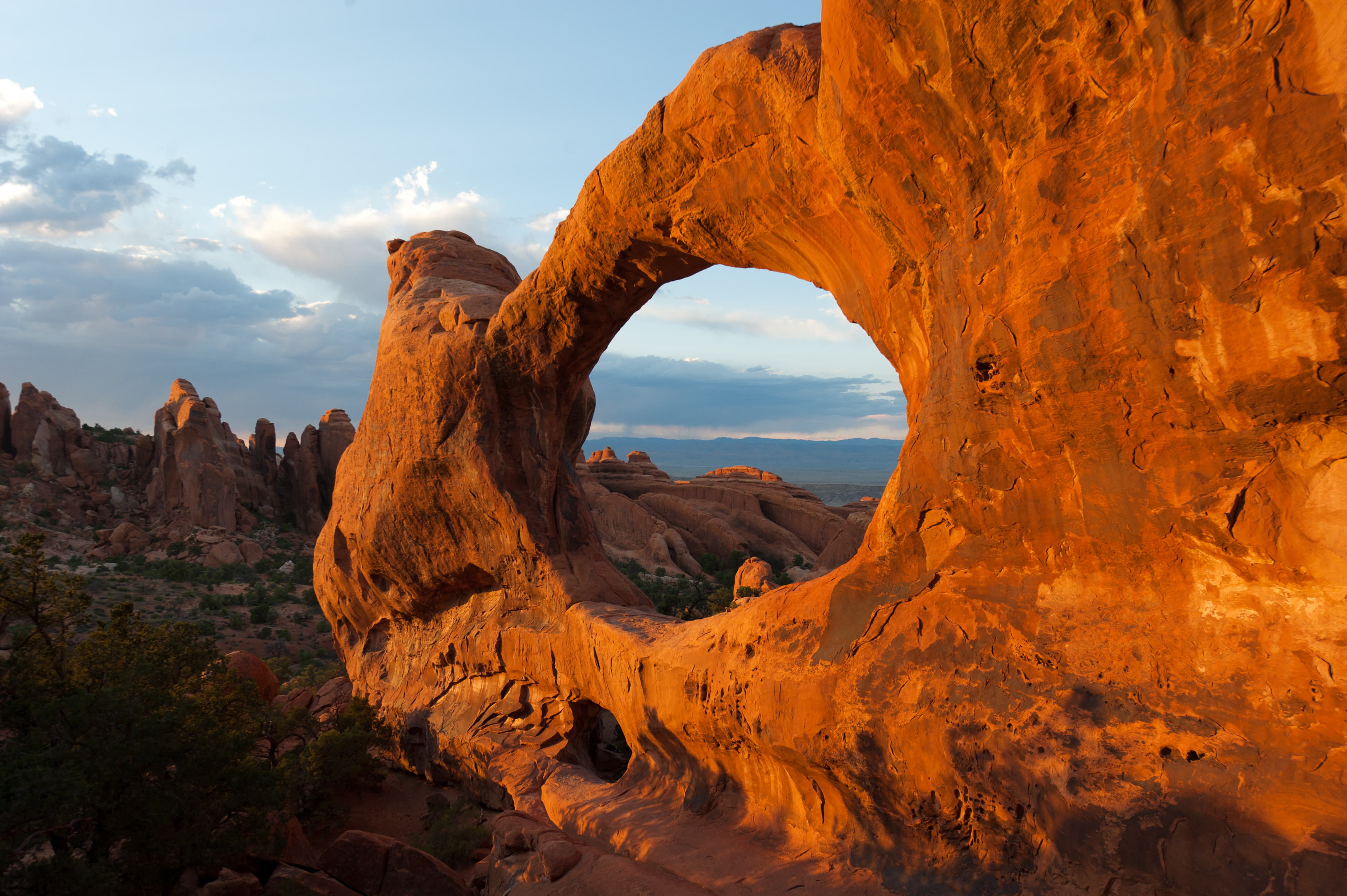
Arches National Park
UT
Discover a landscape of contrasting colors, land forms, and textures unlike any other. The park has over 2,000 natural stone arches, hundreds of soaring pinnacles, massive rock fins, and giant balanced rocks. This red-rock wonderland will amaze you with its formations, refresh you with its trails, and inspire you with its sunsets.
National Seashore
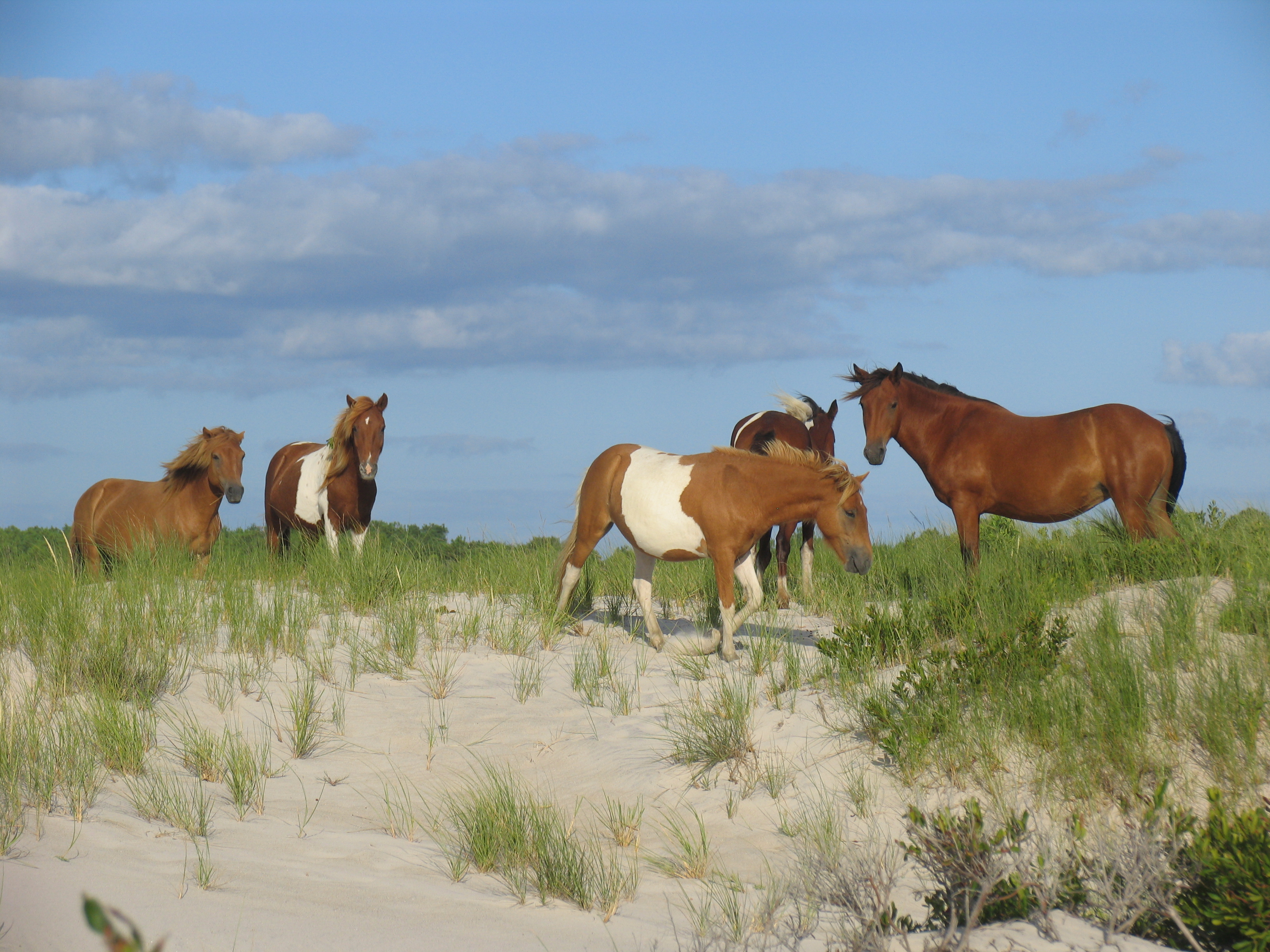
Assateague Island National Seashore
MD,VA
Want to live on the edge? Visit a place recreated each day by ocean wind and waves. Life on Assateague Island has adapted to an existence on the move. Explore sandy beaches, salt marshes, maritime forests and coastal bays. Rest, relax, recreate and enjoy some time on the edge of the continent.
National Park
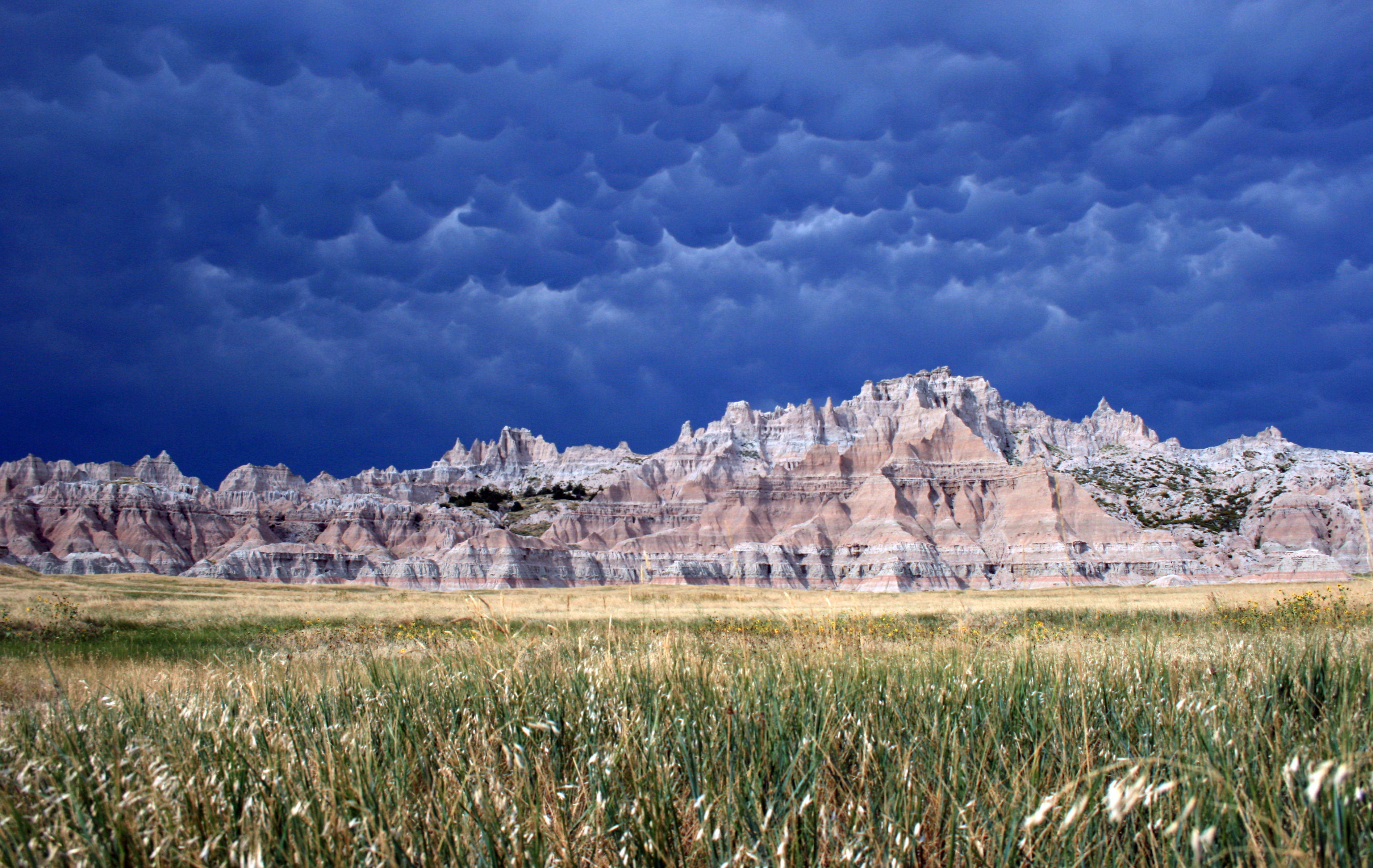
Badlands National Park
SD
The rugged beauty of the Badlands draws visitors from around the world. These striking geologic deposits contain one of the world’s richest fossil beds. Ancient horses and rhinos once roamed here. The park’s 244,000 acres protect an expanse of mixed-grass prairie where bison, bighorn sheep, prairie dogs, and black-footed ferrets live today.
National River & Recreation Area
Big South Fork National River & Recreation Area
KY,TN
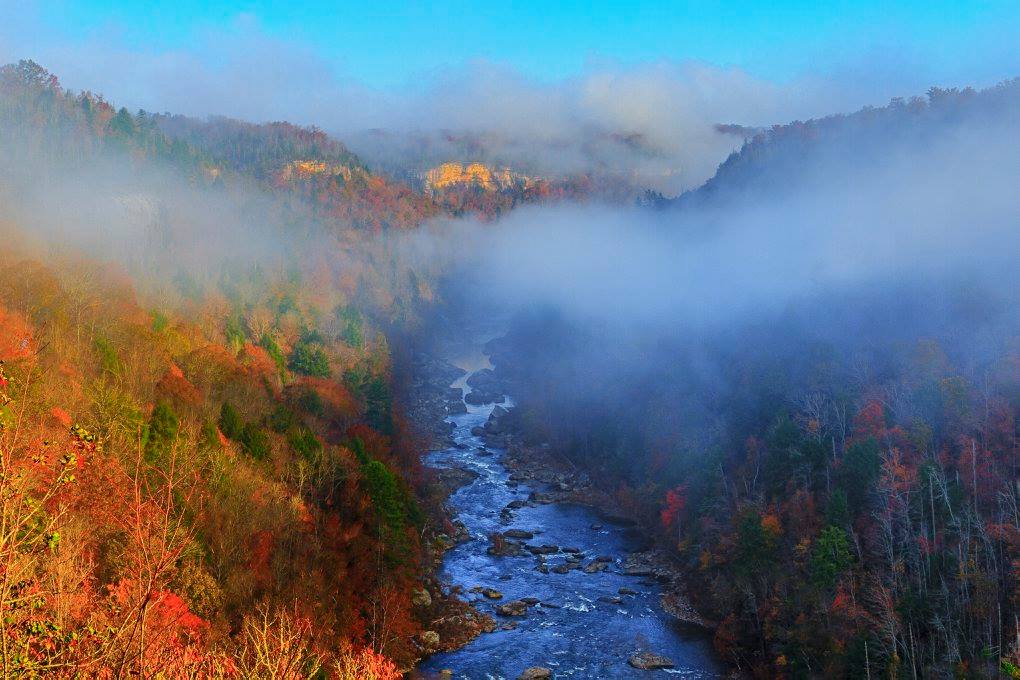
Encompassing 125,000 acres of the Cumberland Plateau, Big South Fork National River and Recreation Area protects the free-flowing Big South Fork of the Cumberland River and its tributaries. The area boasts miles of scenic gorges and sandstone bluffs, is rich with natural and historic features and has been developed to provide visitors with a wide range of outdoor recreational activities.
National Park
Black Canyon Of The Gunnison National Park
CO
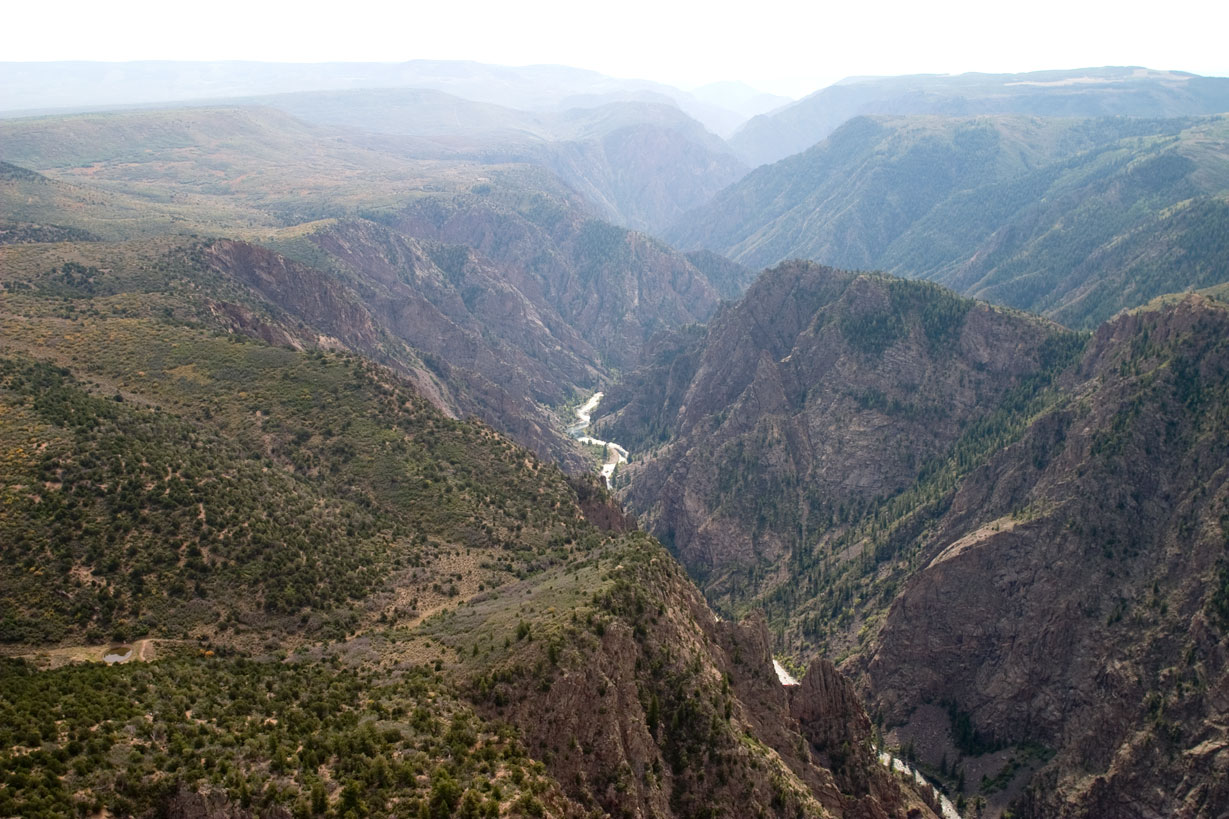
Big enough to be overwhelming, yet still intimate enough to feel the pulse of time. Come see some of the steepest cliffs, oldest rock, and craggiest spires in North America. Forces of nature and the Gunnison River sculpted this canyon over two million years. The result is a vertical wilderness of rock, water, and sky.
National Park
Bryce Canyon National Park
UT
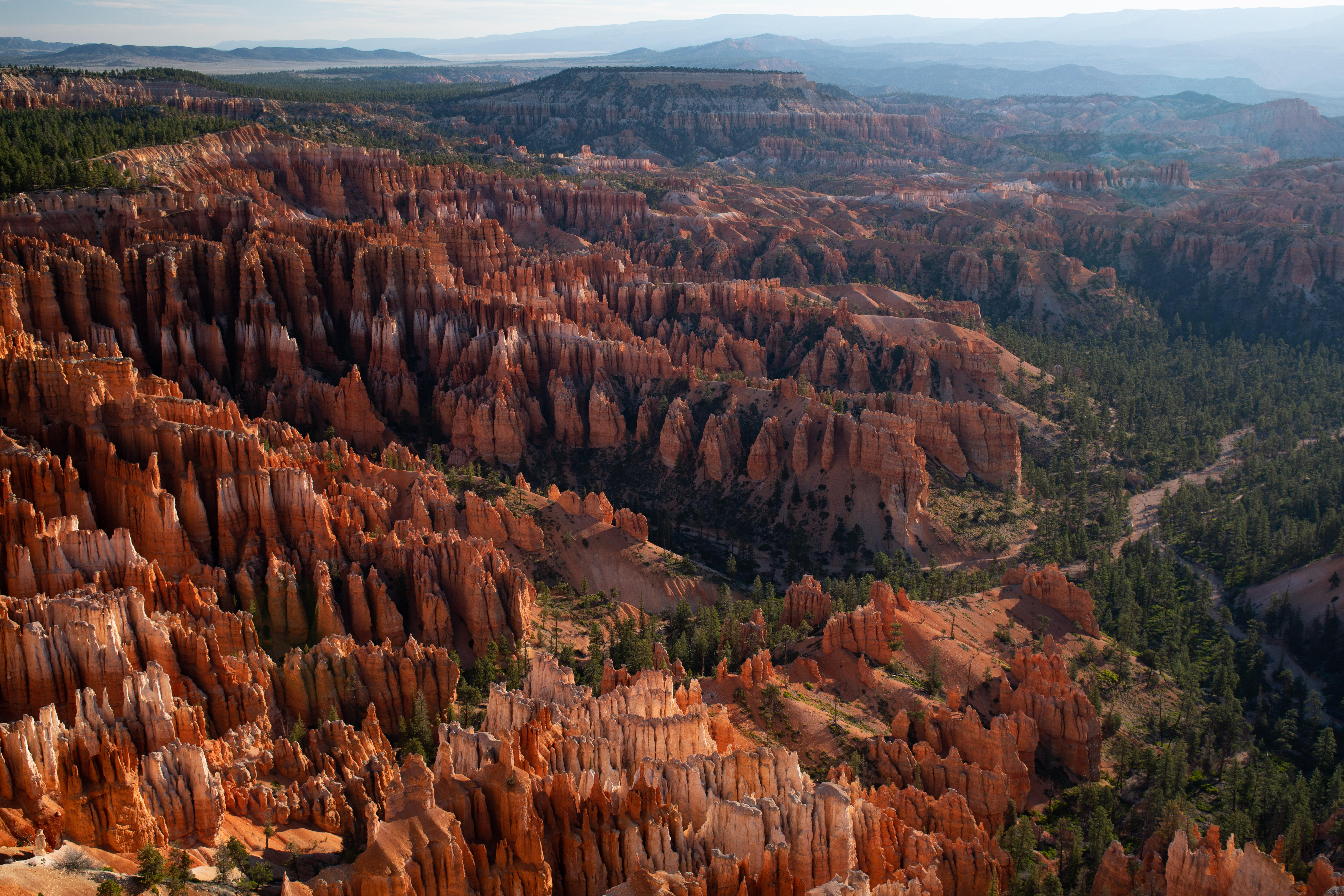
Hoodoos (irregular columns of rock) exist on every continent, but here is the largest concentration found anywhere on Earth. Situated along a high plateau at the top of the Grand Staircase, the park's high elevations include numerous life communities, fantastic dark skies, and geological wonders that defy description.
National River
Buffalo National River
AR
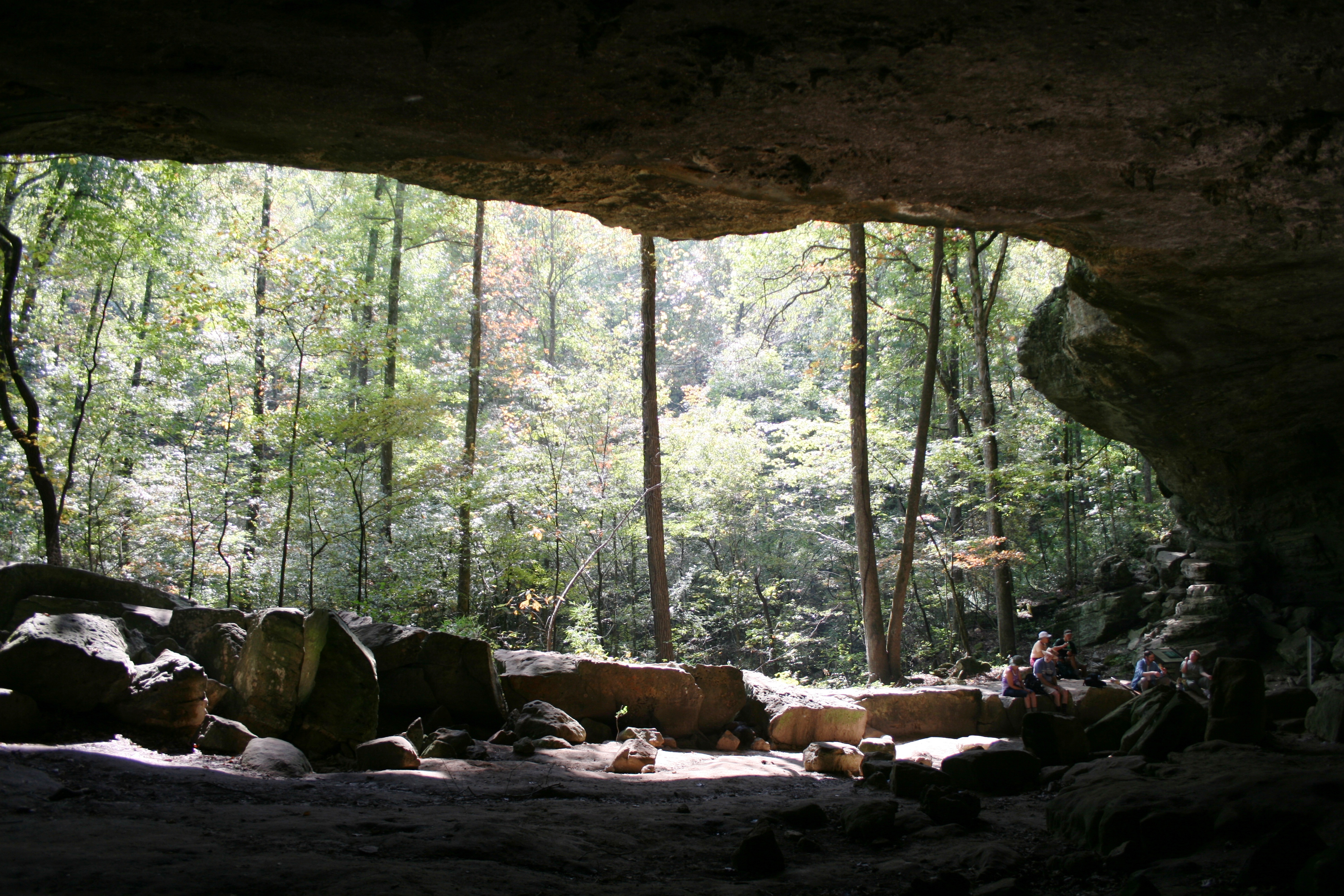
Established in 1972, Buffalo National River flows freely for 135 miles and is one of the few remaining undammed rivers in the lower 48 states. Once you arrive, prepare to journey from running rapids to quiet pools while surrounded by massive bluffs as you cruise through the Ozark Mountains down to the White River.
National Historic Trail
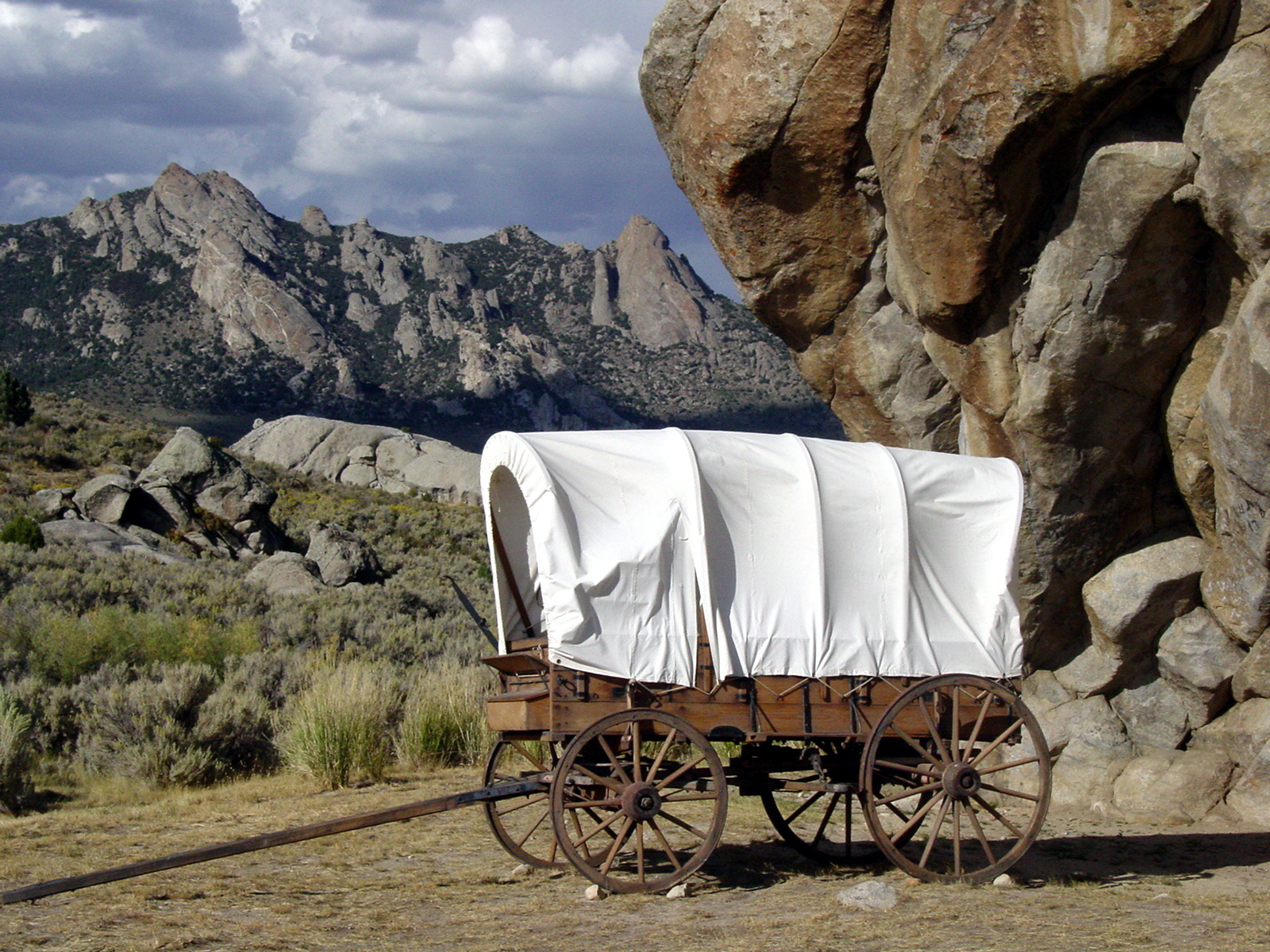
California National Historic Trail
CA,CO,ID,KS,MO,NE,NV,OR,UT,WY
Follow in the footsteps of over 250,000 emigrants who traveled to the gold fields and rich farmlands of California during the 1840s and 1850s: the greatest mass migration in American history. The California National Historic Trail is over 5,000 miles long and covers portions of 10 states. Step into history along more than 1,000 miles of ruts and traces from travelers and their overland wagons.
National Seashore
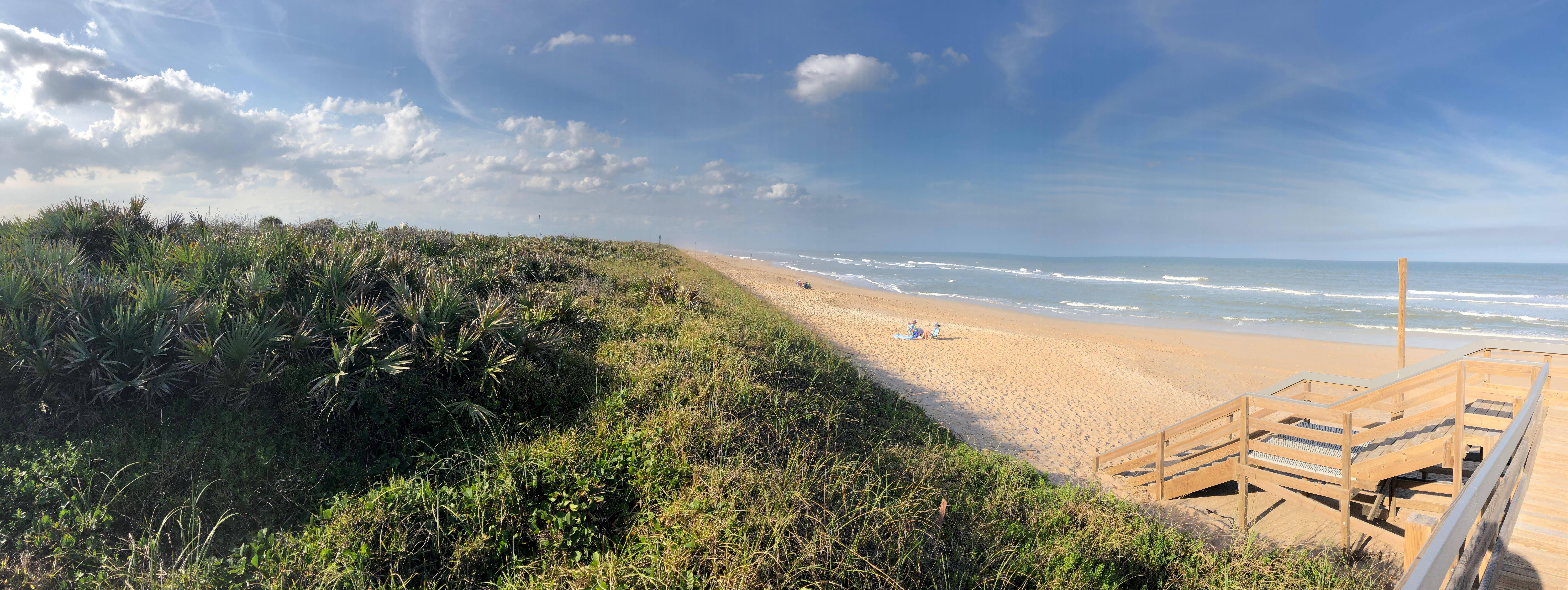
Canaveral National Seashore
FL
Discover a dynamic barrier island shaped by dunes, coastal hammocks, and Mosquito Lagoon. Walk among ancient Timucua shell mounds and connect with thousands of years of human history. Immerse yourself in a protected sanctuary where diverse plants and wildlife thrive—making Canaveral National Seashore a place where nature, history, and discovery come together.
National Park
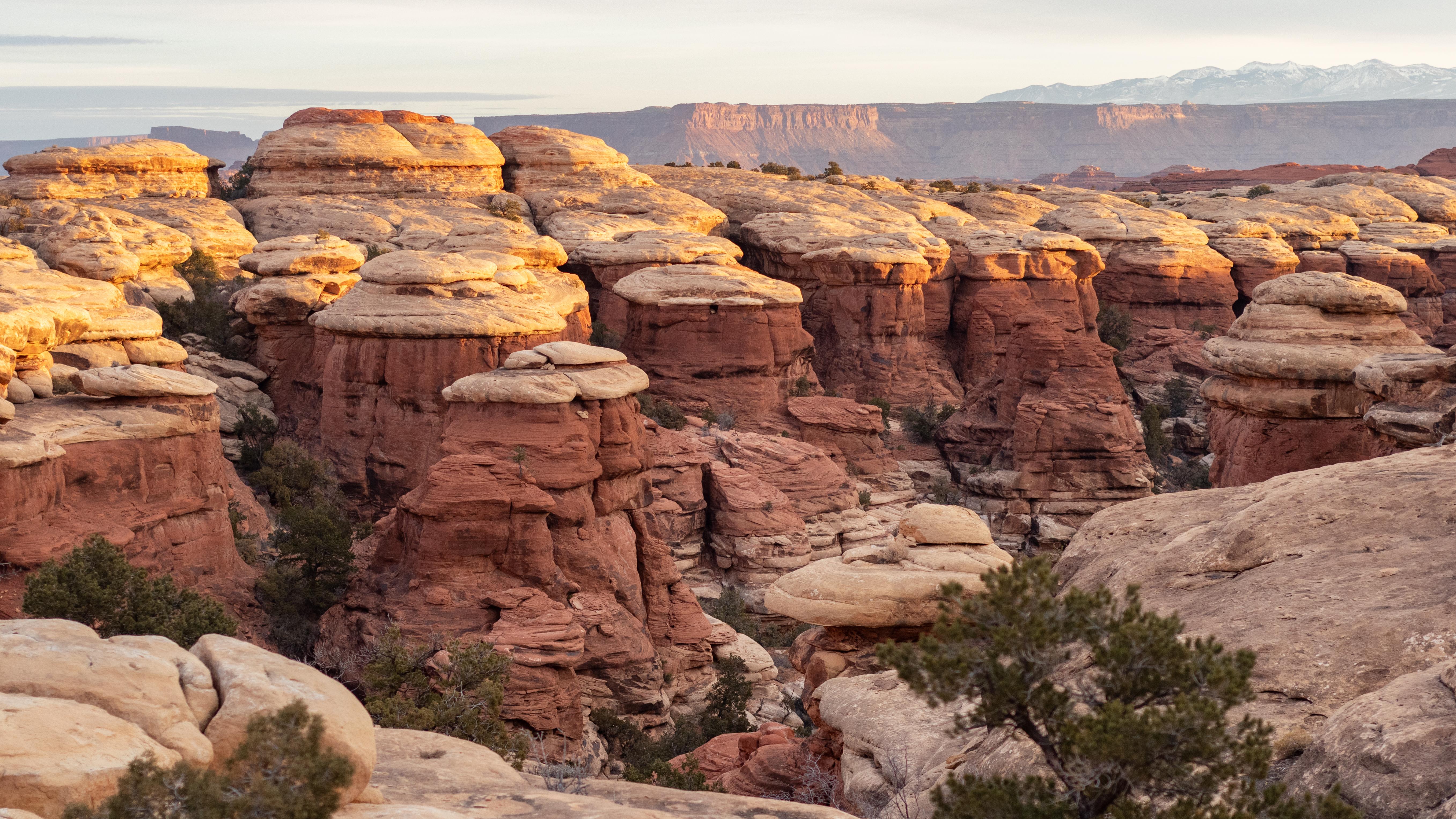
Canyonlands National Park
UT
Canyonlands is a wilderness of canyons, buttes, and spires carved by the Colorado River and Green River. The park is divided into four distinct districts; no roads join them together. The districts share similar desert ecosystems, but each one provides unique opportunities for adventure and discovery.
National Park
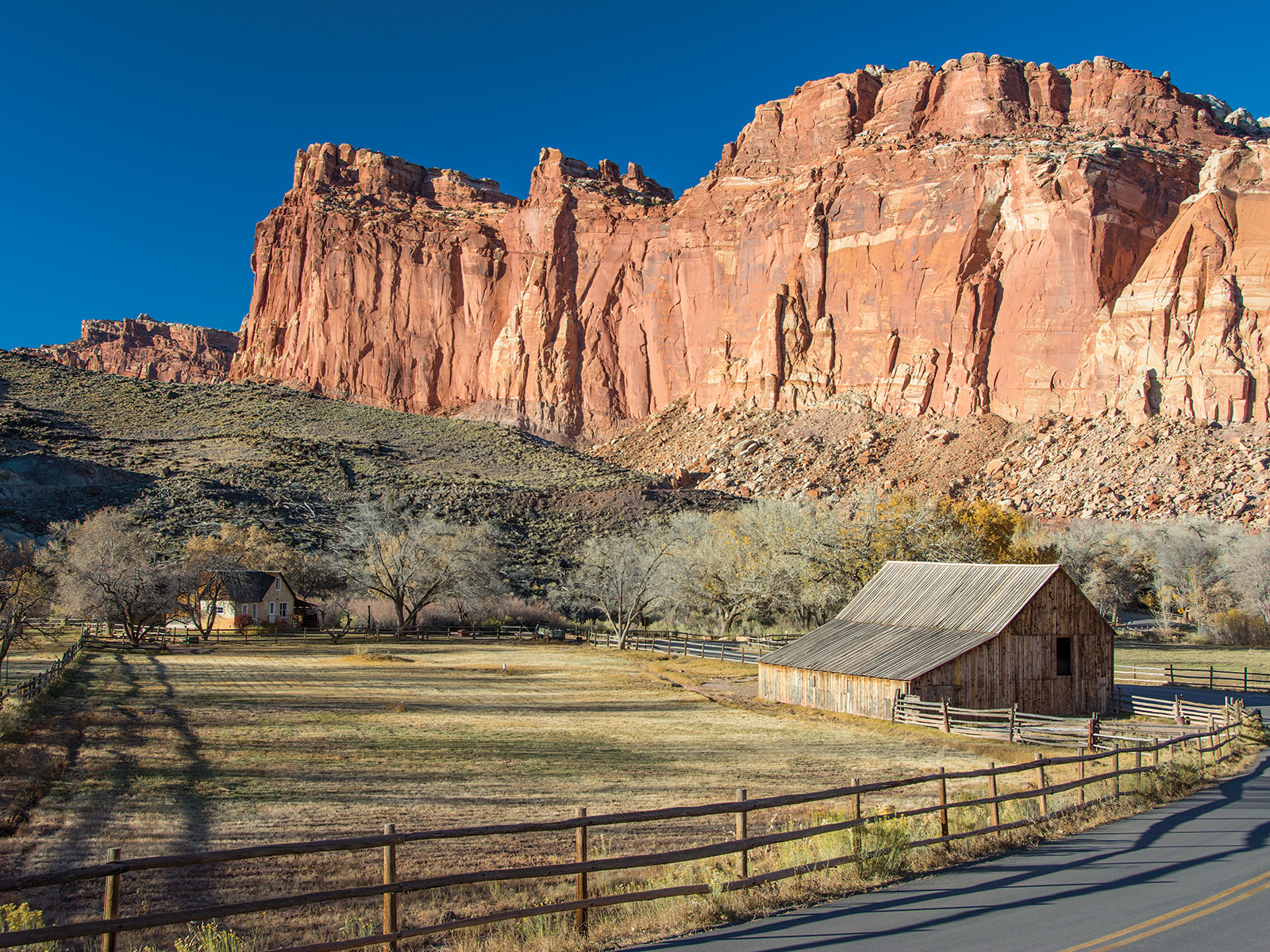
Capitol Reef National Park
UT
Located in south-central Utah in the heart of red rock country, Capitol Reef National Park is a hidden treasure filled with cliffs, canyons, domes, and bridges in the Waterpocket Fold, a geologic monocline (a wrinkle on the earth) extending almost 100 miles.
Showing 1–12 of 88 parks
…