Explore Denali's Winter Trails
Denali National Park & Preserve
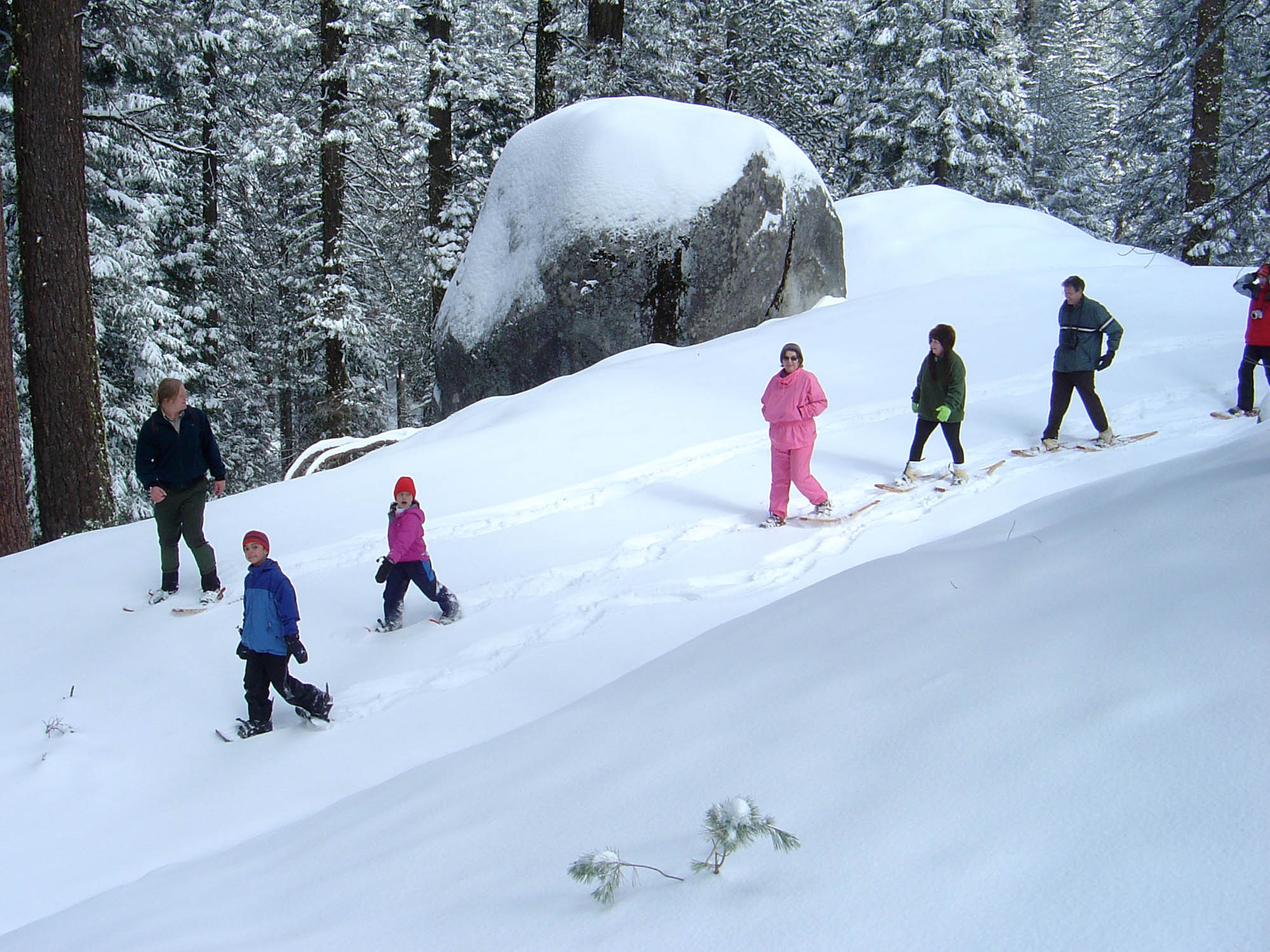
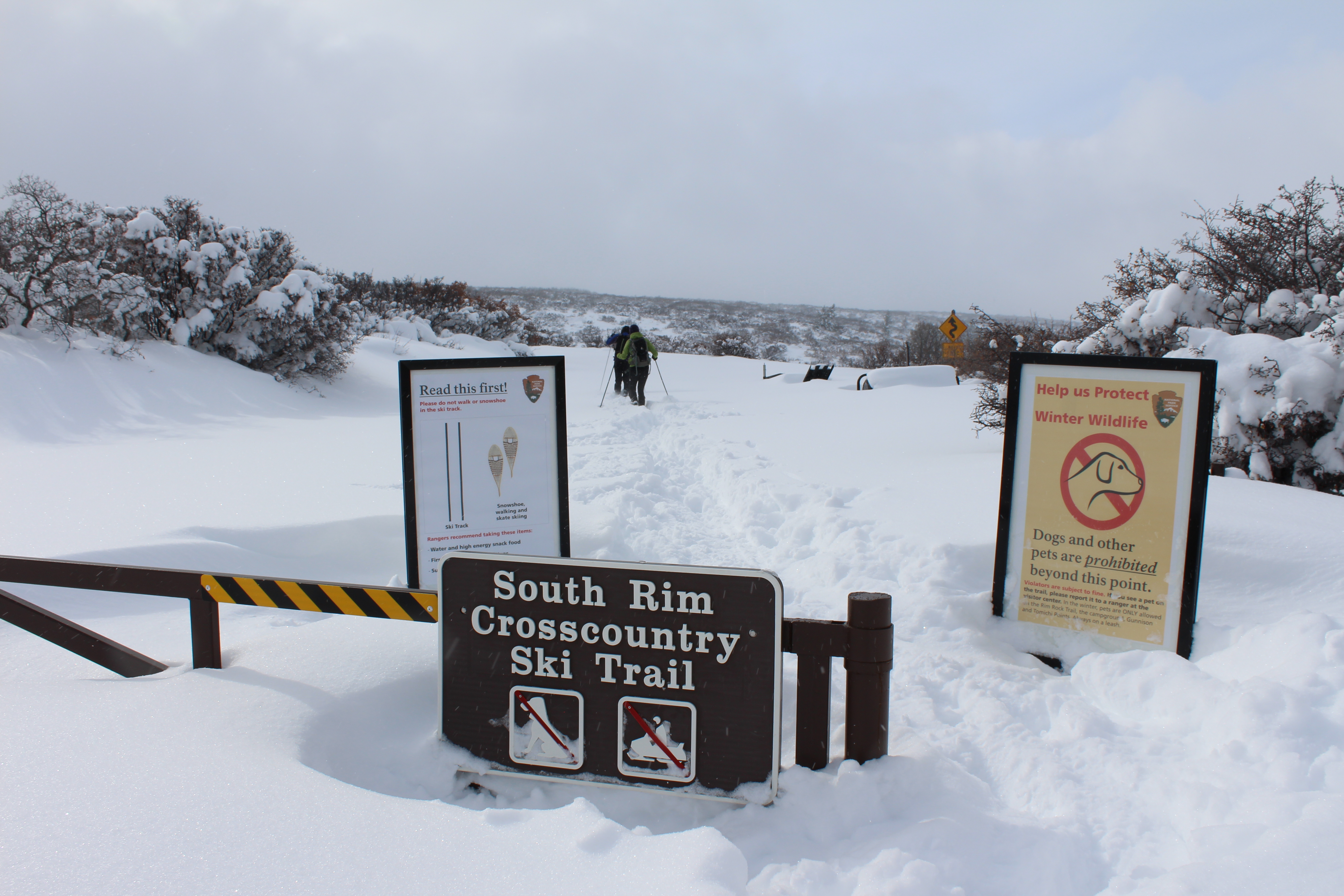
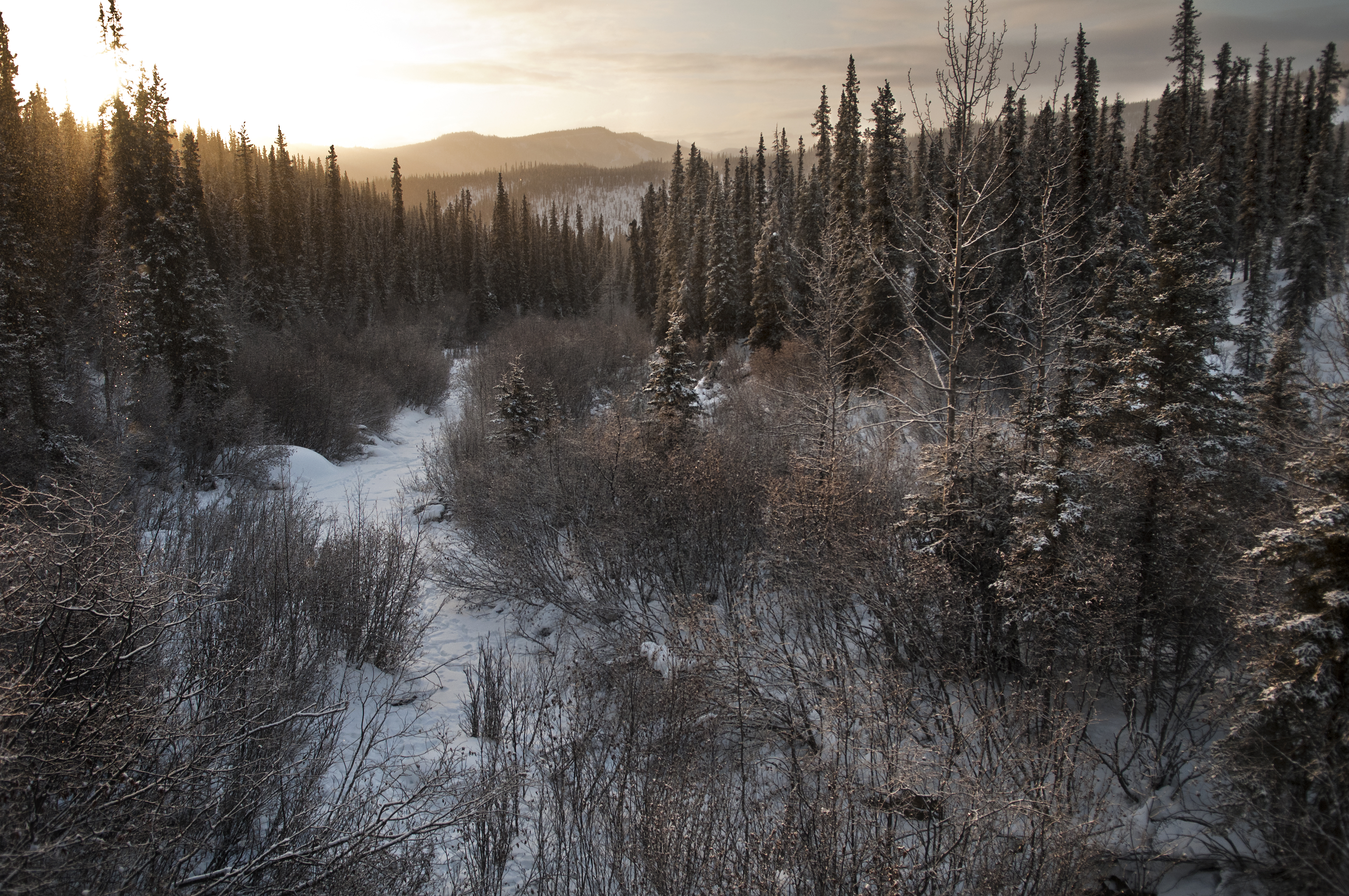
See the Real Denali Most visitors see the park during its short summer window (June–August). A winter visit is a chance to see what the park looks like during the rest of the year! Whether you just take a short walk through the woods or stay for a lengthy ski or snowshoe adventure, you'll have a chance to experience the "real" Denali. Along the way, you'll notice some of the things that make this such a beautiful part of the world: Low-angle sunlight: Photographers talk about the "golden hour," when the sun is low in the sky at dawn or dusk and the landscape gets a gentle golden or reddish hue. This far north, the sun hangs low in the sky most of the time that it is up, meaning the landscape often has a magical, soft light on it. Tranquility: With just a few visitors coming each day in winter, this is an opportunity to feel like you're in an incredibly remote and peaceful world, just a few minutes away from the winter visitor center. Stars: With short days and long nights, star gazing is possible from early evening through late morning. The Big Dipper, Orion, and other constellations become vivid thanks to very little light pollution. Choosing a Winter Trail Trails in Denali were made with hiking in mind, and many are narrow, steep, and challenging to ski. Easier places to ski include the Riley Creek Campground, Roadside Bike Trail, Spruce Forest Loop, Morino Loop, and the Park Road past where it is closed to vehicles. A Winter Loop including the McKinley Station Trail and Roadside Bike Trail is occasionally groomed for skiing when snow depth allows. For hikers, frequently used winter trails, such as the McKinley Station Trail and Horseshoe Lake Trail, are more likely to have well-packed snow. Even these trails, however, include slopes that can be slippery in snowy and icy conditions. Strenuous trails such as the Triple Lakes Trail and Rock Creek Trail are rarely traveled in winter, so you are likely to encounter deep snow. Ask about current conditions at the Winter Visitor Center to find out if snowshoes or ice grippers are recommended for a trail you plan to hike. View a winter trail map PDF.