Loading parks…
Tubing
Tubing is an official activity category in the National Park Service directory. Parks tag their programs, trails, and experiences with this label so visitors can find relevant opportunities. The NPS directory lists tubing at 14 parks and sites nationwide. Compare destinations below, filter to national parks only, and open any park page for trails, alerts, campgrounds, and trip planning.
14 parks and sites (NPS)
Featured parks for tubing
Upcoming events
Upcoming programs and events at parks in this collection (from the NPS Events API).
Ranger Programs
Nov 8
Chattahoochee River National Recreation Area
Frontier to Front Yard
Join our rangers and volunteers for a place-based public history program that brings the early 19th century Georgia front ier to life-right where it happened. Through material culture, storytelling, and primary sources, visitors explore daily life, land hunger, and conflict in the 1820s–1830s. The program invites visitors to see how national policies played out locally and how the front ier still shapes the landscapes and communities around us to day. This is an informal, stationary program and walk-ups are welcome!
11:00 AM - 01:00 PM
This program will take place in the Cochran Shoals unit, accessed from the Interstate North Parking Lot. Address is 1956 Eugene Gunby Rd, Marietta, GA 30067
Lectures
Nov 12
Saratoga National Historical Park
Did the Battle of Redbank bring France into the War of Independence?
Americans generally assume that the surrender of Sir John Burgoyne to General Horatio Gates at Saratoga on 17 October 1777 caused France to openly enter the American War of Independence. The American leadership interpreted the defeat at Saratoga within their military and political needs. Saratoga was of great military importance, an immense morale booster and extensively used for propaganda purposes. But France's decision to join the American rebels came after years of preparation and was by no means monocausal. For King Louis XVI and his Foreign minister, the comte de Vergennes, the American exploitation of the victory for domestic purposes was of little relevance. Their decision to join the Americans was based on where France placed Saratoga within the global political and military context and how it promoted, or hurt, French interests. The American war was waged on the fringes of European civilization, and France was primarily concerned with the impact an American victory, or defeat, would have on the balance of powers in Europe in general and on France in particular. This illustrated talk highlights the French interpretation of the Hessian debacle in the trenches around Fort Redbank and how that interpretation shaped Louis XVI’s decision to openly enter the war. Robert A. Selig is a historical consultant who received his Ph.D. in history from the Universität Würzburg in Germany in 1988. He is a specialist on the role of French forces under the comte de Rochambeau during the American War of Independence and serves as project historian for the Washington-Rochambeau Revolutionary Route National Historic Trail Project. Support for the Fall Lecture Series is provided by Friends of Saratoga Battlefield. Reservations are required due to limited space. Email SARA_Reservations@nps.gov to reserve your seat!
06:30 PM - 07:30 PM
Saratoga National Historical Park
Ranger Programs
Nov 13
Niobrara National Scenic River
Nebraska State Highway Paleontologist Shane Tucker Presents the River’s Fossil History
The public is invited to a special presentation by University of Nebraska State Museum Highway Paleontologist Shane Tucker on Friday, November 13, 2026, at 6:00 p.m. CT at the Niobrara National Scenic River Visitor Center, 214 W. Highway 20, Valentine, Nebraska. Tucker's program will explore the rich paleontological history of the Niobrara River Valley, one of North America's most important fossil-producing regions. Fossil deposits along the Niobrara have helped scientists reconstruct ancient ecosystems dating back millions of years to the Miocene and Pliocene epochs. "Some of the first vertebrate fossils collected from Nebraska come from exposures along the Niobrara River," said Tucker. "These specimens provide clues about an ancient ecosystem with long-jawed elephants, camels, saber-toothed deer, bone-crushing dogs, and giant salamanders." The Niobrara River corridor contains more than 160 documented fossil sites and has yielded fossils representing dozens of extinct species. One site along the Scenic River contains 146 species of vertebrates, making it the most diverse single-site Miocene fauna known in North America. Following the presentation, attendees are encouraged to bring fossils from their personal collections for identification and discussion with Tucker. Visitors are reminded that collecting or disturbing fossils is prohibited within Fort Niobrara National Wildlife Refuge and Smith Falls State Park. Elsewhere along the Niobrara River, fossil collecting is subject to landowner permission. Individuals who discover fossils are encouraged to leave them in place and contact a park ranger or the University of Nebraska State Museum's Paleontology Department. The program is free and open to the public.
06:00 PM - 07:30 PM
Niobrara National Scenic River Visitor Center is your gateway to one of Nebraska’s most remarkable landscapes. Explore exhibits on the river’s unique ecology, geology, wildlife, and cultural history. Learn about recreational opportunities including paddling, hiking, and waterfall viewing, while discovering why the Niobrara is nationally recognized for its outstanding natural diversity and scenic beauty. Rangers are available to help you plan your adventure.
Ranger Programs
Nov 13
Big South Fork National River & Recreation Area
Night Sky Program at Blue Heron
Come out and enjoy the night sky at the Blue Heron Outdoor Museum on Fri, Nov 13 from 7:00-8:30 PM. Park rangers will have telescopes deployed and assist visitors with viewing stars, constellations, and other night sky objects. Younger visitors will also enjoy the opportunity to search for glowing plants and animals with UV flashlights.
07:00 PM - 08:30 PM
Blue Heron Outdoor Museum is located at the Mine 18 Rd in Kentucky.
Ranger Programs
Nov 13
Big South Fork National River & Recreation Area
Ranger Led Program: Longhunters of Big South Fork
Did you know that many places in Big South Fork NRRA were named by Longhunters in the 1700’s? Station Camp was one such site and served as a base camp (called a station) for hunters to prepare supplies and process deer hides. Join a Ranger for an interesting look into Big South Fork history and the struggles and rewards of the Longhunters on Friday, November 14, at 1pm ET at the Station Camp Campground campfire circle. Campground is located at the on Station Camp Road from HWY 297 Coopertown Road in TN.
01:00 PM - 02:00 PM
Campground is located at the on Station Camp Road from HWY 297 Coopertown Road in TN.
Ranger Programs
Nov 14
Chattahoochee River National Recreation Area
Badge Up, Pup B.A.R.K. Ranger Program
Bring your pup out to the park to get sworn in as a B.A.R.K. Ranger! D emonstrate responsible practices in the park to a park ranger and earn your furry friend a B.A.R.K. Ranger certificate. To earn a keychain, make sure you bring a way to post your new B.A.R.K Ranger on social media! Make sure to bring your dog's leash and waste bags!
02:00 PM - 04:00 PM
This pop-up program will be held near the Columns Drive Parking Lot in the Cochran Shoals Unit
Workshops
Nov 14
Chattahoochee River National Recreation Area
Owl Prowl
Join the National Park Service for a campfire and live owl program presented on the upper deck of the Chattahoochee River Environmental Education Center ! Discover new facts about these night-time predators and their nocturnal habits. T his program is presented by park partners from the Chattahoochee Nature Center. T here will be ample opportunities to take photographs with the birds and enjoy the ambiance and beauty of twilight on the Chattahoochee. After the program you are invited to join us on a short walk to the river on the Three Forks Loop Trail followed by time around the campfire.
06:00 PM - 08:00 PM
This program will be held at the Chattahoochee River Environmental Education Center located at 8615 Barnwell Rd, Johns Creek, GA 30022
Ranger Programs
Nov 14
Big South Fork National River & Recreation Area
Ranger-led demonstration: Appalachian Rag Dolls
Come stitch together a little piece of history at the Crossville Visitor Center! Step back in time to experience the tradition of rag doll making! On Saturday, November 14, join a park ranger at the Crossville Visitor Center for a hands-on demonstration celebrating the cherished Appalachian craft. This hands-on demonstration for kids and the young at heart will be available anytime between 11 am and 1 pm (Central Time). Crossville Visitor Center is located at 176 River Otter Drive Dr, Crossville, TN. Worth 5 GO BIG Points. To learn more about the GO BIG 2026 Challenge, go to Big South Fork GO BIG Challenge - Big South Fork National River & Recreation Area (U.S. National Park Service)
11:00 AM - 01:00 PM
Crossville Visitor Center is located at 3002 Northside Dr, Crossville, TN
Workshops
Nov 15
Chattahoochee River National Recreation Area
Trout Lily Creek Loop Trail Hike
Join the National Park Service for a wonderful autumn walk in search of colorful leaves and signs of wildlife and fantastic beauty. Enjoy the beautiful forest, grand vistas of Thornton and Devil’s Racecourse Shoals, and the dramatic palisades. This is an extraordinarily scenic area with the steep cliffs of Devil’s Stair Steps rising from the waters of the Narrows at Diving Rock Beach . This hike is considered to be moderately easy with some uneven rock sections. The pace will be relaxed but is not designed for very young children.
01:00 PM - 04:00 PM
This program will begin from the Akers Mill parking lot, located at 2361 Akers Dr., Atlanta GA 30339
Lectures
Nov 19
Saratoga National Historical Park
They Were Good Soldiers: African Americans Serving in the Continental Army
The role of African Americans, free and enslaved, in the regiments of the Continental Army is not well-known; neither is the fact that relatively large numbers served in southern regiments and that the greatest number served alongside their white comrades in integrated units. John Rees will discuss black soldiers’ acceptance, service, and experiences during and after the War for American Independence, focusing on those who served in Continental regiments. African American women with the army will also be featured. John U. Rees has been writing for almost 40 years on the experiences of common soldiers and women in the armies of the American Revolution. He has authored over 200 articles, most available online at https://tinyurl.com/JohnURees-articles. His first book, They Were Good Soldiers: African Americans Serving in the Continental Army, 1775-1783 was published in 2019; his second, titled Don Troiani’s Black Soldiers in America’s Wars, 1754-1865 , came out in January 2025. Support for the Fall Lecture Series is provided by Friends of Saratoga Battlefield. Reservations are required due to limited space. Email SARA_Reservations@nps.gov to reserve your seat!
06:30 PM - 07:30 PM
Saratoga National Historical Park
Ranger Programs
Nov 21
Chattahoochee River National Recreation Area
Island Ford River Hike
Join one of our rangers for a leisurely hike along the Chattahoochee River. Beg inning just behind the historic Hewlett Lodge Visitor Center, this guided walk will lead you past a variety of local flora, geologic sites, and the river itself!
10:00 AM - 11:00 AM
This program will begin on the patio behind the Hewlett Lodge Visitor Center, located at 1978 Island Ford Parkway, Sandy Springs, GA 30350
Ranger Programs
Nov 21
Big South Fork National River & Recreation Area
Ranger Led Program: Homestead Harvest
How did early homesteaders prepare for winter and celebrate the harvest? Join park staff on Saturday, Nov 21 at 2:00 PM at Oscar Blevins Farmstead to learn about Cumberland Plateau homestead fall traditions. The Oscar Blevins Loop Trail starts at the Bandy Creek Trailhead and is an easy 4-mile loop hike or a section hike of 2 miles to the farm site. Worth 9 GO BIG Points. To learn more about the GO BIG 2026 Challenge, go to https://www.nps.gov/biso/planyourvisit/big-south-fork-go-big-challenge.htm .
02:00 PM - 03:00 PM
The Oscar Blevins Loop Trail starts at the Bandy Creek Trailhead and is an easy 4-mile loop hike or a section hike of 2 miles to the farm site.
All parks (14)
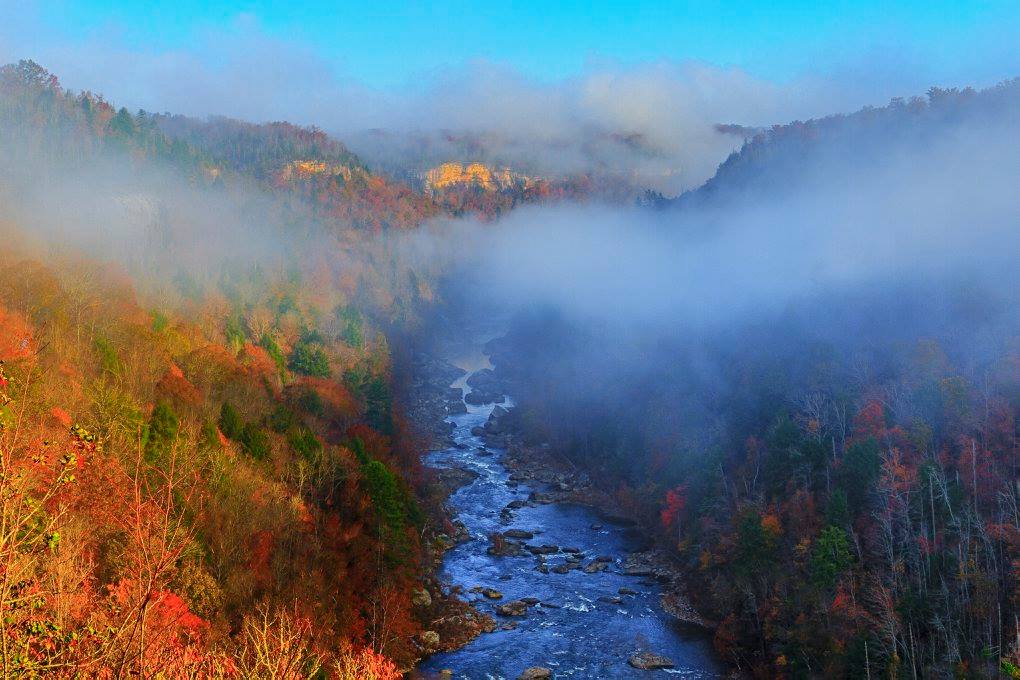
National River & Recreation Area
Big South Fork National River & Recreation Area
KY,TN
Encompassing 125,000 acres of the Cumberland Plateau, Big South Fork National River and Recreation Area protects the free-flowing Big South Fork of the Cumberland River and its tributaries. The area boasts miles of scenic gorges and sandstone bluffs, is rich with natural and historic features and has been developed to provide visitors with a wide range of outdoor recreational activities.
National Historic Trail
Captain John Smith Chesapeake National Historic Trail
VA,MD,DE,DC,PA,NY
People first arrived in the Chesapeake Bay during the last ice age. As glaciers melted, diverse societies learned to thrive in a world of water. When Englishman Captain John Smith explored the Bay in 1608, he documented hundreds of American Indian communities. Today, sites on his map are archeological treasures and sacred sites for tribal citizens. Come join us on the shores of the Chesapeake Bay!
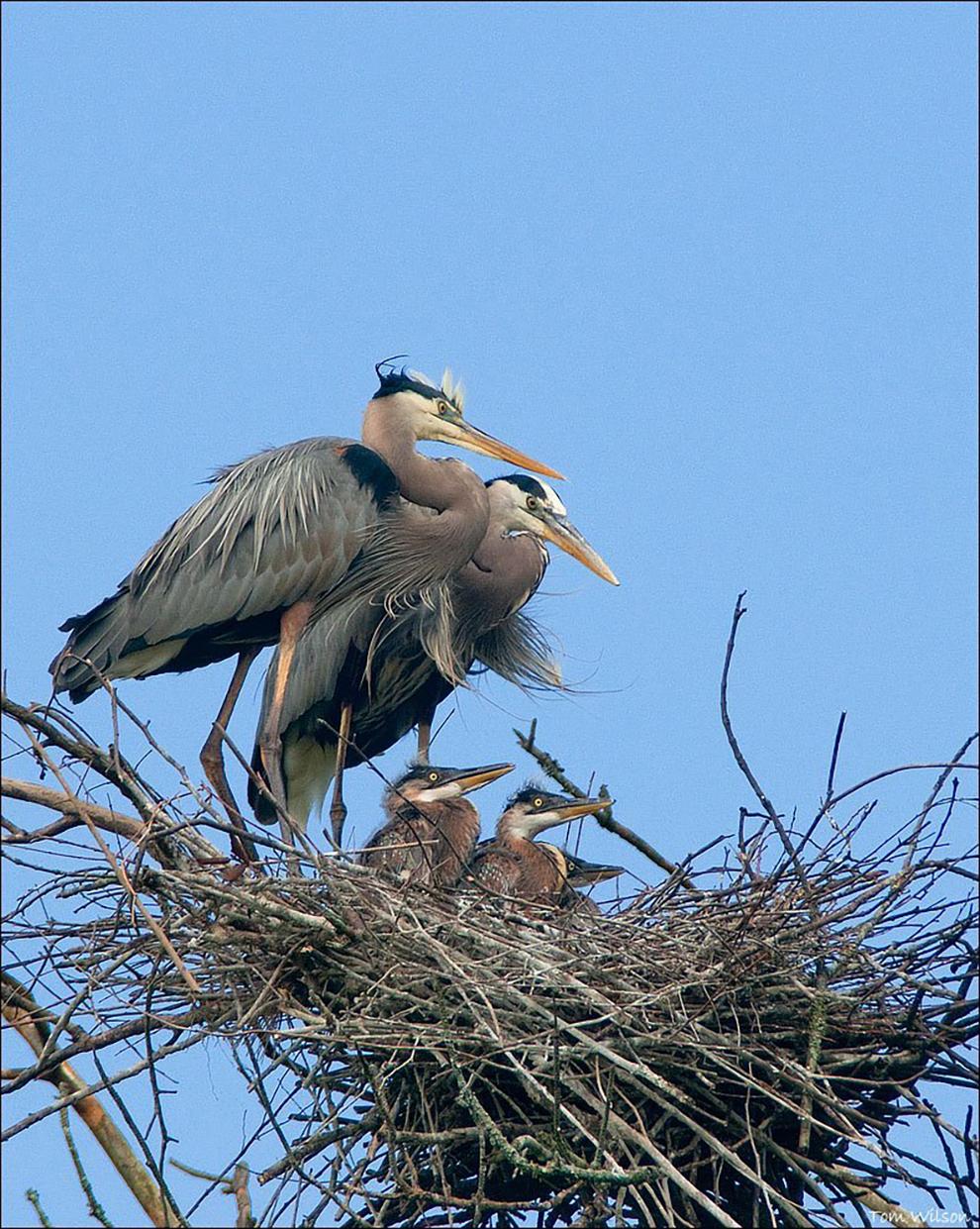
National Recreation Area
Chattahoochee River National Recreation Area
GA
Today the river valley attracts us for so many reasons. Take a solitary walk to enjoy nature’s display, raft leisurely through the rocky shoals with friends, fish the misty waters as the sun comes up, or have a picnic on a Sunday afternoon. Get Outdoors and experience your Chattahoochee River National Recreation Area as you have never done before.
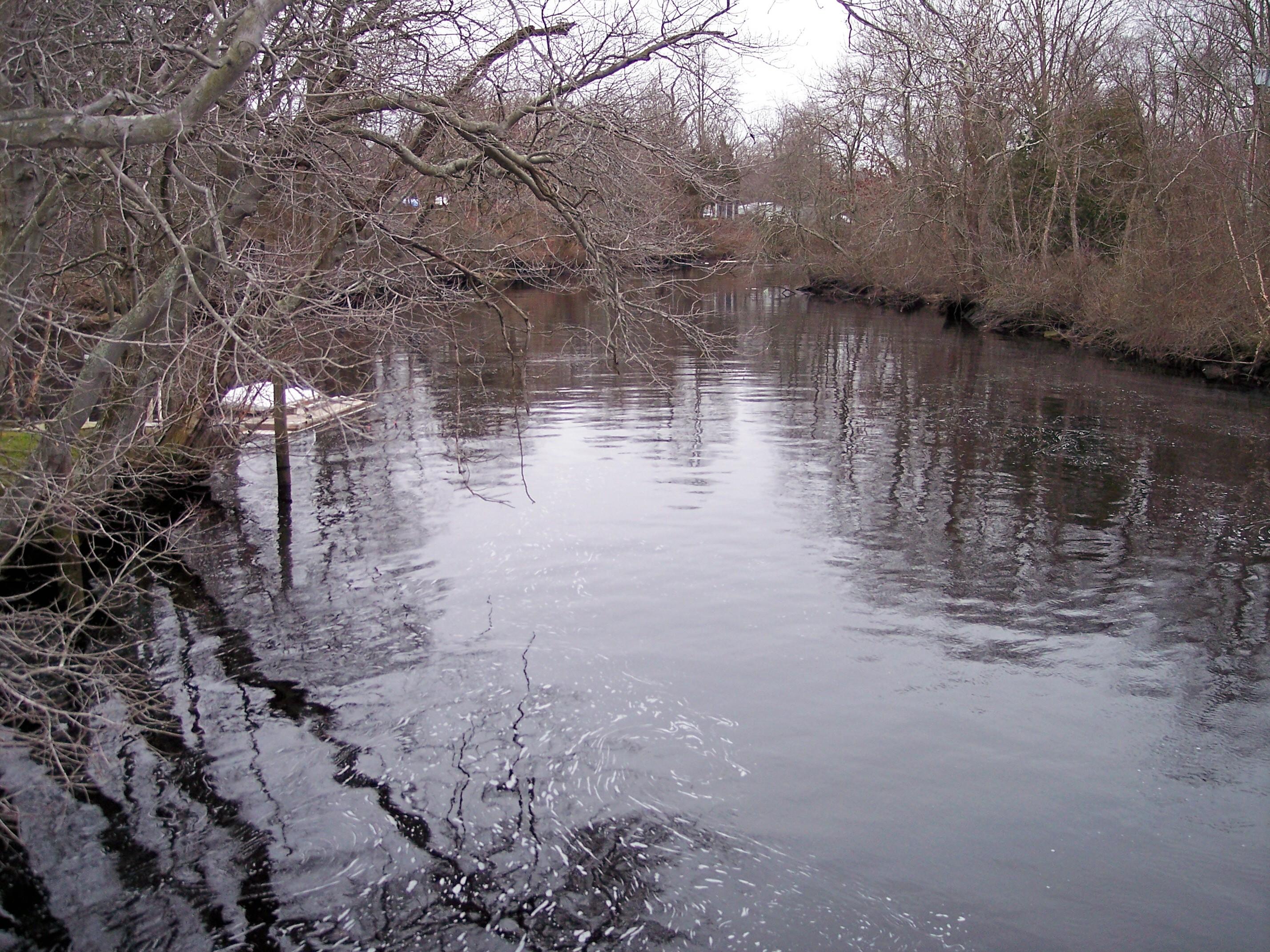
NPS Site
Great Egg Harbor River
NJ
Both the harbor and river were named for the shorebird and waterfowl eggs covering their meadows. During the American Revolution, privateers hid here. Established as a National Park Service site in 1992, Great Egg Harbor National Wild and Scenic River is one of nation's best birding spots. Local jurisdictions administer its lands. The 129-mile river system flows through Pinelands National Reserve.
National Park & Preserve
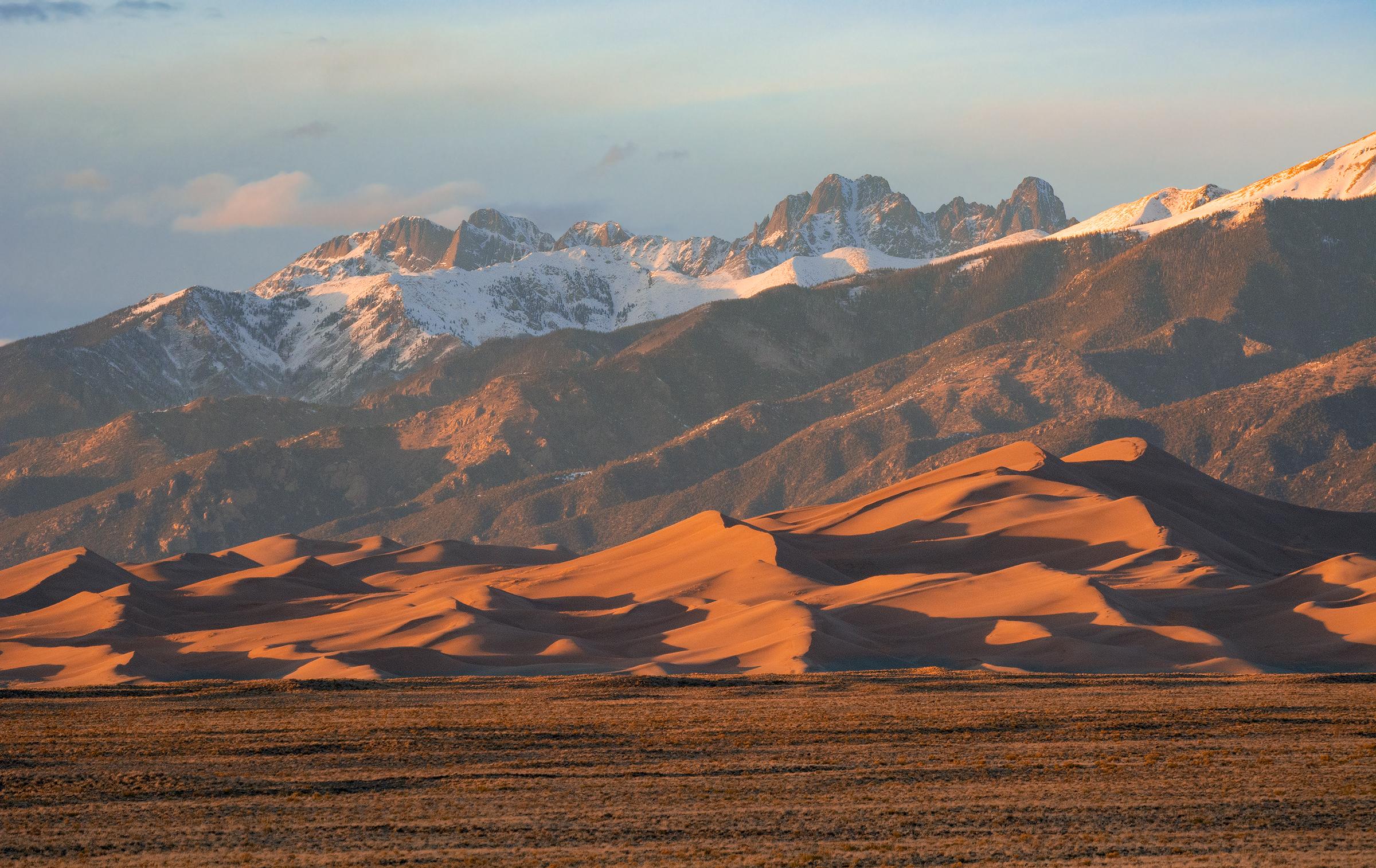
Great Sand Dunes National Park & Preserve
CO
The tallest dunes in North America are the centerpiece in a diverse landscape of grasslands, wetlands, forests, alpine lakes, and tundra. Stay on a moonless night to experience countless stars in this International Dark Sky Park! Open 24 hours a day, 7 days a week year-round. There are no timed entries or reservations to visit.
National Scenic River
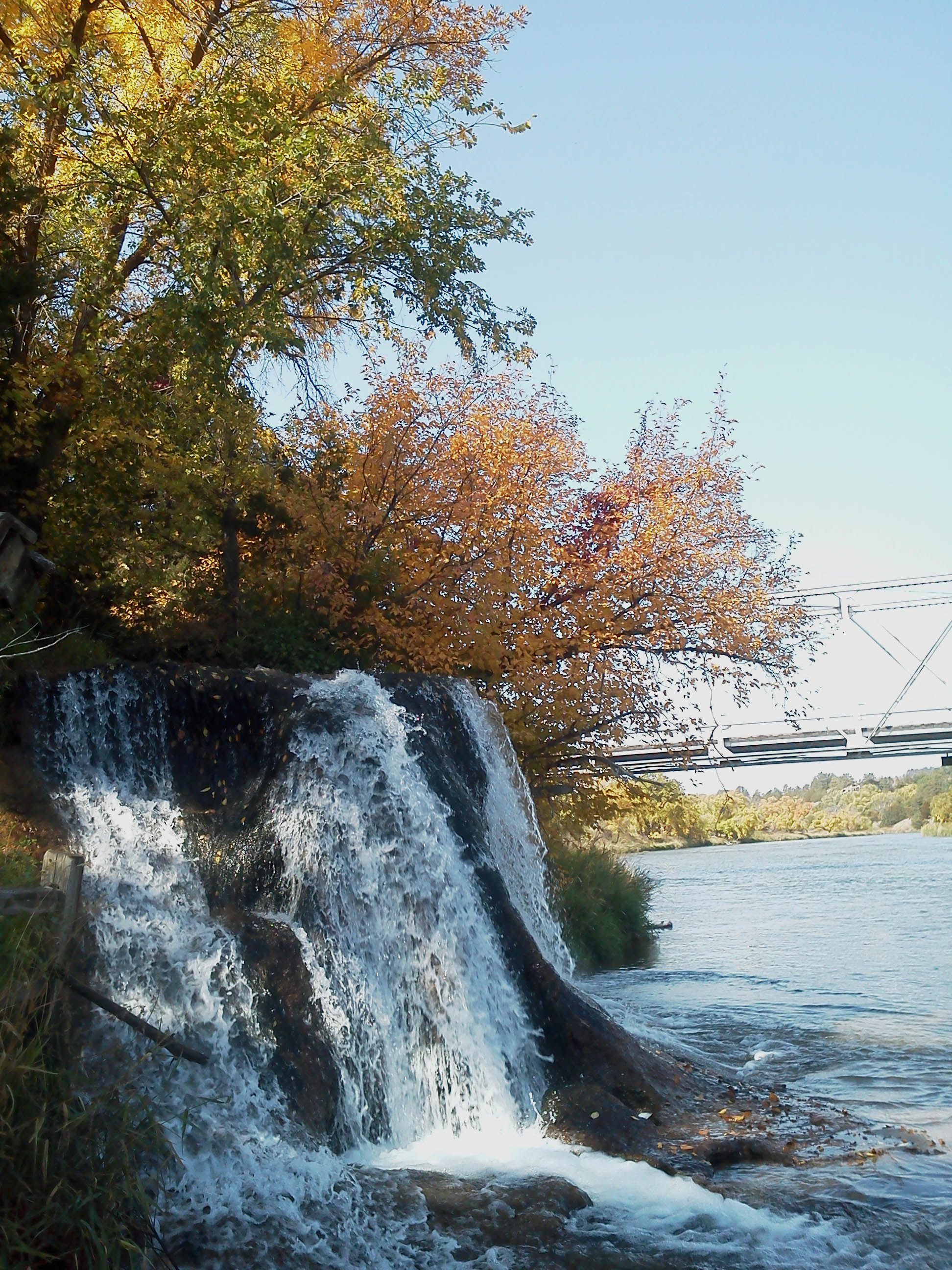
Niobrara National Scenic River
NE
With a little something for everyone, the Niobrara National Scenic River is a destination for crossing adventures off your bucket list. Most popular for river recreation, you can float the Niobrara River on a canoe, tube, or kayak as a beginner and have a blast. Hiking, biking, and wildlife watching keep our visitors busy. Oh! And we haven't even told you about the waterfalls yet.
National Park
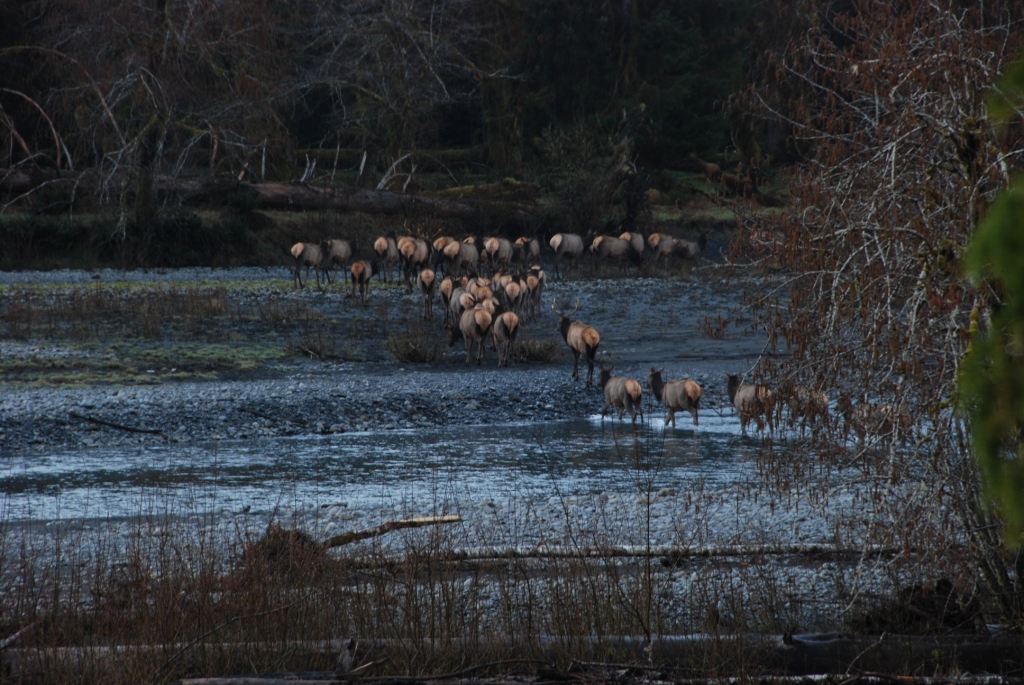
Olympic National Park
WA
With its incredible range of precipitation and elevation, diversity is the hallmark of Olympic National Park. Encompassing nearly a million acres, the park protects a vast wilderness, thousands of years of human history, and several distinctly different ecosystems, including glacier-capped mountains, old-growth temperate rain forests, and over 70 miles of wild coastline. Come explore!
National Scenic Riverways
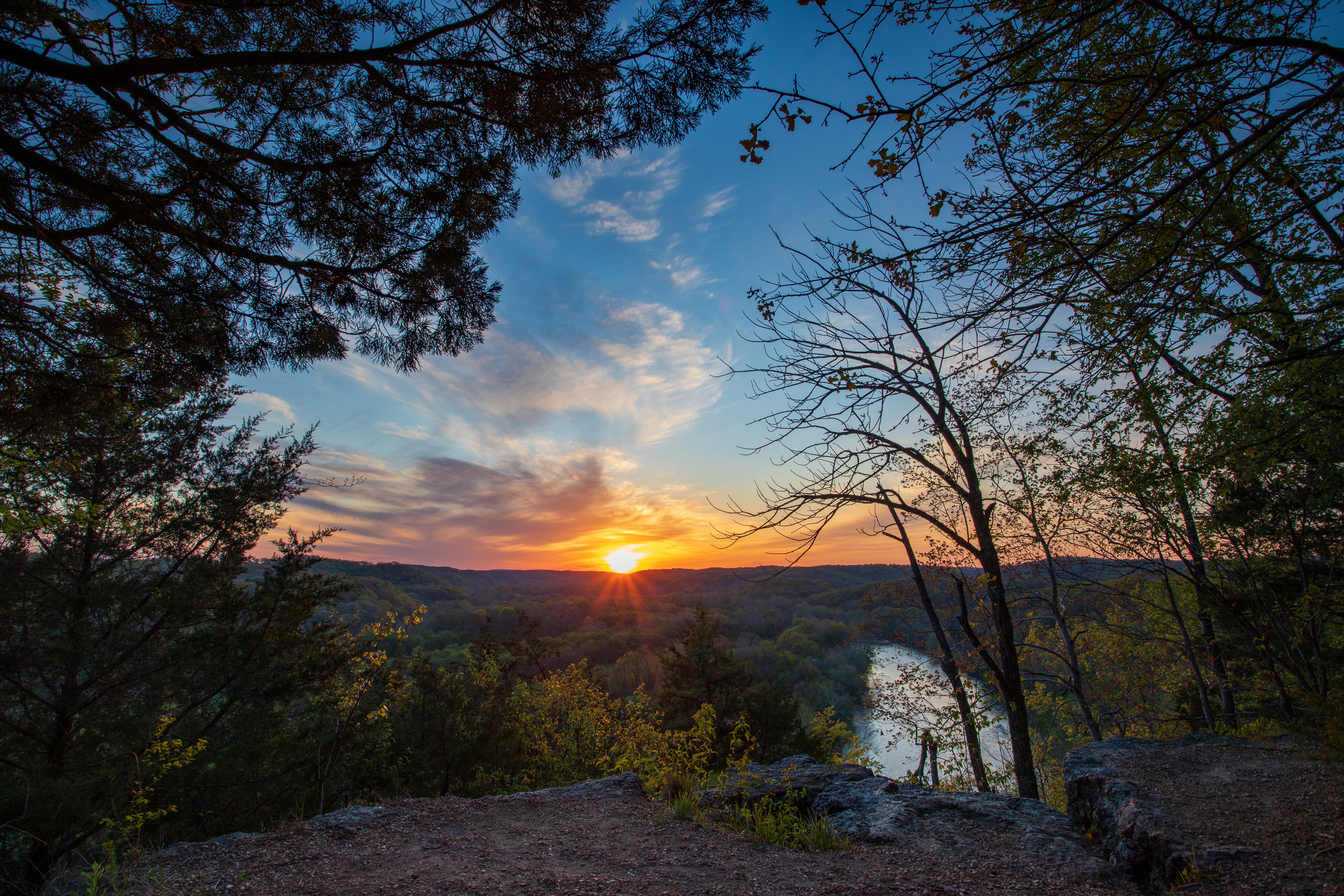
Ozark National Scenic Riverways
MO
Ozark National Scenic Riverways is the first national park area to protect a river system. The Current and Jacks Fork rivers are two of the finest floating rivers found anywhere. Spring-fed, cold and clear: they are a delight to canoe, swim, boat, or fish. Besides these two famous rivers, the park is home to hundreds of freshwater springs, caves, trails, and historic sites such as Alley Mill.
National Scenic Riverway
Saint Croix National Scenic Riverway
WI,MN
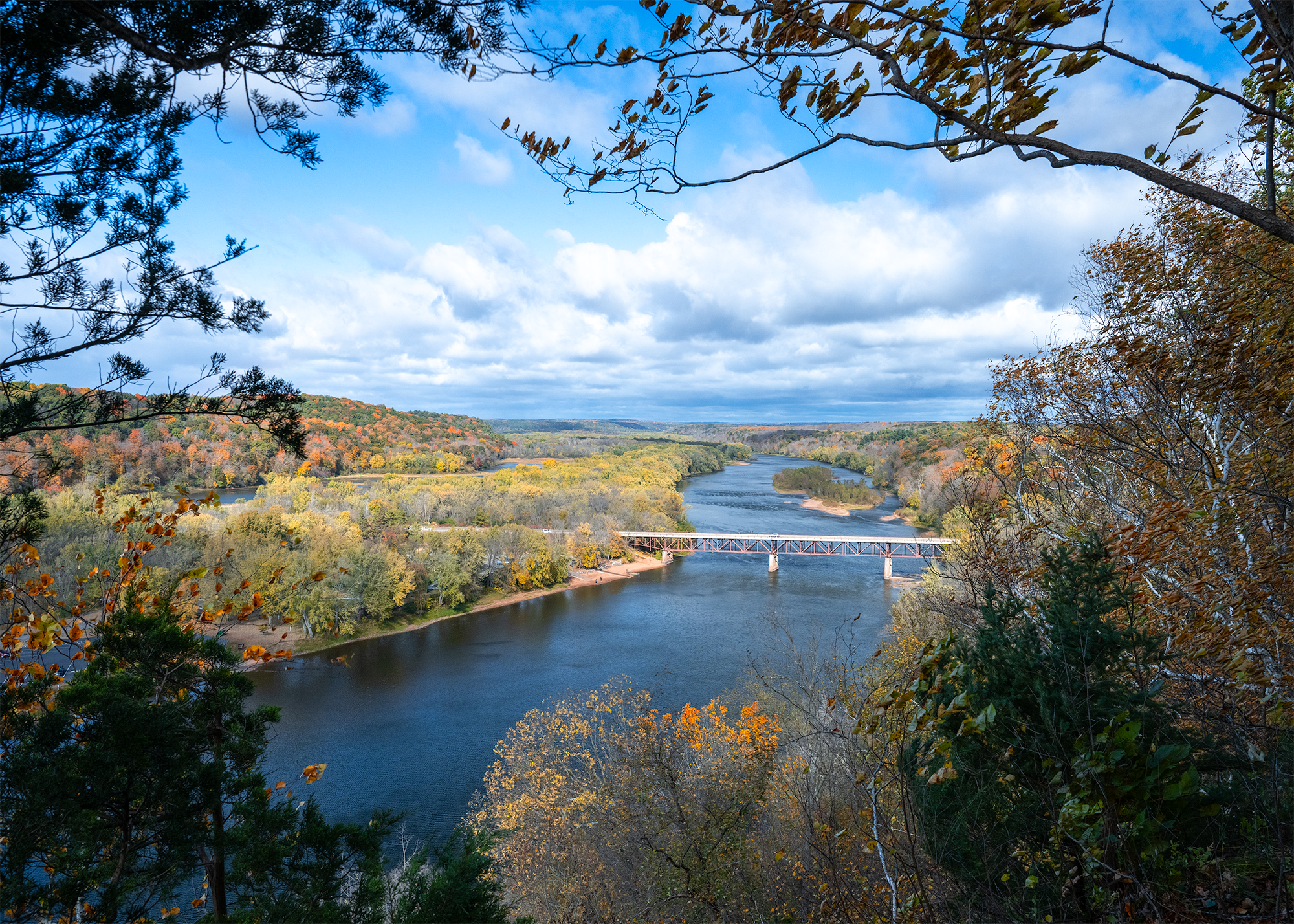
Grab your paddle and your longing for adventure and head to the St. Croix and Namekagon rivers! Together they form the St. Croix National Scenic Riverway, offering over 200 miles of clean water that glides and rushes through a forested landscape. Paddle, boat, fish, and camp among this wild and scenic beauty. Hiking and historic towns also beckon.
National Historical Park
Saratoga National Historical Park
NY
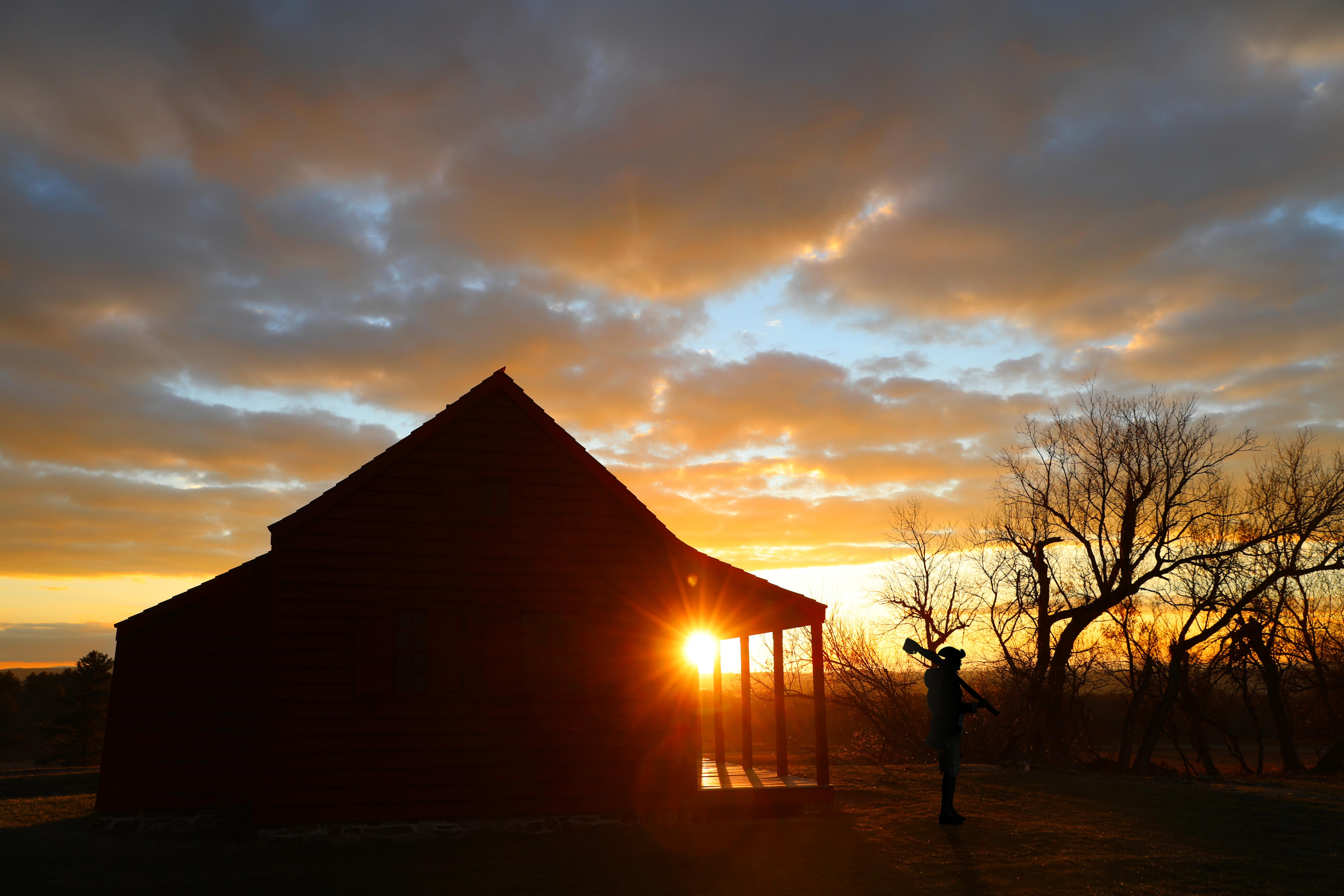
In 1777, a large British invasion force met an equally large American army here at Saratoga. After two intense battles, an eight-mile retreat, and a three-day siege, British General John Burgoyne surrendered his entire force. This first ever surrender of a British Army is one of the pivotal moments in determining the outcome of the Revolutionary War, forever changing the future of the world.

National Lakeshore
Sleeping Bear Dunes National Lakeshore
MI
Miles of sand beach, bluffs that tower 450’ above Lake Michigan, lush forests, clear inland lakes, unique flora and fauna make up the natural world of Sleeping Bear Dunes. High dunes afford spectacular views across the lake. An island lighthouse, US Life-Saving Service stations, coastal villages, and picturesque farmsteads reflect the park’s rich maritime, agricultural, and recreational history.
Scenic & Recreational River
Upper Delaware Scenic & Recreational River
NY,PA
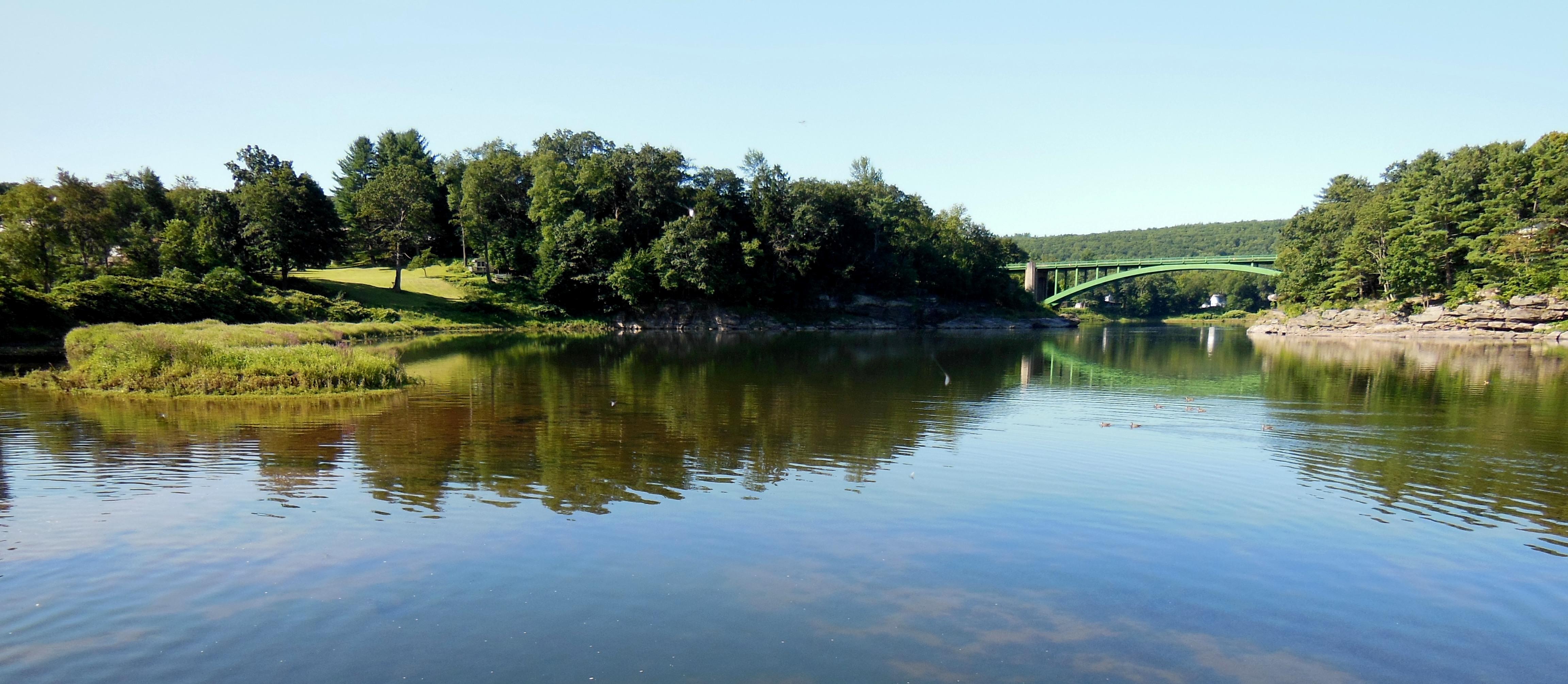
Canoe through rapids and quiet pools as the Delaware River winds its way through a valley of swiftly changing scenery or fish amid rolling hills and riverfront villages in one of the finest fishing rivers in the northeastern United States. The clean water of the Delaware, the last major undammed river in the eastern United States, supports a healthy ecosystem and offers tranquility and excitement.
Showing 1–12 of 14 parks