Loading parks…
Historic Sites
National Historic Sites preserve places tied to American history — homes, battlefields, forts, and landmarks where stories of people and events come alive through exhibits and ranger programs.
79 parks and sites (NPS)
Featured parks for historic sites
Upcoming events
Upcoming ranger programs and events at 79 parks in this designation (from the NPS Events API).
Ranger Programs
Oct 16
Bent's Old Fort National Historic Site
Fort Open to Plaza Access
The public is invited inside the reconstruction of Bent’s Old Fort, entering through the zaguan gate and into the plaza. Park Rangers will be present to explain the features of the fort and its 20 th century reconstruction. Entry into the reconstructed fort is limited to the central plaza, except on guided tours. For your safety, respect all closures and restrictions. Guided tours provide access into additional areas. Access to the reconstructed fort is restricted due to safety issues stemming from nearly 50 years of use and deficiencies in the 1970s design and construction of the Fort. Park staff conducted stabilization work in the spring of 2025 and continue to monitor the condition of the structure for further change. A water fountain and public restrooms are located at the visitor parking area. The reconstructed fort does not have these services available currently due to safety restrictions.
09:00 AM - 03:00 PM
Bent's Old Fort National Historic Site
Ranger Programs
Oct 16
Bent's Old Fort National Historic Site
Guided Tour
Take a tour with a Park Ranger to learn more about Bent's Old Fort. Each tour lasts approximately forty-five minutes and begins in the plaza. Tours are limited to fifteen participants and will explore the historic use of the site and the reconstruction of the fort in the 1970s. A water fountain and public restrooms are located at the visitor parking area. The reconstructed fort does not have these services available currently due to safety restrictions.
11:00 AM - 11:45 AM
Bent's Old Fort National Historic Site
Lectures
Oct 24
Bent's Old Fort National Historic Site
The Business of Bison
Living Historians will portray Bent, St. Vrain and Co. Traders from the 1840s and Hide Hunters from the 1860s/70s. The Southern Plains Land Trust will set up a station to discuss modern bison conservation efforts; in addition, programming and Historic Weapons Demonstrations will be presented by Park Staff.
09:00 AM - 04:00 PM
Bent's Old Fort National Historic Site
Special Events
Oct 31
Edgar Allan Poe National Historic Site
52 Weeks of Firsts: First Modern Detective Story Written 1841
Philadelphia is celebrating yet another First in it's 52 Weeks of Firsts! Edgar Allan Poe penned the world’s first modern detective story here, giving birth to mystery, suspense and serious shivers. Join us at the Edgar Allan Poe NHS and hear about Poe's contributions to the literary world.
11:00 AM - 01:00 PM
532 N. 7th Street
Guided Tours
Oct 31
First Ladies National Historic Site
Behind-the-Ropes Historical Preservation Tour
Have you ever wondered about the preservation of historic places? Wanted to step into roped-off rooms, sought to learn how to conserve artifacts, or all the above? Explore these questions and more on a special tour of the Saxton House September 26th from 2:30-4:00 PM. See the preservation processes up close, examine historic materials, and furnishings. Learn about the research, restoration, and maintenance needed to protect the home. This extended tour will highlight the home’s restoration and journey to what we see today. Suitable for ages 14 and up. Our capacity for this tour is 9 participants. The tour will last approximately 60 to 90 minutes. This tour requires: kneeling, crouching, entering tight spaces. Wearing shoe covers (provided) when stepping in roped off areas is mandatory. Interested? email us at FILA_info@nps.gov with the subject line "Behind the Ropes" or give us a call at the park at 330-492-0876 and say you are interested in the Behind the Ropes Tour.
02:30 PM - 04:00 PM
Saxton-McKinley House
Guided Tours
Nov 7
Carter G. Woodson Home National Historic Site
Carter G. Woodson Home National Historic Site Grand Re-opening
Join the National Park Service and the Association for the Study of African American Life and History, Inc. (ASALH) at the grand re-opening of the Carter G. Woodson Home National Historic Site on Saturday, November 7, 2026 from 9 am to 5 pm. Experience the new Visitor Center and exhibits Guided House Tours Woodson Walking Tours through the Shaw Neighborhood Meet Dr. Carter G. Woodson Hands-on children's programs Music All tours and programming will begin at the historic Shiloh Baptist Church (1500 Ninth Street, N.W., Washington, D.C. 20001). Free tour tickets will be available on a first come first served basis beginning at 9 am to 4 pm. There will be multiple tours per hour. Pick up your tickets at the National Park Service Welcome Tent located in Shiloh Baptist Church. Tours will go through the new visitor center and will include Dr. Woodson’s home. This special event is free and open to the public.
09:00 AM - 05:00 PM
Carter G. Woodson Home National Historic Site
Lectures
Nov 7
Andersonville National Historic Site
World Wars Weekend
The fourth event in our F250 commemorative series will highlight the experiences of prisoners of war during both World Wars. This event will feature living historians and a special Freedom 250 activity for visitors of all ages. Joining us will be our partners from the Georgia World War II Heritage Trail.
10:00 AM - 04:00 PM
Andersonville National Historic Site
Guided Tours
Nov 14
Andersonville National Historic Site
Hark Tack and Johnny Cakes
Join us as Living Historians demonstrate what it was like to cook rations in Civil War prisons like Andersonville. Discover what prisoners ate and how they coped with life inside the prison.
10:00 AM - 03:00 PM
Andersonville National Historic Site
Guided Tours
Dec 11
First Ladies National Historic Site
Candlelight Saxton House Tour
Step back in time with us for a special candlelight tour of the Saxton House! As you explore the house, you'll discover how newly forming traditions and presidential expectations shaped the holiday season for this tight-knit family over the years. But hurry, tickets are limited. Tours are limited to 12 people per tour and reservations are required. The story of the Saxton and McKinley family involves difficult topics like illness and death; we recommend tour participants are at least 12 years old. Please arrive at least ten minutes before your tour time.
05:30 PM - 06:15 PM
331 Market Avenue South, Canton Ohio 44702. Meet on the back porch of the Saxton House to check-in for your tour and receive your candle.
Ranger Programs
Dec 12
Volunteer
Dec 19
Andersonville National Historic Site
Wreaths Across America
Wreaths Across America at Andersonville National Cemetery honors the service and sacrifice of our nation’s veterans through the annual placement of remembrance wreaths on their graves, ensuring their legacy is remembered by future generations.
12:00 PM - 03:00 PM
Andersonville National Historic Site
Guided Tours
Mar 27
First Ladies National Historic Site
Behind-the-Ropes Historical Preservation Tour
Have you ever wondered about the preservation of historic places? Wanted to step into roped-off rooms, sought to learn how to conserve artifacts, or all the above? Explore these questions and more on a special tour of the Saxton House September 26th from 2:30-4:00 PM. See the preservation processes up close, examine historic materials, and furnishings. Learn about the research, restoration, and maintenance needed to protect the home. This extended tour will highlight the home’s restoration and journey to what we see today. Suitable for ages 14 and up. Our capacity for this tour is 9 participants. The tour will last approximately 60 to 90 minutes. This tour requires: kneeling, crouching, entering tight spaces. Wearing shoe covers (provided) when stepping in roped off areas is mandatory. Interested? email us at FILA_info@nps.gov with the subject line "Behind the Ropes" or give us a call at the park at 330-492-0876 and say you are interested in the Behind the Ropes Tour.
02:30 PM - 04:00 PM
Saxton-McKinley House
All parks (79)
National Historic Site
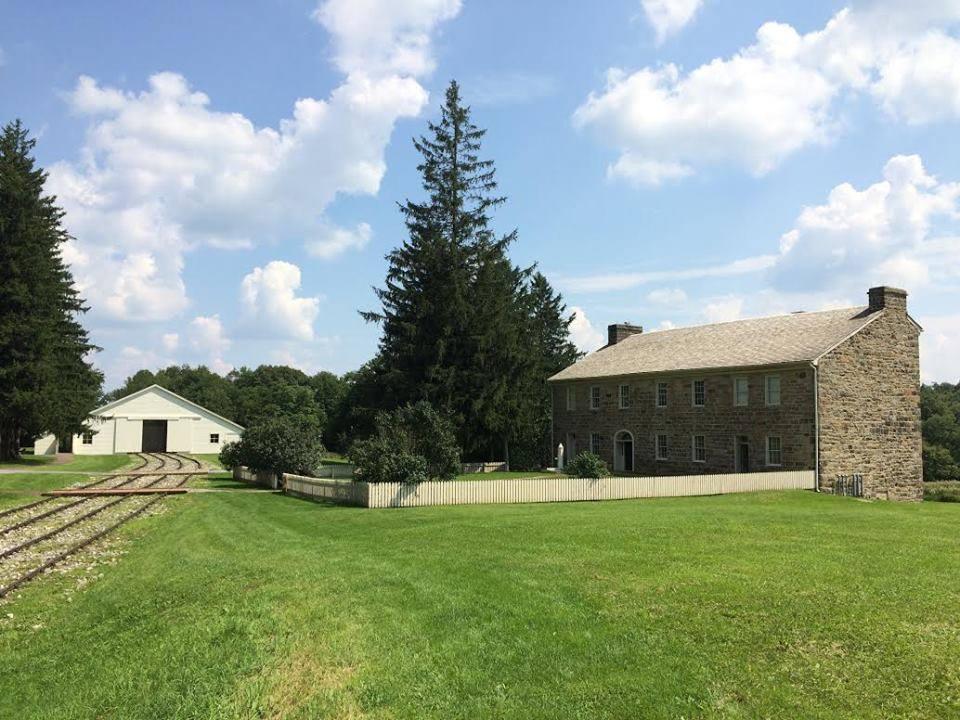
Allegheny Portage Railroad National Historic Site
PA
The first railroad to cross the Allegheny Mountains, the Allegheny Portage Railroad was the final piece of the Pennsylvania Main Line Canal. "The Portage" opened in 1834, marking the first time that there was one, direct route between Philadelphia and Pittsburgh. All things to all people, it served merchants, passengers, slaves in pursuit of freedom, and soldiers from the Mexican War.
National Historic Site
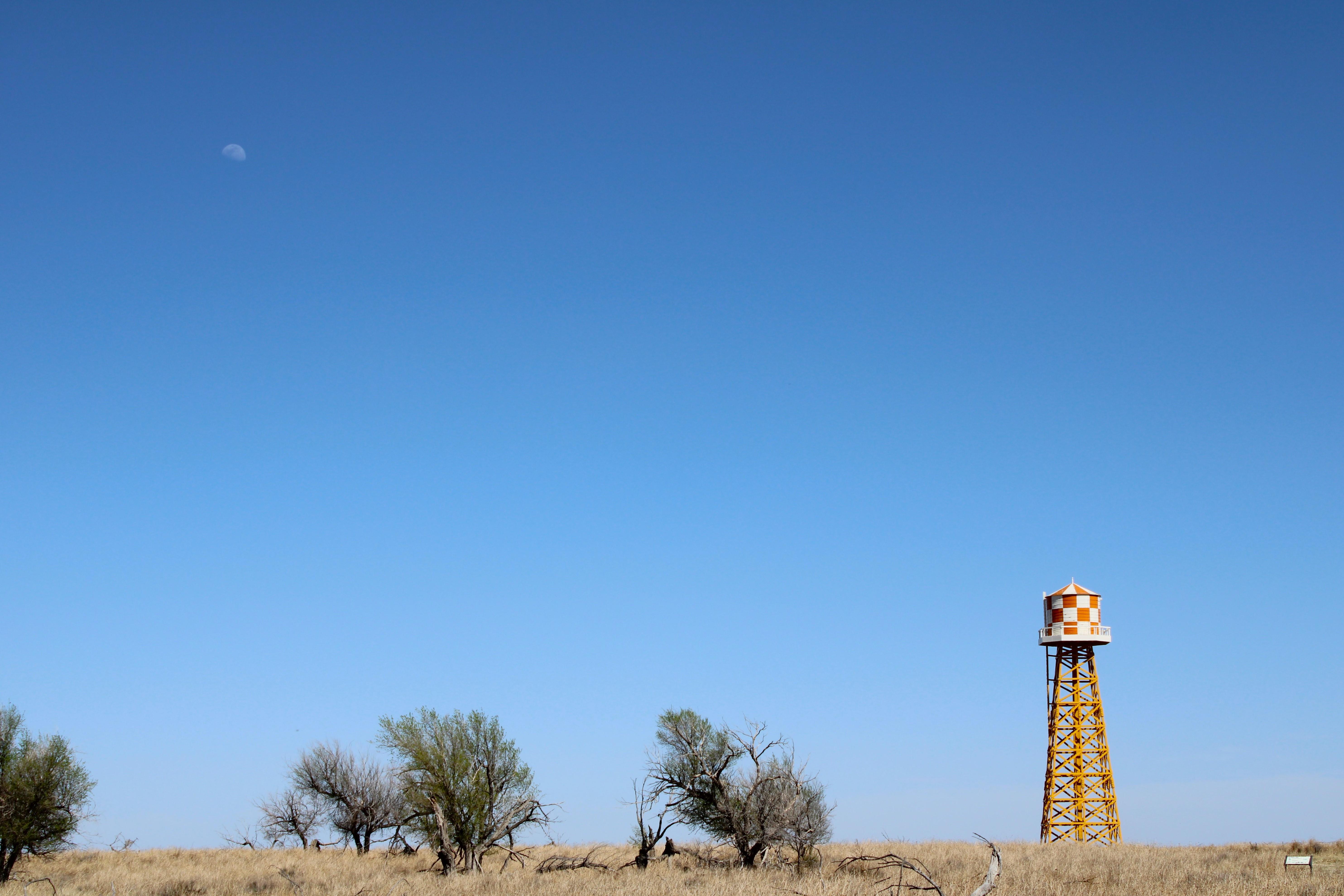
Amache National Historic Site
CO
Amache, also known as the Granada Relocation Center, near Granada, Colorado was one of ten incarceration sites established by the War Relocation Authority during World War II to unjustly incarcerate Japanese Americans. Over 10,000 people, most American citizens, were incarcerated at Amache from 1942 to 1945.
National Historic Site
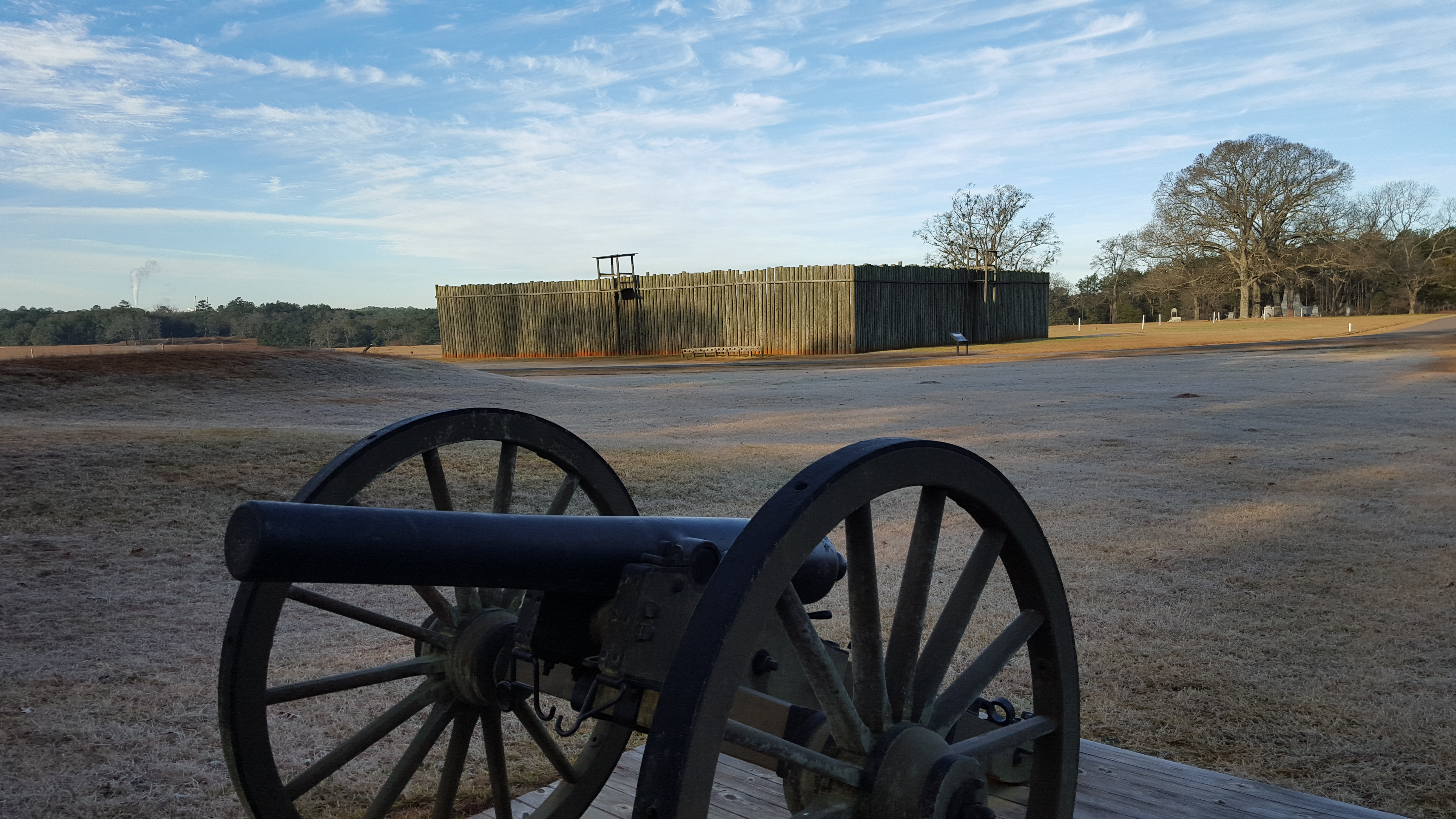
Andersonville National Historic Site
GA
Nearly 13,000 men died on these grounds, a site that became infamous even before the Civil War ended. Their burial grounds became Andersonville National Cemetery, where veterans continue to be buried today. This place, where tens of thousands suffered captivity so others could be free, is also home to the National Prisoner of War Museum and serves as a memorial to all American prisoners of war.
National Historic Site
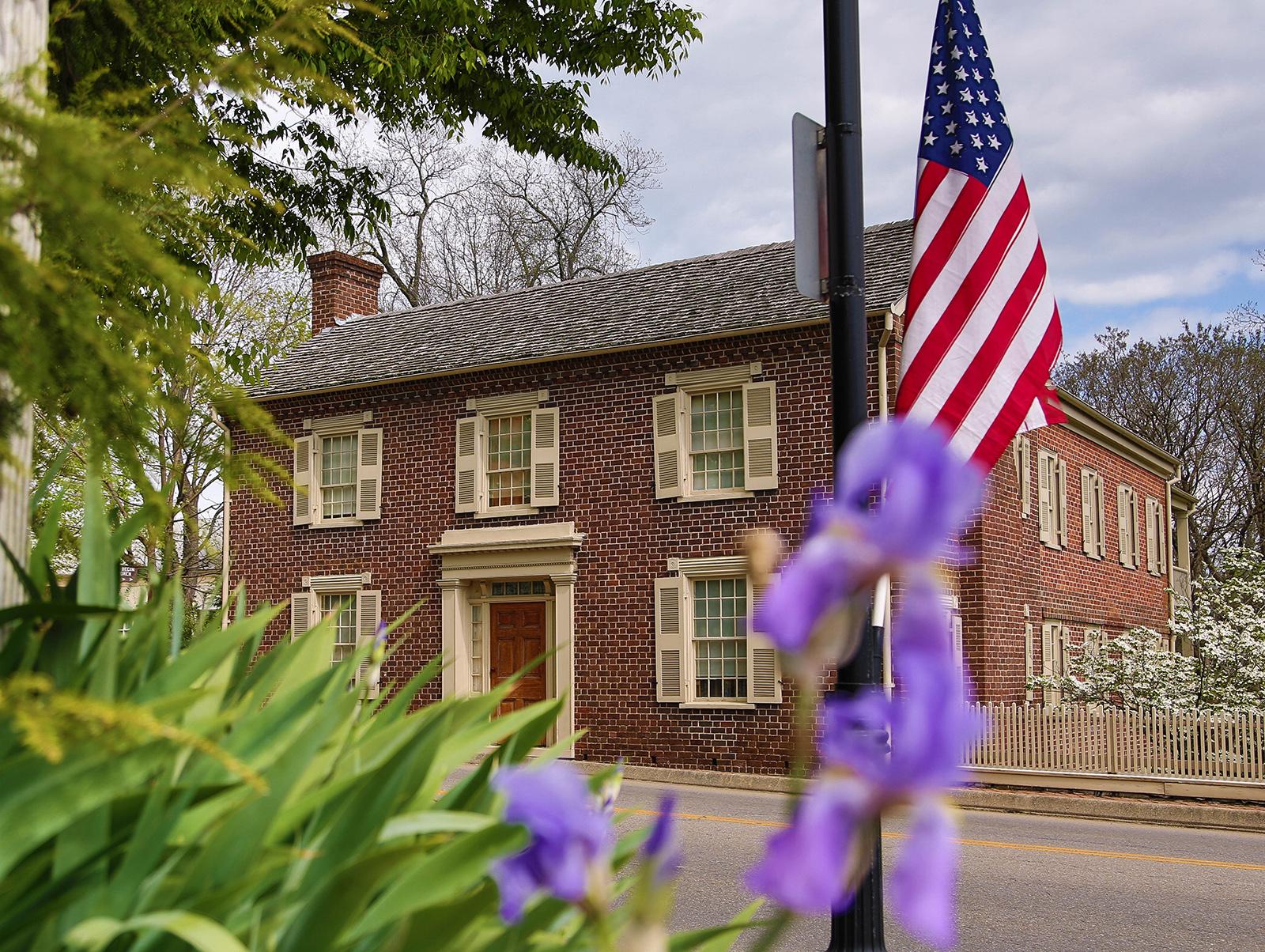
Andrew Johnson National Historic Site
TN
Andrew Johnson's complex presidency (1865-69) illustrates the Constitution at work following the Civil War. As the President and Congress disagreed on Reconstruction methods, the Constitution served as their guide on balance of powers, vetoes, and impeachment. In the end, it evolved as a living document with pivotal amendments on freedom, citizenship, and voting rights - topics still vital today.
National Historic Site
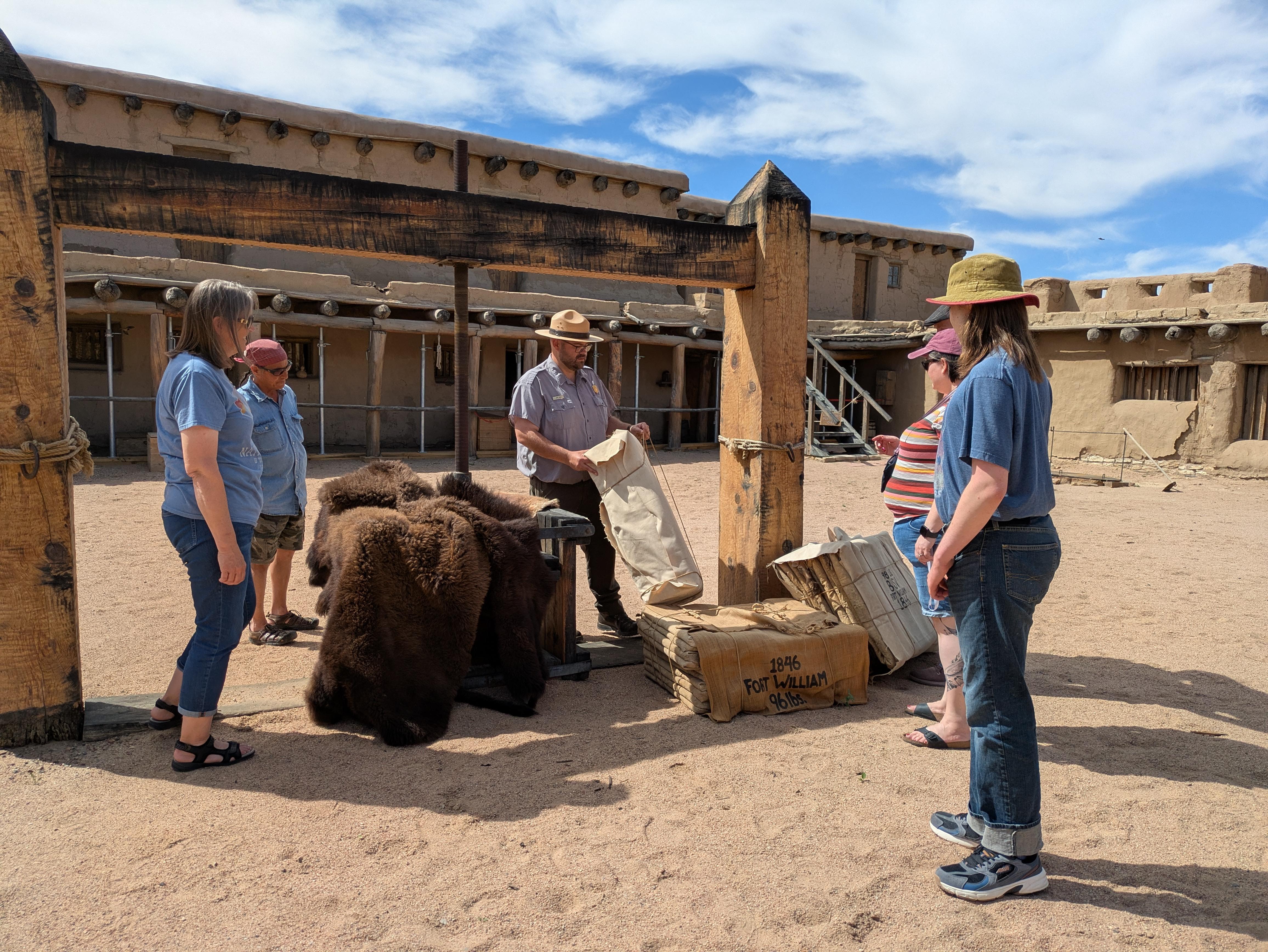
Bent's Old Fort National Historic Site
CO
In the 1840s the Arkansas River was the border between territory claimed by the United States and Mexico. Located along the river, Bent's Fort was an adobe trading post on the Santa Fe Trail, where traders, trappers, travelers, and the Cheyenne and Arapaho tribes came together in peaceful terms for trade. Today, a reconstructed fort allows visitors to explore the front line of Westward Expansion.
National Historic Site
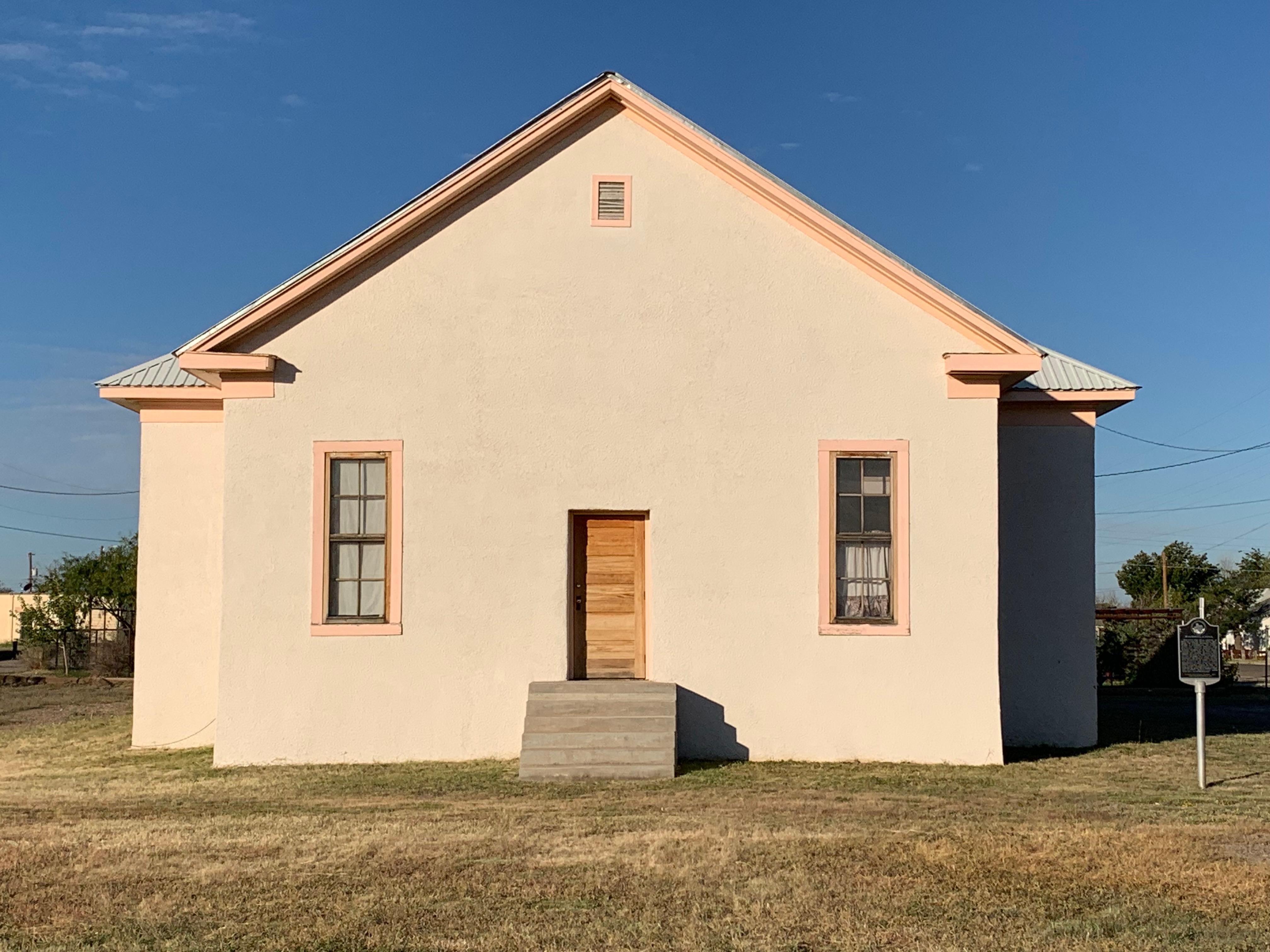
Blackwell School National Historic Site
TX
Written by prejudice rather than law, the story of the Blackwell School is one of “separate but equal” education for Mexican and Mexican American citizens of Marfa, Texas. Built in 1909, the school serves as a significant example of how racism and cultural disparity dominated education and social systems in the United States during this period of de facto segregation from 1889-1965.
National Historic Site
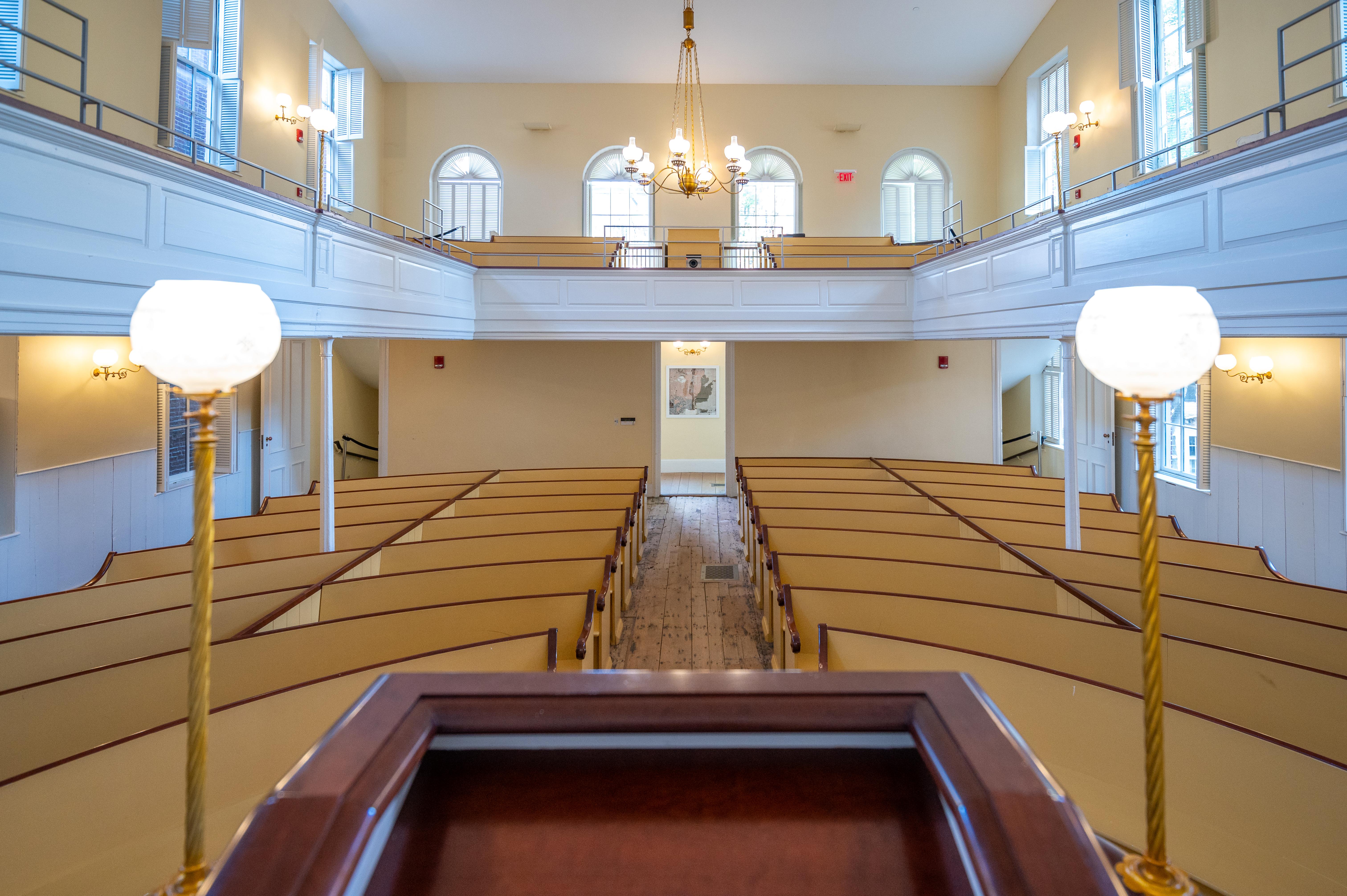
Boston African American National Historic Site
MA
Centered on the north slope of Beacon Hill, the African American community of 1800s Boston led the city and the nation in the fight against slavery and injustice. These remarkable men and women, together with their allies, were leaders in the Abolition Movement, the Underground Railroad, the Civil War, and the early struggle for equal rights and education.
National Historic Site
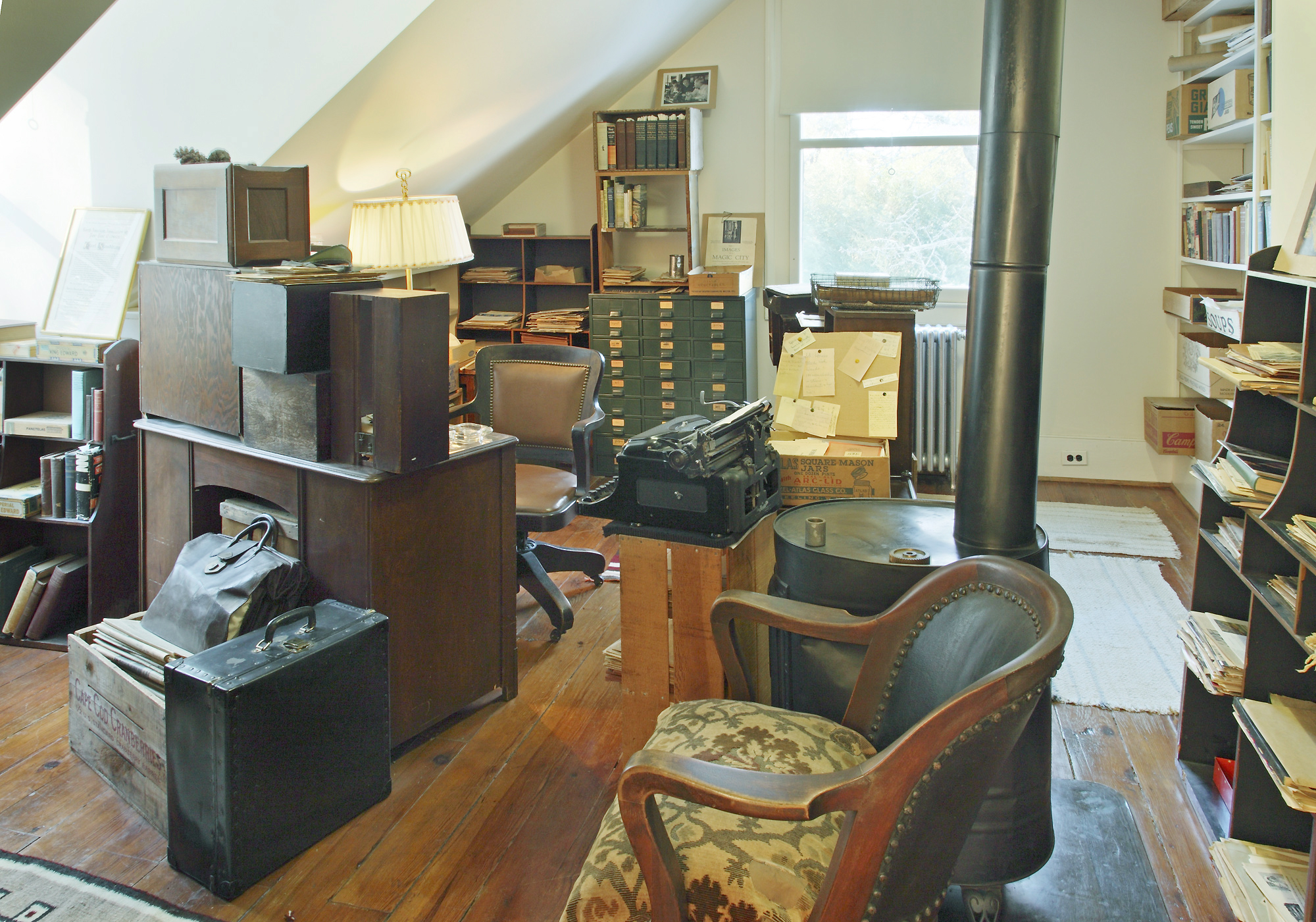
Carl Sandburg Home National Historic Site
NC
Current Status: Pedestrian detour in place from main parking lot. Grounds / trails open dawn till dusk 7 days a week. Barn open 7 days a week 10-4. Bookstore / Visitor Center open Tuesday - Sunday 9-5. Interagency passes can be purchased at Visitor Center.
National Historic Site
Carter G. Woodson Home National Historic Site
DC
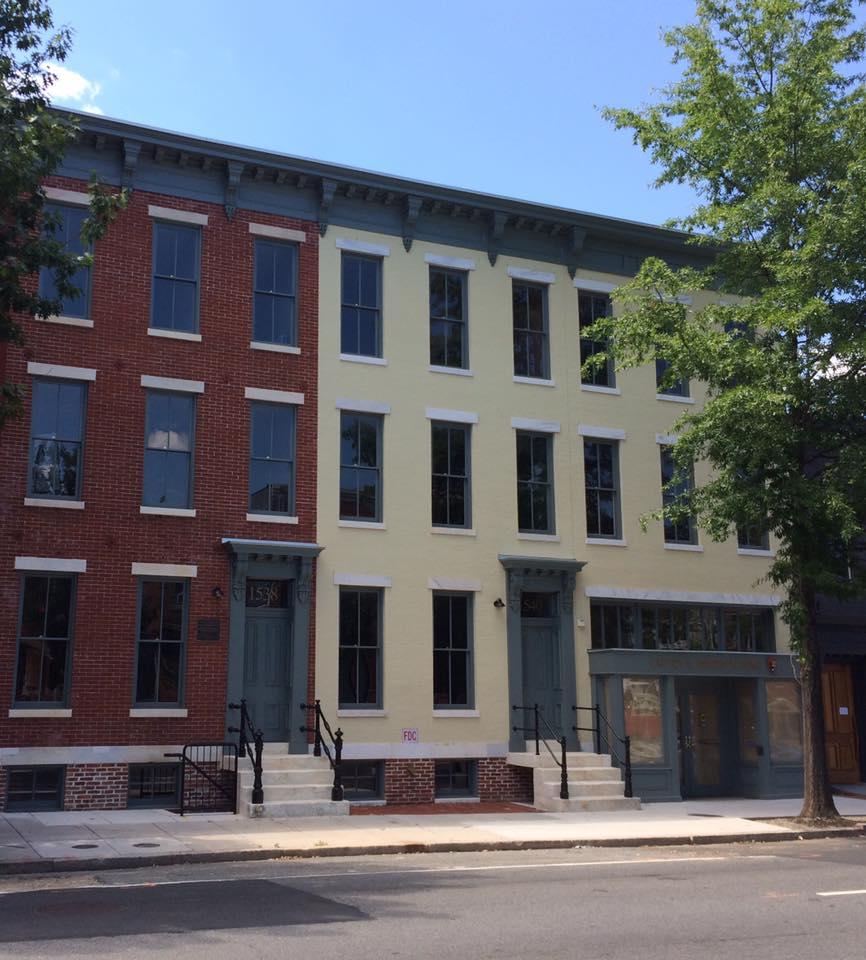
Before Dr. Carter G. Woodson, there was very little accurate written history about the lives and experiences of Americans of African descent. Today a National Historic Site, Dr. Woodson’s home served as the headquarters for the Association for the Study of African American Life and History. Dr. Woodson established Negro History Week here in 1926, which we celebrate today as Black History Month.
National Historic Site
Charles Pinckney National Historic Site
SC
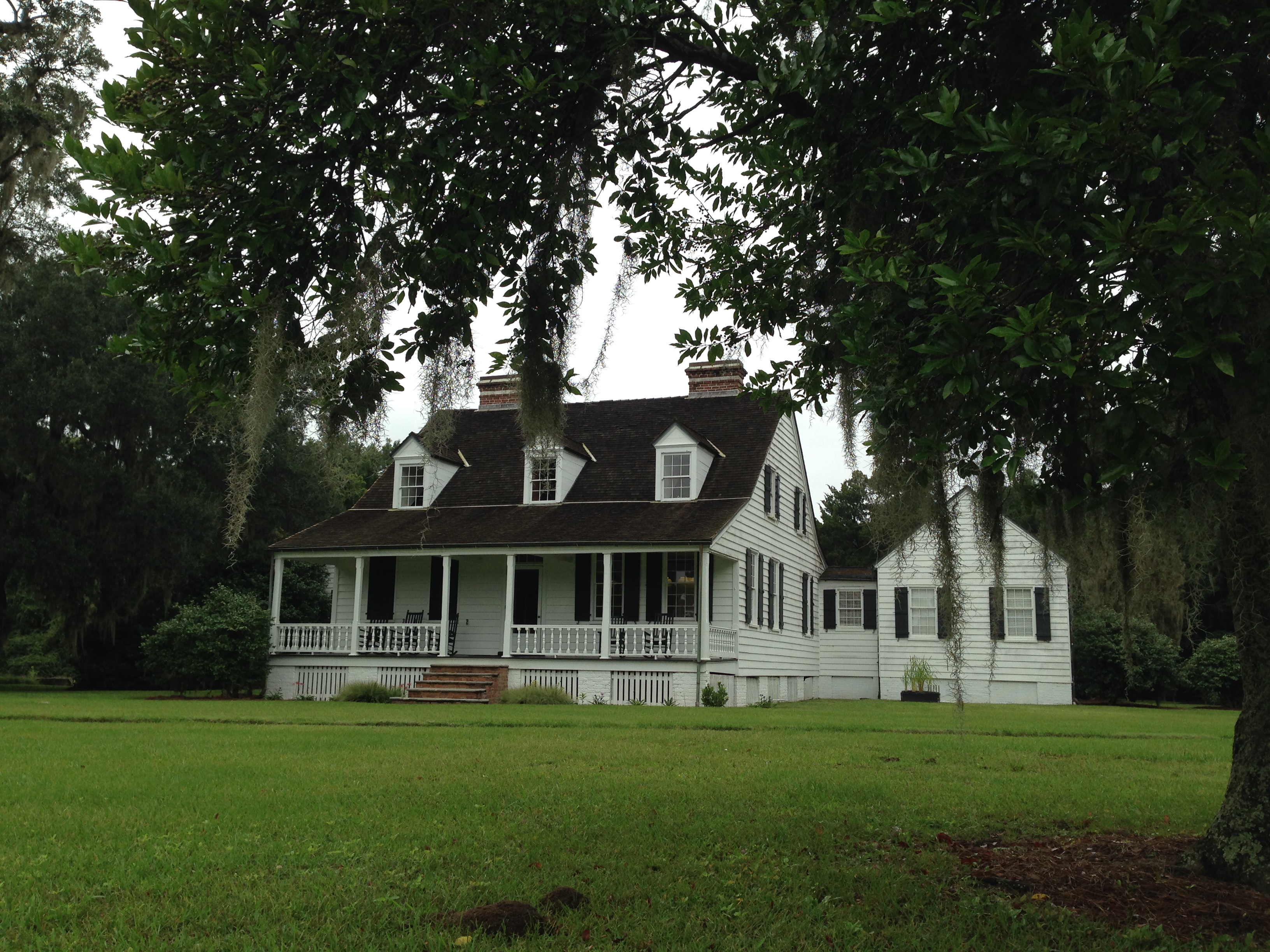
Charles Pinckney was a principal author and signer of the United States Constitution and went on to be a political leader in South Carolina for over 40 years. The park preserves Snee Farm, one of his plantation properties, where visitors can learn about the politician's influences on Charleston, the African people he enslaved, plantation operations, and the legacy of Pinckney's life.
National Historic Site
Christiansted National Historic Site
VI
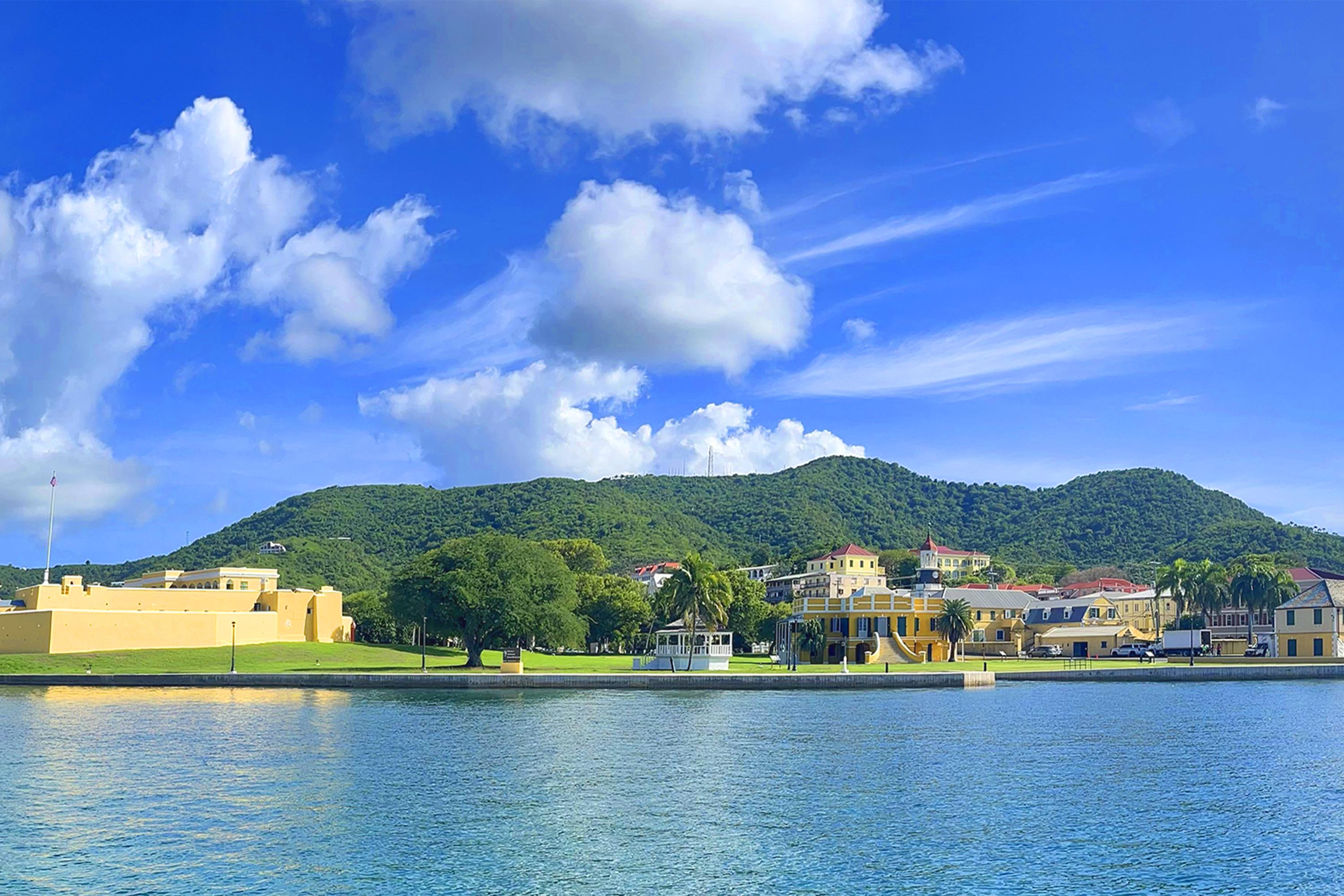
Christiansted National Historic Site was established in 1952 as the first unit of the National Park Service in the Virgin Islands of the United States. Covering over seven acres the park tells the stories about Danish economy and ways of life, and the interactions of people in Europe, Africa, West Indies, and North America during the Danish era of occupation of the Virgin Islands (1734-1917).
National Historic Site
Clara Barton National Historic Site
MD
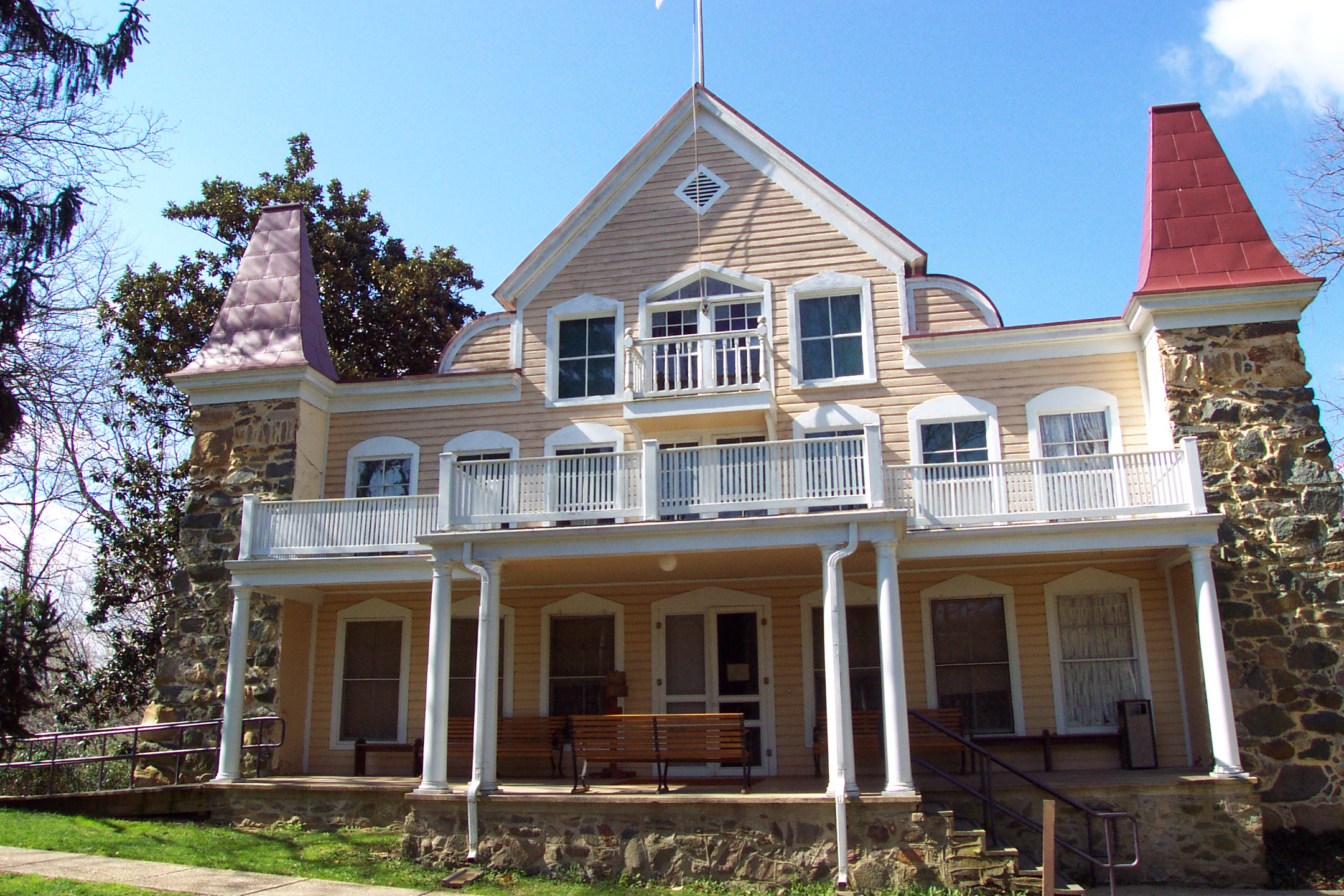
Clara Barton dedicated her life and energies to help others in times of need - both home and abroad, in peacetime as well as during military emergencies. Glen Echo was her home the last 15 years of her life, and the structure illustrates her dedication and concern for those less fortunate than herself.
Showing 1–12 of 79 parks
…