Loading parks…
Historical Parks
National Historical Parks weave together multiple sites, corridors, and landscapes that tell a broader historical story across a region.
69 parks and sites (NPS)
Featured parks for historical parks
Upcoming events
Upcoming ranger programs and events at 69 parks in this designation (from the NPS Events API).
Ranger Programs
Oct 14
Cedar Creek & Belle Grove National Historical Park
History Hangout
Hangout at Belle Grove Plantation with a National Park Service ranger. Join a conversation about the region ’ s long record of human settlement while enjoying a panoramic view of the Shenandoah Valley. Learn why this landscape was important during the Civil War and how the community preserves it as a national park . This is a regular recurring program from May 1, 2026 through October 31, 2026. Wednesdays - Saturdays at 11:30 am Sundays at 2:30 pm
11:30 AM - 12:00 PM
Meet on the front lawn of Belle Grove Plantation, 336 Belle Grove Road, Middletown, VA.
Lectures
Oct 14
Abraham Lincoln Birthplace National Historical Park
War of the Worlds Broadcast
"No one would have believed in the last years of the nineteenth century that this world was being watched keenly and closely by intelligences greater than man’s and yet as mortal as his own..." H.G. Wells War of the Worlds During the month of October, the park will mark the anniversary of the 1938 broadcast of H. G. Wells adaptation of "War of the Worlds" at the Knob Creek Tavern Visitor Center. Each day the visitor center is open, at 1:00pm (EST) the park will play the original broadcast on the 1930s reproduction Tavern radio. Come and enjoy this well-known broadcast in honor of the Halloween Season. Program is free and open to the public. No reservations are required.
01:00 PM - 02:00 PM
Boyhood Home Unit at Knob Creek in the Knob Creek Tavern Visitor Center
Ranger Programs
Oct 14
Boston National Historical Park
Faneuil Hall Talk
Rangers provide FREE Faneuil Hall talks Wednesday through Sunday at 10:30am, 11:30am, 12:30pm, 1:30pm, 2:30pm, and 3:30pm. Each talk lasts about 15 minute. No registration is required.
10:30 AM - 10:45 AM
Great Hall of Faneuil Hall - 2nd Floor of Faneuil Hall
Ranger Programs
Oct 15
Boston National Historical Park
History at Sunset Walking Tour: The Siege, or Ruin and Back Again, Life in 1776 Boston
Join a National Park Service Ranger as they share Boston’s diverse history through unique guided tours. The Siege, or Ruin and Back Again: Life in 1776 Boston August 6 & October 15 When the sun set on June 17, 1775, General Thomas Gage held the heights outside Charlestown at the cost of roughly 1,000 British casualties. Charlestown lay in ruins, and Boston remained a city under siege. Nine months later British soldiers evacuated Boston as General George Washington and the new Continental Army entered Boston victorious. This 90-minute walking tour explores how everyday colonists navigated uncertainty and hardship under occupation and rebuilt their lives after the siege ended in March 1776. Meeting Point: Find Your Park Space in the lower level of Faneuil Hall, 1 Faneuil Hall Square, Boston, MA 02109 Final Stop: Bunker Hill Monument Route Info: The tour will cover approximately 1.5 miles over uneven surfaces, moderate hills, and cross multiple intersections in a highly populated urban area.
05:30 PM - 07:00 PM
Find Your Park Space in the lower level of Faneuil Hall, 1 Faneuil Hall Square, Boston, MA 02109
Ranger Programs
Oct 15
Cedar Creek & Belle Grove National Historical Park
Melodies Along the Turnpike
Join a Park Ranger for a period music demonstration. Hear accounts from Civil War soldiers who wrote of the importance of music while they served in the Shenandoah Valley.
02:00 PM - 03:00 PM
Meet at the Historic Turnpike Crossing on US-11, south of Water Plant Road.
Ranger Programs
Oct 16
Cedar Creek & Belle Grove National Historical Park
From Yorktown to Cedar Creek
How did the events of October 19, 1781 influence the events of October 19, 1864? Join a park ranger to discuss the American Revolution, the Civil War, and the Shenandoah Valley’s role in both conflicts.
02:00 PM - 03:00 PM
Meet at Belle Grove Plantation, 336 Belle Grove Road, Middletown, VA
Guided Tours
Oct 17
Chesapeake & Ohio Canal National Historical Park
Guided Tours of Riley's Lockhouse
Explore the life of a lockkeeper and family in the 1870's time period with a guided tour of one of the C&O Canal's original lockhouses. Girl Scouts offer free tours of the lockhouse and grounds at Lock 24. In addition, there may be various Victorian demonstrations such as laundry, cider pressing, making lemonade, churning butter or ice cream and more. Visitors are welcome to participate in the activities and taste the results. Open every Saturday and Sunday 1pm-4pm, March 21 st through July 12 th and August 16 th through December 12 th . The lockhouse will be closed for bad weather.
01:00 PM - 04:00 PM
Chesapeake & Ohio Canal National Historical Park
Guided Tours
Oct 17
Cane River Creole National Historical Park
Oakland Plantation Main House Self-Guided Tour
The Oakland Plantation Main House is open for self-guided tours with limited capacity. Please note that tour schedules are subject to change. For updates call 318-352-0383.
10:00 AM - 02:00 PM
Cane River Creole National Historical Park
Ranger Programs
Oct 18
Cedar Creek & Belle Grove National Historical Park
History Hangout
Hangout at Belle Grove Plantation with a National Park Service ranger. Join a conversation about the region ’ s long record of human settlement while enjoying a panoramic view of the Shenandoah Valley. Learn why this landscape was important during the Civil War and how the community preserves it as a national park . This is a regular recurring program from May 1, 2026 through October 31, 2026. Wednesdays - Saturdays at 11:30 am Sundays at 2:30 pm
02:30 PM - 03:00 PM
Meet on the front lawn of Belle Grove Plantation, 336 Belle Grove Road, Middletown, VA.
Guided Tours
Nov 1
Chesapeake & Ohio Canal National Historical Park
Abner Cloud House Tour
Built in 1801 by Abner Cloud, Jr., the house is considered one of the finest examples of Federal architecture in Washington D.C. Pre-dating the construction of the C&O Canal, the home of Abner Cloud served as the center of the family farm and fishing business. Tour the Abner Cloud House and learn more about early 19th century farming, architecture, and the people who lived and worked on the property. The three-story, stone home is operated in parntership with The Colonial Dames of America and is open for tours on the first Sunday of each month from 12:00 pm - 5:00 pm. The Abner Cloud House is located at Fletchers Cove . Admission to Fletchers Cove and the Abner Cloud House is free.
12:00 PM - 04:00 PM
4940 Canal Rd NW,
Washington, DC 20007
Special Events
Dec 25
All parks (69)
National Historical Park
Abraham Lincoln Birthplace National Historical Park
KY
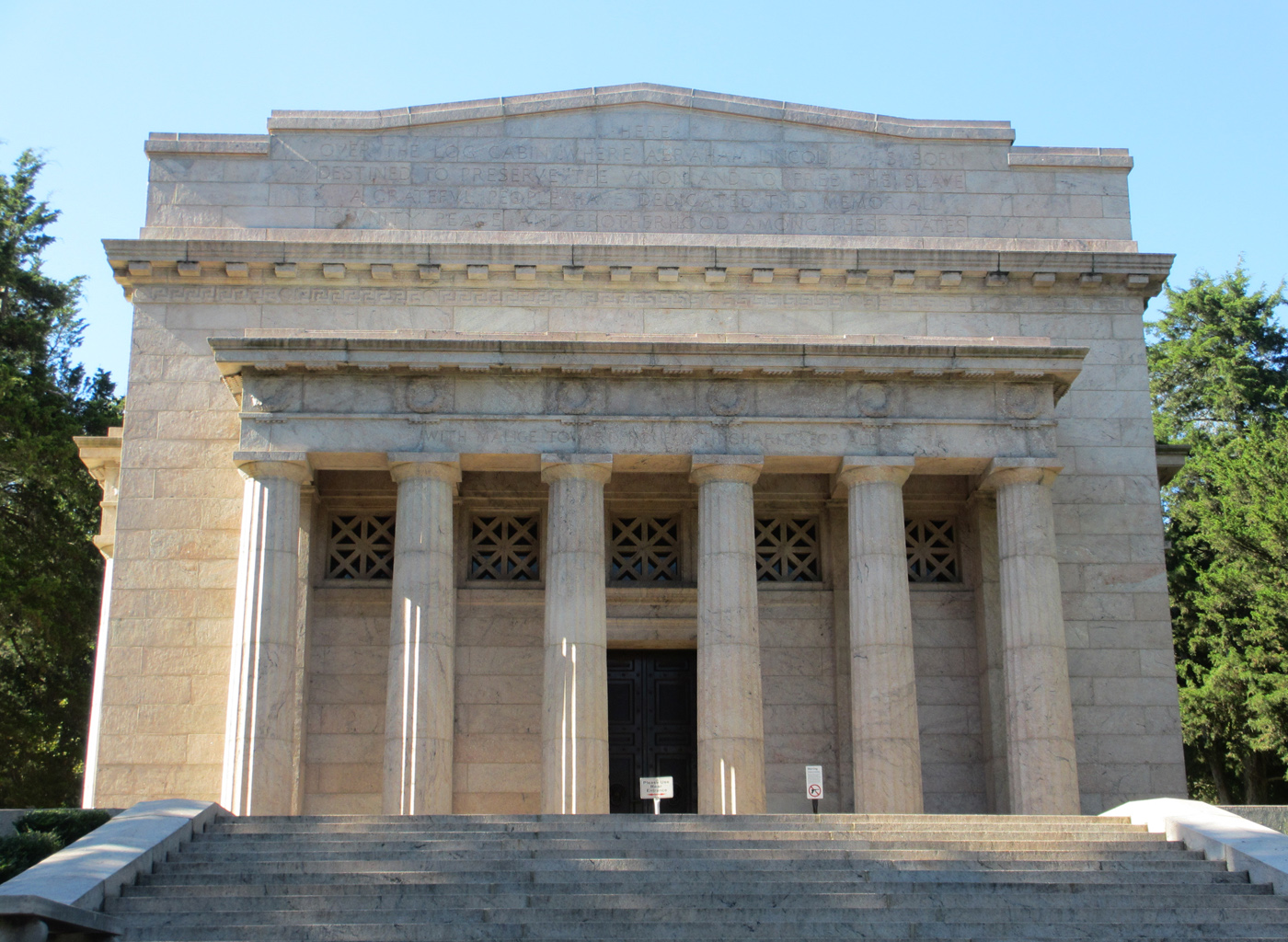
For over a century people from around the world have come to rural Central Kentucky to honor the humble beginnings of our 16th president, Abraham Lincoln. His early life on Kentucky's frontier shaped his character and prepared him to lead the nation through Civil War. Visit our country's first memorial to Lincoln, built with donations from young and old, and the site of his childhood home.
National Historical Park
Adams National Historical Park
MA
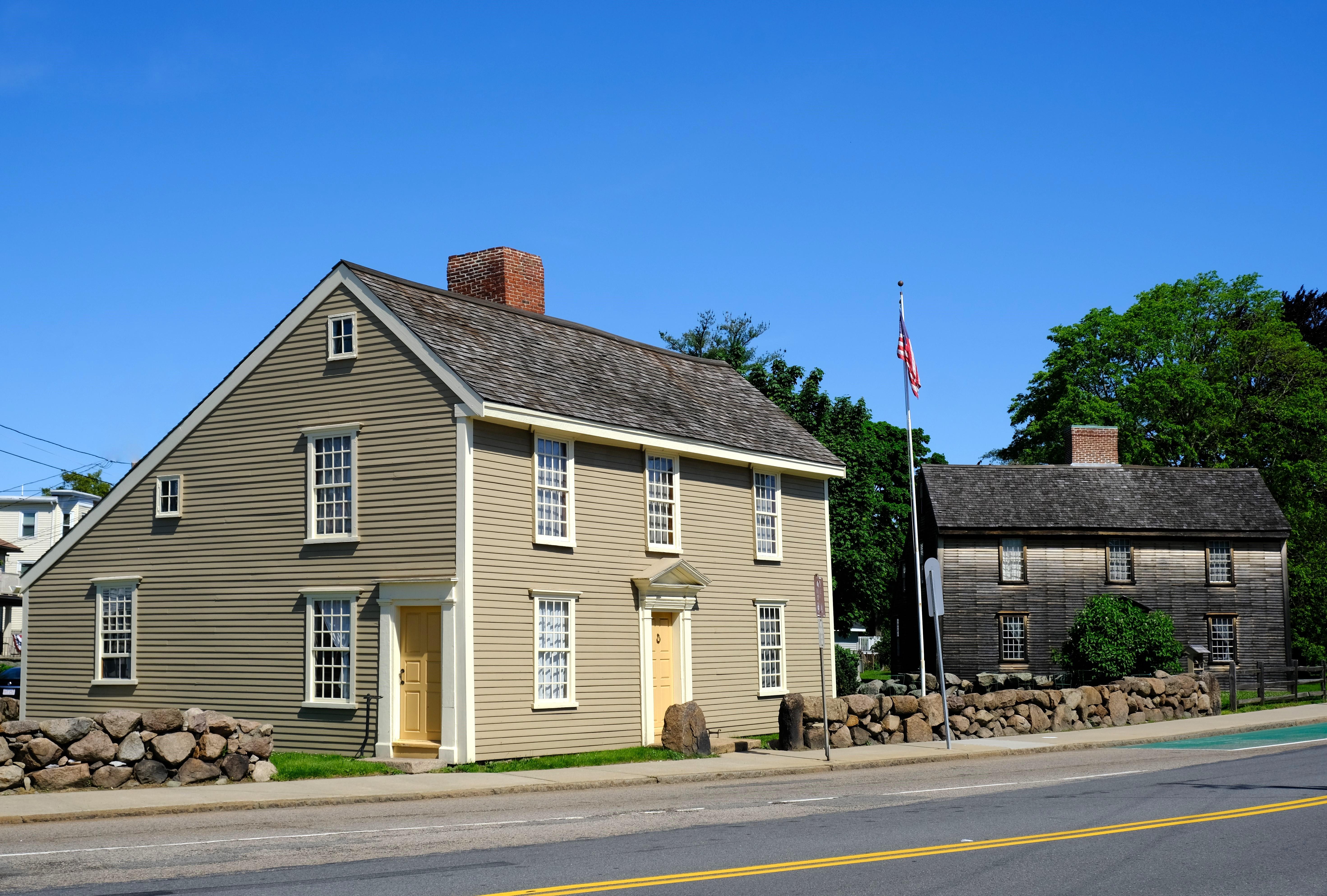
From the sweet little farm at the foot of Penn’s Hill to the gentleman’s country estate at Peace field, Adams National Historical Park is the story of “heroes, statesmen, philosophers…and learned women” whose ideas and actions helped to transform thirteen disparate colonies into one united nation.
National Historical Park
Appomattox Court House National Historical Park
VA
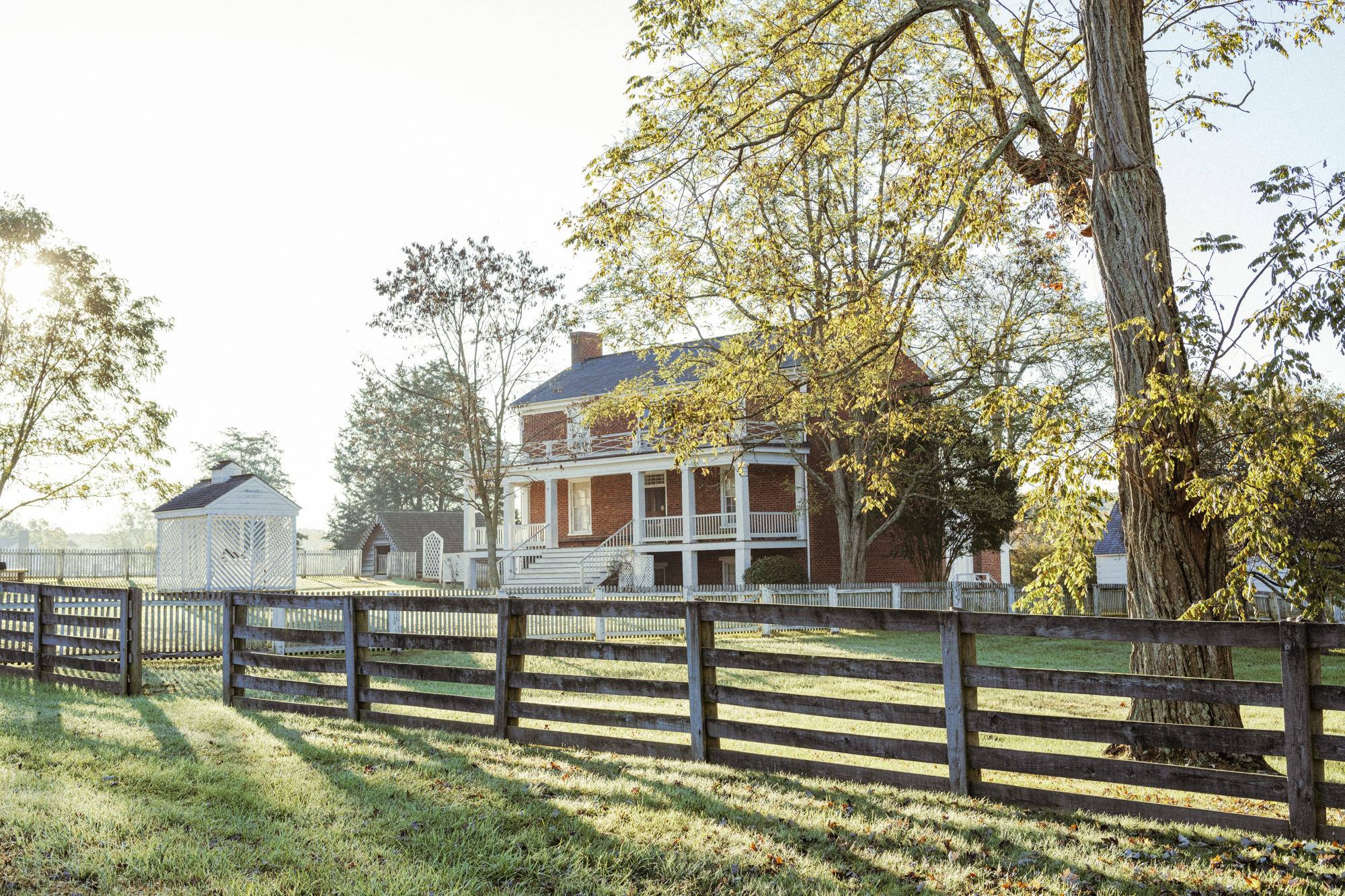
On April 9, 1865, the surrender of the Army of Northern Virginia in the McLean House in the village of Appomattox Court House, Virginia signaled the effective end of the nation's largest war. Questions remained: could the nation reunite as one? How would emancipation be realized?
National Historical Park
Blackstone River Valley National Historical Park
RI,MA
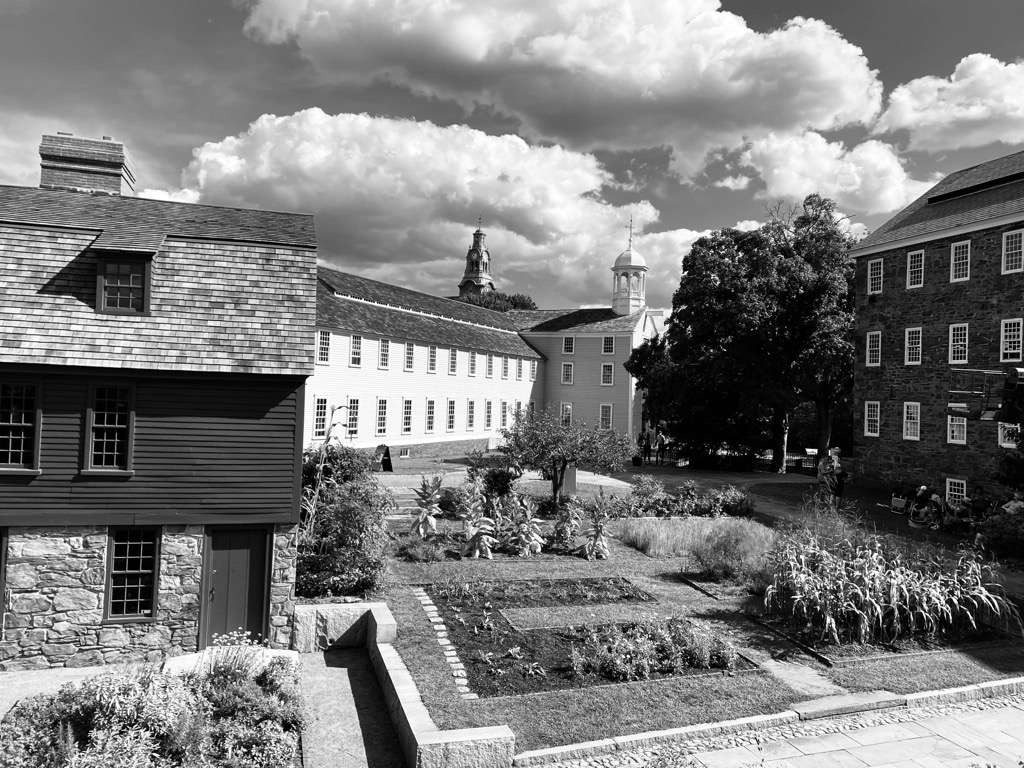
The Blackstone River powered America's entry into the Age of Industry. The success of Samuel Slater's cotton spinning mill in Pawtucket, RI touched off a chain reaction that changed how people worked and where they lived. Learn how this revolution transformed the landscape of the Blackstone Valley and the United States. The Visitor Center at Old Slater Mill is closed for the winter season.
National Historical Park
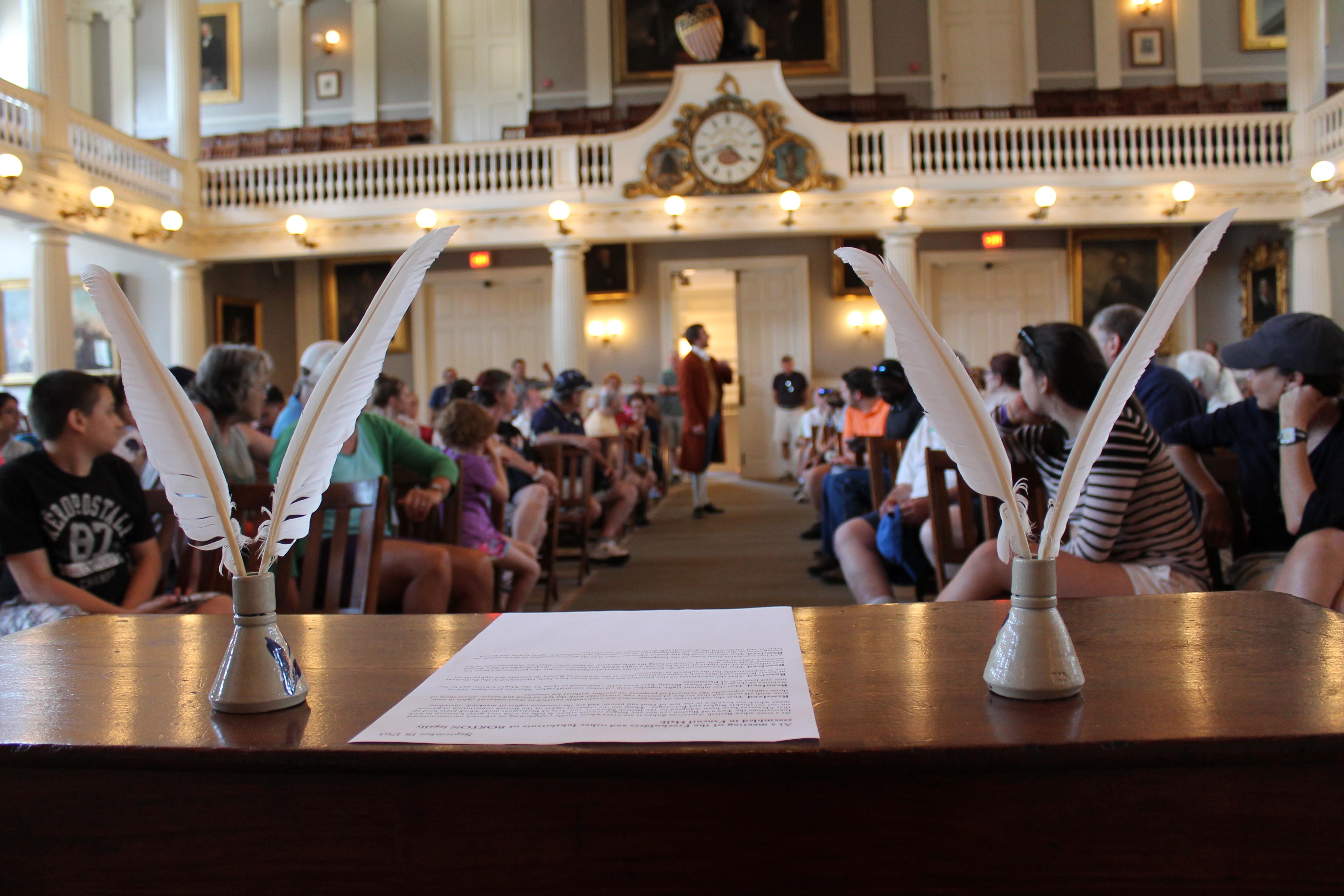
Boston National Historical Park
MA
Discover how one city could be the Cradle of Liberty, site of the first major battle of American Revolution, and home to many who espoused that freedom can be extended to all.
National Historical Park
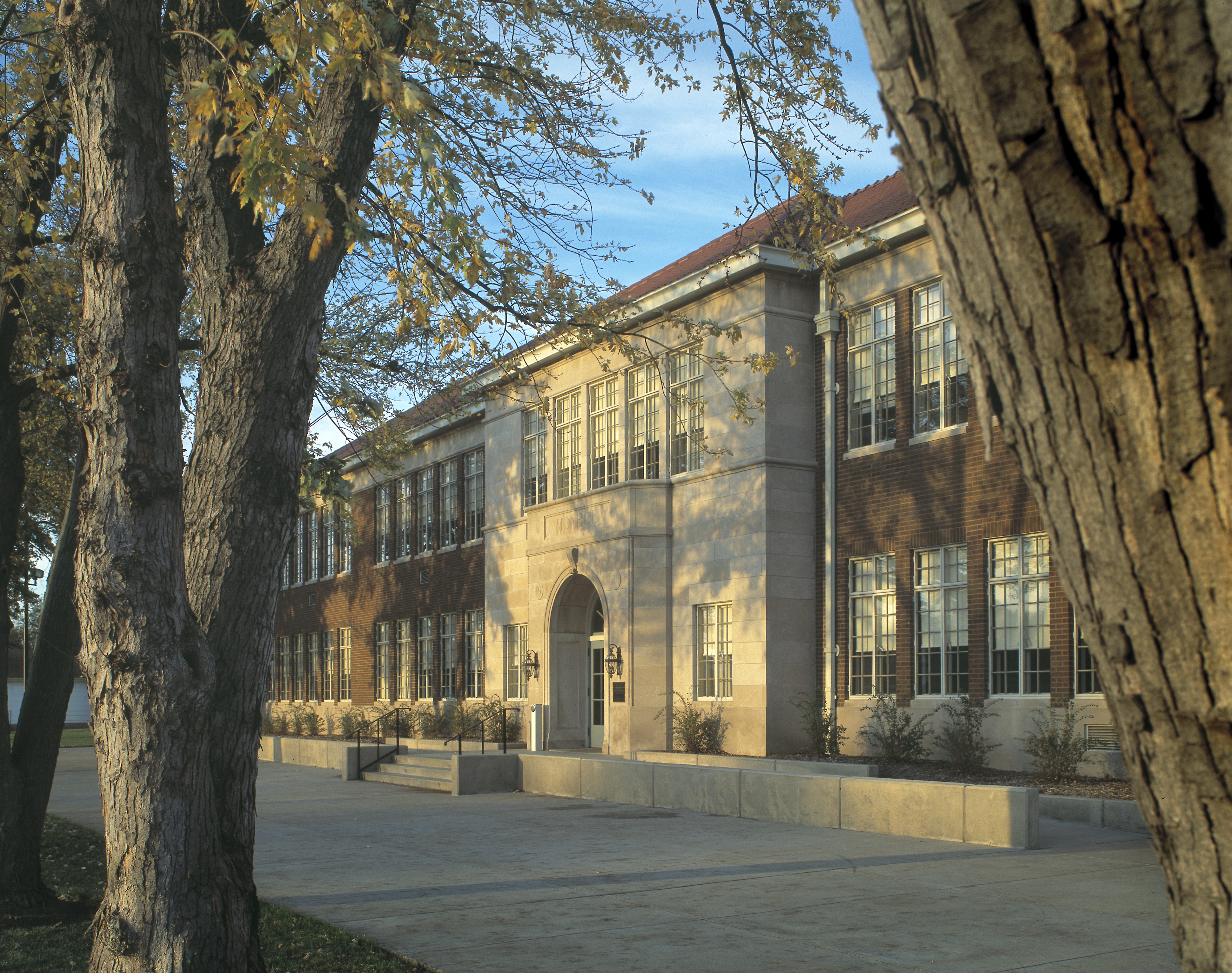
Brown v. Board of Education National Historical Park
KS
The path to equality has been anything but smooth. It's taken courage and dedication by everyday people coming together for a common goal to carry the country toward true equality. Parents, teachers, secretaries, welders, ministers, and students drove their communities, and the country along with them, toward justice in a series of often unsteady turns leading to the Brown v. Board decision.
National Historical Park
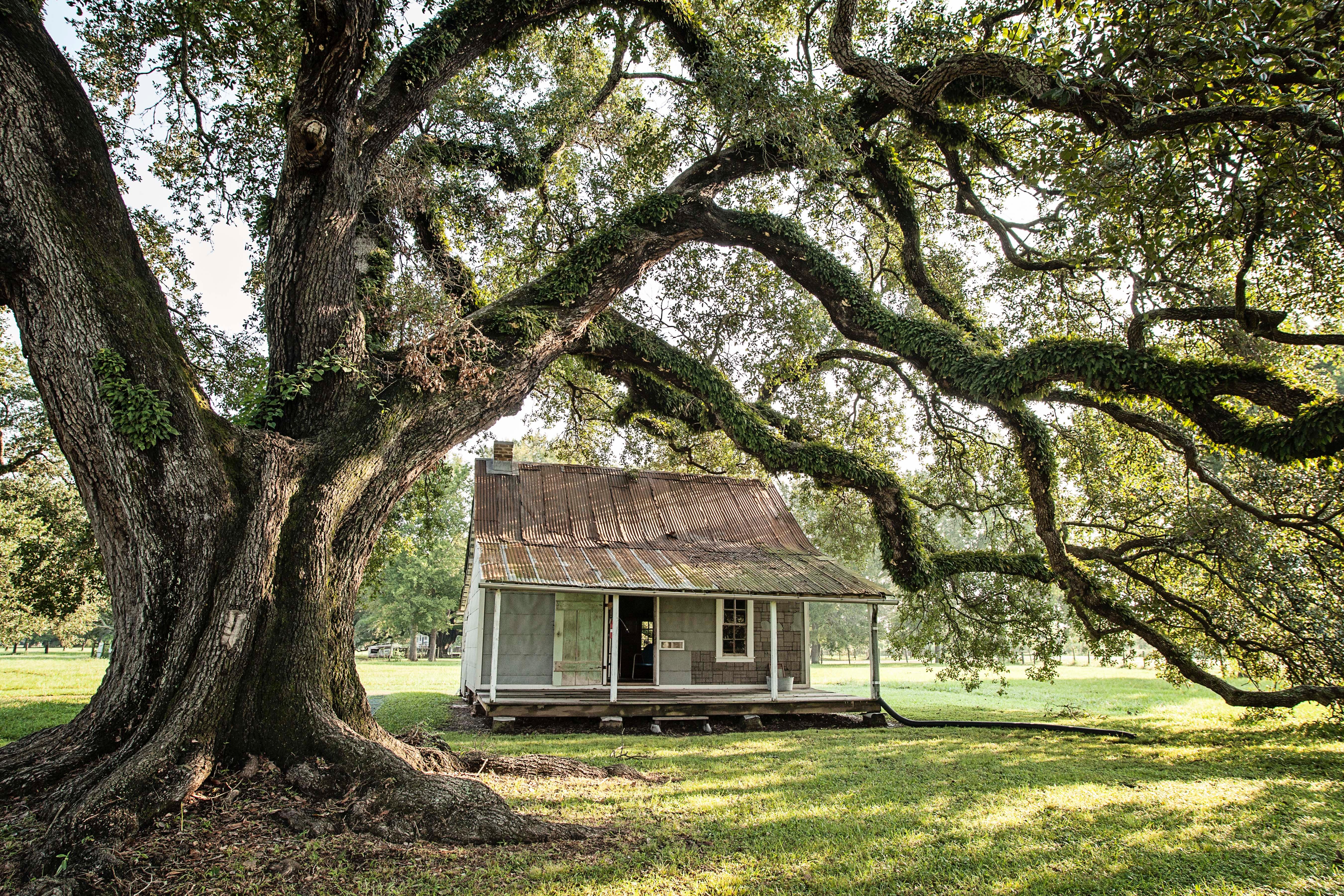
Cane River Creole National Historical Park
LA
The Cane River region is home to a unique culture; the Creoles. Generations of the same families of workers, enslaved and tenant, and owners lived on these lands for over 200 years. The park tells their stories and preserves the cultural landscape of Oakland and Magnolia Plantations, two of the most intact Creole cotton plantations in the United States.
Part of Colonial National Historical Park
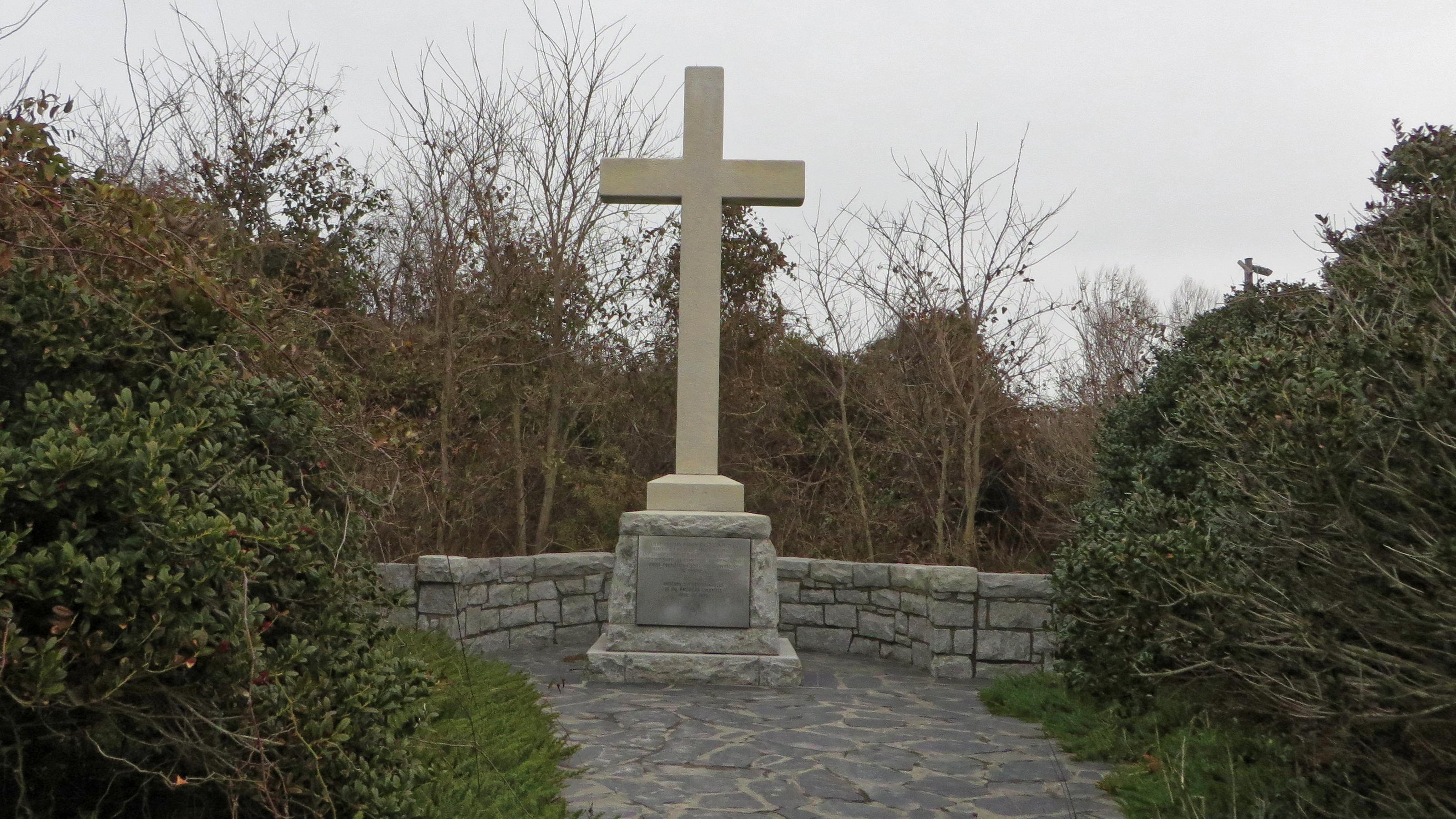
Cape Henry Memorial Part of Colonial National Historical Park
VA
English colonists first landed here in April 1607, erected a wooden cross and gave thanks for a successful crossing to a new land. In 1781, Americans could watch from these same sand dunes the largest naval battle of the Revolutionary War. Our French Allies defeated a British fleet just off this shore to set the stage for General George Washington's victory at Yorktown.
National Historical Park
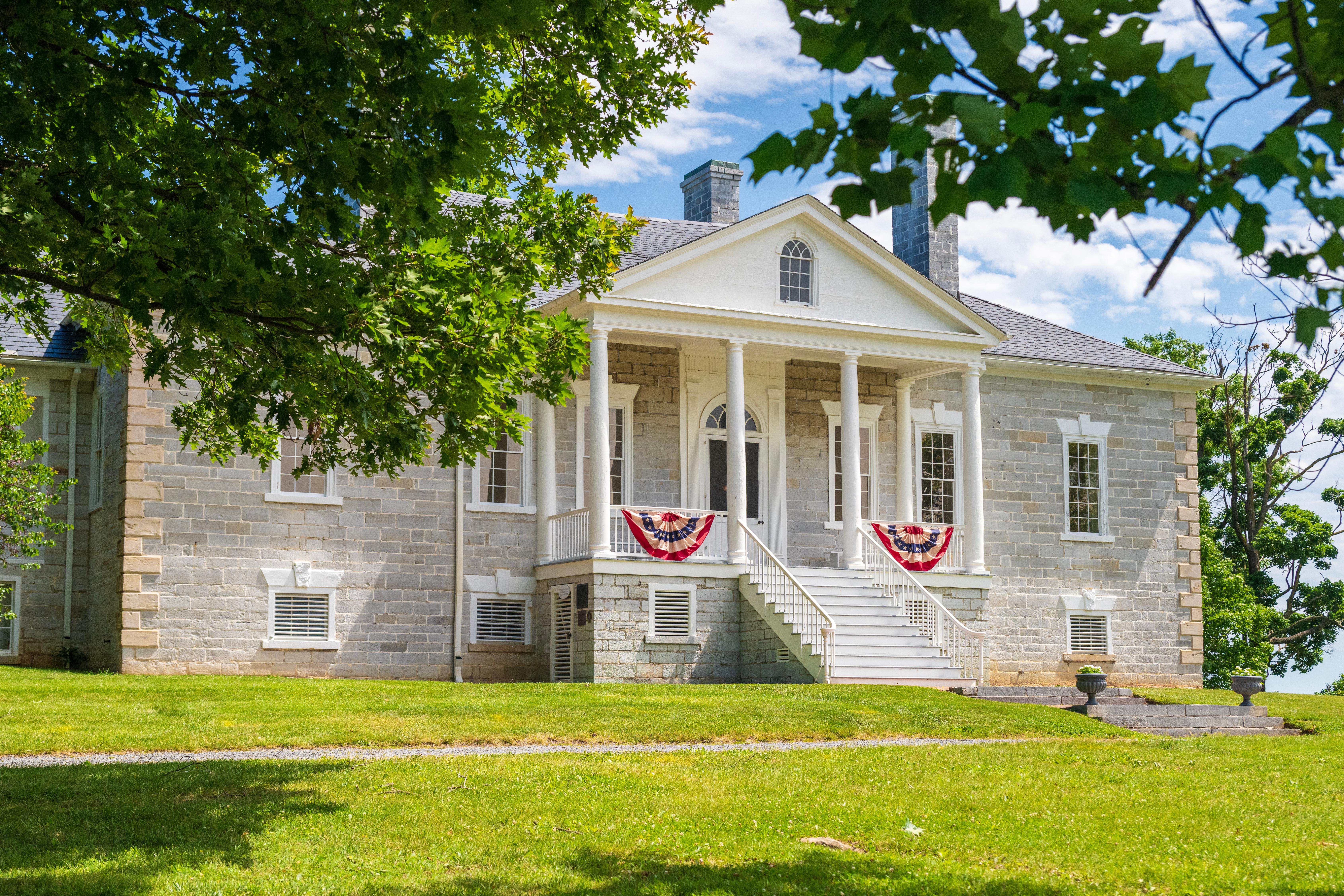
Cedar Creek & Belle Grove National Historical Park
VA
Virginia’s Shenandoah Valley has a long and rich heritage that still inspires today. Native Americans first shaped the land, followed by colonists and settlers. The fertile valley became an important wheat-growing region in the 1800s. It also witnessed dramatic Civil War campaigns, including the Battle of Cedar Creek, a decisive Federal victory that helped bring the war to an end.
National Historical Park
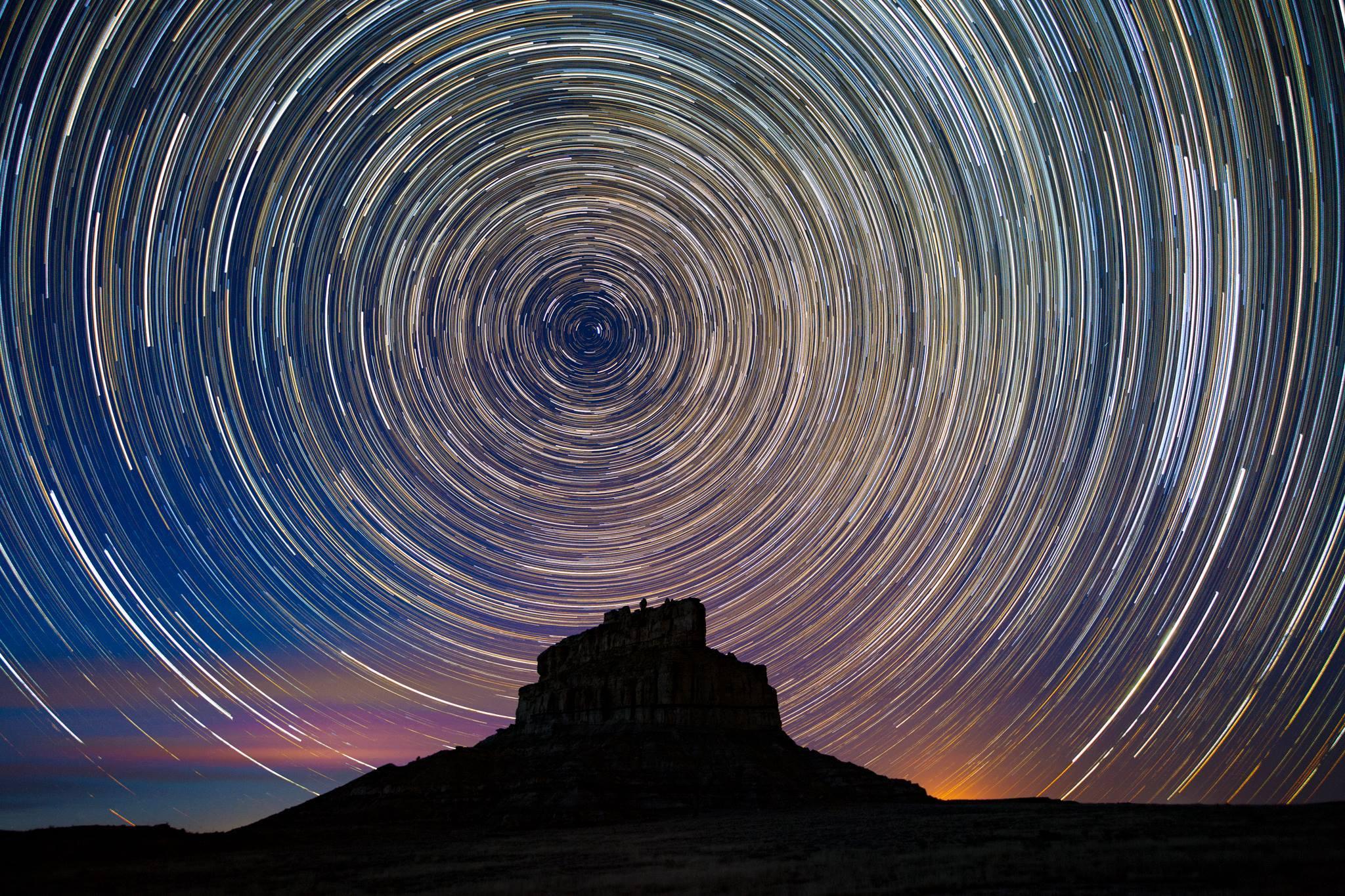
Chaco Culture National Historical Park
NM
Explore the monumental structures and breathtaking landscape at Chaco, a thriving regional center for the ancestral Pueblo people from 850 to 1250 CE (Common Era), through hiking & biking trails, ranger guided tours & programs, and more. Chaco Canyon is a sacred and deeply personal place for many Indigenous peoples throughout the Southwest. Please visit with respect.
National Historical Park
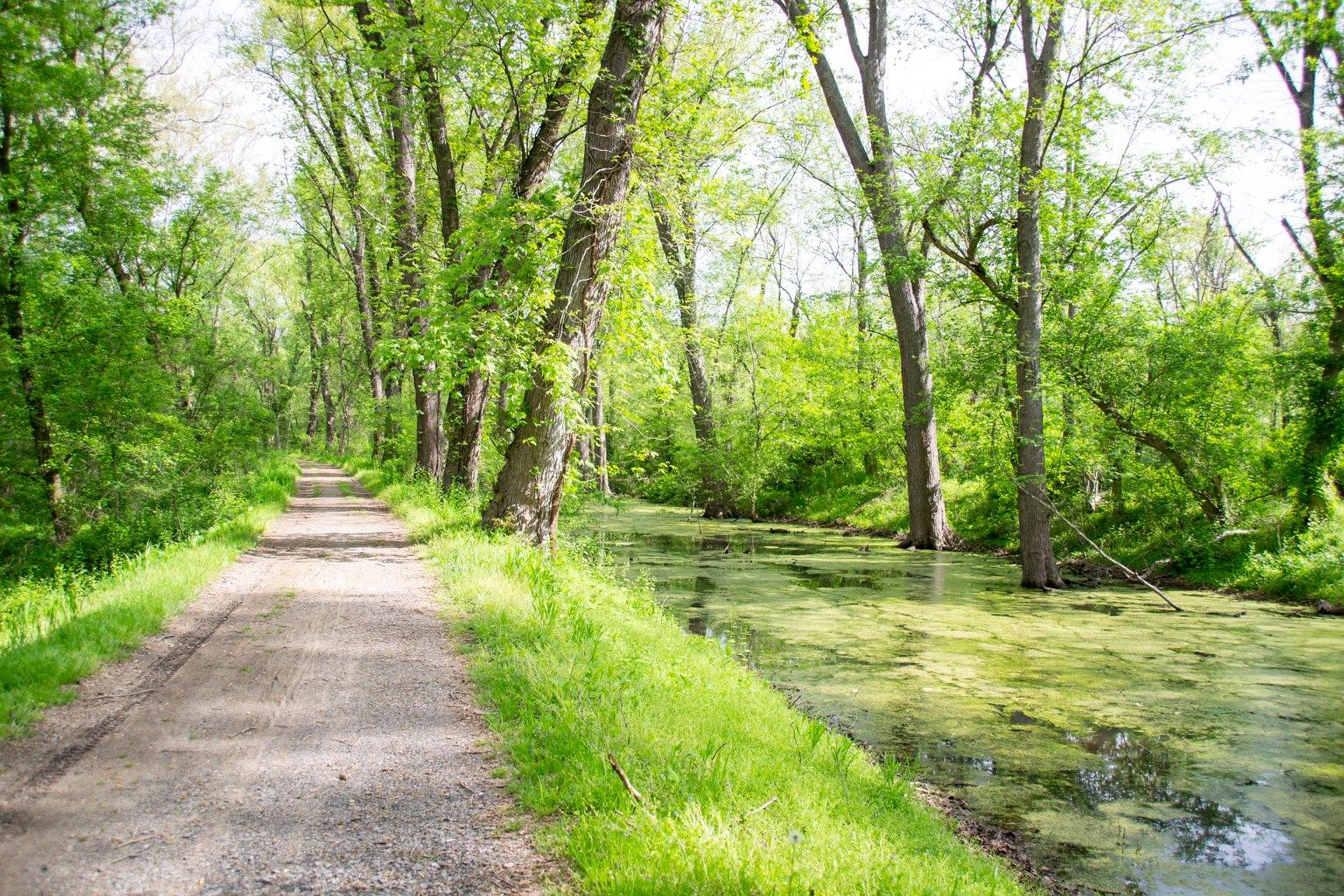
Chesapeake & Ohio Canal National Historical Park
DC,MD,WV
Preserving America's early transportation history, the C&O Canal began as a dream of passage to Western wealth. Operating for nearly 100 years the canal was a lifeline for communities along the Potomac River as coal, lumber, and agricultural products floated down the waterway to market. Today it endures as a pathway for discovering historical, natural, and recreational treasures.
National Historical Park
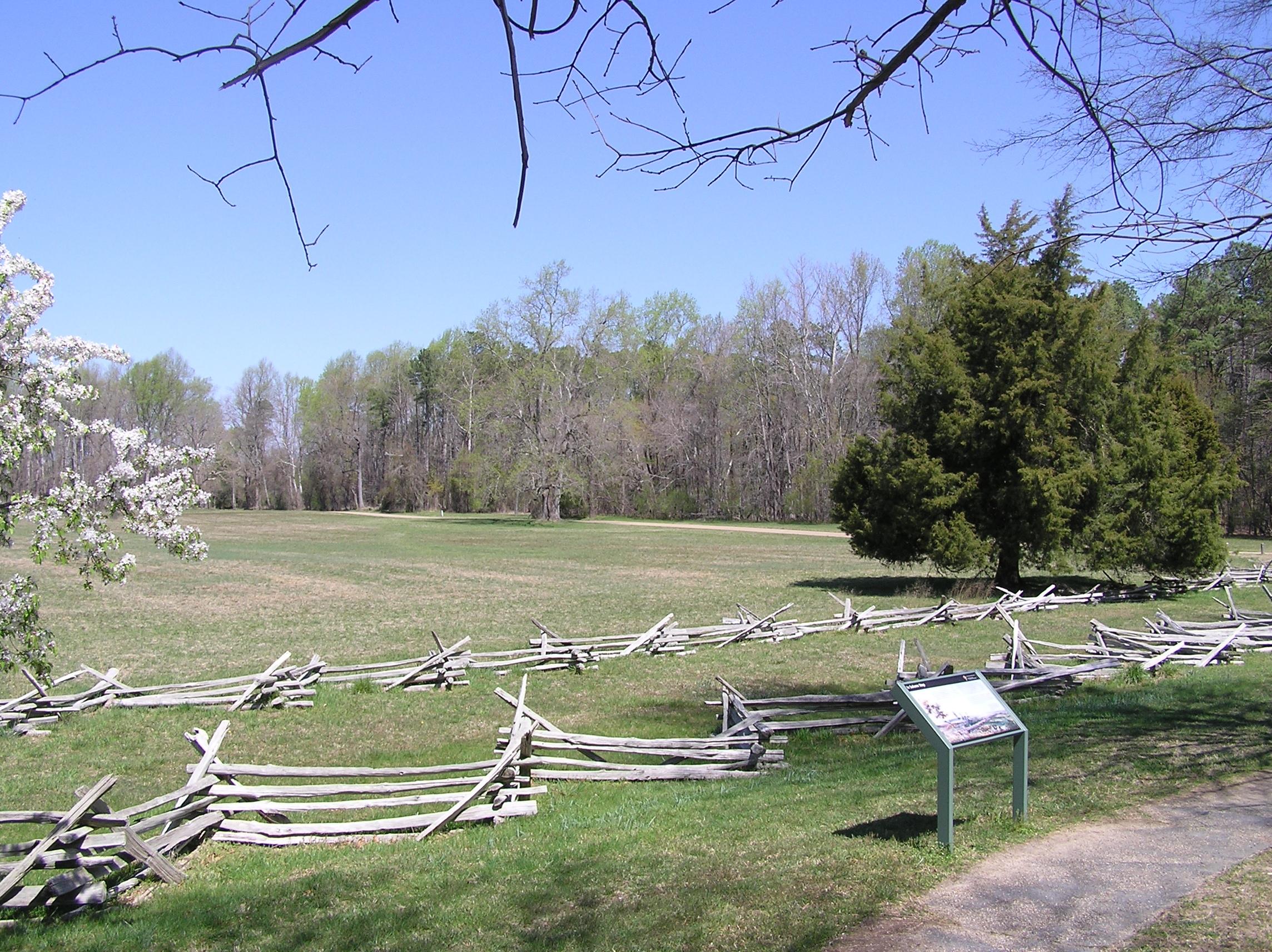
Colonial National Historical Park
VA
On May 13, 1607, Jamestown was established as the first permanent English settlement in North America. Three cultures came together – European, Virginia Indian and African–to create a new society that would eventually seek independence from Great Britain. On October 19, 1781, American and French troops defeated the British at Yorktown in the last major battle of the American Revolutionary War.
Showing 1–12 of 69 parks
…