Loading parks…
Monuments
National Monuments protect cultural landscapes, geologic wonders, and historic resources that are often compact enough for a focused day or weekend visit. Many monuments highlight Indigenous heritage, fossil beds, cliff dwellings, or dramatic rock formations.
87 parks and sites (NPS)
Featured parks for monuments
Upcoming events
Upcoming ranger programs and events at 87 parks in this designation (from the NPS Events API).
Guided Tours
Nov 27
Belmont-Paul Women's Equality National Monument
Museum Tour
Join NPS staff for a guided tour of the museum exhibits. Learn about the National Woman's Party and their confrontational tactics in the fight for the 19th amendment ensuring women's right to vote. The work continued in this headquarters as the NWP continued the campaign for women's social, political, and economic equality.
10:00 AM - 11:00 AM
144 Constitution Avenue, NE, Washington, DC 20002
Guided Tours
Nov 27
Belmont-Paul Women's Equality National Monument
Museum Tour
Join NPS staff for a guided tour of the museum exhibits. Learn about the National Woman's Party and their confrontational tactics in the fight for the 19th amendment ensuring women's right to vote. The work continued in this headquarters as the NWP continued the campaign for women's social, political, and economic equality.
02:00 PM - 03:00 PM
144 Constitution Avenue, NE, Washington, DC 20002
Ranger Programs
Nov 27
Booker T. Washington National Monument
Born Here, Freed Here Walking Tour
Join a park ranger for a 45-minute walking tour of the site where Booker T. Washington was born and freed at the age of 9. Learn about Washington’s enslaved childhood on the Burroughs plantation and his emancipation here in 1865. All programs are only offered as weather and staffing permits.
11:00 AM - 11:45 AM
Booker T. Washington National Monument
Ranger Programs
Nov 27
Booker T. Washington National Monument
Born Here, Freed Here Walking Tour
Join a park ranger for a 45-minute walking tour of the site where Booker T. Washington was born and freed at the age of 9. Learn about Washington’s enslaved childhood on the Burroughs plantation and his emancipation here in 1865. All programs are only offered as weather and staffing permits.
02:00 PM - 02:45 PM
Booker T. Washington National Monument
Ranger Programs
Nov 27
Cabrillo National Monument
The Story of Cabrillo National Monument
Behind every landmark at Cabrillo National Monument is a story. Join a ranger for a 30-minute guided walk introducing the people, places, and events that shaped Cabrillo National Monument. From Juan Rodríguez Cabrillo's 1542 expedition and the history of the Old Point Loma Lighthouse to the creation and growth of the monument itself, discover how this remarkable landscape became the park visitors experience today. Whether you're visiting for the first time or returning to explore again, this program provides the historical context behind the monument's iconic landmarks and offers a deeper appreciation for the stories that continue to shape Cabrillo National Monument. No reservations are required. Meet in front of the Visitor Center. Visitors are welcome to join or leave the program at any point along the route. Walk Information Distance: Approximately 0.2 miles Duration: 30 minutes Difficulty: Easy, with paved, flat walkways Accessibility: Wheelchair and stroller accessible Facilities: Restrooms and water refill station available at the Visitor Center What to Bring Water Sun protection (hat and sunscreen) Comfortable walking shoes Questions! Rangers are happy to help you plan the rest of your visit after the program. Fees This event is free to attend. Location Meet outside the Visitor Center at Cabrillo National Monument.
10:00 AM - 10:30 AM
Cabrillo National Monument
Guided Tours
Nov 28
Cabrillo National Monument
Open Military Bunker
If conditions permit, volunteers will bring the coastal defenses of Point Loma to life. These are your only chances to tour the bunkers on Point Loma. Don't miss this amazing opportunity to learn more about the soldiers stationed at Fort Rosecrans during WWII and see the weapons and instruments that protected our coast during the tumultuous war years. The bunker can't be opened if there is inclement weather. Check with the Visitor Center for the latest schedule.
10:00 AM - 02:30 PM
Cabrillo National Monument
Guided Tours
Nov 28
Cabrillo National Monument
Guided Walking Tour of Cabrillo
Join a park volunteer for a one-hour walking tour of Cabrillo National Monument including the Cabrillo Statue and the Old Point Loma Lighthouse at 11 a.m. and 1 p.m. This program is suitable for all ages. No reservations required. Meet in front of the Visitor Center and keep in mind that the walk includes a hill up to the lighthouse.
11:00 AM - 12:00 PM
Cabrillo National Monument
Ranger Programs
Nov 28
Booker T. Washington National Monument
Footsteps of Freedom Guided Hike
Meet at the visitor center to hike with a ranger on the 1.5-mile Jack-O-Lantern Branch Trail and learn about the nature and history of Booker T. Washington's childhood home. All programs are only offered as weather and staffing permits.
10:00 AM - 11:30 AM
Booker T. Washington National Monument
Workshops
Dec 4
Cabrillo National Monument
Guided Bird Watching
Cabrillo National Monument is a hotspot for both resident and migrating birds as part of the Pacific Flyway, a central migration corridor used by billions of birds each year. Its unique ecology and position along the coast make Cabrillo an ideal place to observe terrestrial and coastal bird species. Join park staff for a one-mile bird watching hike along the coastal trail. All ages and experience levels are welcome. This is a great opportunity to learn the basics of birding while seeing some of the diverse birds that call the coast home. No reservations required. Meet at the Tidepool kiosk, located at the entrance of the Coastal Trail at Parking Lot 1. Please note there is no cell or internet service in this area. Binoculars are available for checkout, on a first come, first served basis. Trail Info Trail Length: One-mile round trip Class 3 Trail: Middle section Class 5 Trail: Entrances at Lot 1 and Lot 2 Difficulty: Easy to moderate, with a few steep slopes and staircases Hiking Time: 1 hour Facilities: Restrooms at Lot 1; no trash cans or water refill stations along the trail What to bring Bring water, and sunscreen especially during warm summer months. Wear sturdy shoes suitable for uneven surfaces. Your favorite pair of binoculars ( we will have some available for checkout) Fees This event is free to attend Location Tidepool parking lot one of the coastal area. 32.668251, -117.244316
09:30 AM - 10:30 AM
Tidepool parking lot one of the coastal area.
Guided Tours
Dec 4
Booker T. Washington National Monument
Christmas Through Booker's Eyes - Candlelit Walking Tour
Guided lantern tours will be offered every 30 minutes from 5:00 to 6:30 p.m. The tours will focus on how Washington and the nine other enslaved people on the Burroughs plantation experienced Christmas during the Civil War era. Family-friendly crafts will be available from 3:30 to 6:30 p.m., and light refreshments will be provided while supplies last. All programs are free, open to the public and subject to change.
05:00 PM - 06:30 PM
Booker T. Washington National Monument
Guided Tours
Dec 4
Booker T. Washington National Monument
Christmas Through Booker's Eyes - Guided Walking Tour
A special daytime tour begins at 11:00 a.m. and will focus on how Booker T. Washington and the nine other enslaved people on the Burroughs plantation experienced Christmas during the Civil War era.
11:00 AM - 11:30 AM
Booker T. Washington National Monument
All parks (87)
National Monument
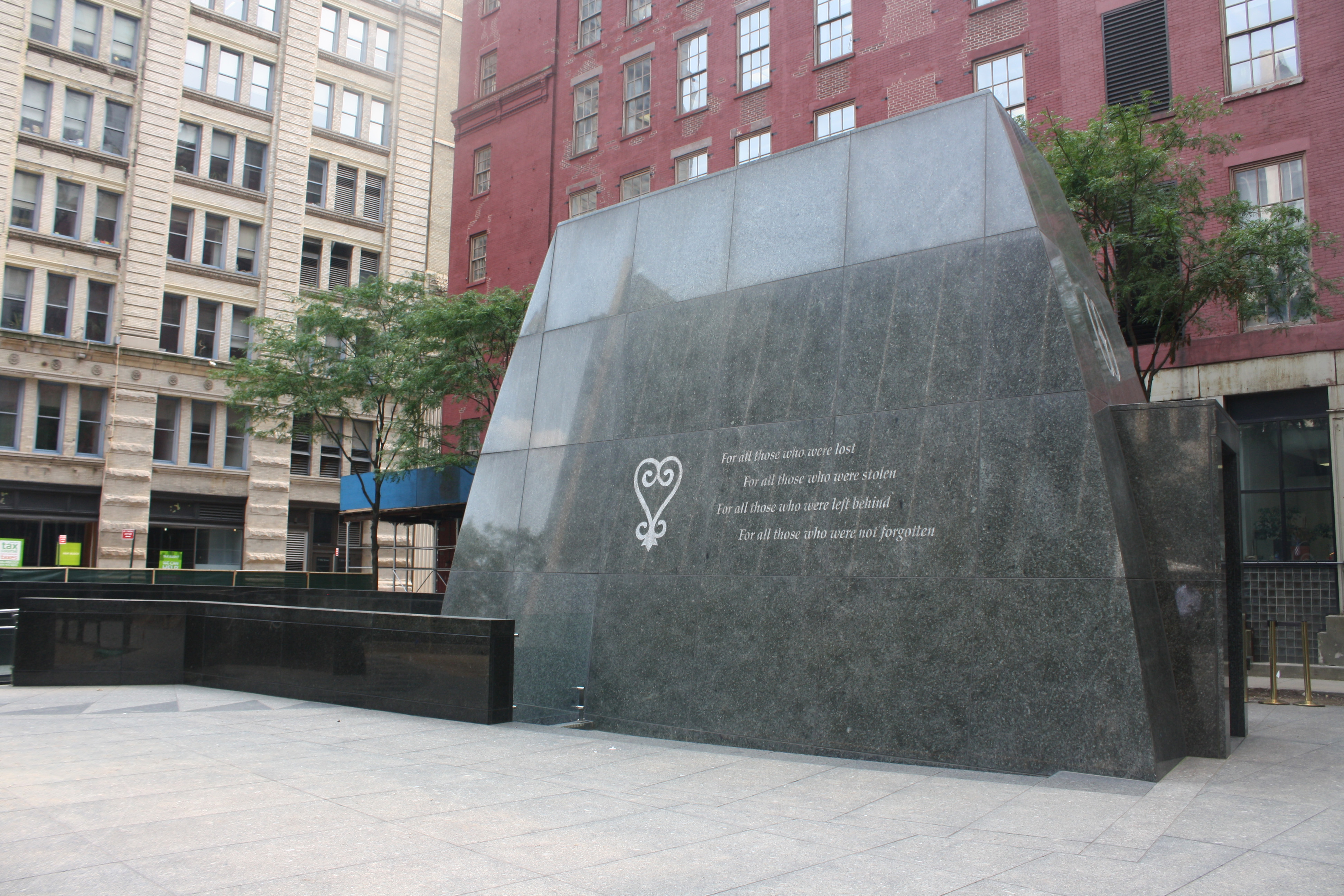
African Burial Ground National Monument
NY
The African Burial Ground stands as the oldest and largest known excavated burial site in North America for both free and enslaved Africans. It offers a profound testament to the enduring legacy of African communities whose labor, resilience, and cultural contributions were fundamental in shaping the development of New York.
National Monument
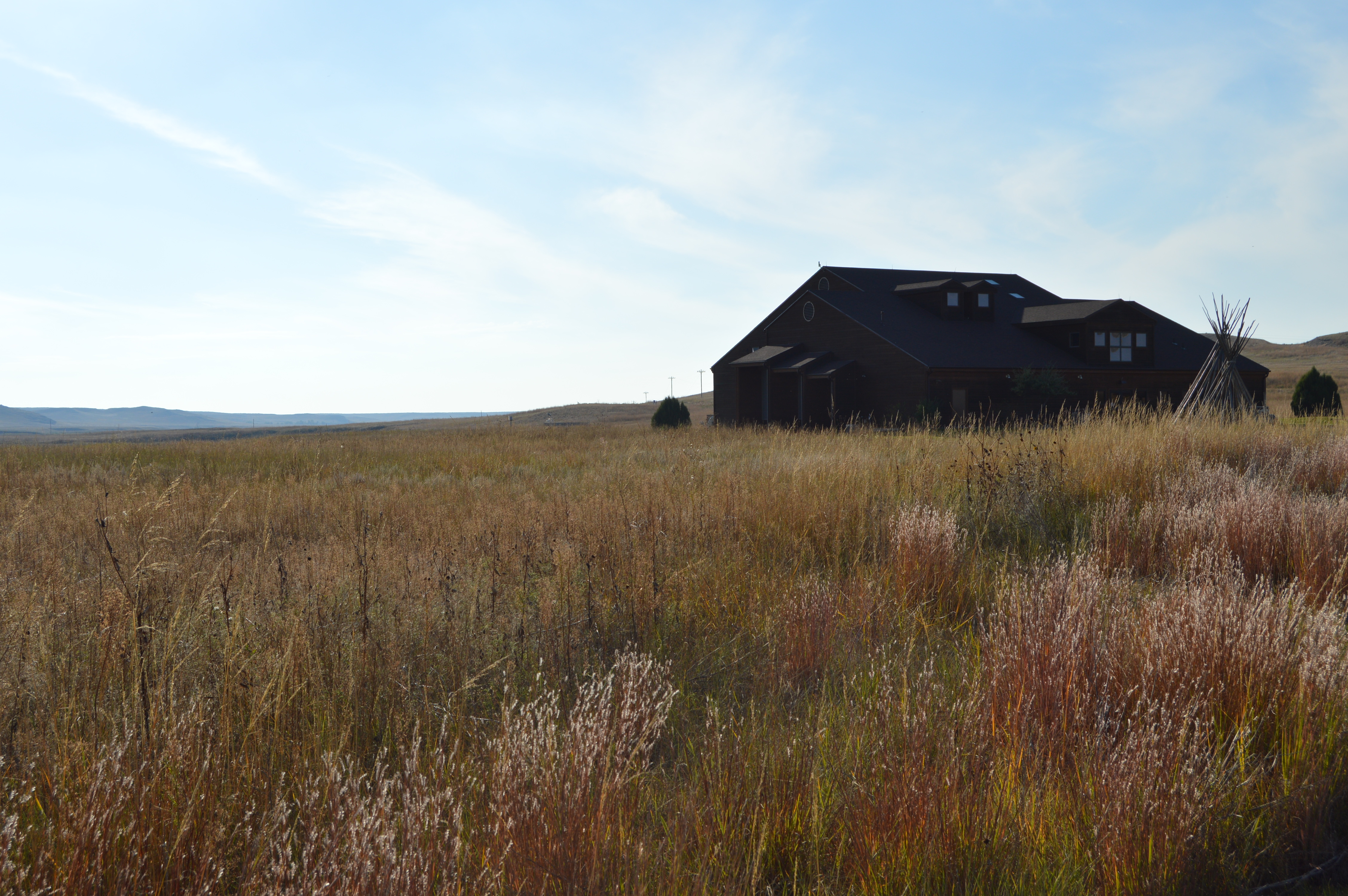
Agate Fossil Beds National Monument
NE
In the early 1900s, paleontologists unearthed the Age of Mammals when they found full skeletons of extinct Miocene mammals in the hills of Nebraska -- species previously only known through fragments. At the same time, an age of friendship began between rancher James Cook and Chief Red Cloud of the Lakota. These two unprecedented events are preserved and protected here... at Agate Fossil Beds.
National Monument
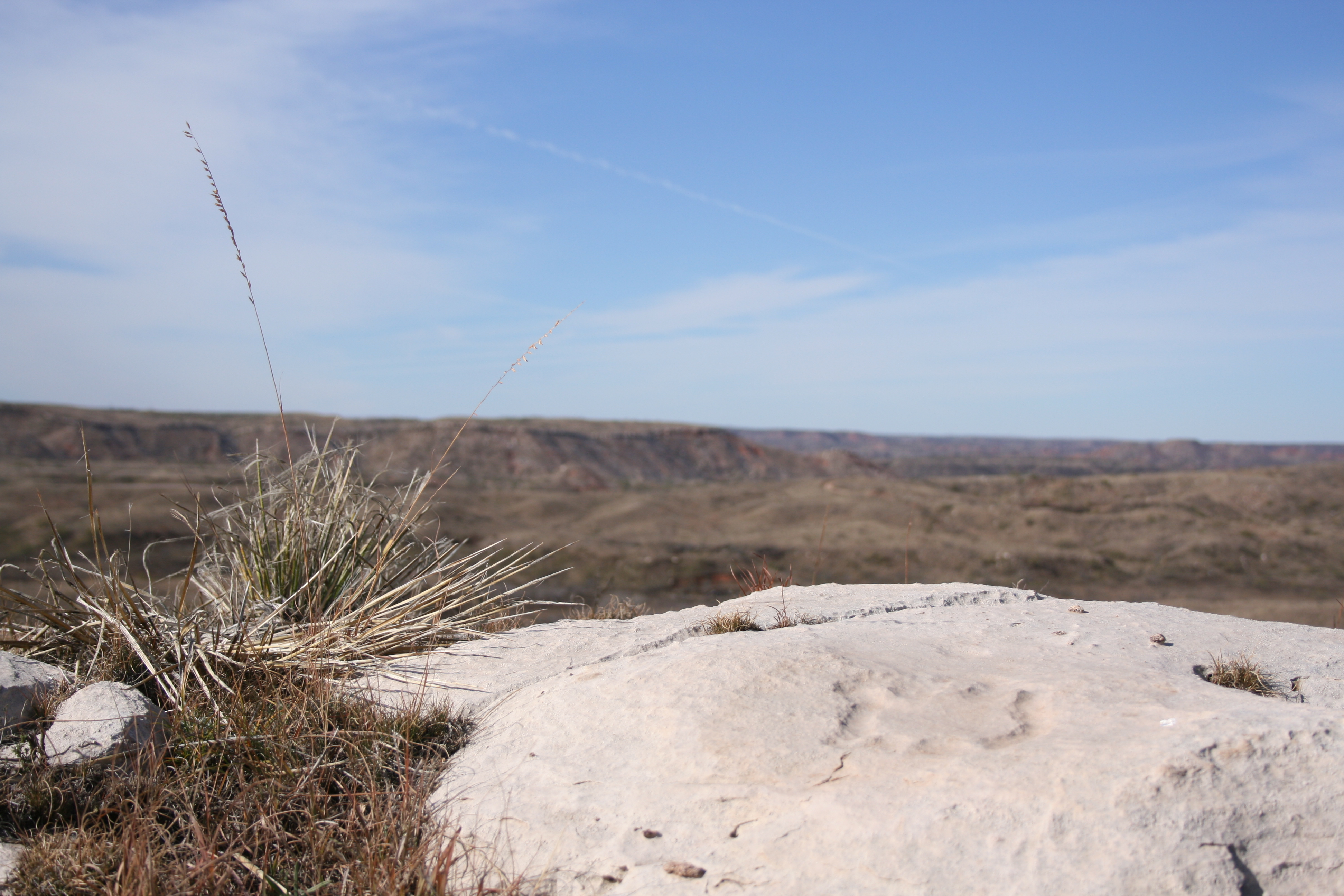
Alibates Flint Quarries National Monument
TX
13,000 years ago, Alibates Flint was used by mammoth hunters as a source of flint for tools. Learn how important this site was to the survival, commerce, and culture of the people of the High Plains.
National Monument & Preserve
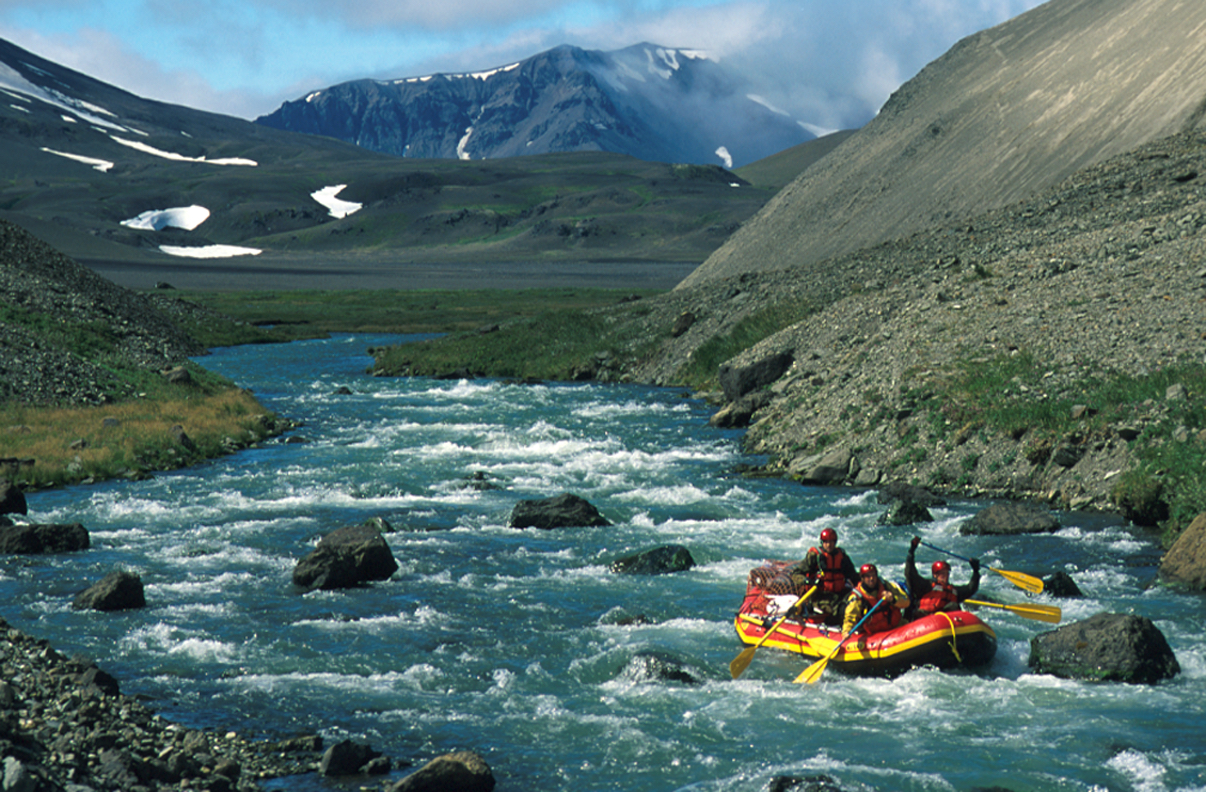
Aniakchak National Monument & Preserve
AK
Given its remote location and challenging weather conditions, Aniakchak is one of the most wild and least visited places in the National Park System. This landscape is a vibrant reminder of Alaska's location in the volcanically active "Ring of Fire," as it is home to an impressive six mile (10 km) wide, 2,500 ft (762 m) deep caldera formed during a massive volcanic eruption 3,500 years ago.
National Monument
Aztec Ruins National Monument
NM
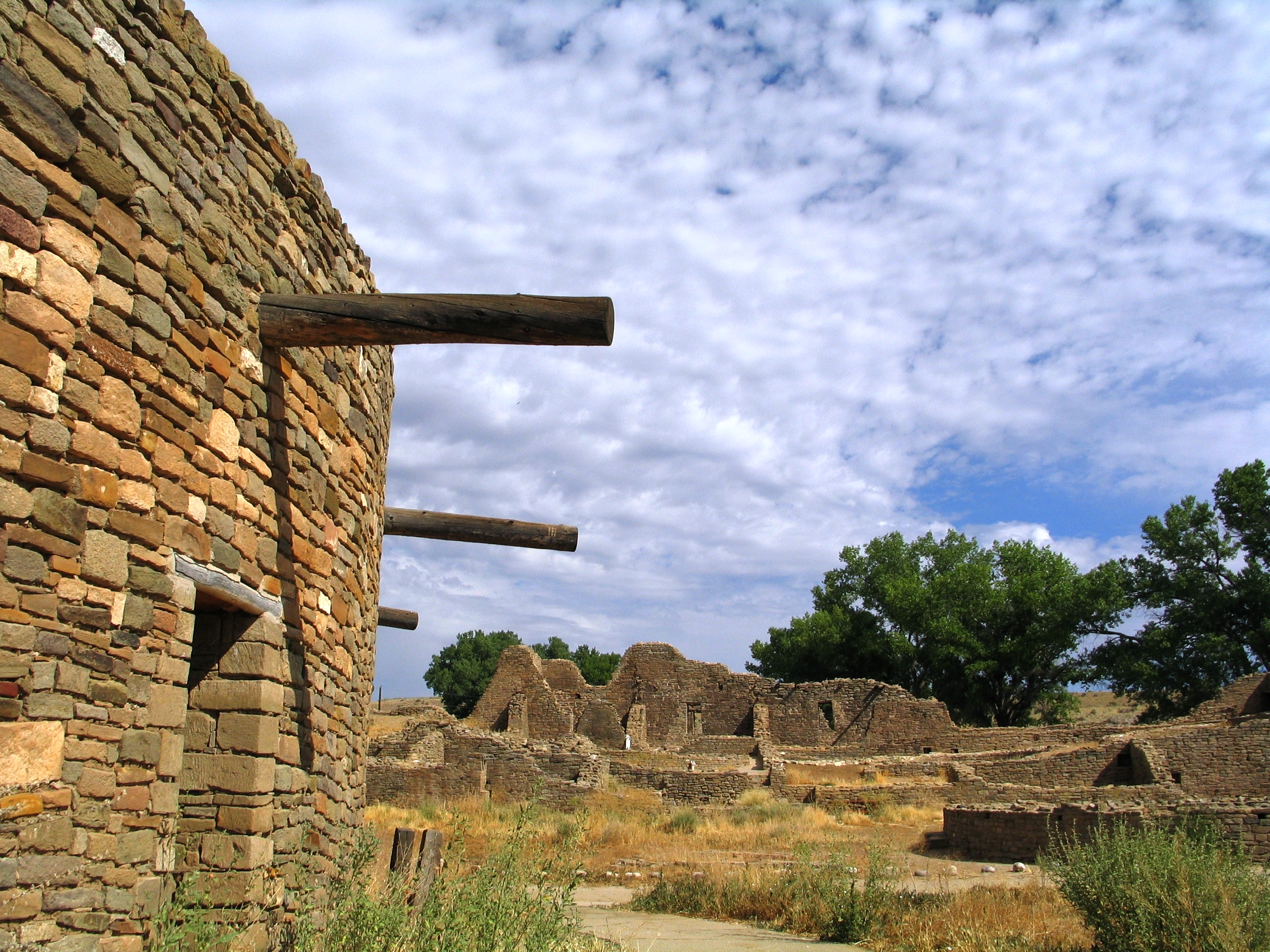
Aztec Ruins has some of the best-preserved Chacoan structures of its kind. Learn more about the ancestral Pueblo people in the park's museum and explore the Aztec West great house to see exceptionally advanced architecture, original wooden beams, and a restored Great Kiva. Aztec Ruins is a deeply sacred place to many Indigenous peoples across the American Southwest. Please visit with respect.
National Monument
Bandelier National Monument
NM
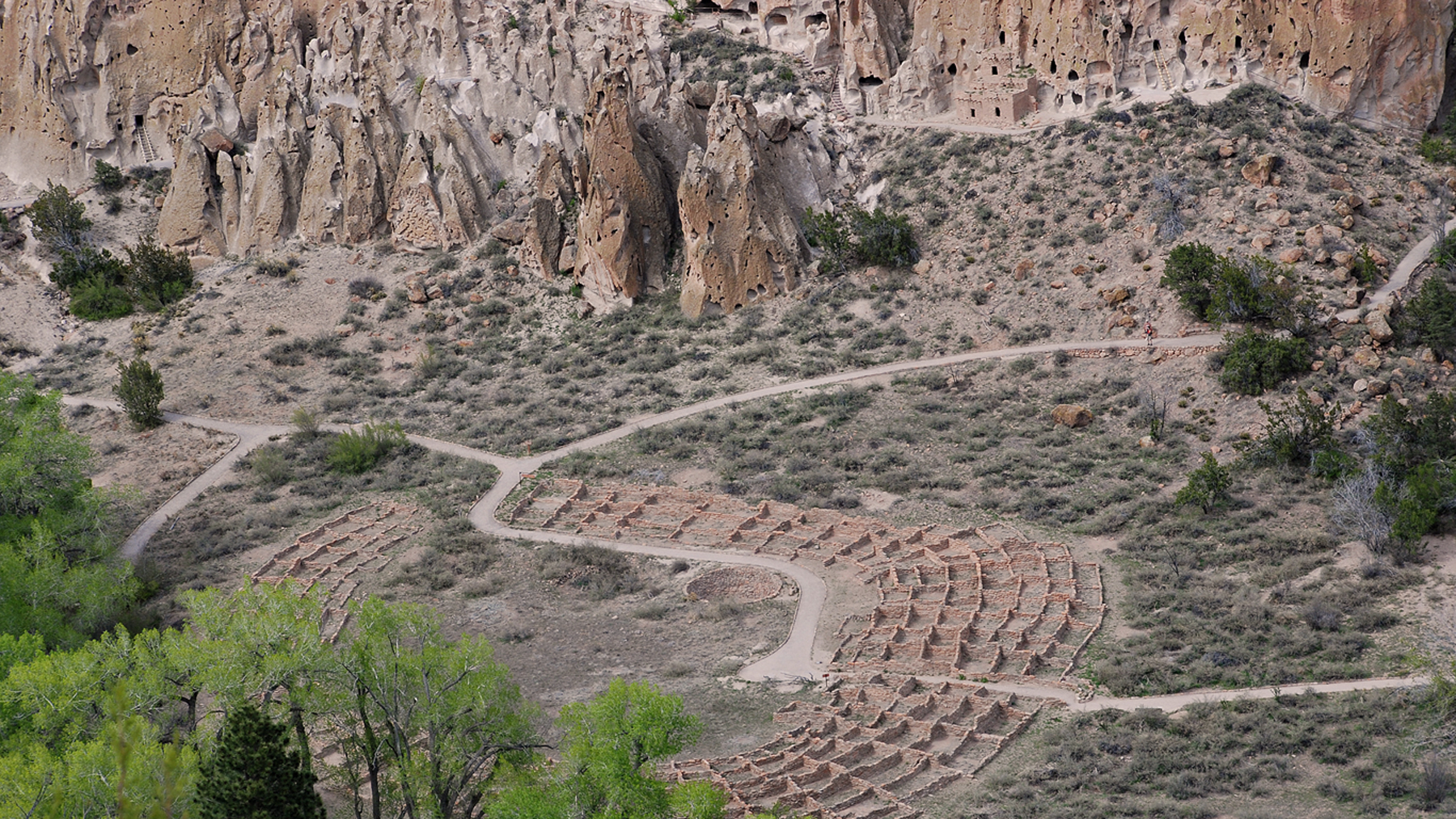
Bandelier National Monument protects over 33,000 acres of ruggedly beautiful canyon and mesa country. Petroglyphs, dwellings carved into the soft rock cliffs, and standing masonry walls pay tribute to the early days of a culture that still survives in the surrounding communities.
National Monument
Belmont-Paul Women's Equality National Monument
DC
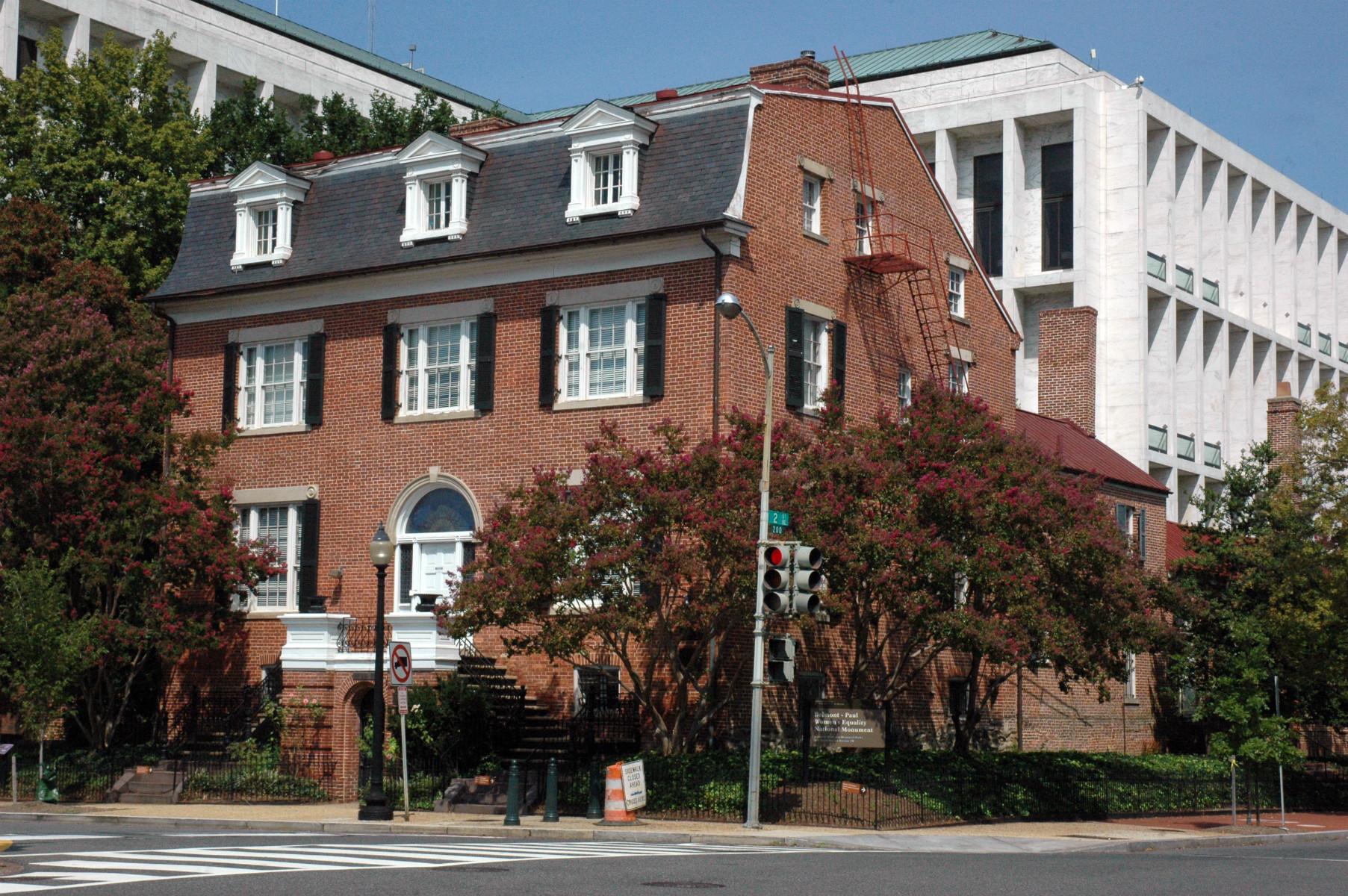
Home to the National Woman's Party for more than 90 years, this was the epicenter of the struggle for women's rights. From this house in the shadow of the U.S. Capitol and Supreme Court, Alice Paul and the NWP developed innovative strategies and tactics to advocate for the Equal Rights Amendment and equality for women. President Barack Obama designated the national monument on April 12, 2016.
National Monument
Birmingham Civil Rights National Monument
AL
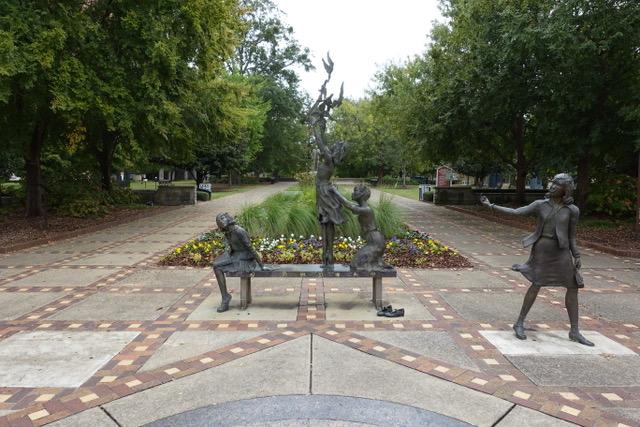
In 1963, images of snarling police dogs unleashed against non-violent protesters and of children being sprayed with high-pressure hoses appeared in print and television news around the world. These dramatic scenes of violent police aggression against civil rights protesters in Birmingham, Alabama were vivid examples of segregation and racial injustice in America.
National Monument
Booker T. Washington National Monument
VA
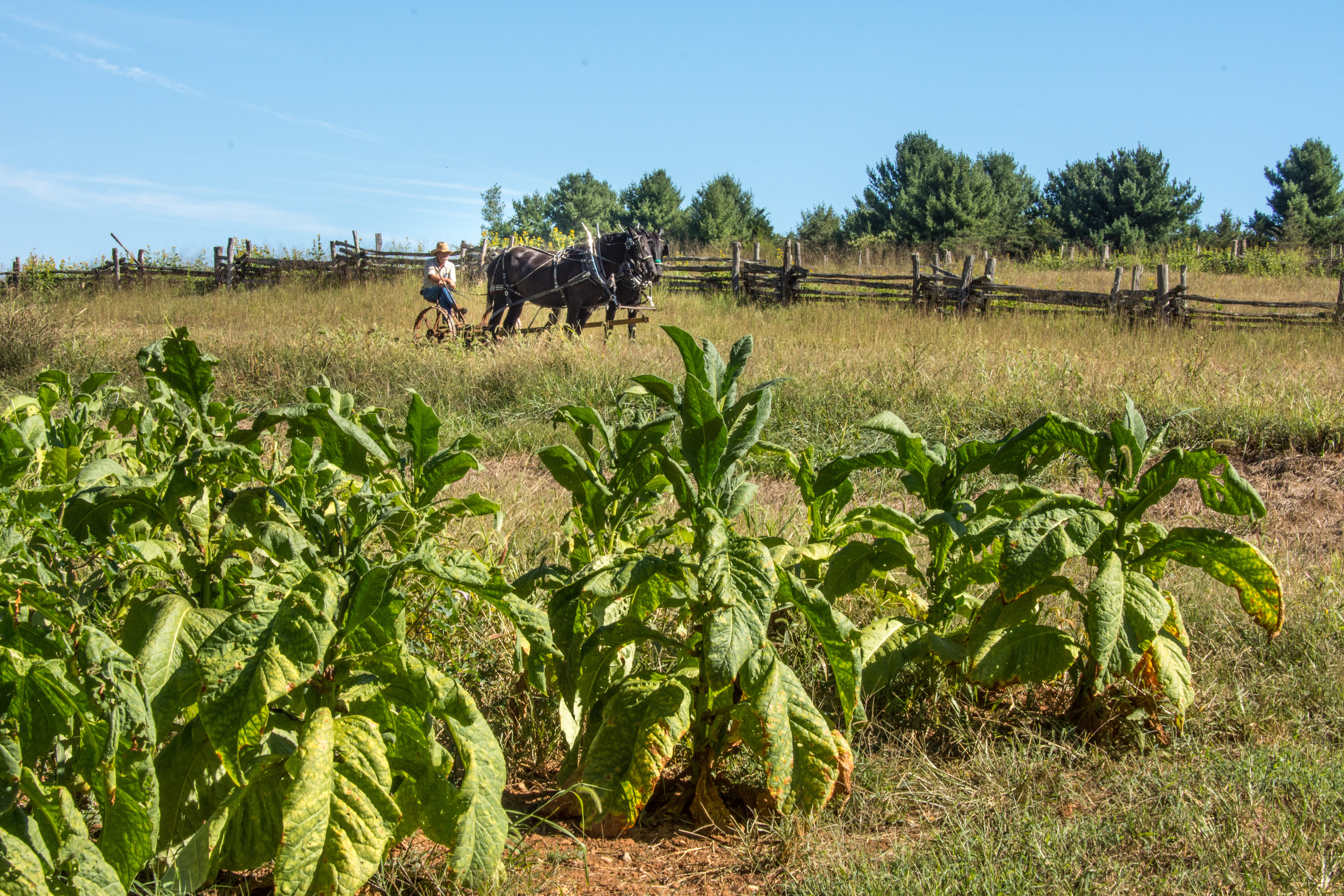
Booker T. Washington was born a slave in April 1856 on the 207-acre farm of James Burroughs. After the Civil War, Washington became the first principal of Tuskegee Normal and Industrial School. Later as an adviser, author and orator, his past would influence his philosophies as the most influential African American of his era. Come explore his birthplace.
National Monument
Buck Island Reef National Monument
VI
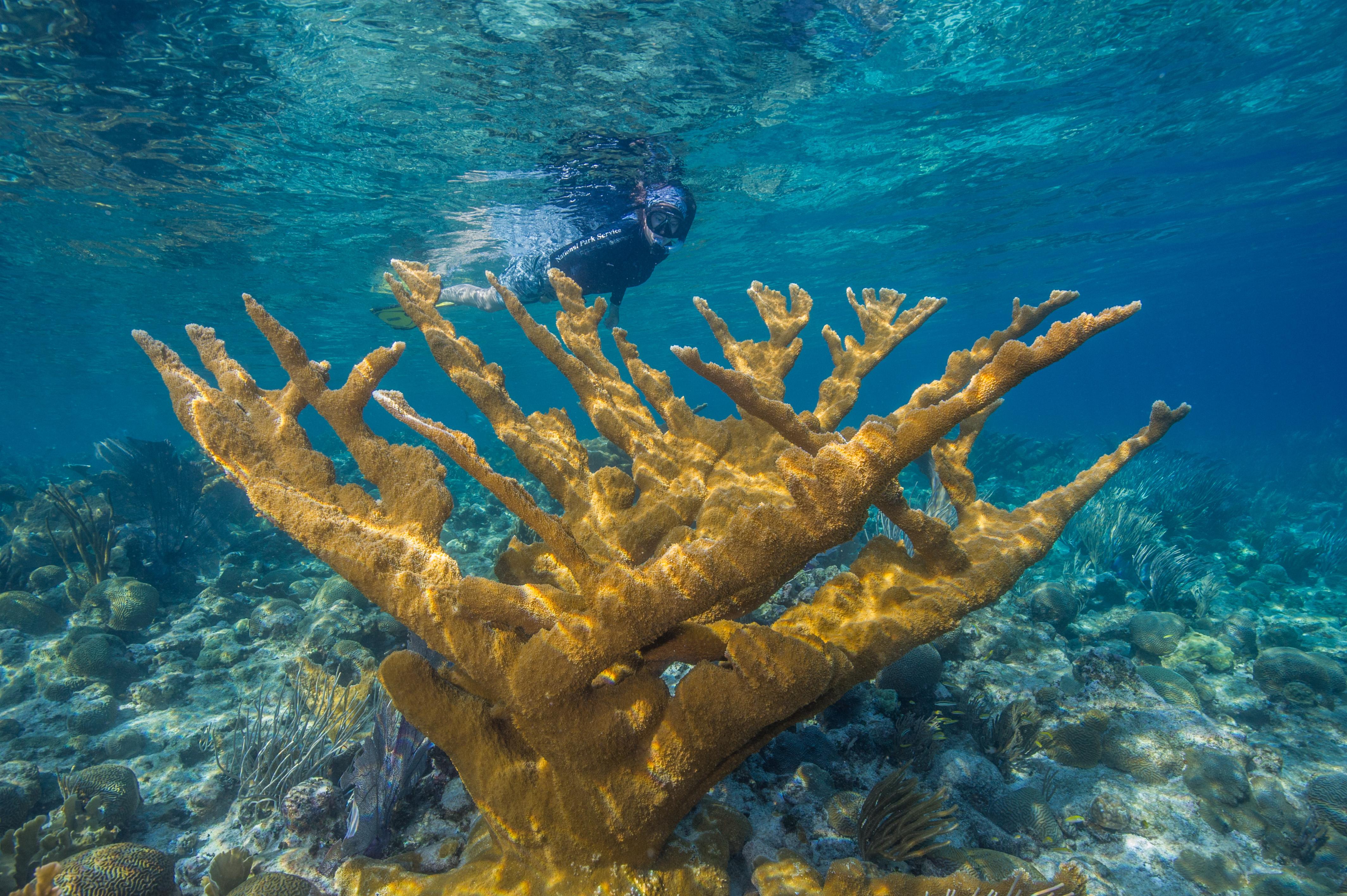
Welcome to Buck Island Reef National Monument, called “the finest marine garden in the Caribbean Sea” by President John F. Kennedy. Snorkel the famous underwater trail, explore endangered elkhorn coral reefs. Hike the trails on the 176-acre island to the observation platform for an unparallel view. Discover a vibrant world above and beneath the waves in this Caribbean paradise.
National Monument
Cabrillo National Monument
CA
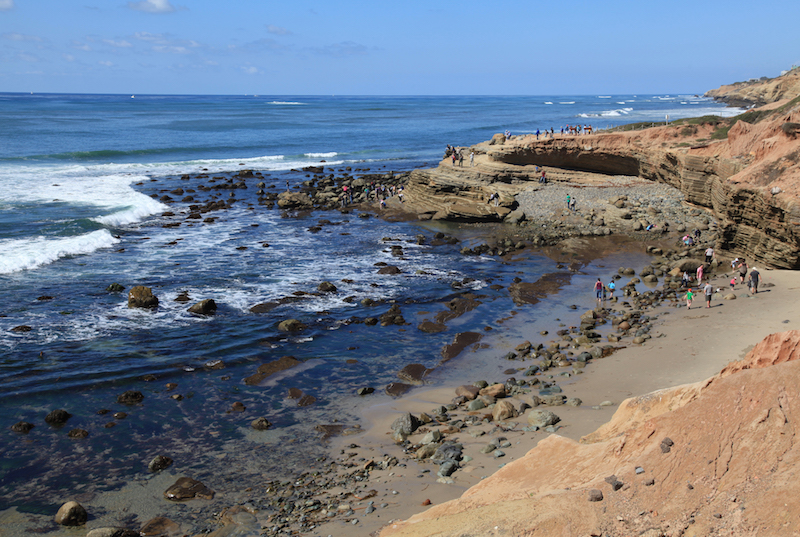
In 1542, Juan Rodriguez Cabrillo climbed out of his boat and onto shore, becoming the first European to set foot on what is now the West Coast of the United States. Cabrillo National Monument not only tells the story of this 16th-century exploration but also houses a wealth of cultural and natural resources. Join us and embark on your own Voyage of Exploration.
National Monument
Camp Nelson National Monument
KY
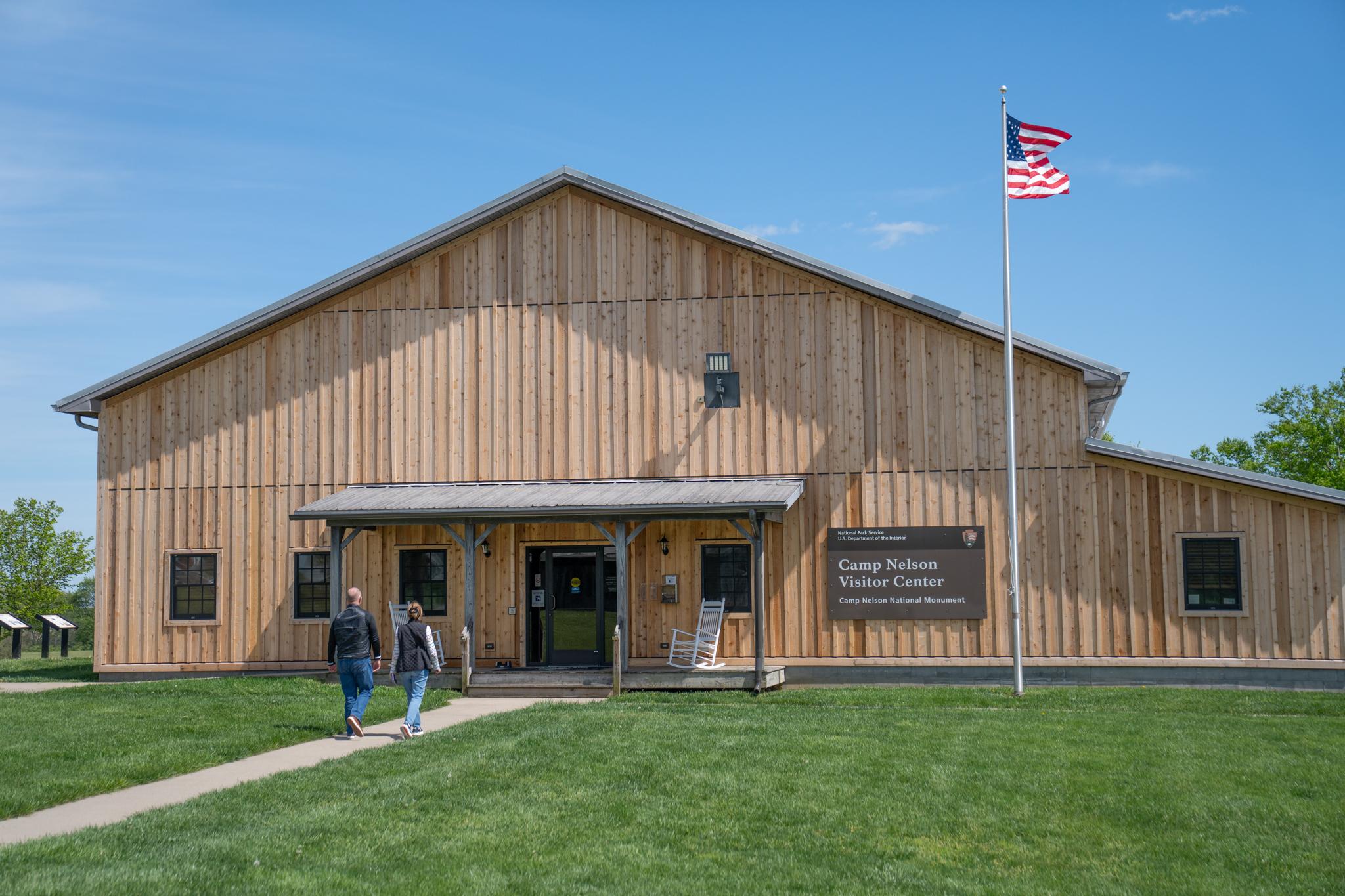
The US Army established Camp Nelson as a fortified supply depot in April 1863. Over the next 3 years, the site evolved into a massive recruitment and training center for United States Colored Troops and a refugee camp for their families. It served as a shelter for civilians fleeing war and for enslaved people hoping to secure their freedom and aid in the destruction of slavery.
Showing 1–12 of 87 parks
…