Loading parks…
Parks
National Parks preserve iconic landscapes, wildlife, and recreation areas managed for public enjoyment and long-term conservation. These are the flagship destinations many travelers picture when they plan a parks road trip — from mountain wilderness and desert canyons to coral reefs and ancient forests.
51 parks and sites (NPS)
Featured parks for parks
Upcoming events
Upcoming ranger programs and events at 51 parks in this designation (from the NPS Events API).
Ranger Programs
Oct 13
Ranger Programs
Oct 13
Bryce Canyon National Park
Geology Ranger Talk
Come join a Ranger near Sunset Point and learn about the geology of Bryce Canyon. Program typically lasts 20-30 minutes. Wheelchair accessible. This event will be cancelled in the event of thunderstorms, low wind chill, or staffing shortages.
11:00 AM - 11:30 AM
Ranger Talk alcove to right of Sunset Point
Ranger Programs
Oct 13
Bryce Canyon National Park
Rim Walk with a Ranger
Come join a Ranger at Sunset Point for a rim walk toward Sunrise Point. The talk will be on a random topic of the ranger's choosing, covering natural, cultural, or historical resources. Visitors meet Ranger at alcove to the right of Sunset Point overlook. This program will be cancelled by thunderstorms, extreme cold weather, or staffing shortages. Wheelchair Accessible.
02:00 PM - 03:00 PM
Sunset to Sunrise Rim Trail.
Lectures
Oct 13
Black Canyon Of The Gunnison National Park
Geology Talk
How did the Black Canyon form? What kinds of rocks are these? Discover answers to these and other questions about this dizzying chasm. Meet at Pulpit Rock Overlook at 10:00 am. 20-30 minutes. Location subject to change. May be cancelled due to staffing shortages or bad weather.
10:00 AM - 10:30 AM
Black Canyon Of The Gunnison National Park
Ranger Programs
Oct 13
Capitol Reef National Park
Archeology Talk
Learn about cultures that call this place home. Meet at the Petroglyph Panel boardwalk. Ranger program schedules are also posted on bulletin boards at the visitor center and campground. Program topics may change. Programs may be cancelled due to weather or emergencies. Check at visitor center for updated daily program offerings.
10:00 AM - 10:30 AM
Meet at the Petroglyph Panel boardwalk, located about one mile (1.6 km) east of the Capitol Reef visitor center along Utah Route 24.
Ranger Programs
Oct 13
Carlsbad Caverns National Park
Bat Flight Program
Please join us for the free Bat Flight Program (April through October), an evening ranger talk about bats prior to their flight. No reservations are required for this program that occurs every evening from April through October. The program takes place at the Bat Flight Amphitheater, located at the Natural Entrance to Carlsbad Cavern. The start time for the program changes as the summer progresses and sunset times change. Programs may be cancelled in the event of lightning.
05:30 PM
The seating area where you will sit to watch the bats is located at the Natural Entrance to Carlsbad Cavern, about a five minute walk from the visitor center.
Ranger Programs
Oct 13
Black Canyon Of The Gunnison National Park
Ranger's Choice Talk
Join a park ranger to explore one of the fascinating stories of Black Canyon, from human history to plants to wildlife. Meet at Pulpit Rock Overlook at 2:00 pm. 20-30 minutes. Location subject to change. May be cancelled due to staffing shortages or bad weather.
02:00 PM - 02:30 PM
Black Canyon Of The Gunnison National Park
Guided Tours
Oct 13
Acadia National Park
Drop-in Stewardship Volunteering with Friends of Acadia
As a Friends of Acadia drop-in volunteer, you’ll see a new side of Acadia, feel a deeper connection to the park, and leave this national treasure a little better than you found it. Our Drop-in Stewardship Volunteer Program occurs every Tuesday, Thursday, and Saturday from June through the end of October. While being led by our amazing Volunteer Crew Leaders, you’ll help with important work like cutting back vegetation, clearing drainage features, building bogwalk, tread work, weeding carriage roads, and other tasks. Projects run from 8:15 a.m. to 12:15 p.m., weather permitting, and no experience or reservation is required!
08:15 AM - 12:15 PM
Park and meet at the Hulls Cove Storage Facility, located near the Hulls Cove Visitor Center, Visitor Center Rd, Bar Harbor, ME 04609. (This is the same location as in 2024. Park HQ is under construction.)
Enter via the Hulls Cove Visitor Center entrance off Route 3 in Bar Harbor. Continue past the Visitor Center parking lot on Paradise Hill Road. When the road splits, bear left to the Hulls Cove Storage Facility. (Note: There is an “authorized vehicles only” as well as a “do not enter” sign, but if you are there to volunteer just continue past those! Don’t worry, we’ll have signs out to help guide you!)
Ranger Programs
Oct 13
Workshops
Oct 13
Acadia National Park
Hawk Watch
Drop by anytime during program hours to learn about the phenomena of fall raptor migration, other lesser known migrants, and raptor identification. Wear warm clothes, and bring binoculars and a field guide if you have them. May be adjusted or cancelled due to heavy rain or other adverse weather conditions. Follow the Cadillac North Ridge Trail from the east parking lot at the summit, 200 yards down to an overlook. Need to Know: A Cadillac Summit Road vehicle reservation is required to drive to this location. Visit recreation.gov to reserve one ticket per vehicle. You may purchase a ticket for any time slot during program hours. Terrain on the trail to access the program site is very uneven with rocks and roots in the path. Please be prepared for these conditions if attending. The latest migration data can be followed at: https://hawkcount.org/month_summary.php?rsite=280&go=Go+to+site .
09:00 AM - 12:00 PM
200 yards down the Cadillac North Ridge Trail from Cadillac Mountain East Summit Parking Lot.
Ranger Programs
Oct 14
Acadia National Park
Carriage Road Bike Tour
Enjoy the car-free carriage roads at a comfortable pace on a ranger-guided 6.0 mile moderate ride while discovering the diverse beauty and history of Acadia. The program price includes the use of a 21-speed bike and helmet for the full day. Accessibility: You may request sign language, live audio description, assistive listening devices, or other accommodation for any scheduled park event or program at Acadia by contacting us at least 10 days in advance at 207-288-3338, option 0, or acadia_information@nps.gov. Learn more at https://go.nps.gov/AcadiaAccessibility
08:30 AM - 11:00 AM
Acadia National Park
All parks (51)
National Park
Acadia National Park
ME
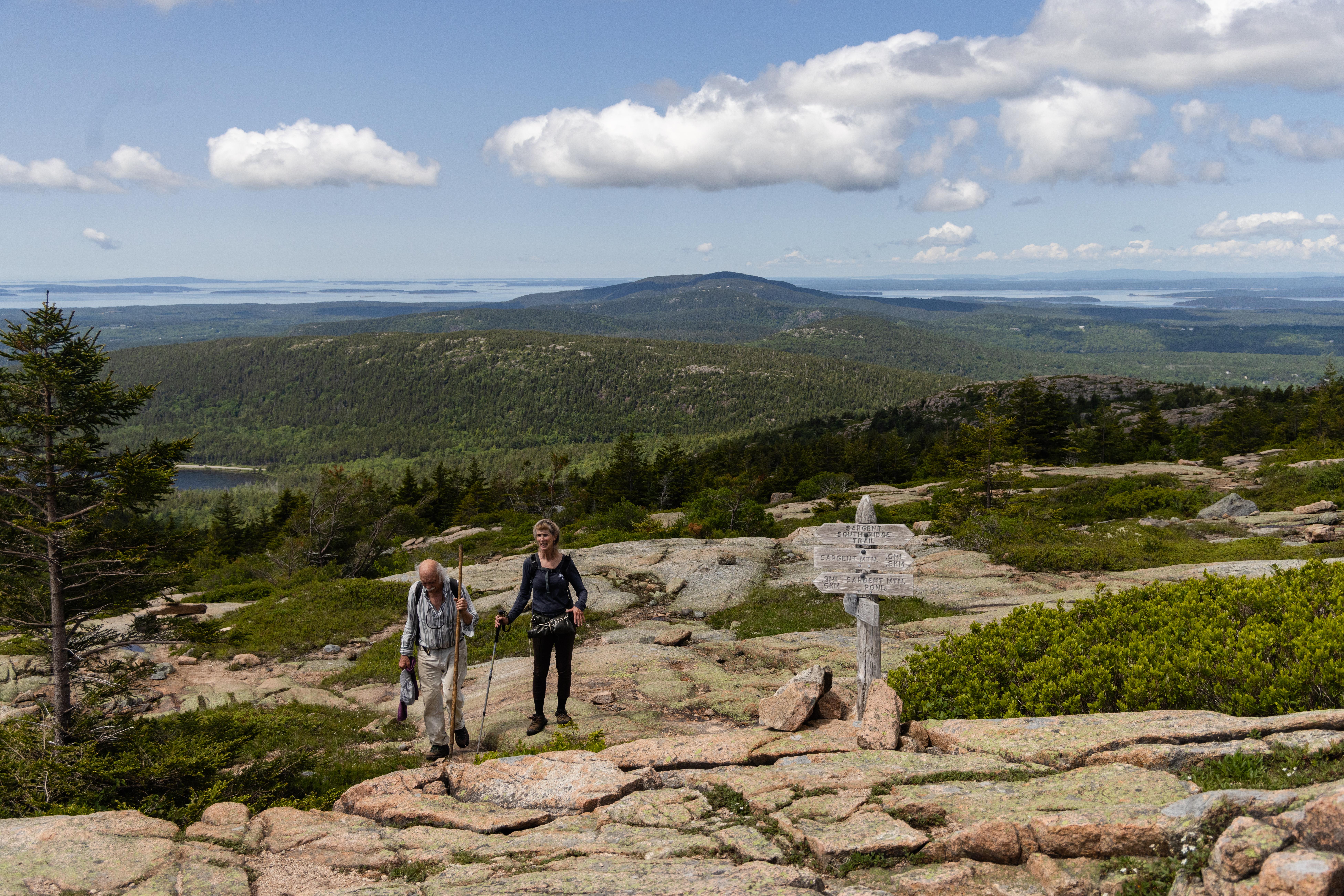
Acadia National Park protects the natural beauty of the highest rocky headlands along the Atlantic coastline of the United States, an abundance of habitats, and a rich cultural heritage. At 4 million visits a year, it's one of the top 10 most-visited national parks in the United States. Visitors enjoy 27 miles of historic motor roads, 158 miles of hiking trails, and 45 miles of carriage roads.
National Park
Arches National Park
UT
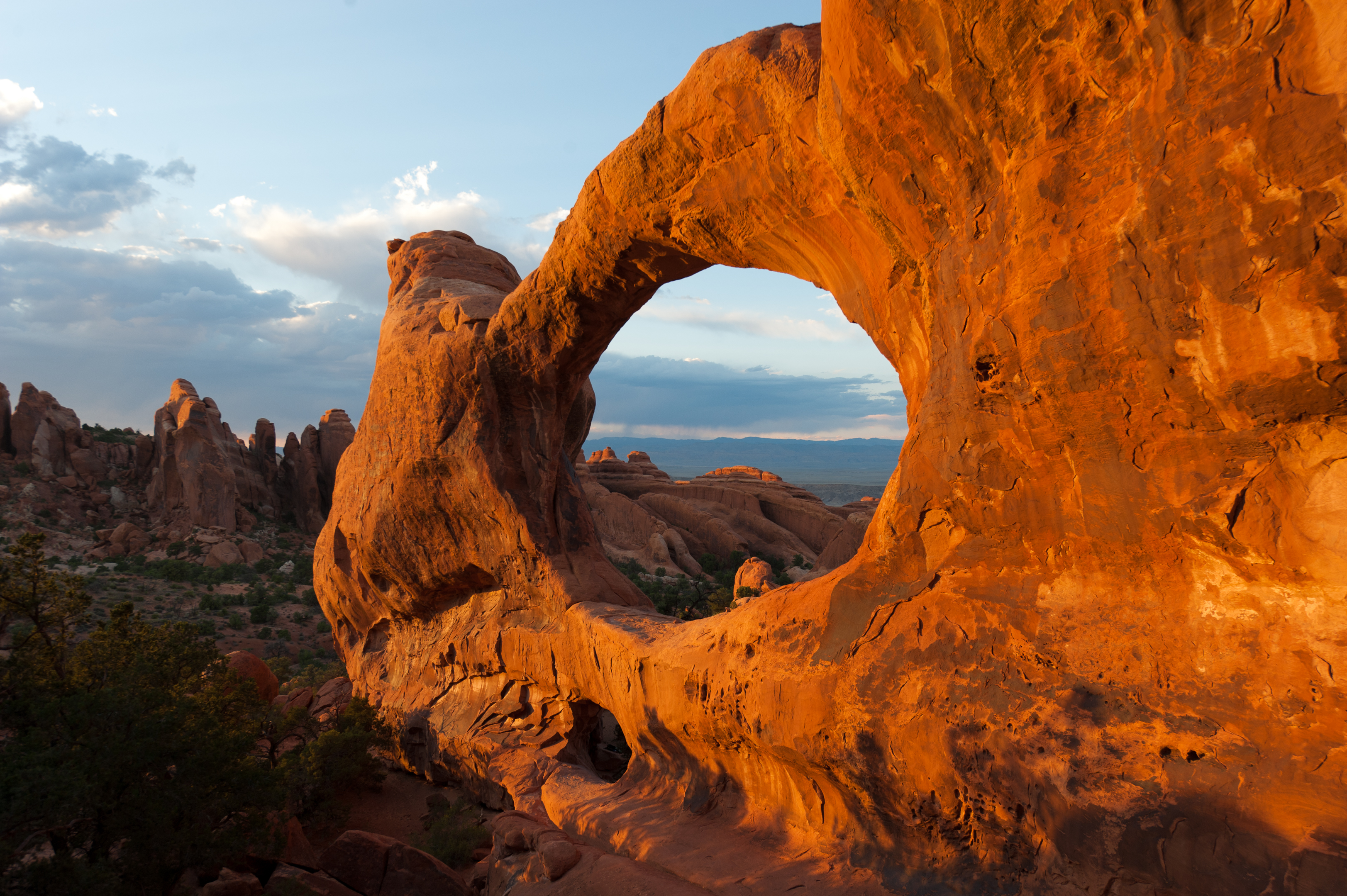
Discover a landscape of contrasting colors, land forms, and textures unlike any other. The park has over 2,000 natural stone arches, hundreds of soaring pinnacles, massive rock fins, and giant balanced rocks. This red-rock wonderland will amaze you with its formations, refresh you with its trails, and inspire you with its sunsets.
National Park
Badlands National Park
SD
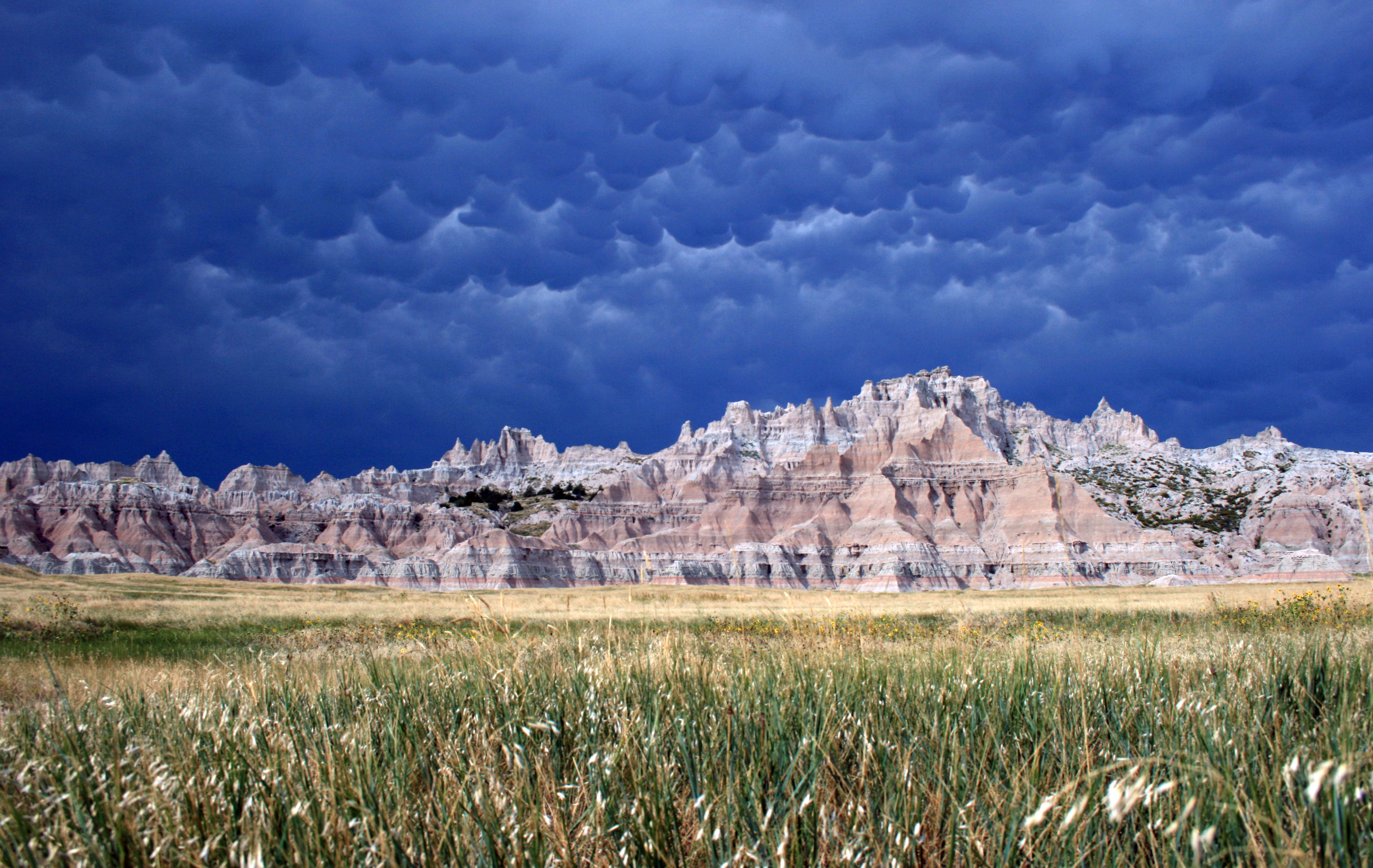
The rugged beauty of the Badlands draws visitors from around the world. These striking geologic deposits contain one of the world’s richest fossil beds. Ancient horses and rhinos once roamed here. The park’s 244,000 acres protect an expanse of mixed-grass prairie where bison, bighorn sheep, prairie dogs, and black-footed ferrets live today.
National Park
Big Bend National Park
TX
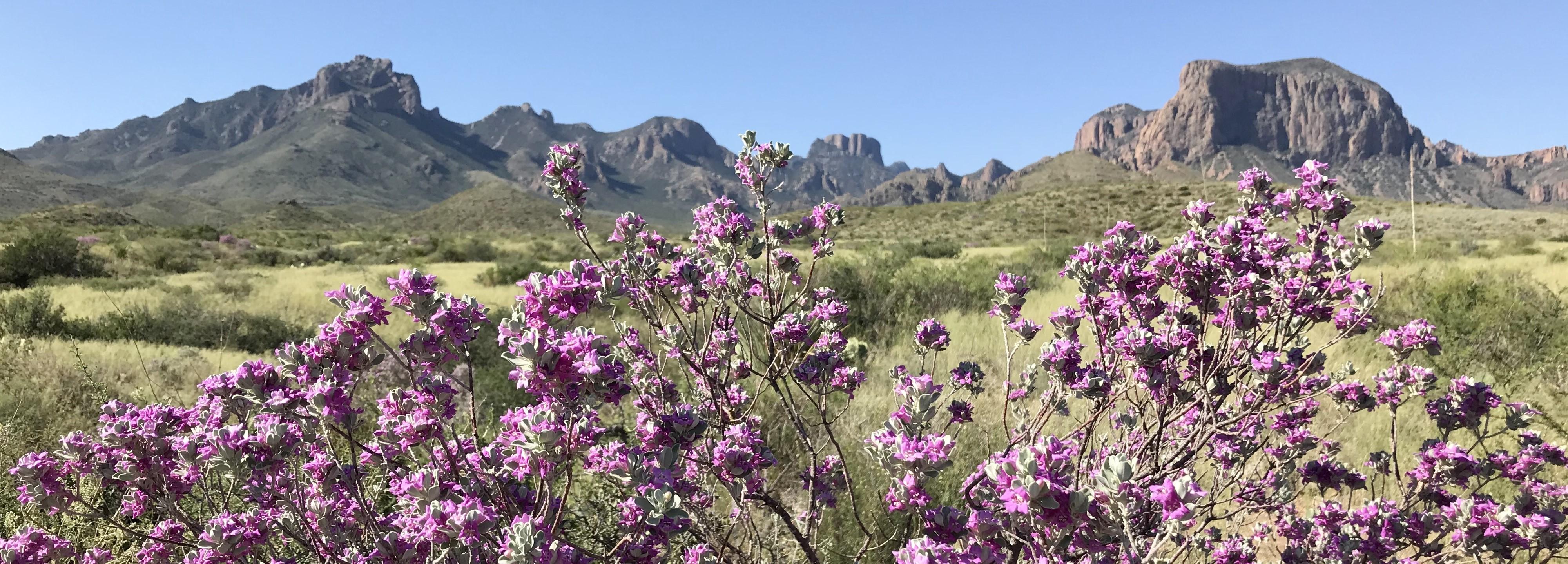
There is a place in Far West Texas where night skies are dark as coal and rivers carve temple-like canyons in ancient limestone. Here, at the end of the road, hundreds of bird species take refuge in a solitary mountain range surrounded by weather-beaten desert. Tenacious cactus bloom in sublime southwestern sun, and species diversity is the best in the country. This magical place is Big Bend...
National Park
Biscayne National Park
FL
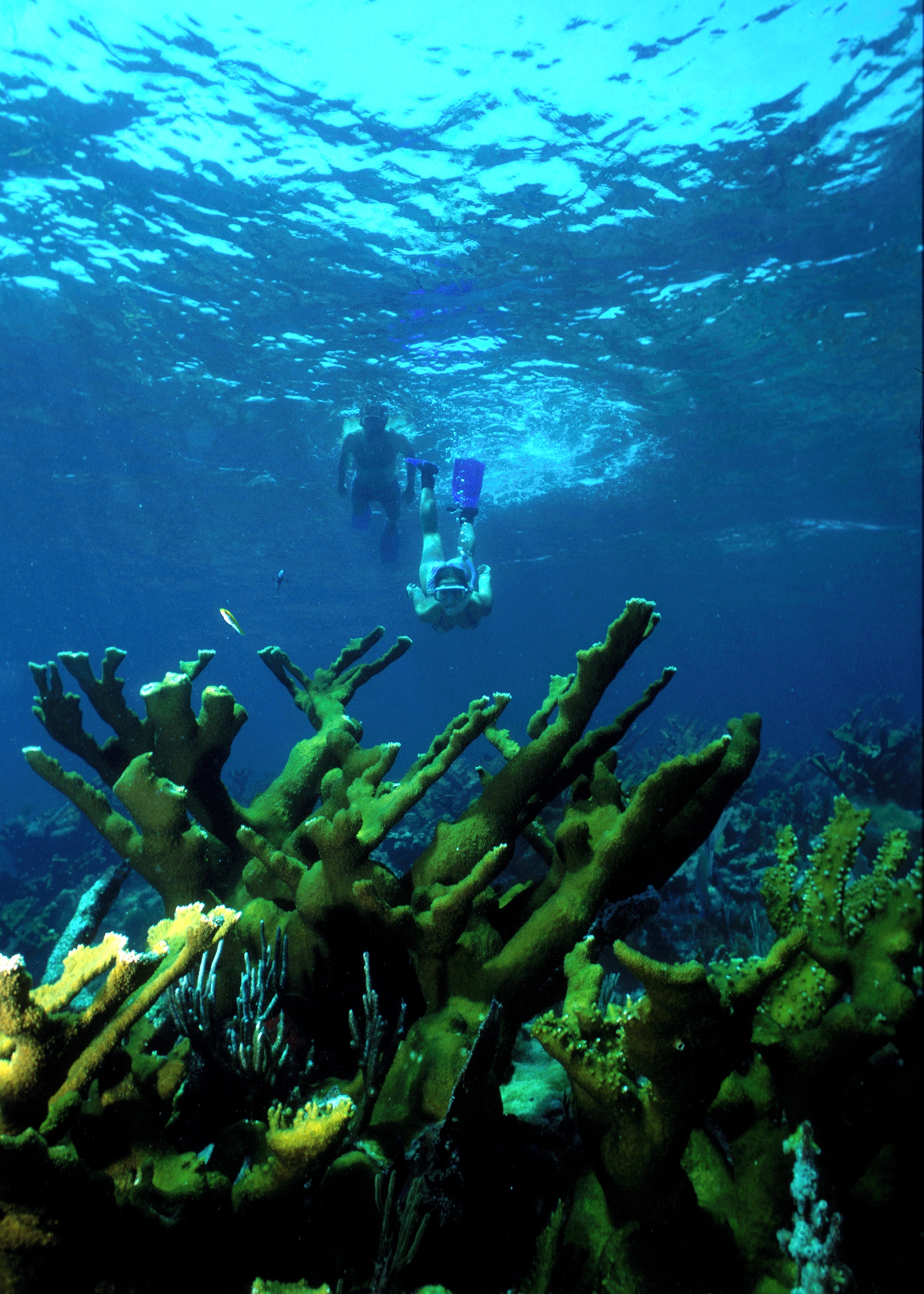
Within sight of Miami, yet worlds away, Biscayne protects a rare combination of aquamarine waters, emerald islands, and fish-bejeweled coral reefs. Evidence of 10,000 years of human history is here too; from prehistoric tribes to shipwrecks, and pineapple farmers to presidents. For many, the park is a boating, fishing, and diving destination, while others enjoy a warm breeze and peaceful scenery.
National Park
Black Canyon Of The Gunnison National Park
CO
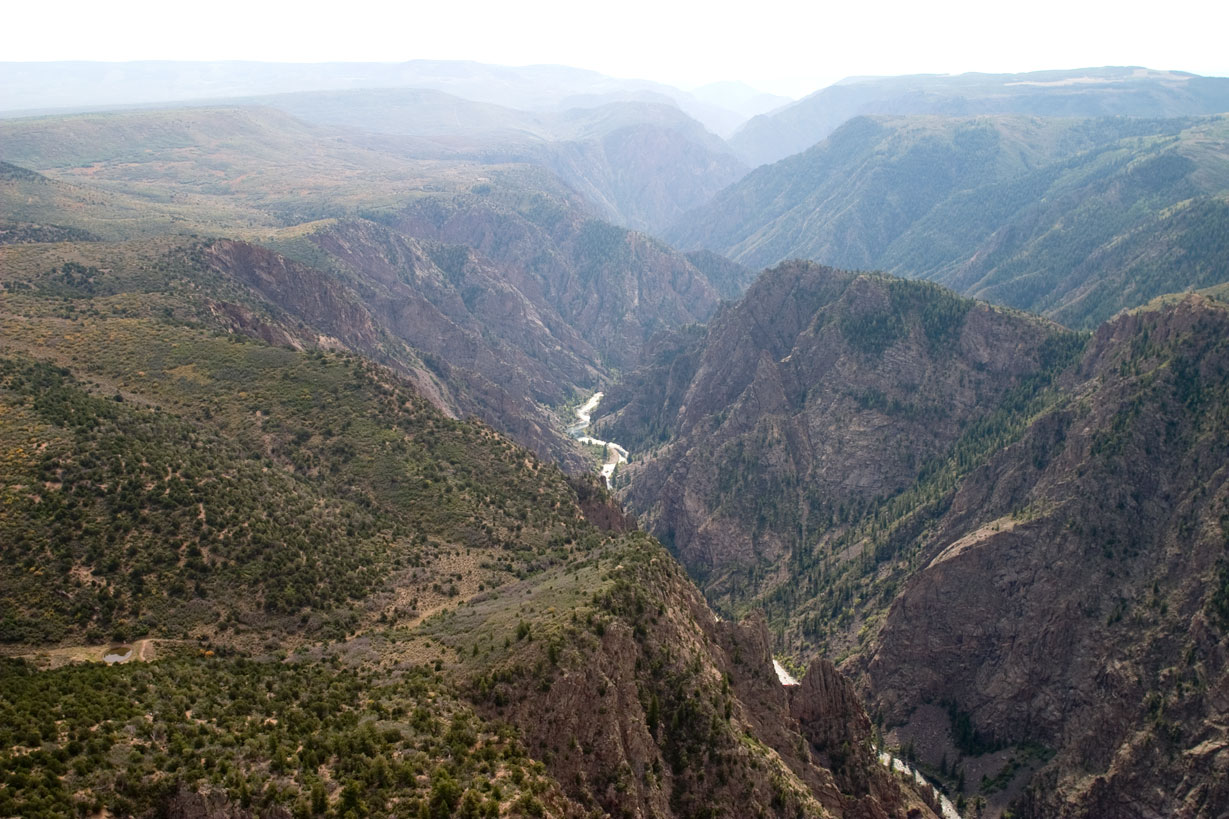
Big enough to be overwhelming, yet still intimate enough to feel the pulse of time. Come see some of the steepest cliffs, oldest rock, and craggiest spires in North America. Forces of nature and the Gunnison River sculpted this canyon over two million years. The result is a vertical wilderness of rock, water, and sky.
National Park
Bryce Canyon National Park
UT
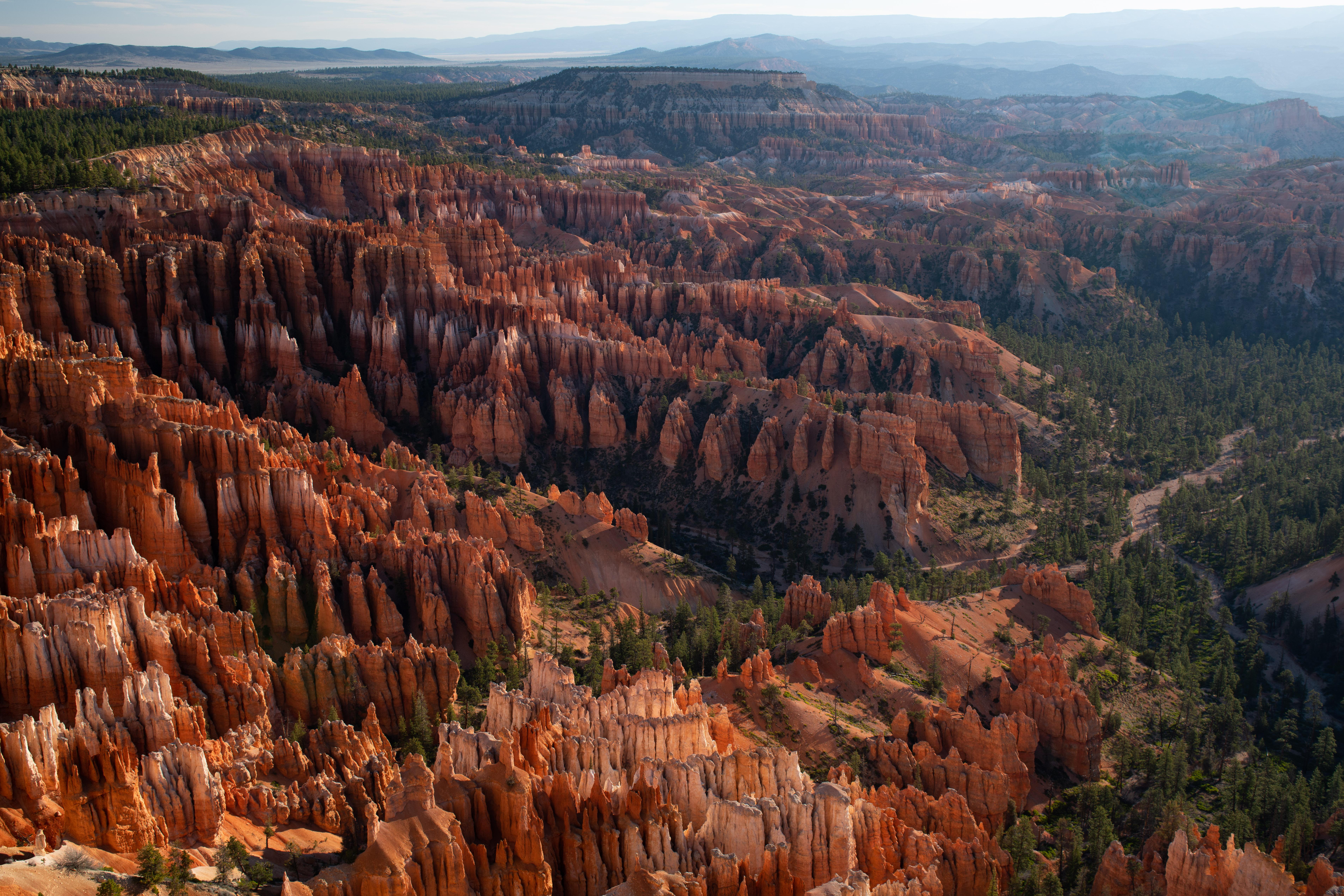
Hoodoos (irregular columns of rock) exist on every continent, but here is the largest concentration found anywhere on Earth. Situated along a high plateau at the top of the Grand Staircase, the park's high elevations include numerous life communities, fantastic dark skies, and geological wonders that defy description.
National Park
Canyonlands National Park
UT
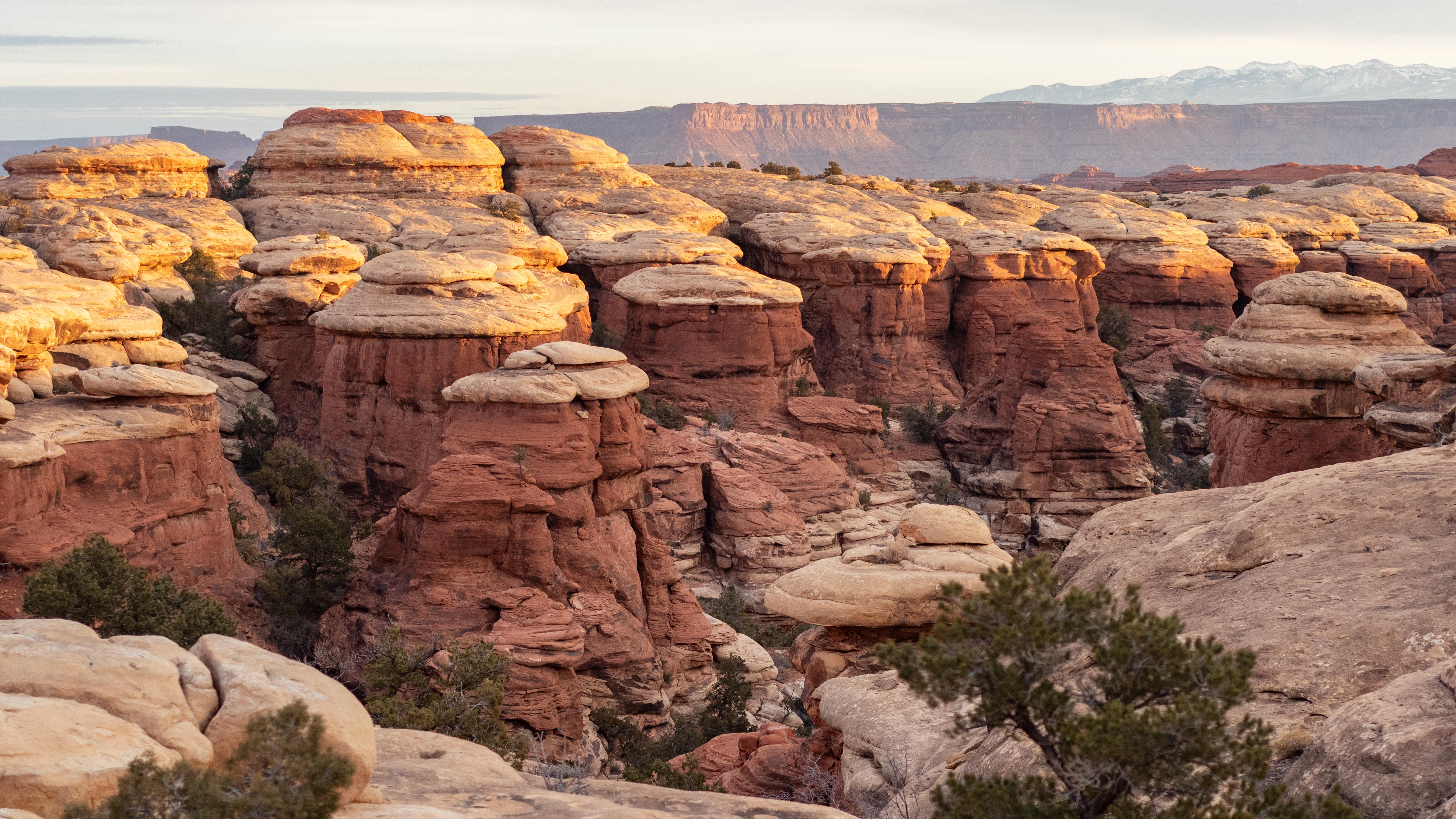
Canyonlands is a wilderness of canyons, buttes, and spires carved by the Colorado River and Green River. The park is divided into four distinct districts; no roads join them together. The districts share similar desert ecosystems, but each one provides unique opportunities for adventure and discovery.
National Park
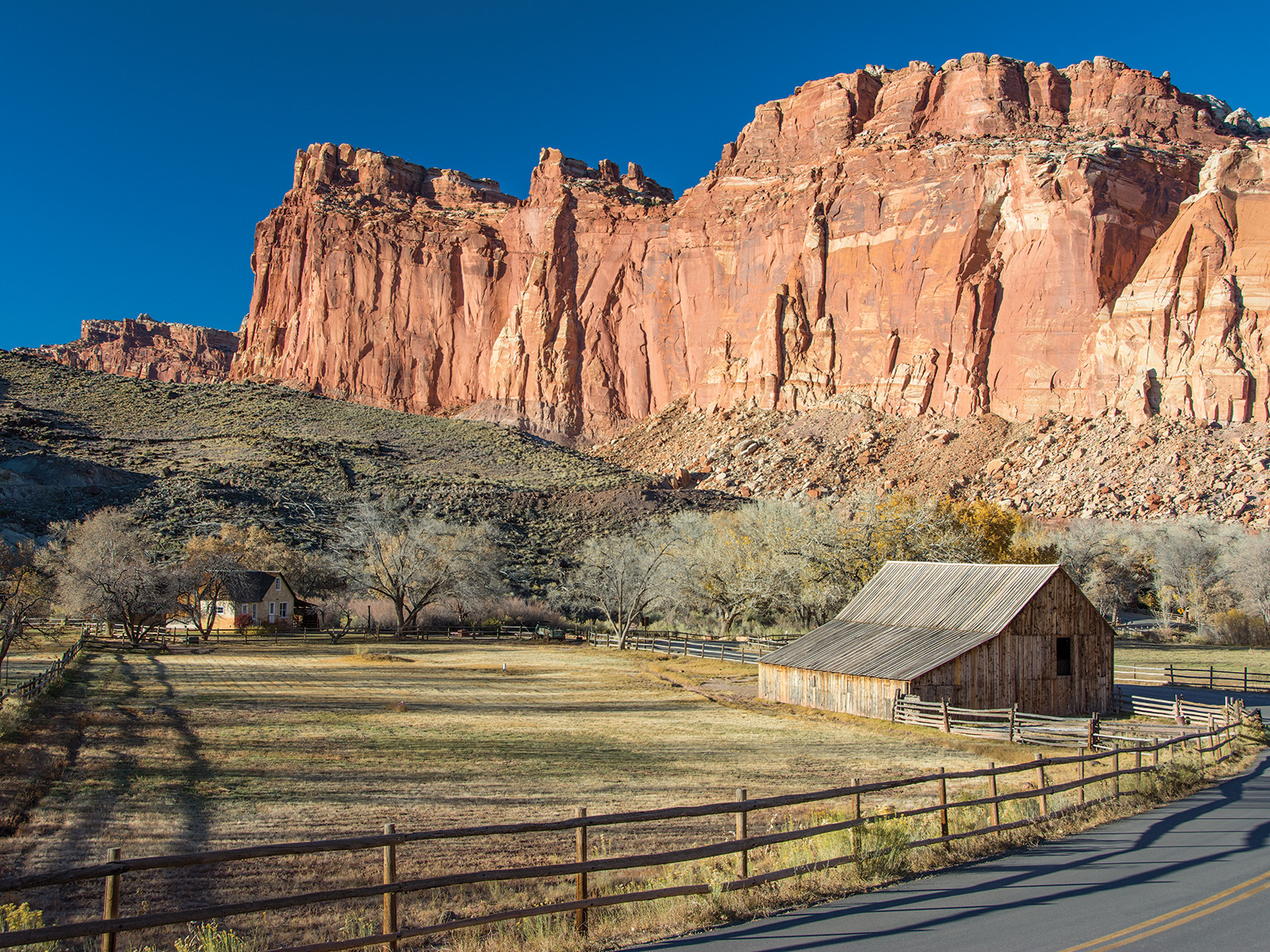
Capitol Reef National Park
UT
Located in south-central Utah in the heart of red rock country, Capitol Reef National Park is a hidden treasure filled with cliffs, canyons, domes, and bridges in the Waterpocket Fold, a geologic monocline (a wrinkle on the earth) extending almost 100 miles.
National Park
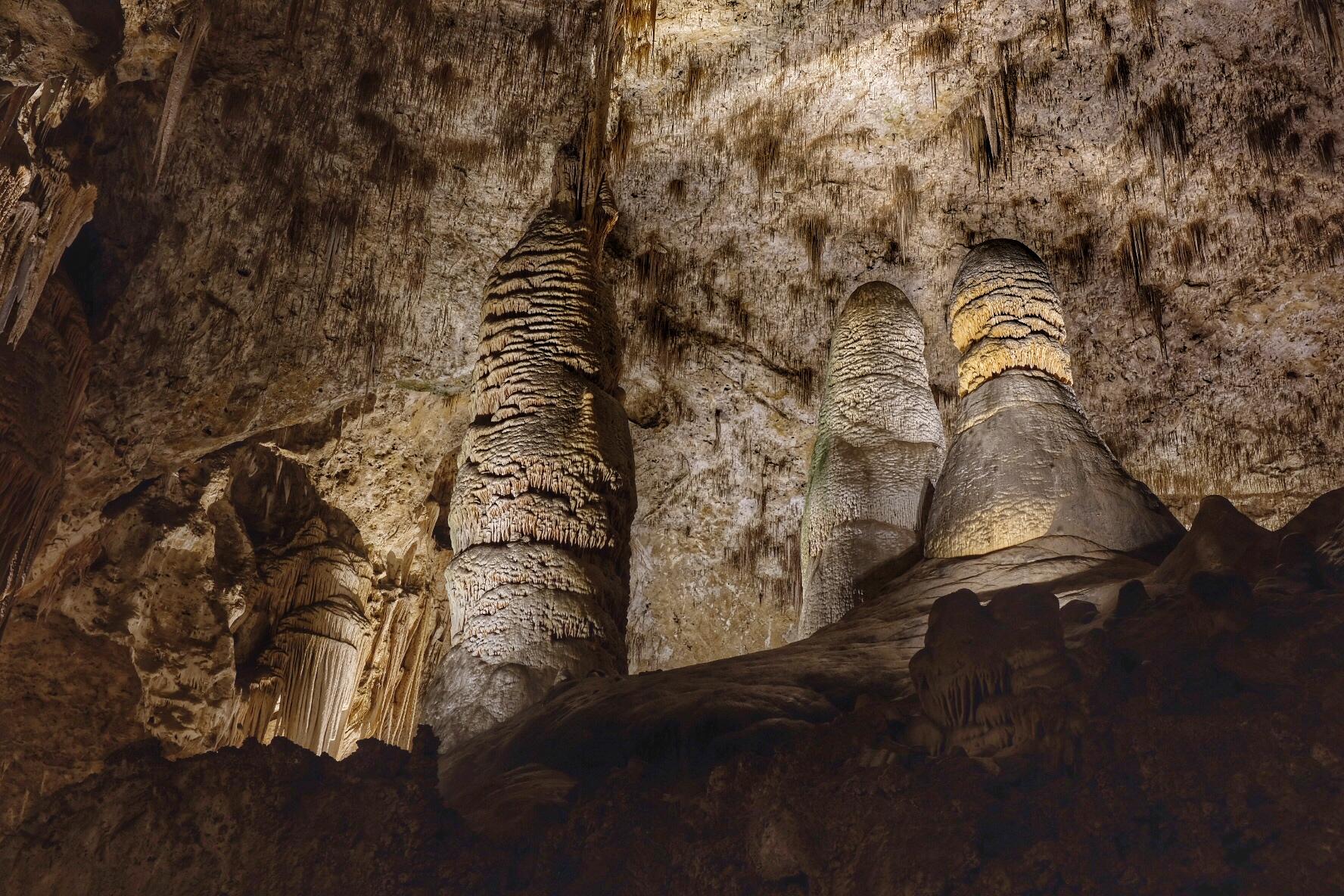
Carlsbad Caverns National Park
NM
High ancient sea ledges, deep rocky canyons, flowering cactus, and desert wildlife—treasures above the ground in the Chihuahuan Desert. Hidden beneath the surface are more than 119 caves—formed when sulfuric acid dissolved limestone leaving behind caverns of all sizes.
National Park
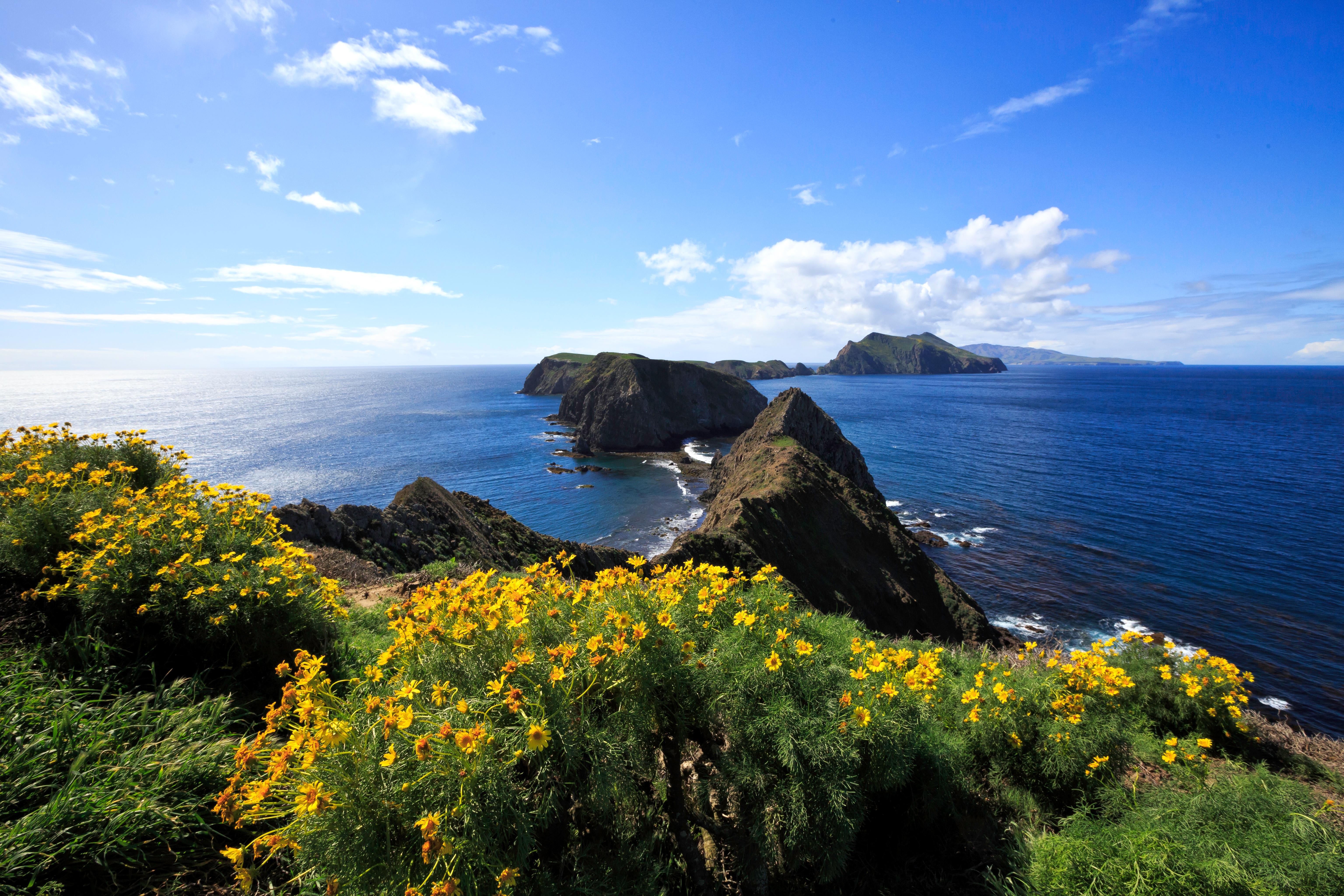
Channel Islands National Park
CA
Channel Islands National Park encompasses five remarkable islands and their ocean environment, preserving and protecting a wealth of natural and cultural resources. Isolation over thousands of years has created unique animals, plants, and archeological resources found nowhere else on Earth and helped preserve a place where visitors can experience coastal southern California as it once was.
National Park
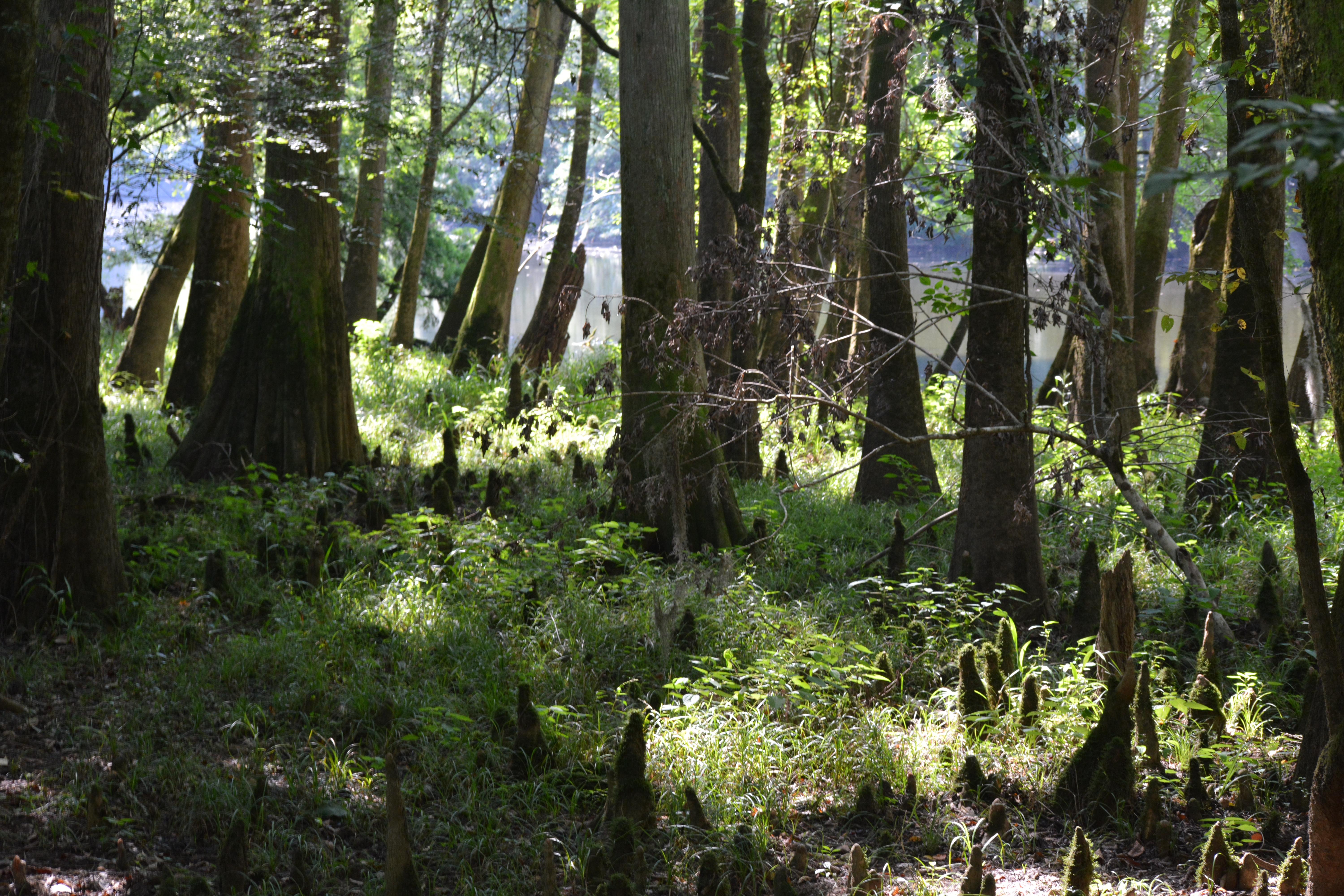
Congaree National Park
SC
Astonishing biodiversity exists in Congaree National Park, the largest intact expanse of old growth bottomland hardwood forest remaining in the southeastern United States. Waters from the Congaree and Wateree Rivers sweep through the floodplain, carrying nutrients and sediments that nourish and rejuvenate this ecosystem and support the growth of national and state champion trees.
Showing 1–12 of 51 parks
…