Loading parks…
Preserves
National Preserves balance resource protection with traditional uses such as hunting, fishing, or grazing where those activities are part of the landscape’s story.
23 parks and sites (NPS)
Featured parks for preserves
Upcoming events
Upcoming ranger programs and events at 23 parks in this designation (from the NPS Events API).
Lectures
Oct 13
Jean Lafitte National Historical Park and Preserve
Wetlands Acadian Cultural Center - Cercle Francophone
A "French Roundtable" where area French speakers gather and share culture, history, and traditions. All are invited.
05:00 PM - 06:00 PM
Wetlands Acadian Cultural Center
314 St Mary St,
Thibodaux, LA 70301
Lectures
Oct 13
Jean Lafitte National Historical Park and Preserve
Wetlands Acadian Cultural Center - Music on the Bayou
Every Tuesday (no music on federal holidays), discover the wide range of south Louisiana's music: zydeco, gospel, blues, jazz, Cajun, and more. Enjoy the great music at these FREE Concerts! To find out who's playing, call the center at 985-448-1375.
06:00 PM - 07:00 PM
Wetlands Acadian Cultural Center
314 St. Mary St.
Thibodaux, LA 70301
Lectures
Oct 13
Cultural Events
Oct 13
Jean Lafitte National Historical Park and Preserve
Wetlands Acadian Cultural Center - Edward Angelloz Exhibition
Local artist Edward Angelloz's collection of artwork is on view at the Wetlands Acadian Cultural Center for a limited time. Edward, better known as E.A., grew up in Thibodaux and has always loved art. Later in life, he began making mixed media artwork, with decoupage drawings becoming his favorite style. If you appreciate creativity inspired by our culture, landscape, and rich heritage, this exhibition is a must-see. Stop by, support a talented local artist, and enjoy a beautiful display of art right here at home!
11:00 AM - 07:00 PM
Wetlands Acadian Cultural Center
314 St. Mary Street, Thibodaux, LA 70301
Ranger Programs
Oct 13
Great Sand Dunes National Park & Preserve
AM Visitor Center Ranger Talk
Explore a variety of topics about Great Sand Dunes. Topics posted at visitor center lobby bulletin board. (20 minutes)
11:15 AM - 11:45 AM
Programs take place on visitor center rear porch, front lobby, or in auditorium. See bulletin board for topics and locations within visitor center.
Cultural Events
Oct 14
Jean Lafitte National Historical Park and Preserve
Wetlands Acadian Cultural Center - Edward Angelloz Exhibition
Local artist Edward Angelloz's collection of artwork is on view at the Wetlands Acadian Cultural Center for a limited time. Edward, better known as E.A., grew up in Thibodaux and has always loved art. Later in life, he began making mixed media artwork, with decoupage drawings becoming his favorite style. If you appreciate creativity inspired by our culture, landscape, and rich heritage, this exhibition is a must-see. Stop by, support a talented local artist, and enjoy a beautiful display of art right here at home!
09:30 AM - 04:30 PM
Wetlands Acadian Cultural Center
314 St. Mary Street, Thibodaux, LA 70301
Workshops
Oct 14
Jean Lafitte National Historical Park and Preserve
Barataria Preserve - Wetland Trace Walk
Explore wild Louisiana on a guided walk along a one mile boardwalk trail through swamp and bayou ecosystems. Discover the animals, plants, and people that call southeast Louisiana's wetlands home. Recommended items to bring include a water bottle, sunscreen, insect repellant, and good walking shoes.
01:00 PM - 02:00 PM
This is an offsite program. Meet at trailhead at Wetland Trace at 4917 City Park St, Jean Lafitte, LA 70067
Cultural Events
Oct 15
Jean Lafitte National Historical Park and Preserve
Prairie Acadian Cultural Center - Rendezvous in the Prairie
Come rendezvous in the prairie with us at the Prairie Acadian Cultural Center in Eunice! Each week, we will feature a local music group. From Cajun to Swamp Pop to Zydeco, we have you covered. Come experience the culture and listen to the music of the area. To find out who is playing each week, call the visitor center at (337) 457-8499 or visit us on Facebook or Instagram @jeanlafittenps
05:30 PM - 06:30 PM
Prairie Acadian Cultural Center
250 W. Park Avenue, Eunice, LA 70535
Ranger Programs
Oct 17
Great Sand Dunes National Park & Preserve
PM Visitor Center Ranger Talk
Explore a variety of topics about Great Sand Dunes. Topics posted at visitor center lobby bulletin board. (20 minutes)
01:45 PM - 02:15 PM
Programs take place on visitor center rear porch, front lobby, or in auditorium. See bulletin board for topics and locations within visitor center.
Cultural Events
Oct 17
Jean Lafitte National Historical Park and Preserve
Prairie Acadian Cultural Center - Rendezvous in the Prairie
Come rendezvous in the prairie with us at the Prairie Acadian Cultural Center in Eunice! Each week, we will feature a local music group. From Cajun to Swamp Pop to Zydeco, we have you covered. Come experience the culture and listen to the music of the area. To find out who is playing each week, call the visitor center at (337) 457-8499 or visit us on Facebook or Instagram @jeanlafittenps
03:00 PM - 04:00 PM
Prairie Acadian Cultural Center
250 W. Park Avenue, Eunice, LA 70535
Ranger Programs
Nov 5
Ranger Programs
Dec 25
All parks (23)
National Monument & Preserve
Aniakchak National Monument & Preserve
AK
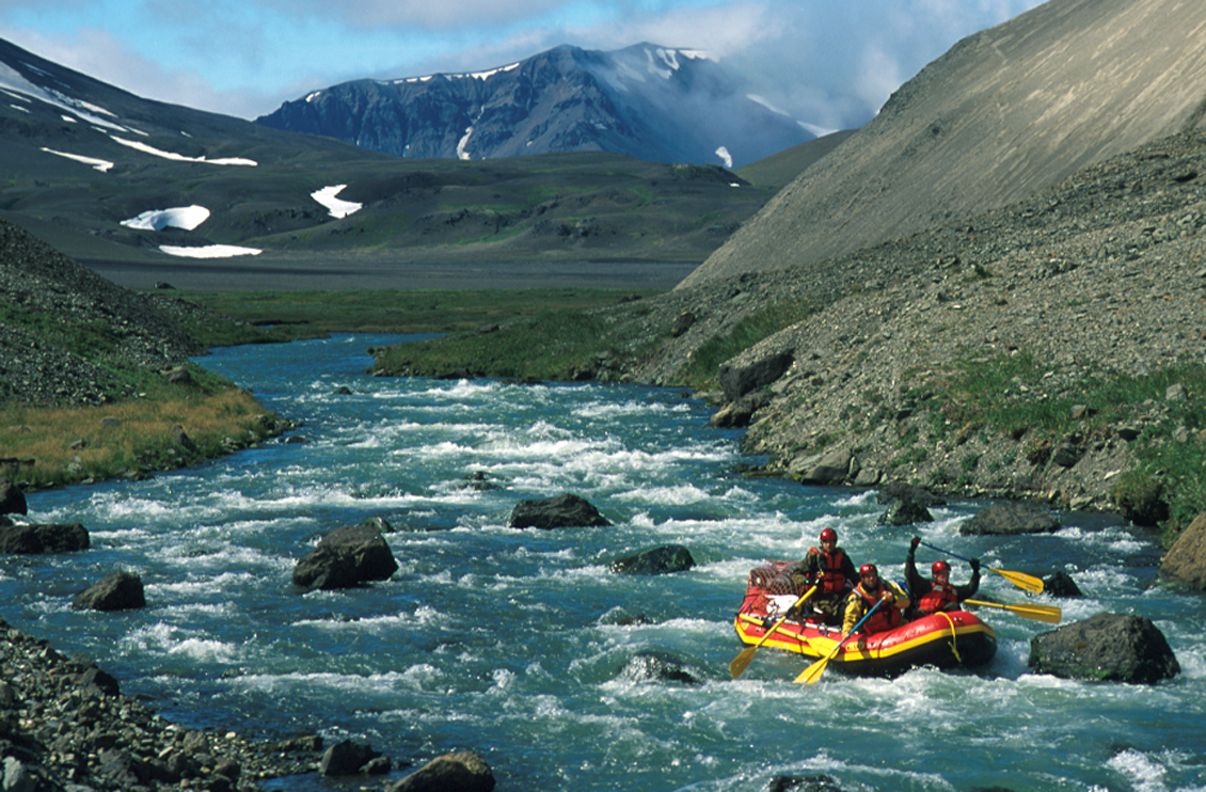
Given its remote location and challenging weather conditions, Aniakchak is one of the most wild and least visited places in the National Park System. This landscape is a vibrant reminder of Alaska's location in the volcanically active "Ring of Fire," as it is home to an impressive six mile (10 km) wide, 2,500 ft (762 m) deep caldera formed during a massive volcanic eruption 3,500 years ago.
National Preserve
Bering Land Bridge National Preserve
AK
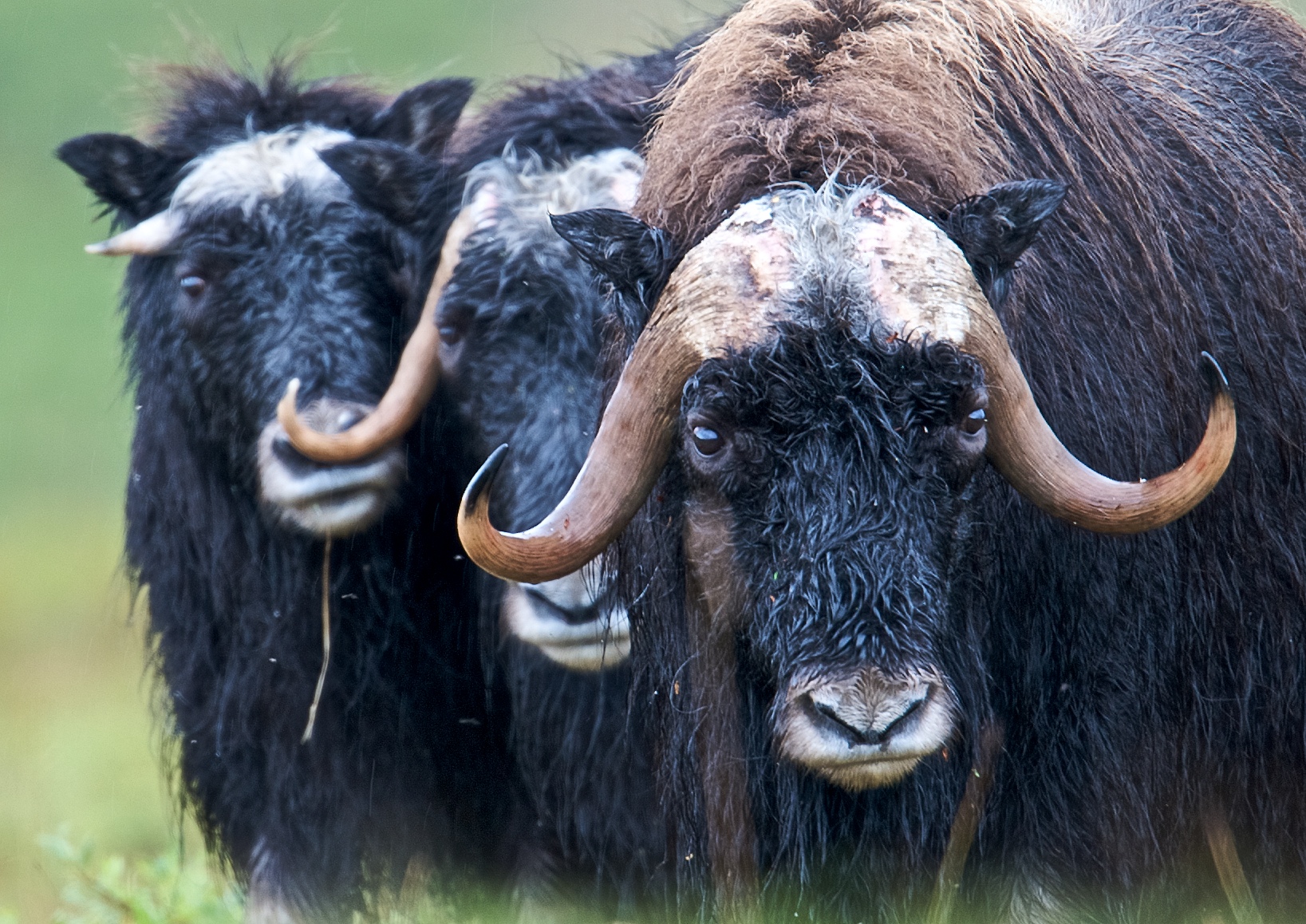
Bering Land Bridge National Preserve lies at the continental crossroad that greatly influenced the distribution of life in the Western Hemisphere during the Pleistocene Epoch. It is a vital landscape for Indigenous communities who depend on the land just as their ancestors did for many generations. It is a wild and ecologically healthy landscape unlike any other.
National Preserve
Big Cypress National Preserve
FL
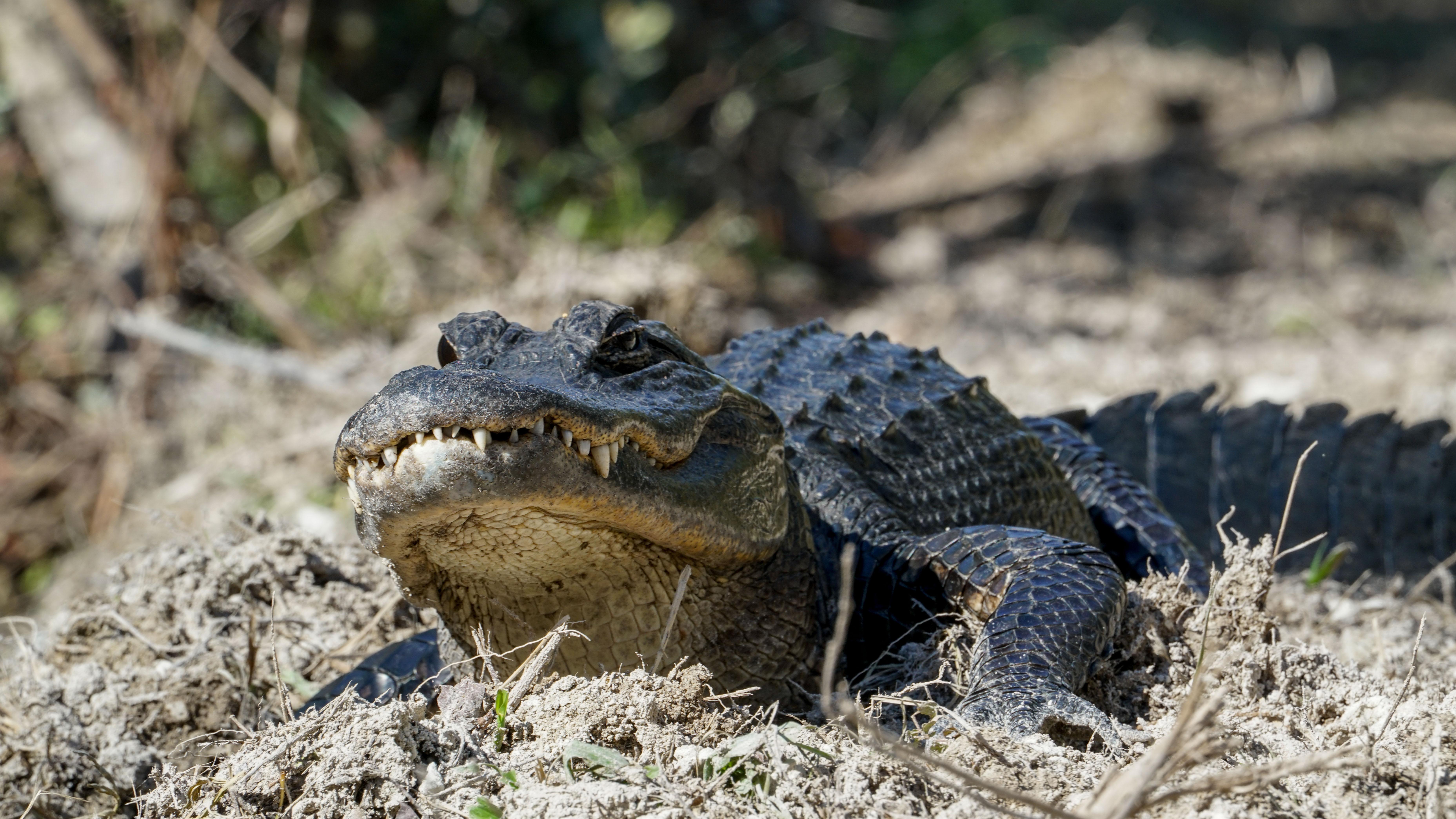
The freshwaters of the Big Cypress Swamp, essential to the health of the neighboring Everglades, support the rich marine estuaries along Florida's southwest coast. Conserving over 729,000 acres of this vast swamp, Big Cypress National Preserve contains a mixture of tropical and temperate plant communities that are home to diverse wildlife, including the Endangered Florida panther.
National Preserve
Big Thicket National Preserve
TX
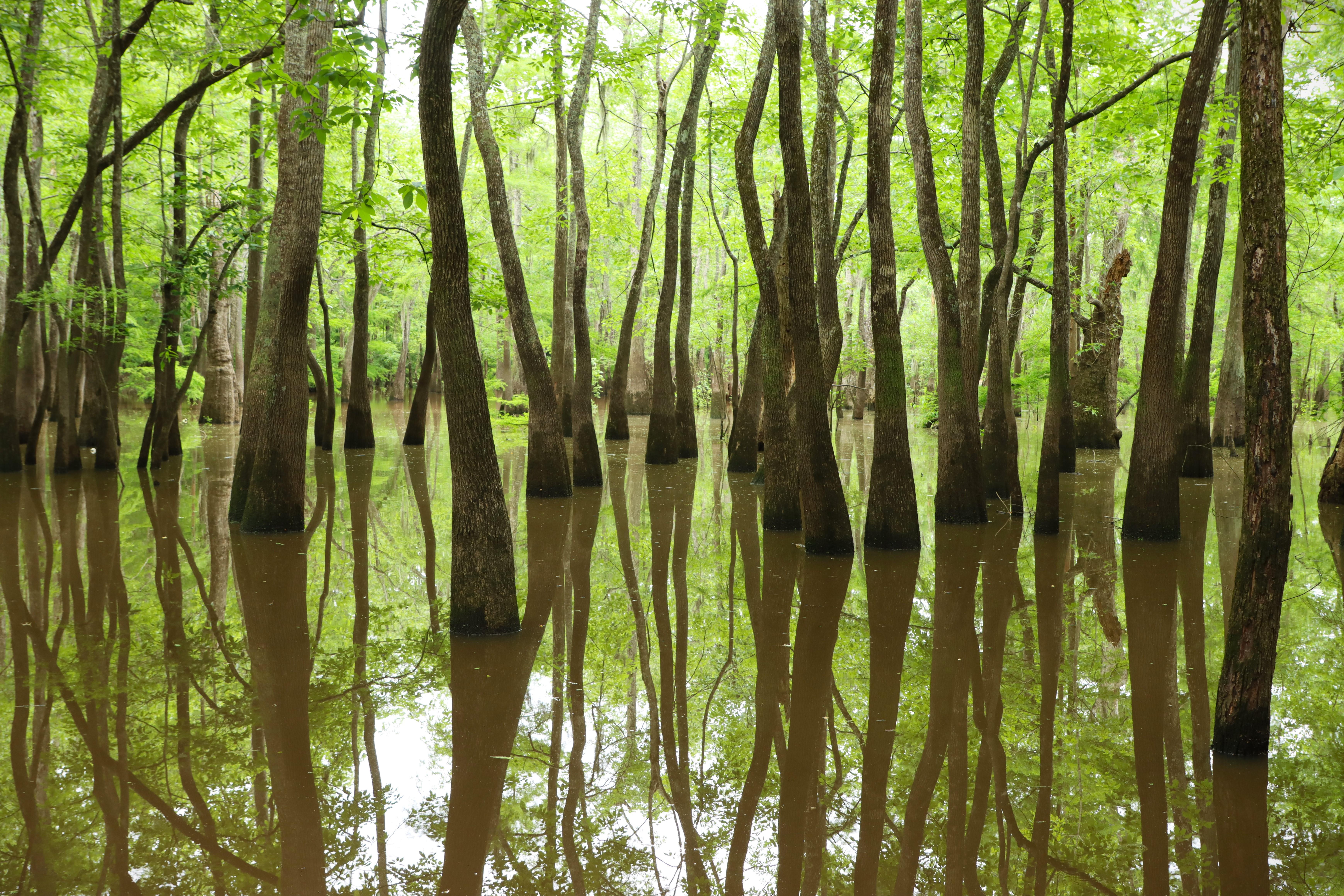
Life of all types abounds in the Big Thicket. This national preserve protects the incredible diversity of life found where multiple habitats meet in southeast Texas. Hiking trails and waterways meander through nine different ecosystems, from longleaf pine forests to cypress-lined bayous. It is a place of discovery, a place to wander and explore, a place to marvel at the richness of nature.
National Monument & Preserve
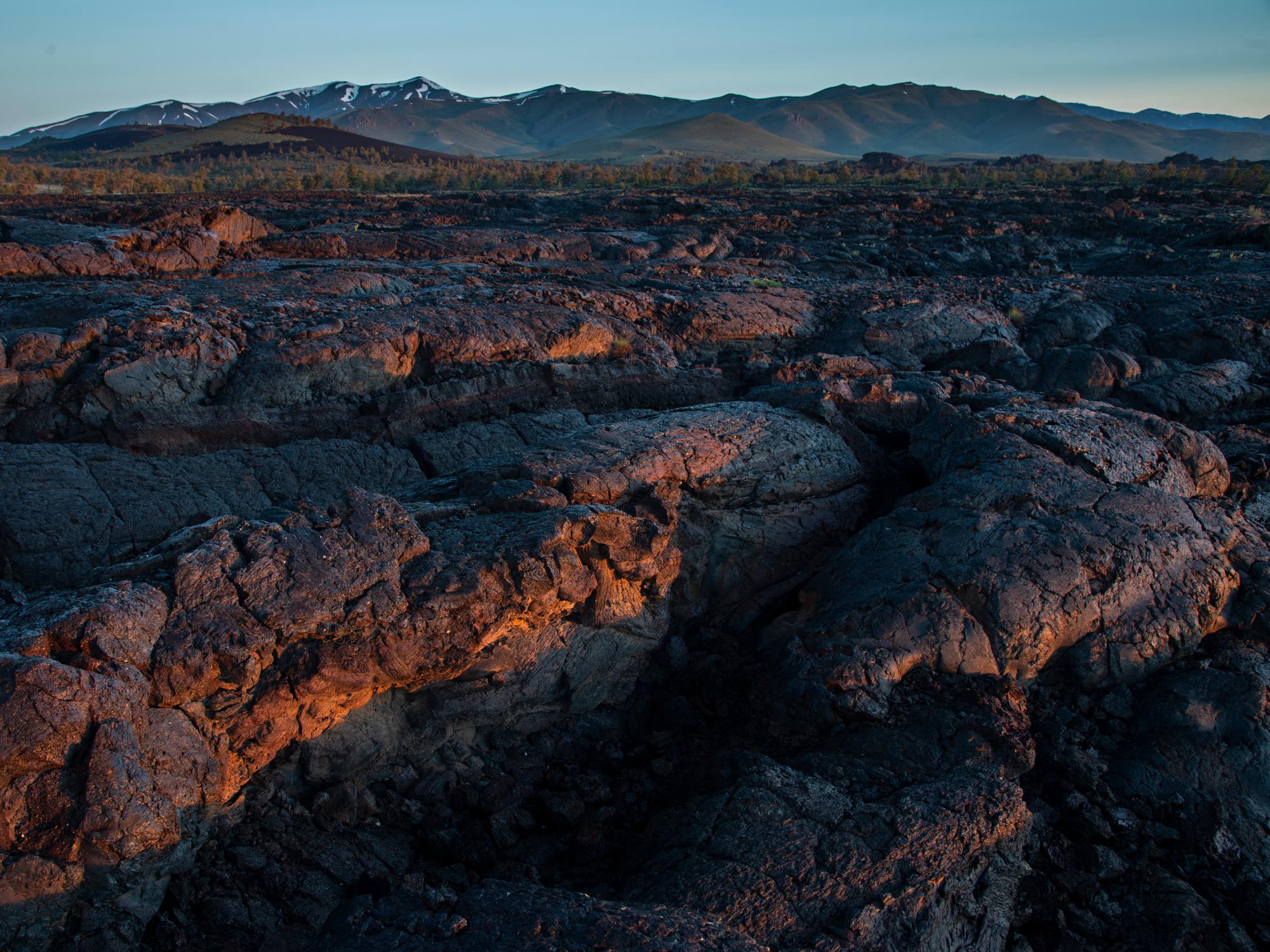
Craters Of The Moon National Monument & Preserve
ID
Craters of the Moon is a vast ocean of lava flows with scattered islands of cinder cones and sagebrush. We invite you to explore this "weird and scenic landscape" where yesterday's volcanic events are likely to continue tomorrow.

National Park & Preserve
Denali National Park & Preserve
AK
Denali is six million acres of wild land, bisected by one ribbon of road. Travelers along it see the relatively low-elevation taiga forest give way to high alpine tundra and snowy mountains, culminating in North America's tallest peak, 20,310' Mount McKinley. Wild animals large and small roam un-fenced lands, living as they have for ages. Solitude, tranquility and wilderness await.
National Park & Preserve
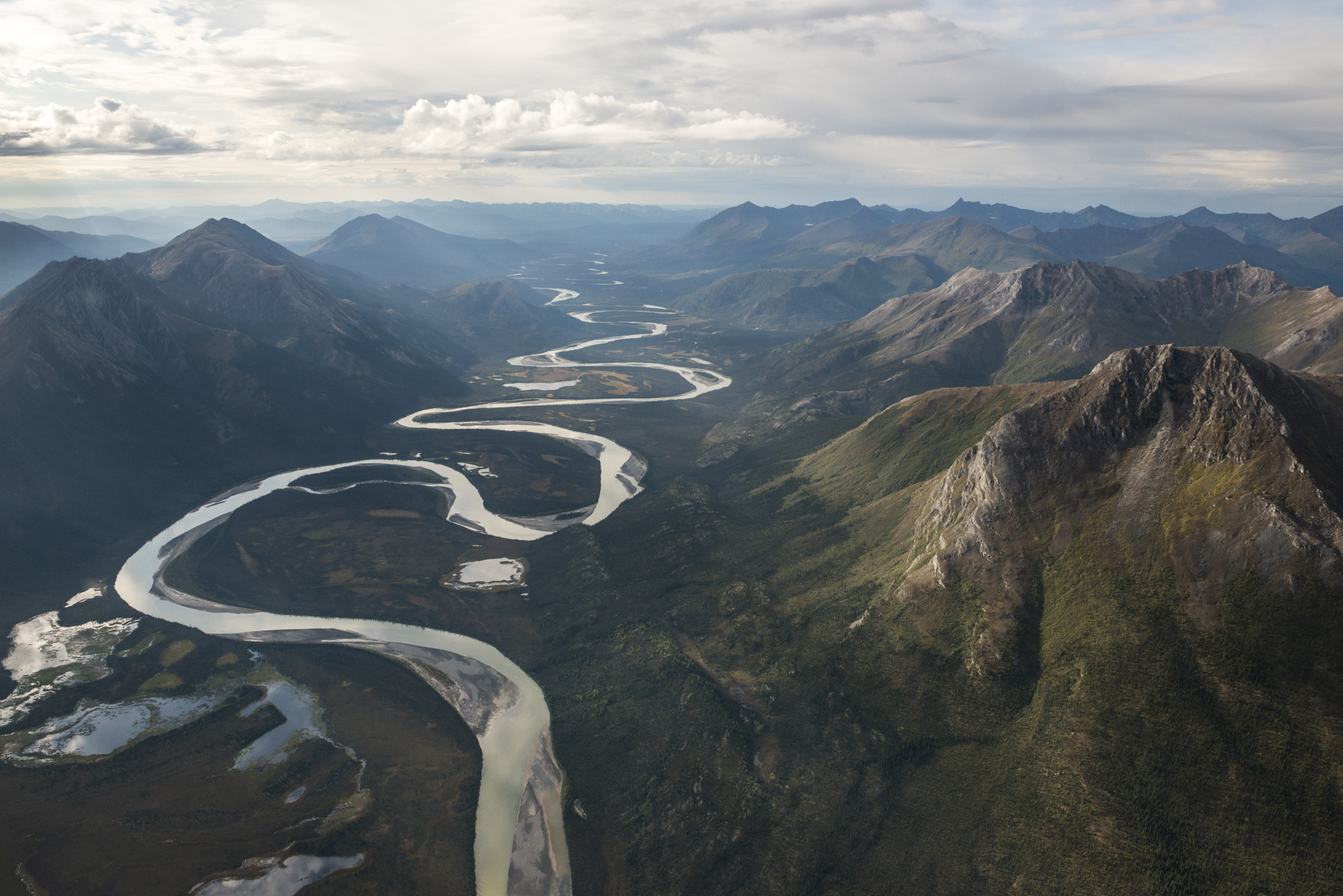
Gates Of The Arctic National Park & Preserve
AK
This vast landscape does not contain any roads or trails. Visitors discover intact ecosystems where people have lived with the land for over ten thousand years. Wild rivers meander through glacier-carved valleys, caribou migrate along age-old trails, endless summer light fades into aurora-lit night skies of winter. Virtually unchanged, except by the forces of nature.
National Park & Preserve
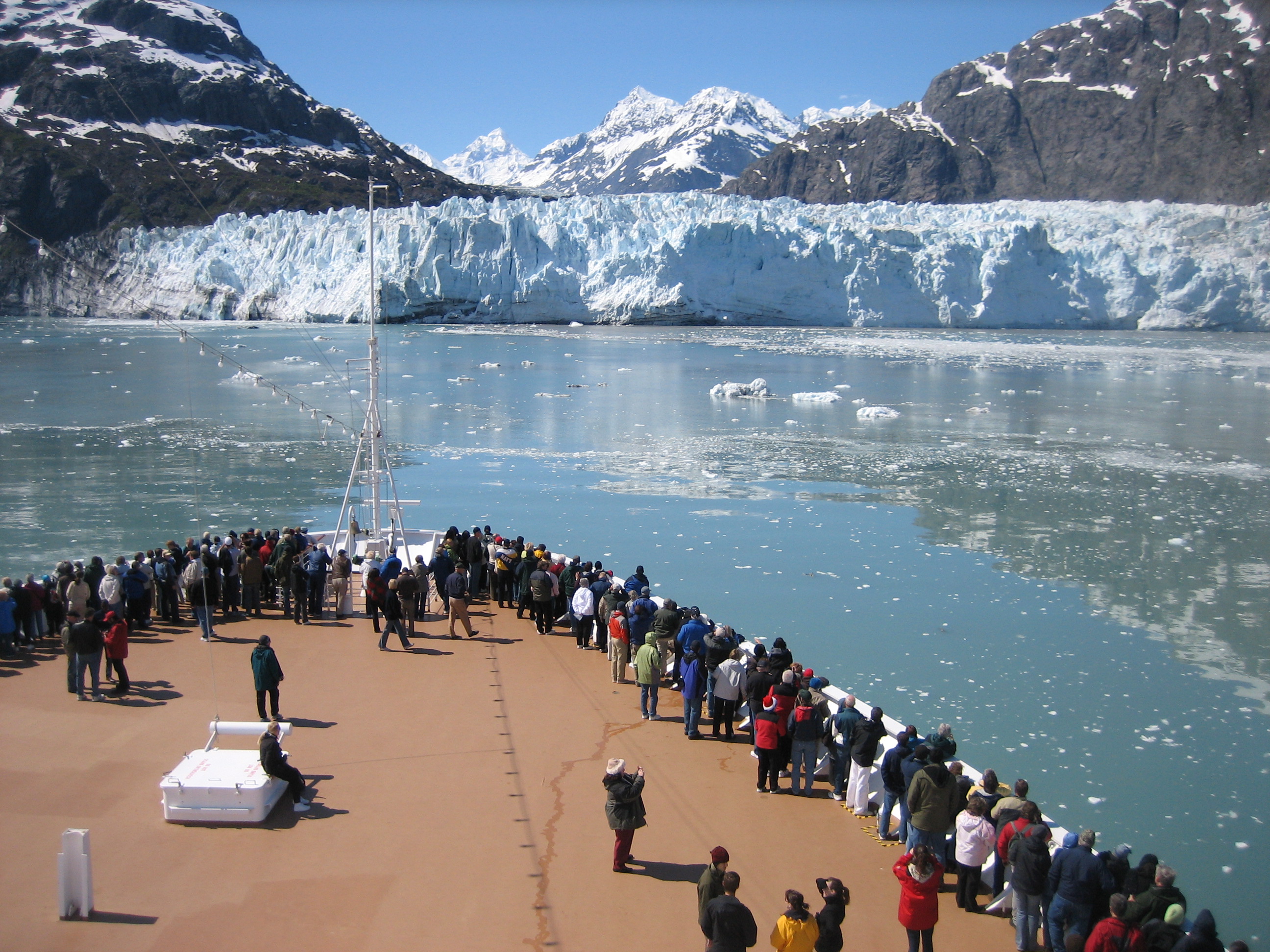
Glacier Bay National Park & Preserve
AK
Covering 3.3 million acres of rugged mountains, dynamic glaciers, temperate rainforest, wild coastlines and deep sheltered fjords, Glacier Bay National Park and Preserve is known as Homeland to the Huna and Yakutat Lingít, and is a highlight of Alaska's Inside Passage. From sea to summit, Glacier Bay offers limitless opportunities for adventure and inspiration.
National Park & Preserve
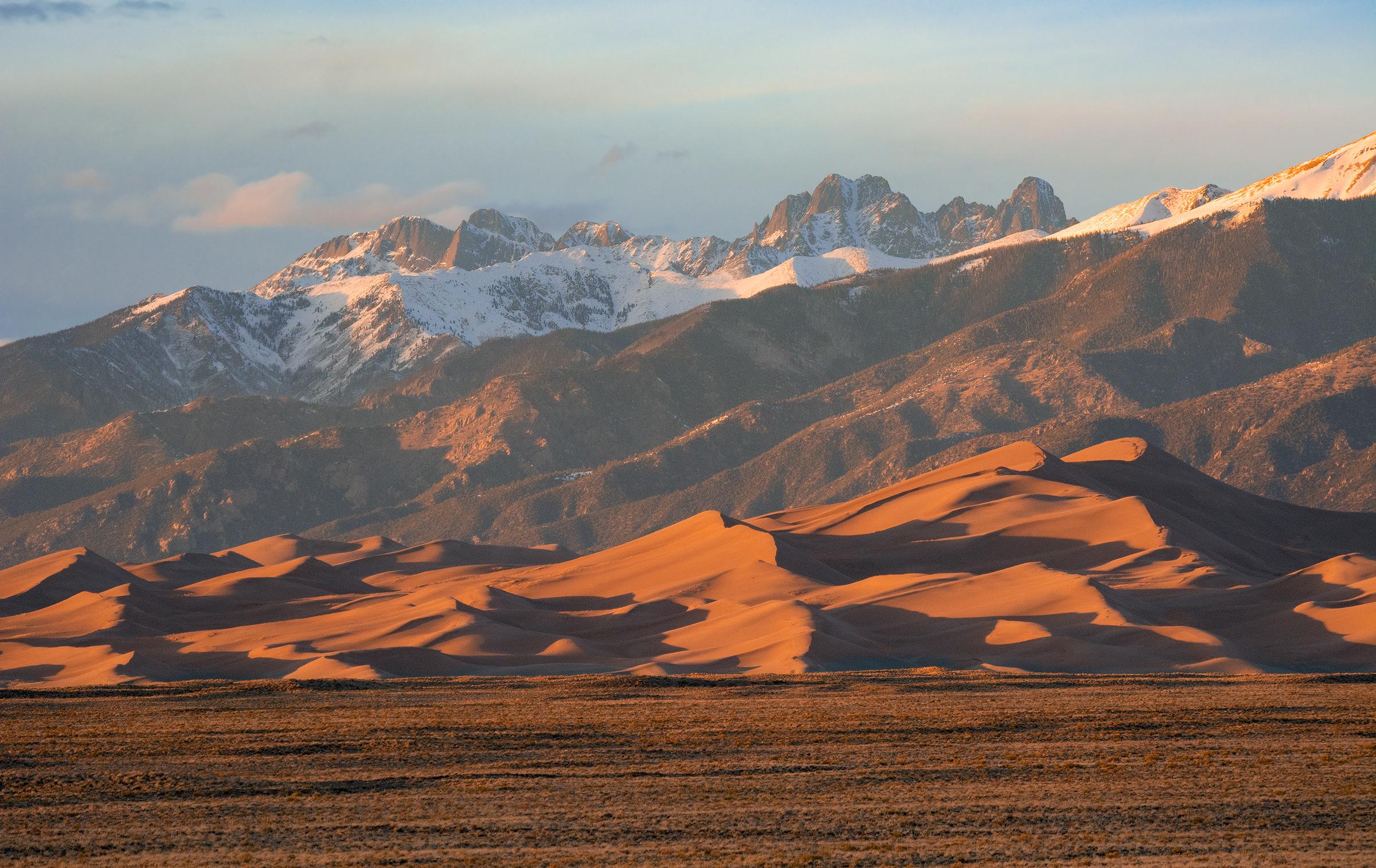
Great Sand Dunes National Park & Preserve
CO
The tallest dunes in North America are the centerpiece in a diverse landscape of grasslands, wetlands, forests, alpine lakes, and tundra. Stay on a moonless night to experience countless stars in this International Dark Sky Park! Open 24 hours a day, 7 days a week year-round. There are no timed entries or reservations to visit.
National Historical Park and Preserve
Jean Lafitte National Historical Park and Preserve
LA
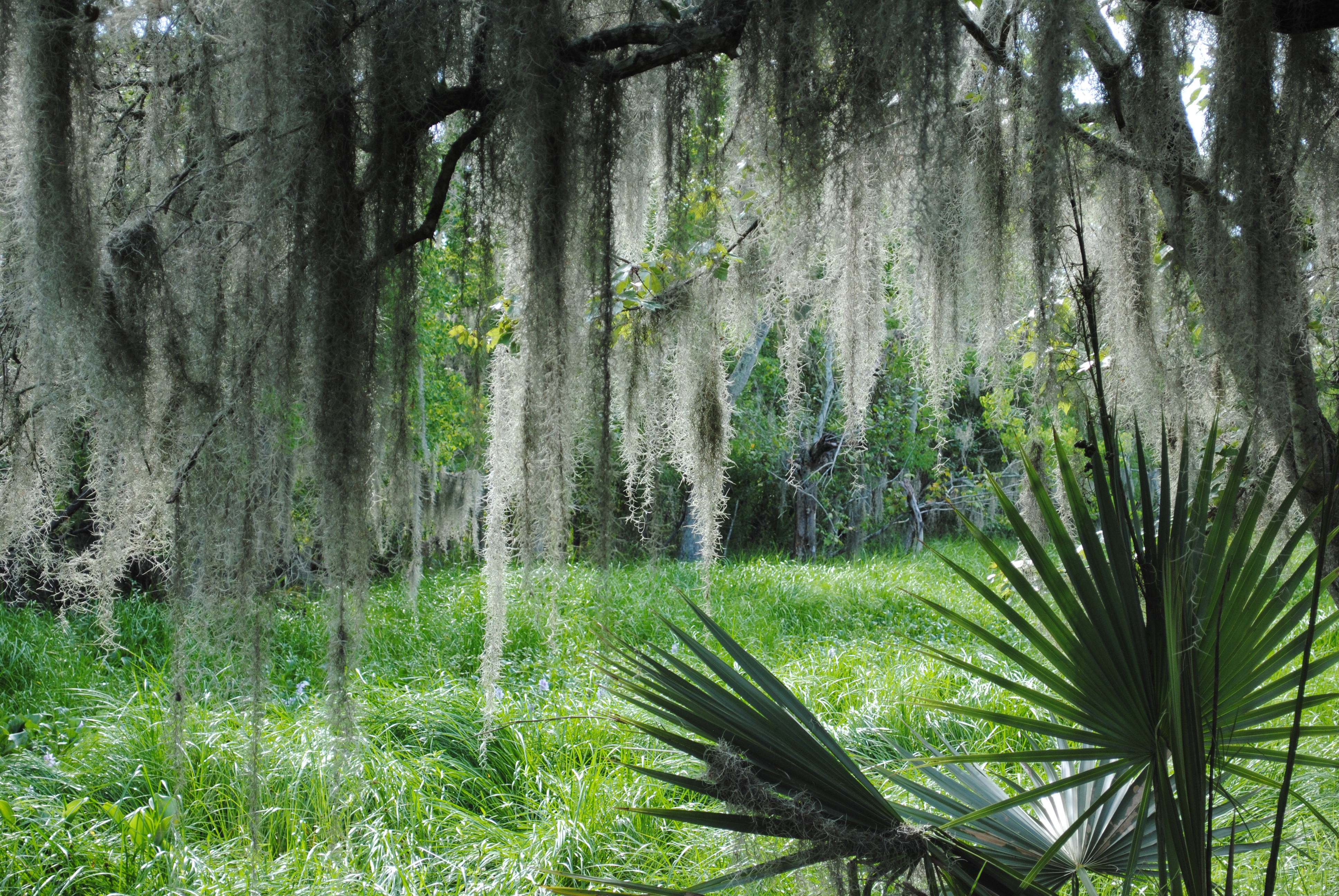
In Jean Lafitte's day, silver and gold filled a pirate's treasure chest, but today's treasures are people, places, and memories. Discover New Orleans’ rich cultural mix. Learn Cajun traditions from people who live them. Watch an alligator bask on a bayou’s bank. Walk in the footsteps of the men who fought at 1815’s Battle of New Orleans. Follow the link to discover the treasure of Jean Lafitte.
National Park & Preserve
Katmai National Park & Preserve
AK
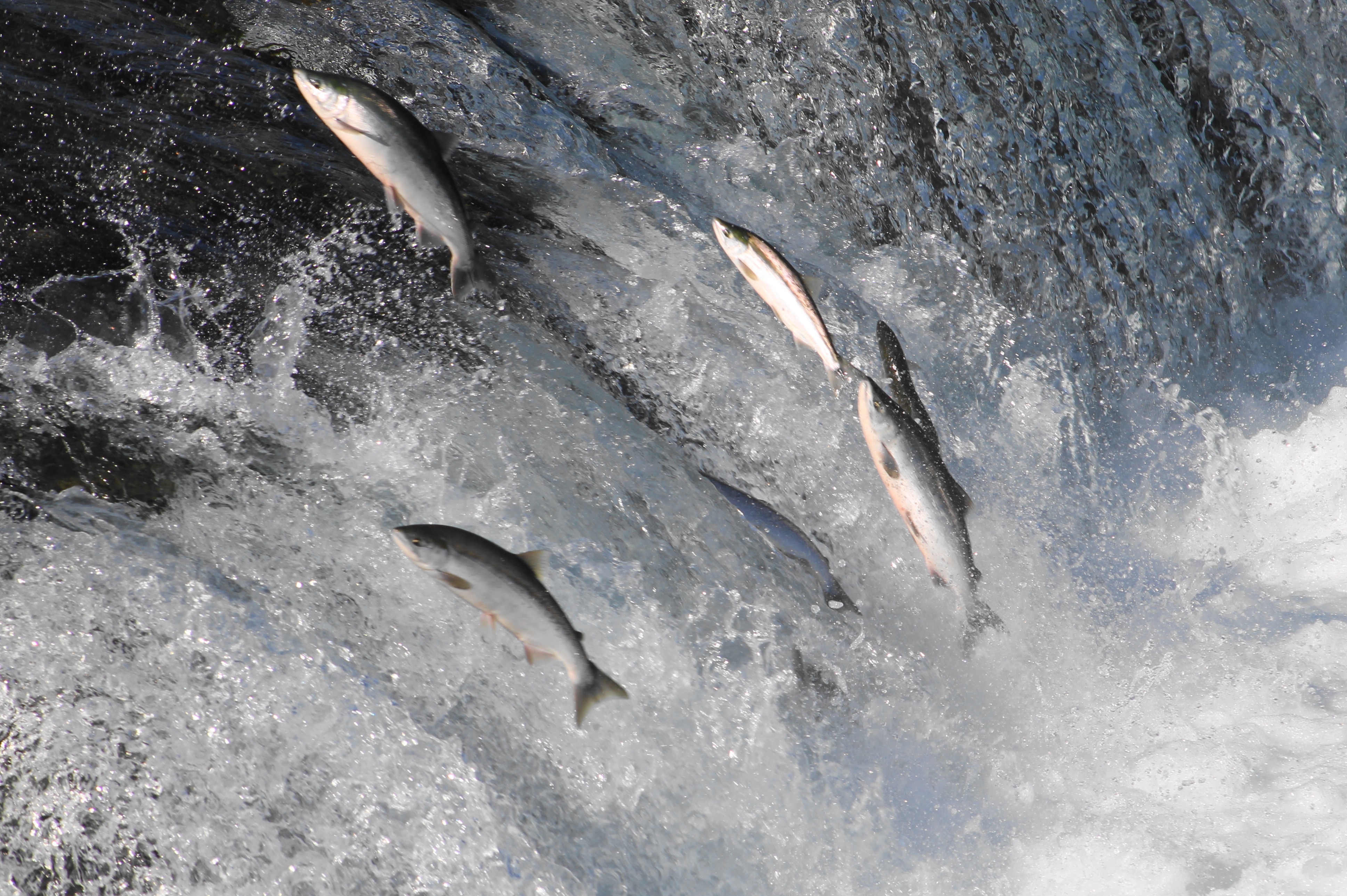
A landscape is alive underneath our feet, filled with creatures that remind us what it is to be wild. Katmai was established in 1918 to protect the volcanically devastated region surrounding Novarupta and the Valley of Ten Thousand Smokes. Today, Katmai National Park and Preserve also protects 9,000 years of human history and important habitat for salmon and thousands of brown bears.
National Park & Preserve
Lake Clark National Park & Preserve
AK
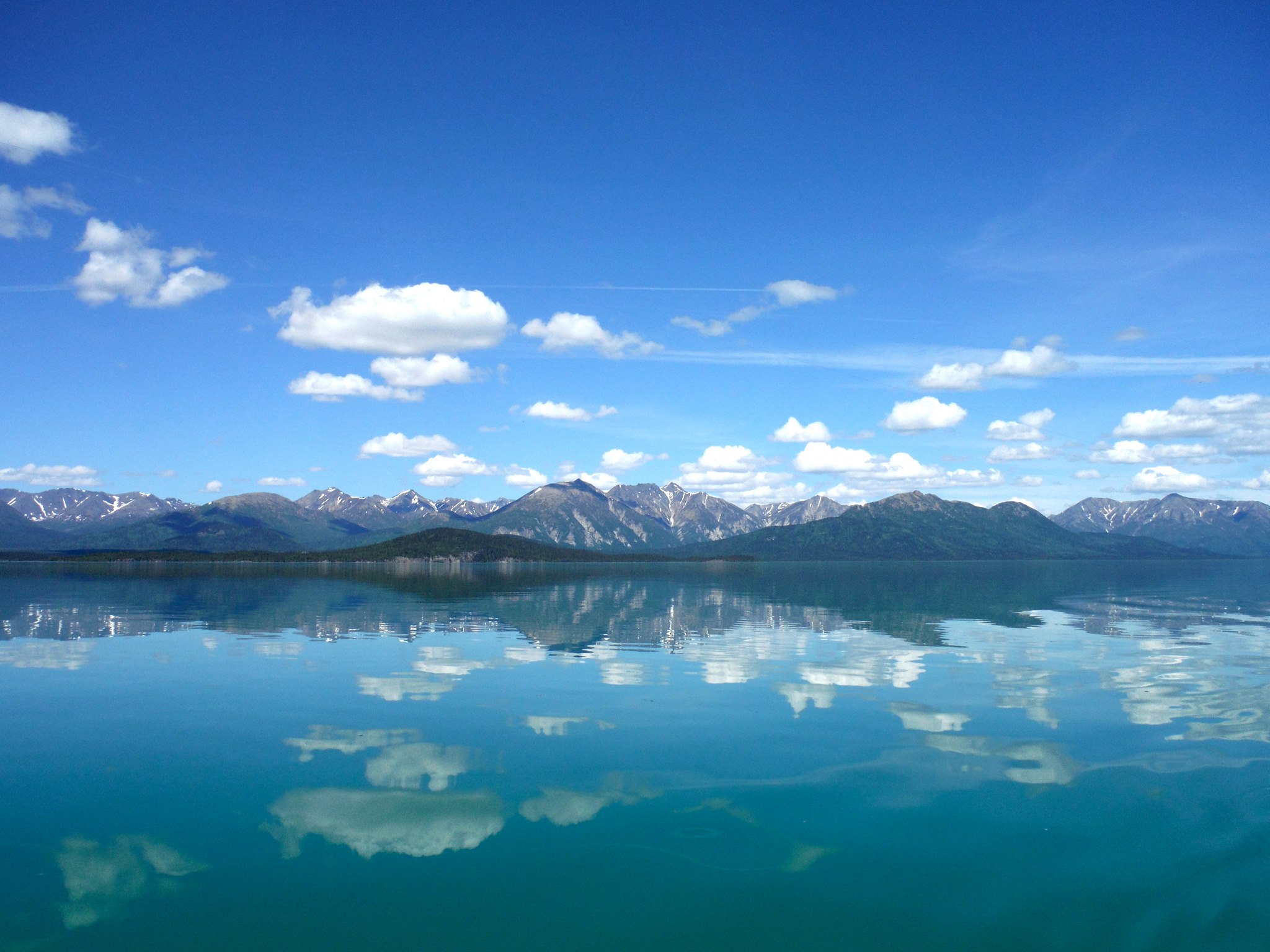
Lake Clark National Park and Preserve is a land of stunning beauty. Volcanoes steam, salmon run, bears forage, and craggy mountains reflect in shimmering turquoise lakes. Here, too, local people and culture still depend on the land and water. Venture into the park to become part of the wilderness.
Showing 1–12 of 23 parks