Kansas
From Brown v. Board of Education National Historical Park, California National Historic Trail, Fort Larned National Historic Site, and Fort Scott National Historic Site, 10 National Park Service sites in Kansas offer trails, campgrounds, historic places, and ranger-led programs. Browse the full directory below, compare parks, and plan your trip with TrailVerse.
10 parks and sites (NPS)
All parks (10)

Brown v. Board of Education National Historical Park
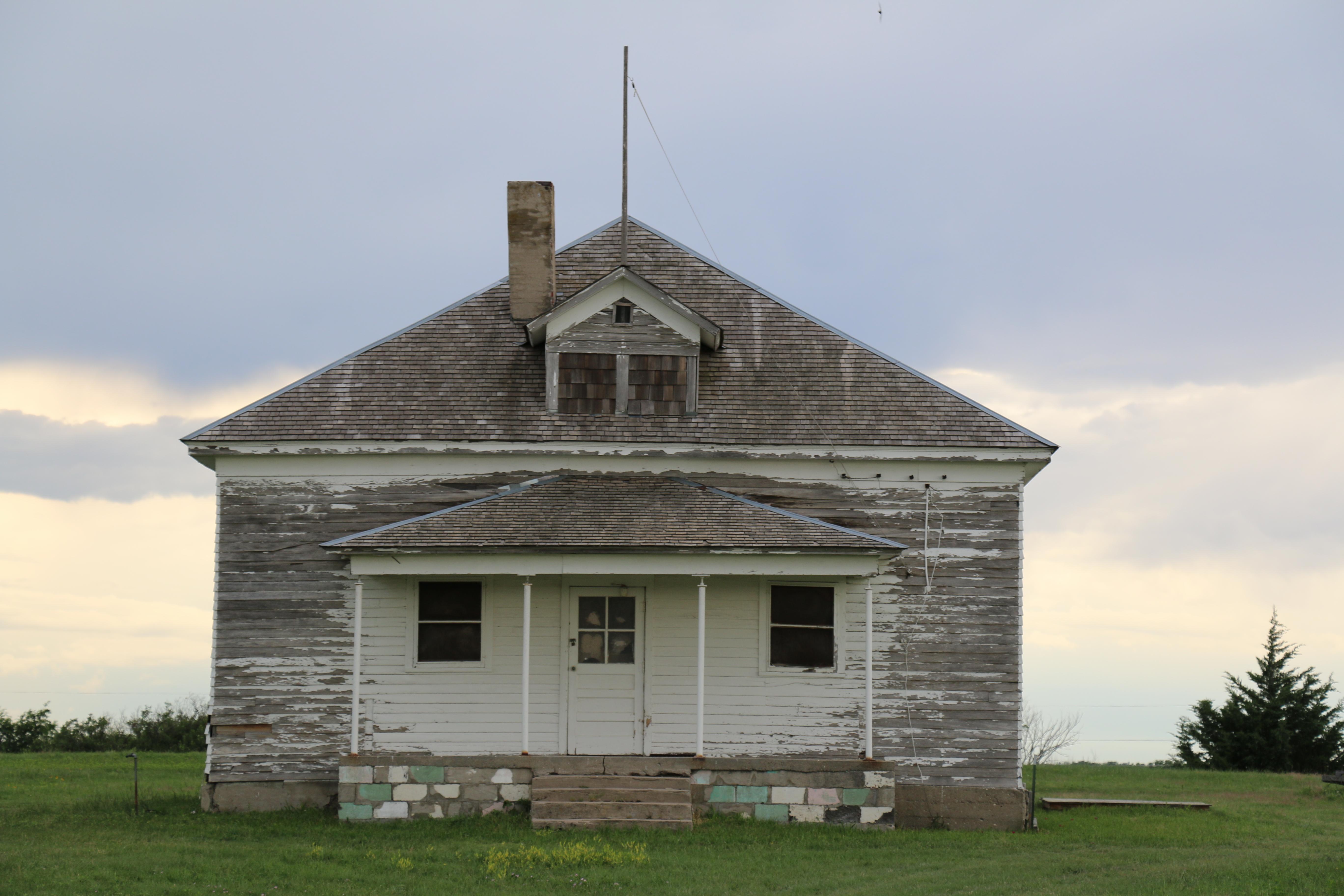
The path to equality has been anything but smooth. It's taken courage and dedication by everyday people coming together for a common goal to carry the country toward true equality. Parents, teachers, secretaries, welders, ministers, and students drove their communities, and the country along with them, toward justice in a series of often unsteady turns leading to the Brown v. Board decision.

California National Historic Trail
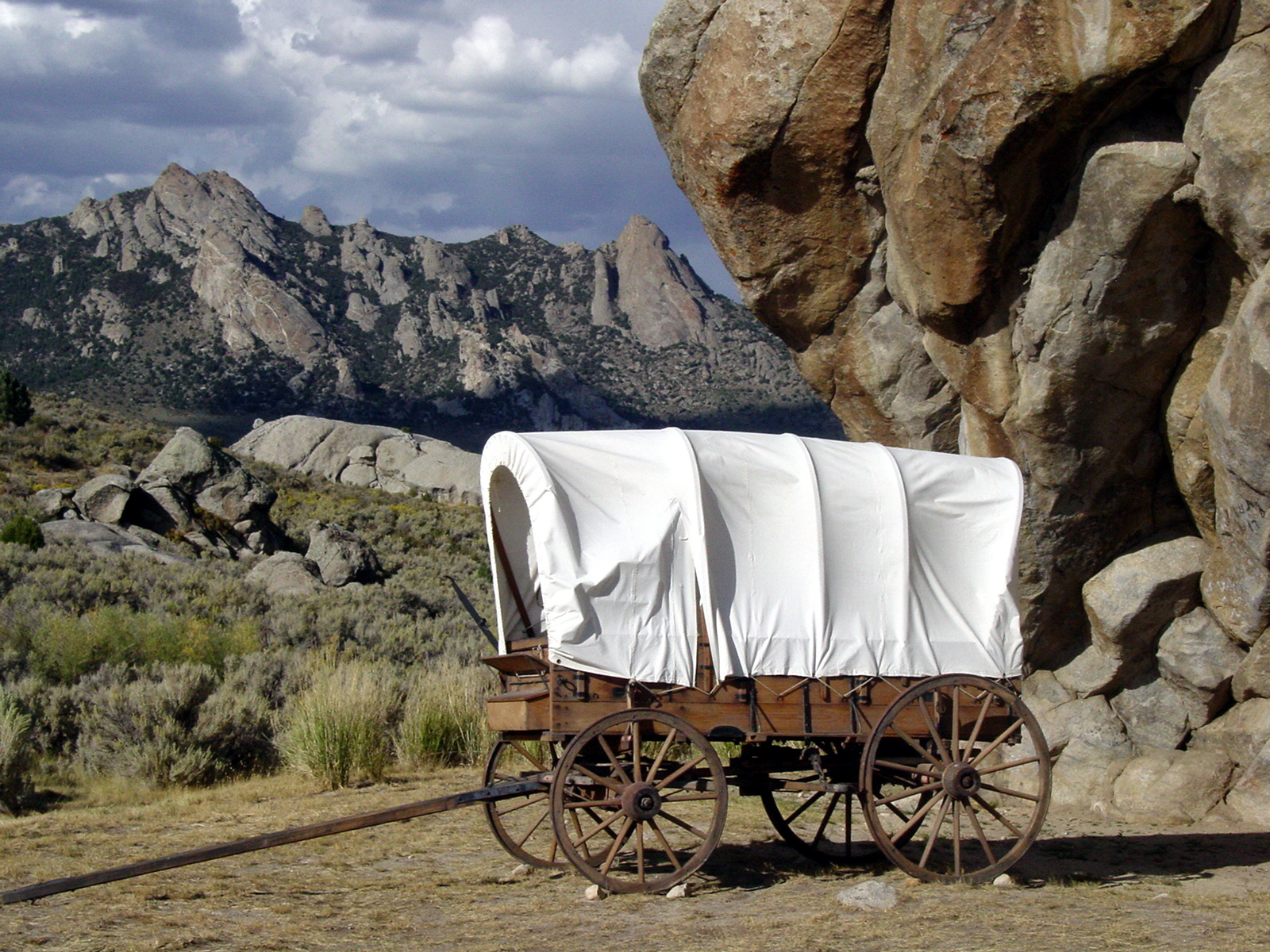
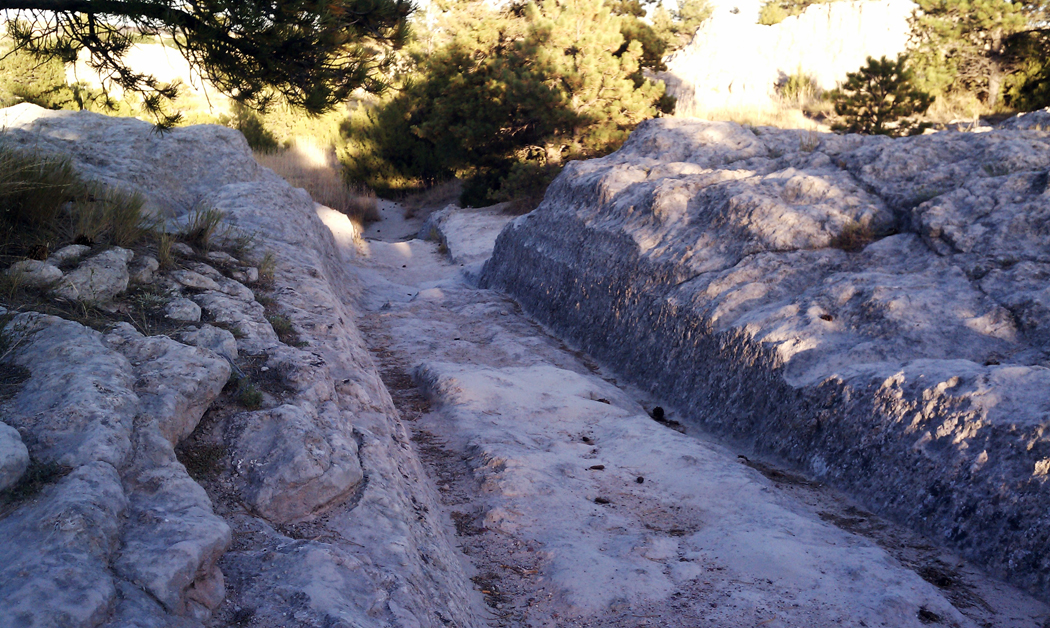
Follow in the footsteps of over 250,000 emigrants who traveled to the gold fields and rich farmlands of California during the 1840s and 1850s: the greatest mass migration in American history. The California National Historic Trail is over 5,000 miles long and covers portions of 10 states. Step into history along more than 1,000 miles of ruts and traces from travelers and their overland wagons.

Fort Larned National Historic Site
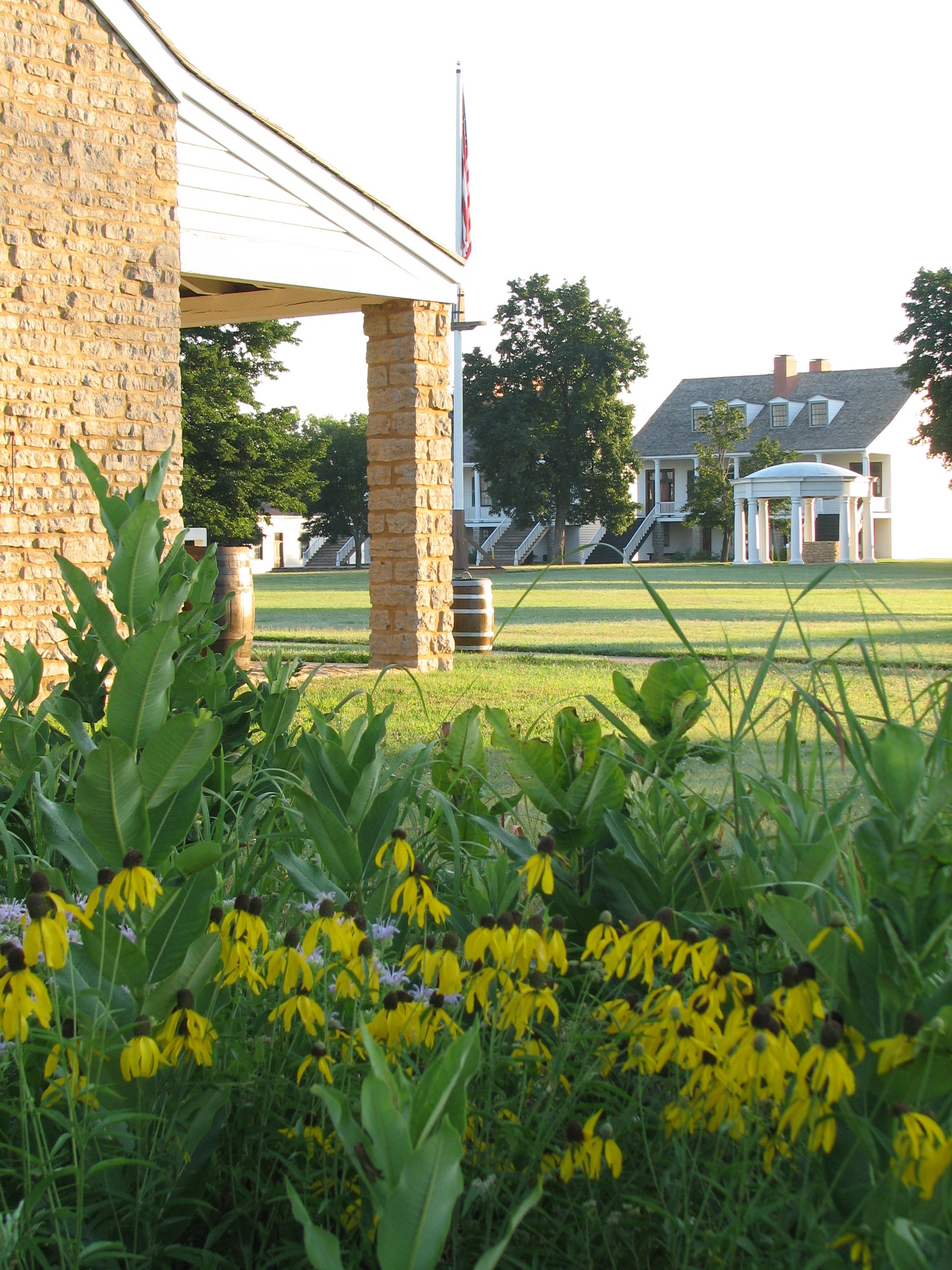
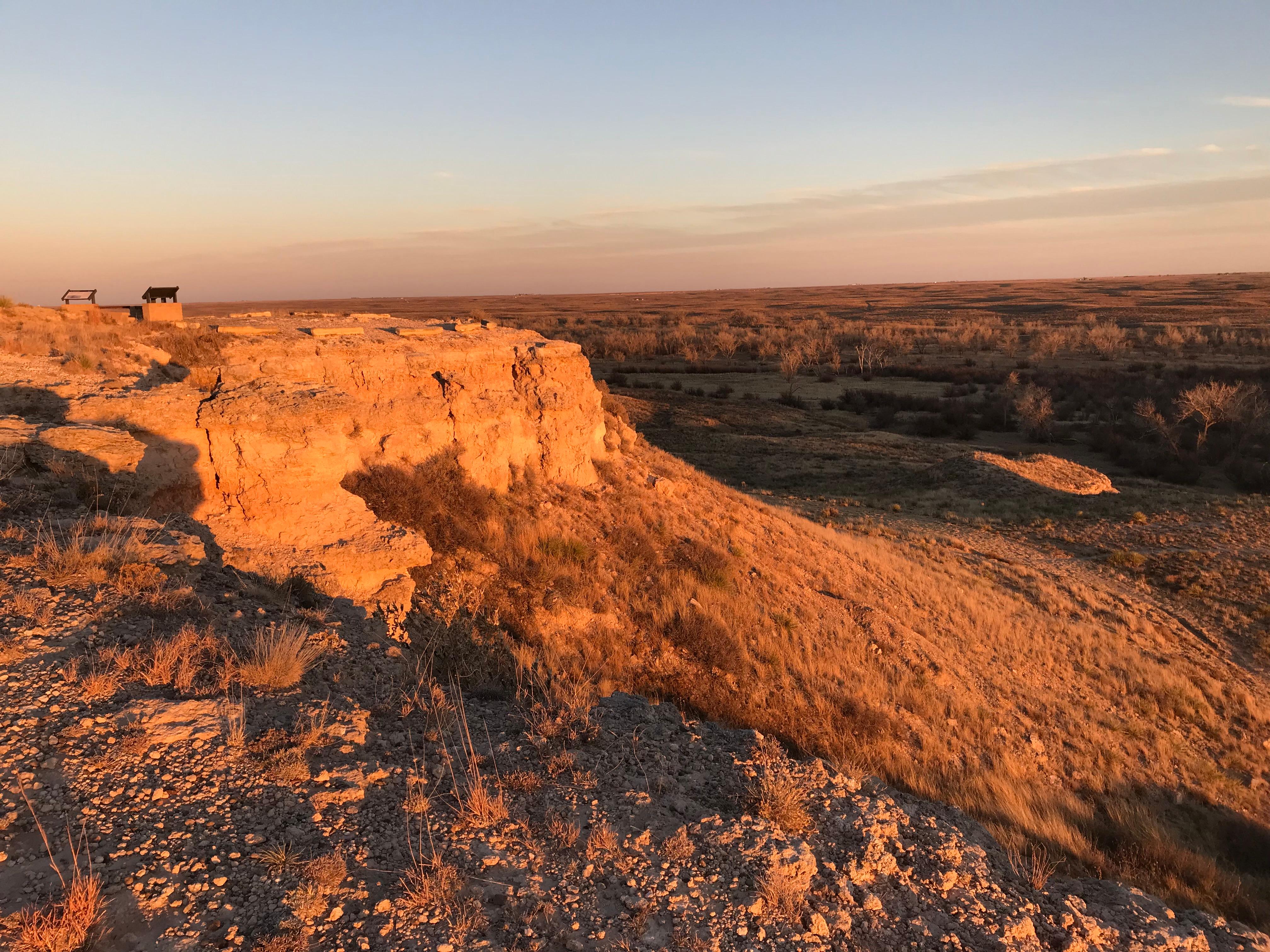
Discover a complete and authentic army post from the 1860s -1870s! This well-preserved fort on the Santa Fe Trail shares a tumultuous history of the Indian Wars era. The sandstone constructed buildings sheltered troops who were known as the Guardians of the Santa Fe Trail.

Fort Scott National Historic Site
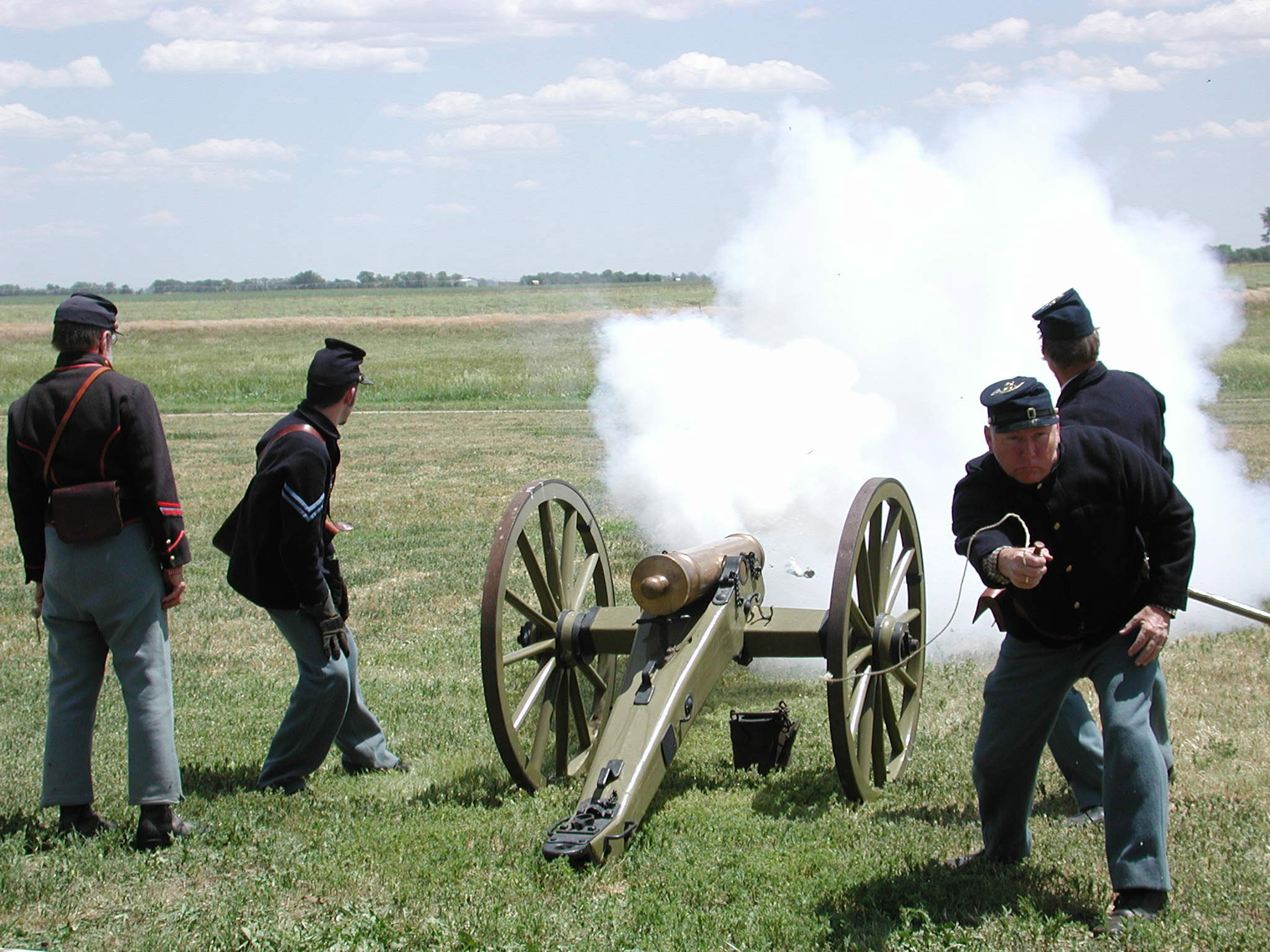
Promises made and broken! Who deserves to be free? The fight for freedom! Soldiers fighting settlers! Each of these stories is a link in the chain of events that encircled Fort Scott from 1842-1873. All of the site's structures, its parade ground, and its tallgrass prairie bear witness to this era when the country was forged from a young republic into a united transcontinental nation.

Lewis & Clark National Historic Trail
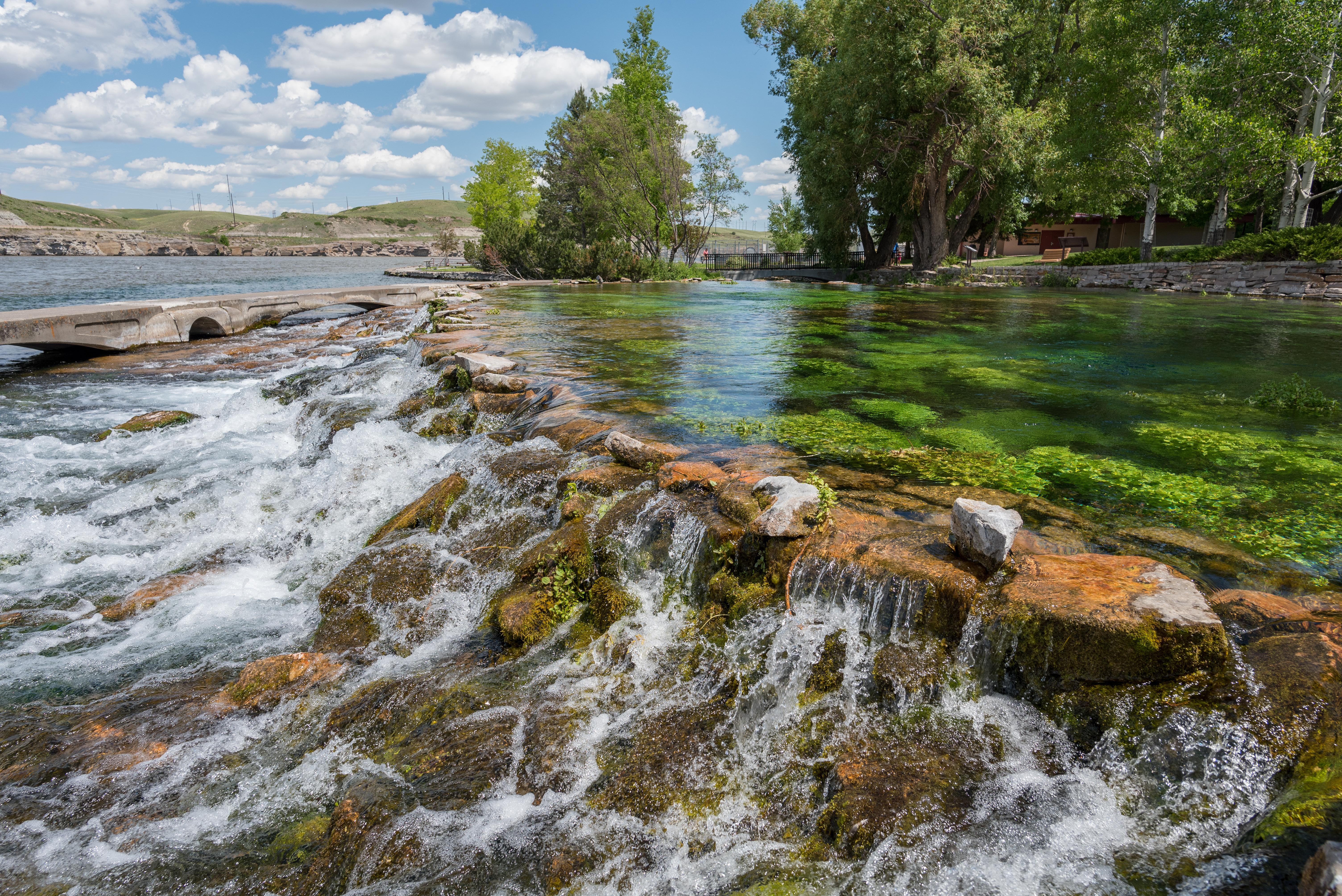
The Lewis and Clark National Historic Trail winds nearly 4,900 miles through the homelands of more than 60 Tribal nations. It follows the historic outbound and inbound routes of the Lewis and Clark Expedition of 1803-1806 from Pittsburgh, Pennsylvania to the Pacific Ocean. Follow the trail to find the people, places, and stories that make up the complex legacy of the expedition.

Nicodemus National Historic Site
Formerly enslaved African Americans left Kentucky at the end of the post-Civil War Reconstruction period to experience freedom in the "Promised Land" of Kansas. Nicodemus represents the involvement of African Americans in the homesteading movement across the Great Plains. It is the oldest remaining Black settlement west of the Mississippi River.

Oregon National Historic Trail
Imagine yourself an emigrant headed for Oregon: would promises of lush farmlands and a new beginning lure you to leave home and walk for weeks? More than 2,000 miles of trail ruts and traces can still be seen along the Oregon National Historic Trail in six states and serve as reminders of the sacrifices, struggles, and triumphs of early American settlers.

Pony Express National Historic Trail
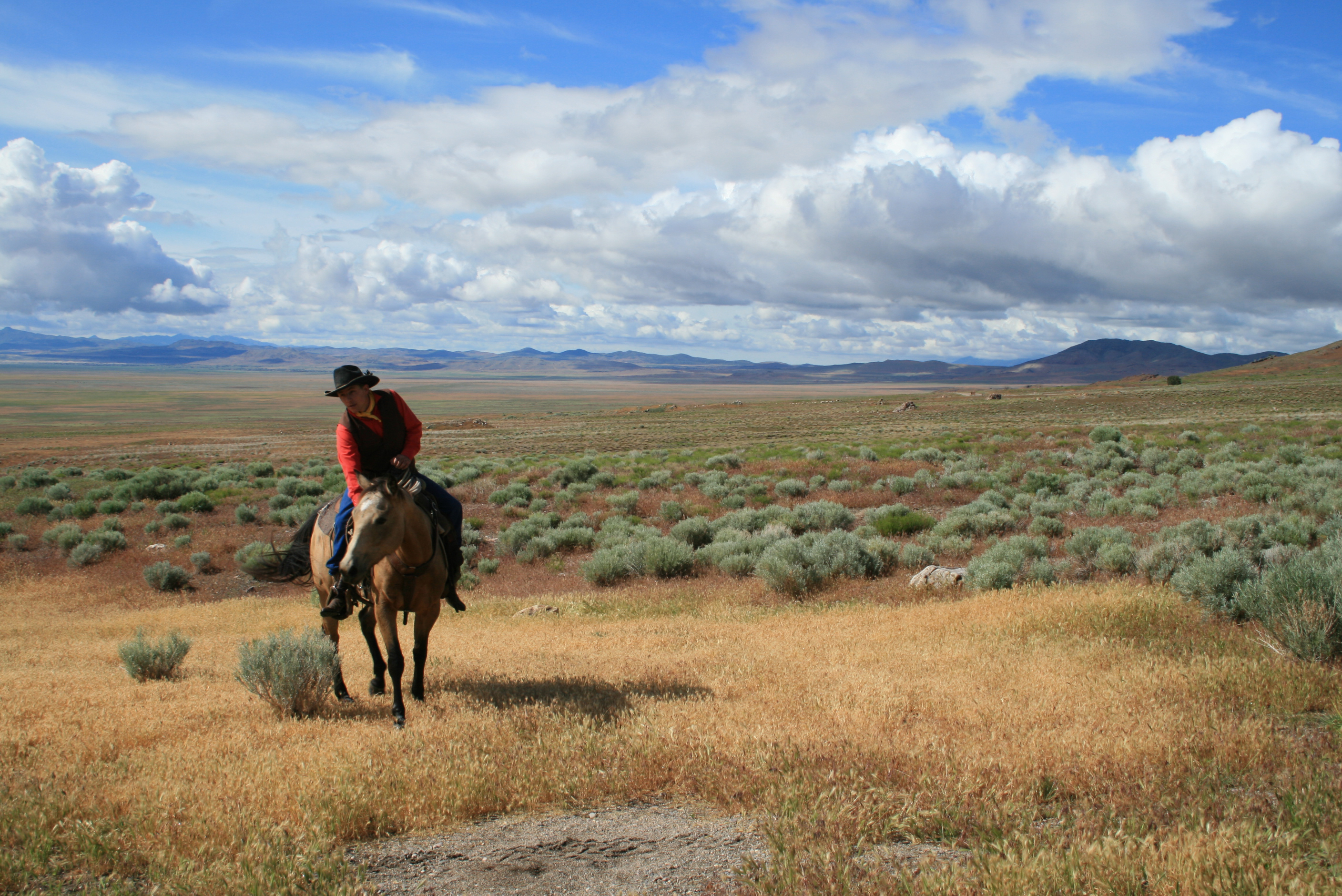
It is hard to believe that young men once rode horses to carry mail from Missouri to California in the unprecedented time of only 10 days. This relay system along the Pony Express National Historic Trail in eight states was the most direct and practical means of east-west communications before the telegraph.

Santa Fe National Historic Trail
You can almost hear the whoops and cries of "All's set!" as trail hands hitched their oxen to freight wagons carrying cargo between western Missouri and Santa Fe, New Mexico. Follow the Santa Fe National Historic Trail through five states and you'll find adventure and evidence of past travelers who made this remarkable trip before you!

Tallgrass Prairie National Preserve
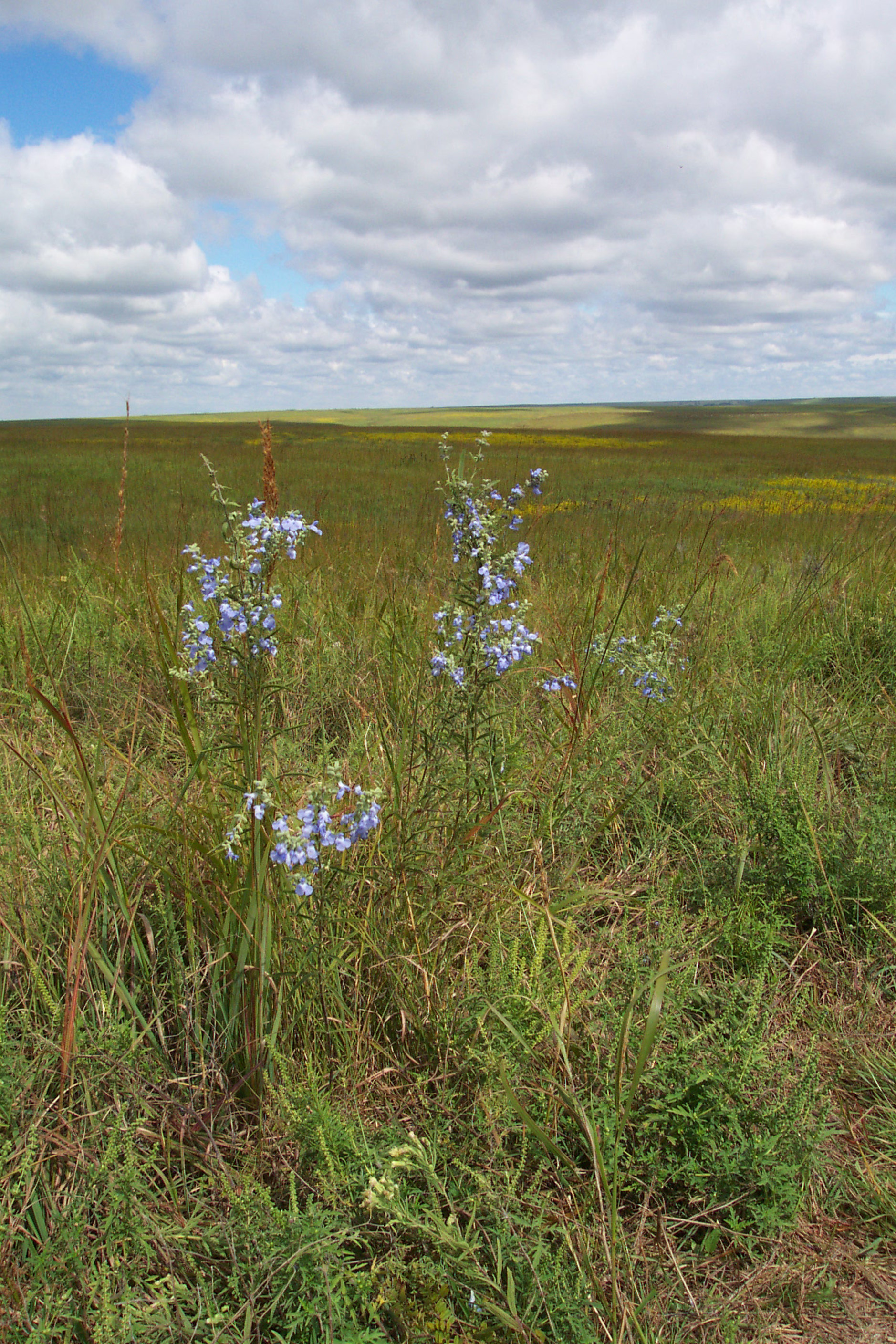
Tallgrass prairie once covered 170 million acres of North America, but within a generation most of it had been transformed into farms, cities, and towns. Today less than 4% remains intact, mostly in the Kansas Flint Hills. Established on November 12, 1996, the preserve protects a nationally significant remnant of the once vast tallgrass prairie ecosystem. Here the tallgrass makes its last stand.