Washington
From Ebey's Landing National Historical Reserve, Fort Vancouver National Historic Site, Ice Age Floods National Geologic Trail, and Klondike Gold Rush - Seattle Unit National Historical Park, 17 National Park Service sites in Washington offer trails, campgrounds, historic places, and ranger-led programs. Browse the full directory below, compare parks, and plan your trip with TrailVerse.
17 parks and sites (NPS)
All parks (17)
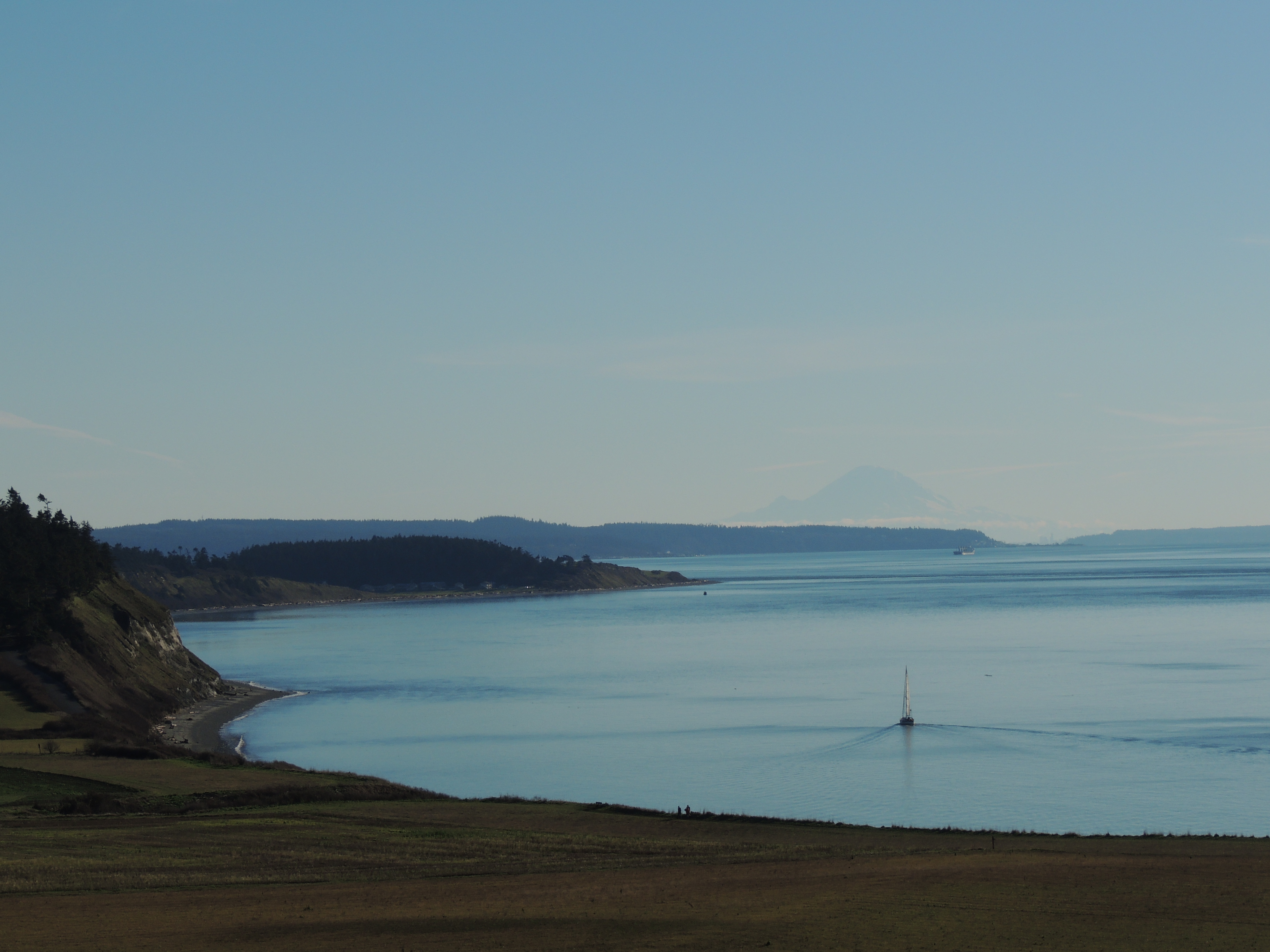
Ebey's Landing National Historical Reserve
This stunning landscape on the Salish Sea, with its rich farmland and promising seaport, lured the earliest American pioneers north of the Columbia River to Ebey’s Landing. Today Ebey’s Landing National Historical Reserve preserves the historical, agricultural and cultural traditions of both Native and Euro-American – while offering spectacular opportunities for recreation.
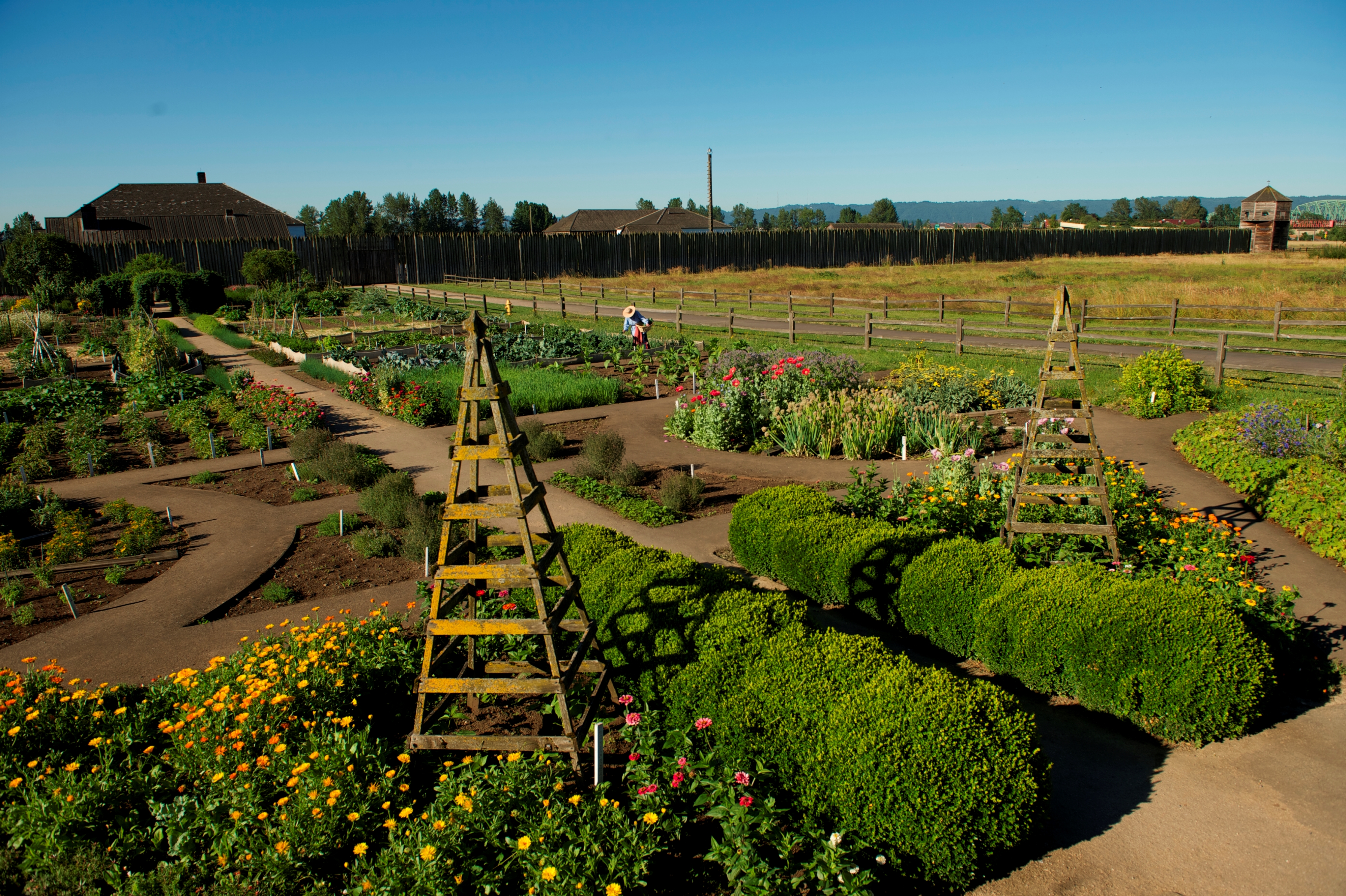
Fort Vancouver National Historic Site
Located on the north bank of the Columbia River, in sight of snowy mountain peaks and a vibrant urban landscape, this park has a rich cultural past. From a frontier fur trading post, to a powerful military legacy, the magic of flight, and the origin of the American Pacific Northwest, history is shared at four unique sites. Discover stories of transition, settlement, conflict, and community.
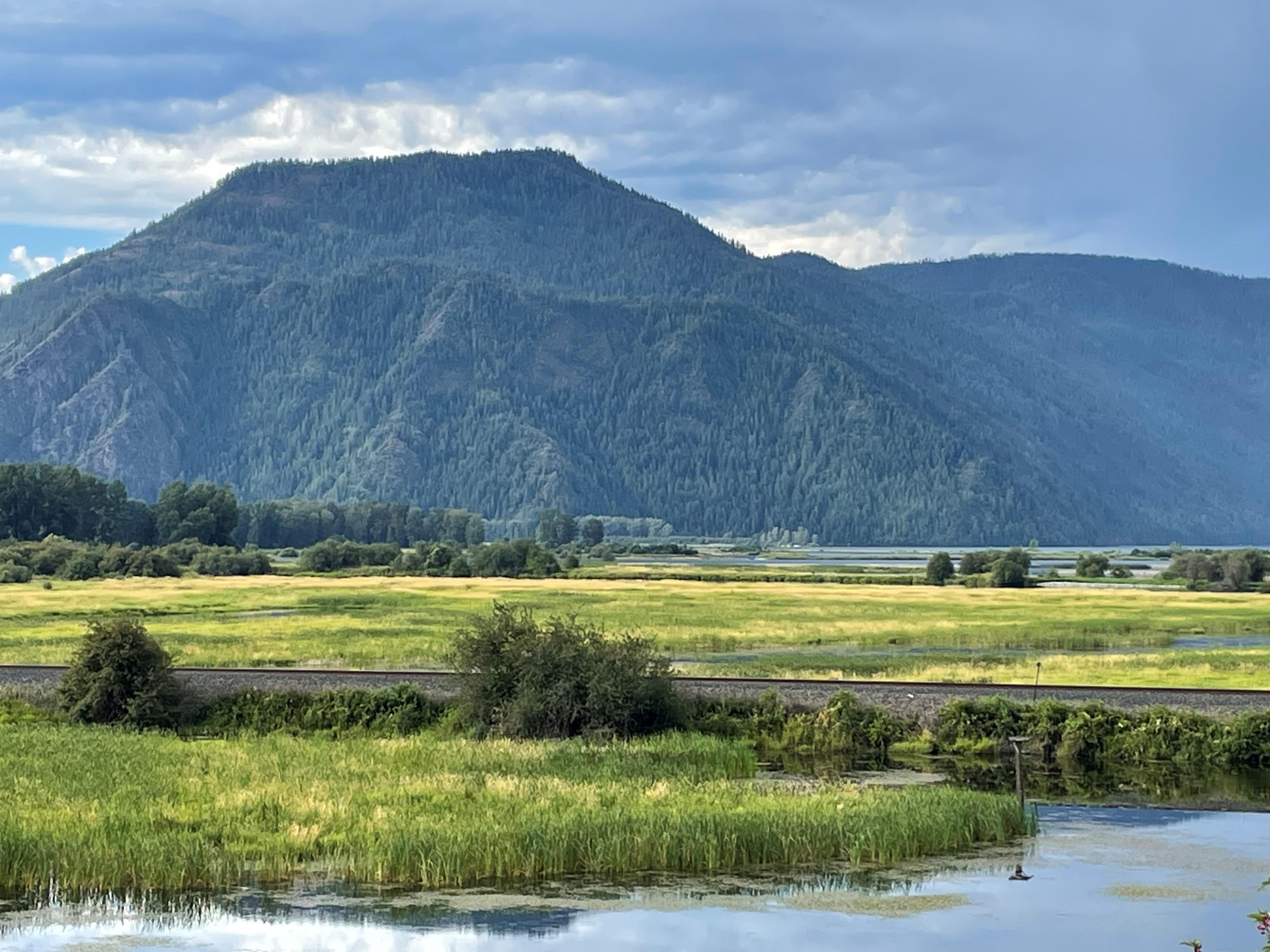
Ice Age Floods National Geologic Trail
At the end of the last Ice Age, 18,000 to 15,000 years ago, an ice dam in northern Idaho created Glacial Lake Missoula stretching 3,000 square miles around Missoula, Montana. The dam burst and released flood waters across Washington, down the Columbia River into Oregon before reaching the Pacific Ocean. The Ice Age Floods forever changed the lives and landscape of the Pacific Northwest.
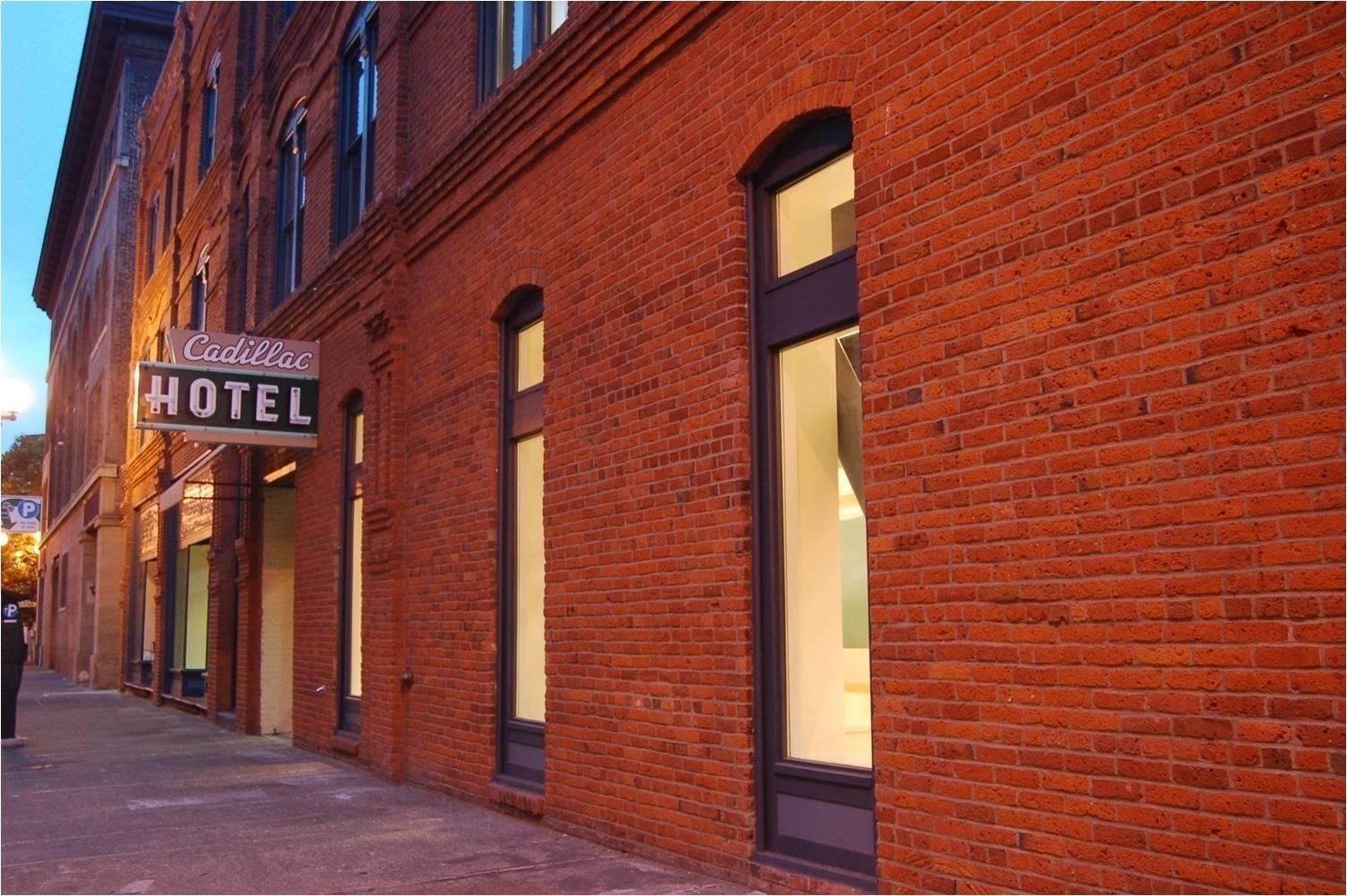
Klondike Gold Rush - Seattle Unit National Historical Park
Seattle flourished during and after the Klondike Gold Rush. Merchants supplied people from around the world passing through this port city on their way to a remarkable adventure in the Yukon Territory of Canada. Today, the park is your gateway to learn about the Klondike Gold Rush, explore the area's public lands, and engage with the local community.
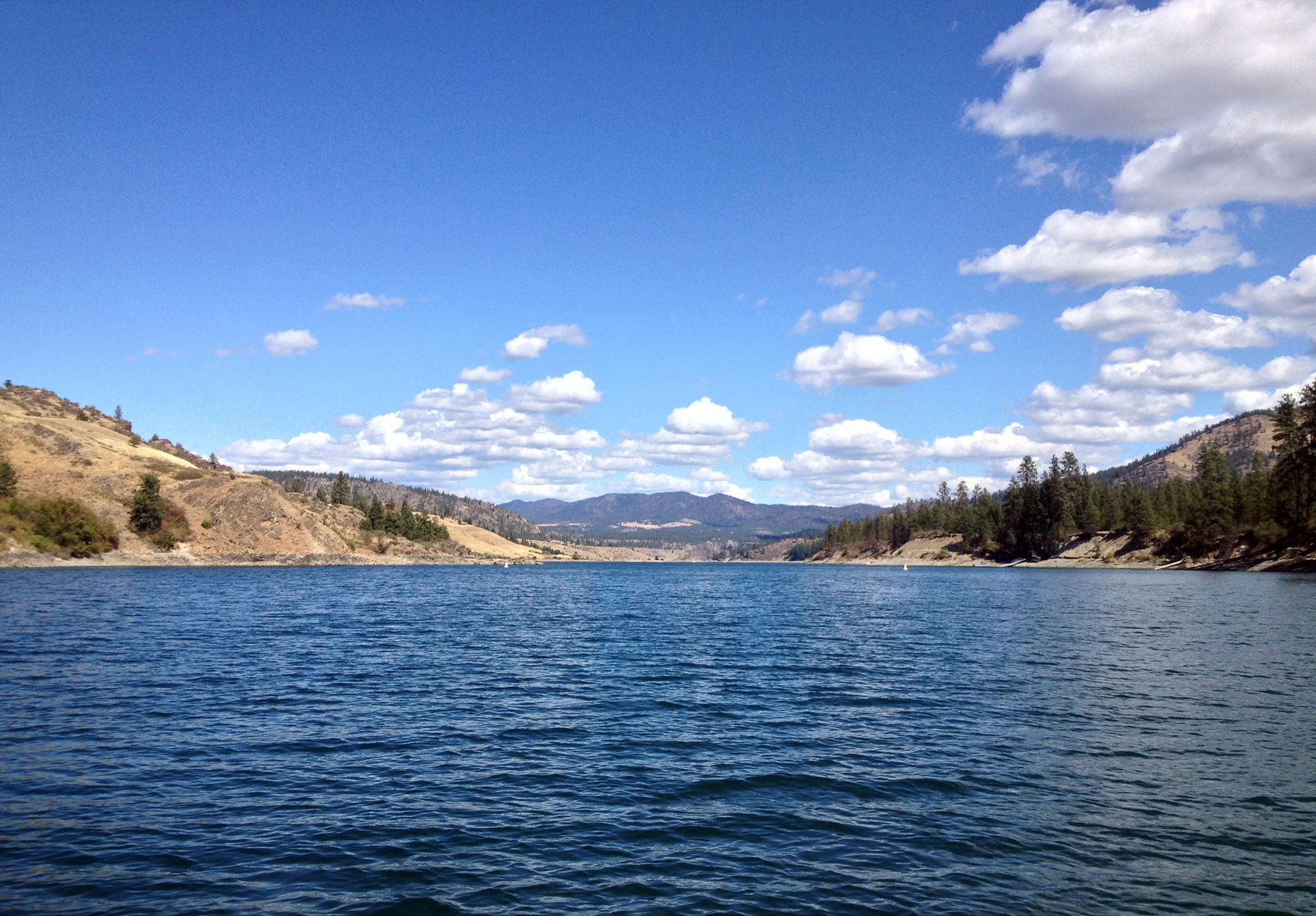
Lake Roosevelt National Recreation Area
The ancient geologic landscape of the upper Columbia River cradles Lake Roosevelt in walls of stone carved by massive ice age floods. Come explore the shorelines and learn the stories of American Indians, traders and trappers, settlers and dam builders who called this place home. Swim, boat, hike, camp, and fish at this hidden gem in Northeast Washington, created by the Grand Coulee Dam.
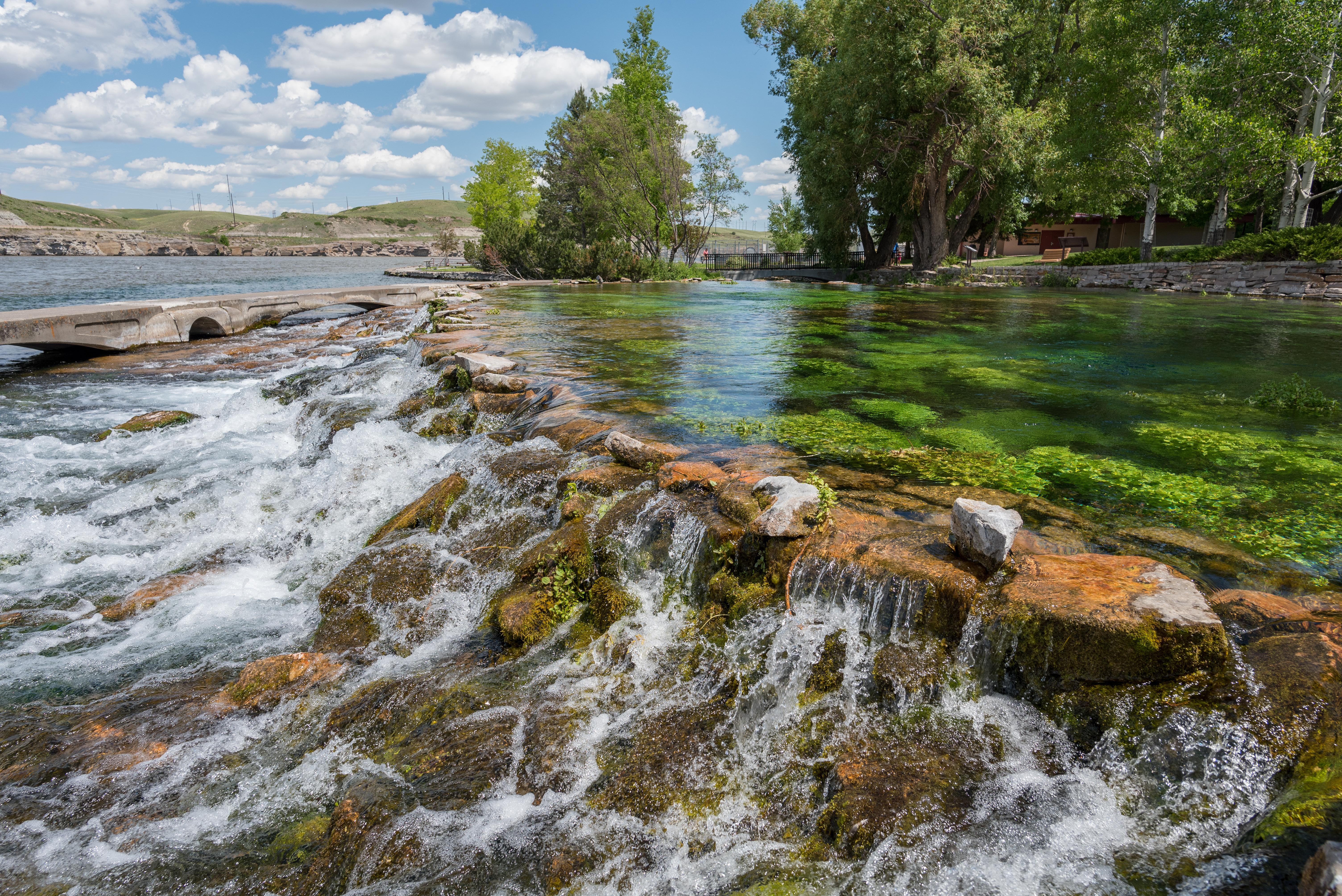
Lewis & Clark National Historic Trail
The Lewis and Clark National Historic Trail winds nearly 4,900 miles through the homelands of more than 60 Tribal nations. It follows the historic outbound and inbound routes of the Lewis and Clark Expedition of 1803-1806 from Pittsburgh, Pennsylvania to the Pacific Ocean. Follow the trail to find the people, places, and stories that make up the complex legacy of the expedition.
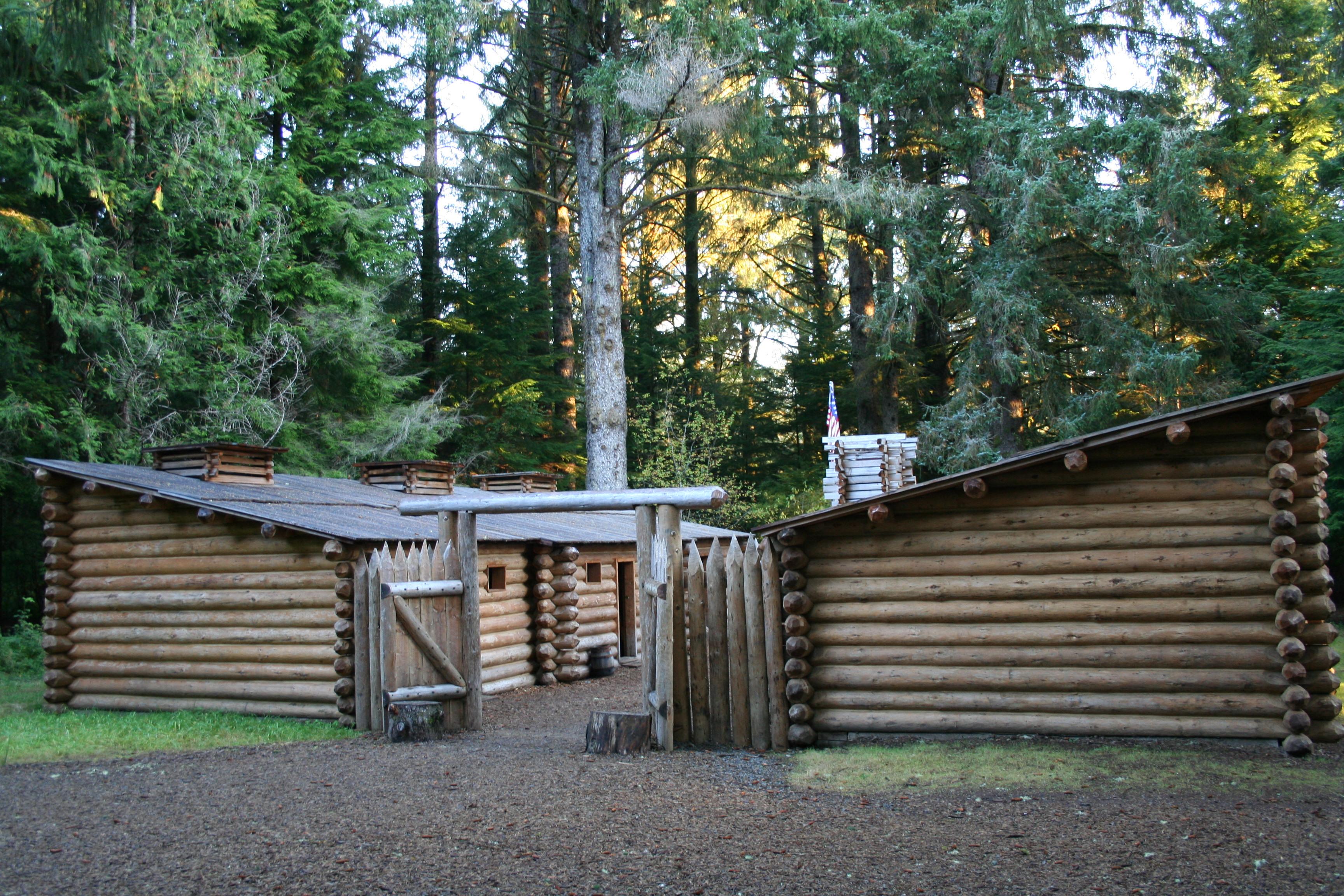
Lewis and Clark National Historical Park
Explore the timeless rainforests and majestic coastal vistas. Discover the rich heritage of the native people. Unfold the dramatic stories of America's most famous explorers. The park encompasses sites along the Columbia River and the Pacific Coast. Follow in the footsteps of the explorers and have an adventure in history.
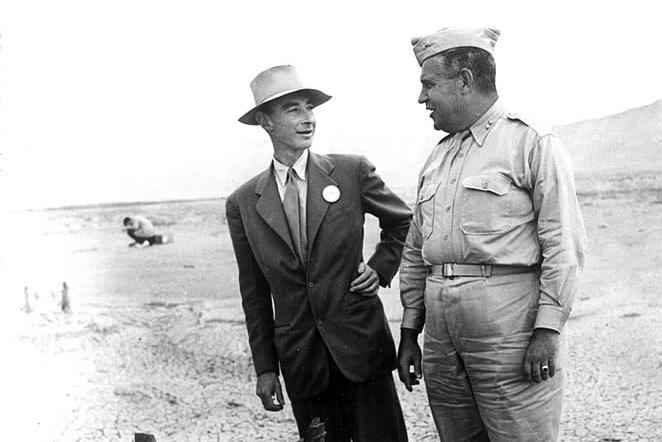
Manhattan Project National Historical Park
The Manhattan Project is one of the most transformative events of the 20th century. It ushered in the nuclear age with the development of the world’s first atomic bombs. Most of this development took place in three secret communities located in Hanford, WA, Los Alamos, NM and Oak Ridge, TN. Today, you can visit these three sites that make up Manhattan Project National Historical Park.
Minidoka National Historic Site
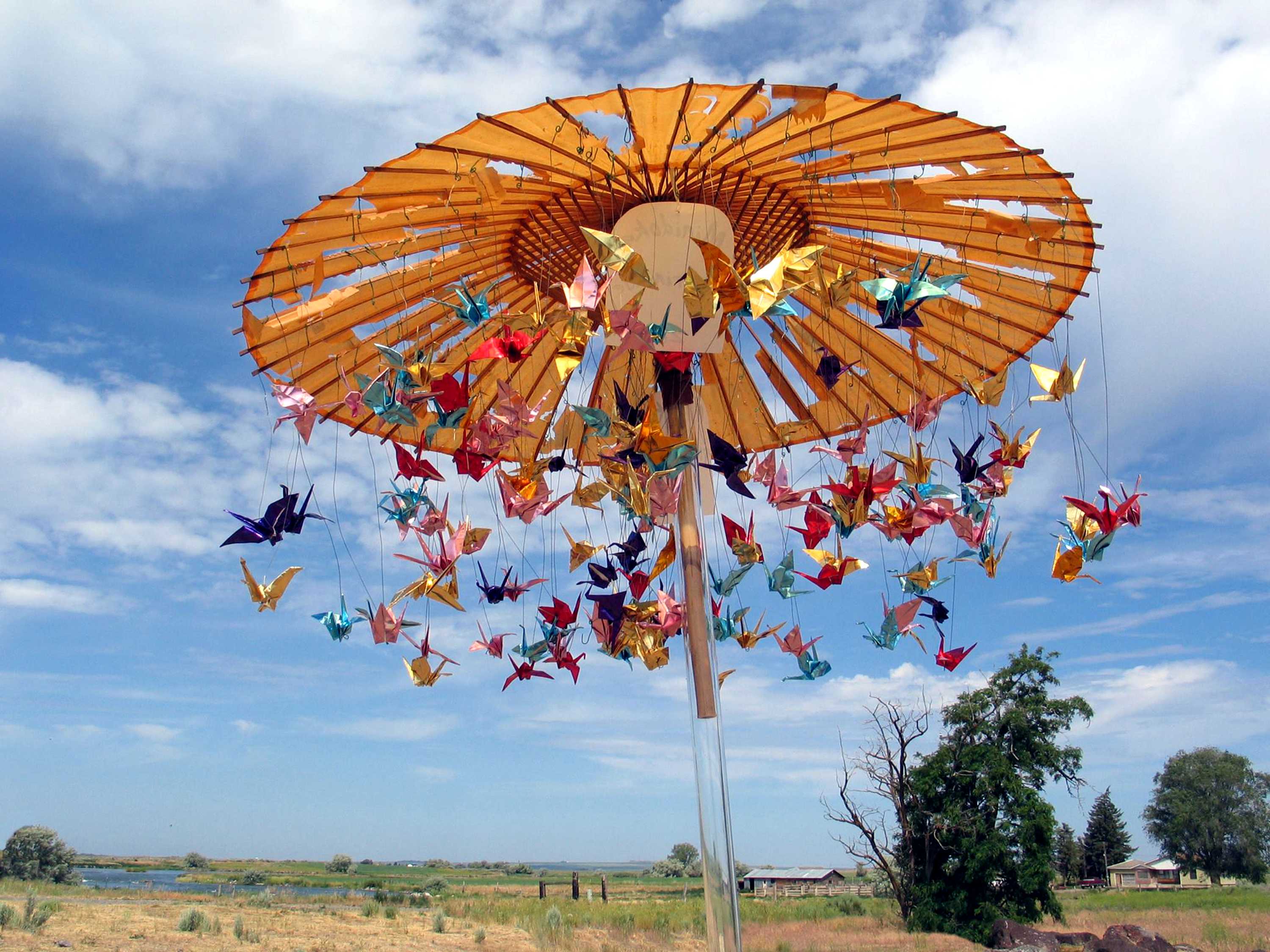
During World War II, over 120,000 people of Japanese ancestry were forcibly removed from their homes and incarcerated without due process of law. Although little remains of the barbed-wire fences and tar-papered barracks, the Minidoka concentration camp once held over 13,000 Japanese Americans in the Idaho desert. Minidoka preserves their legacy and teaches the importance of civil liberties.
Mount Rainier National Park
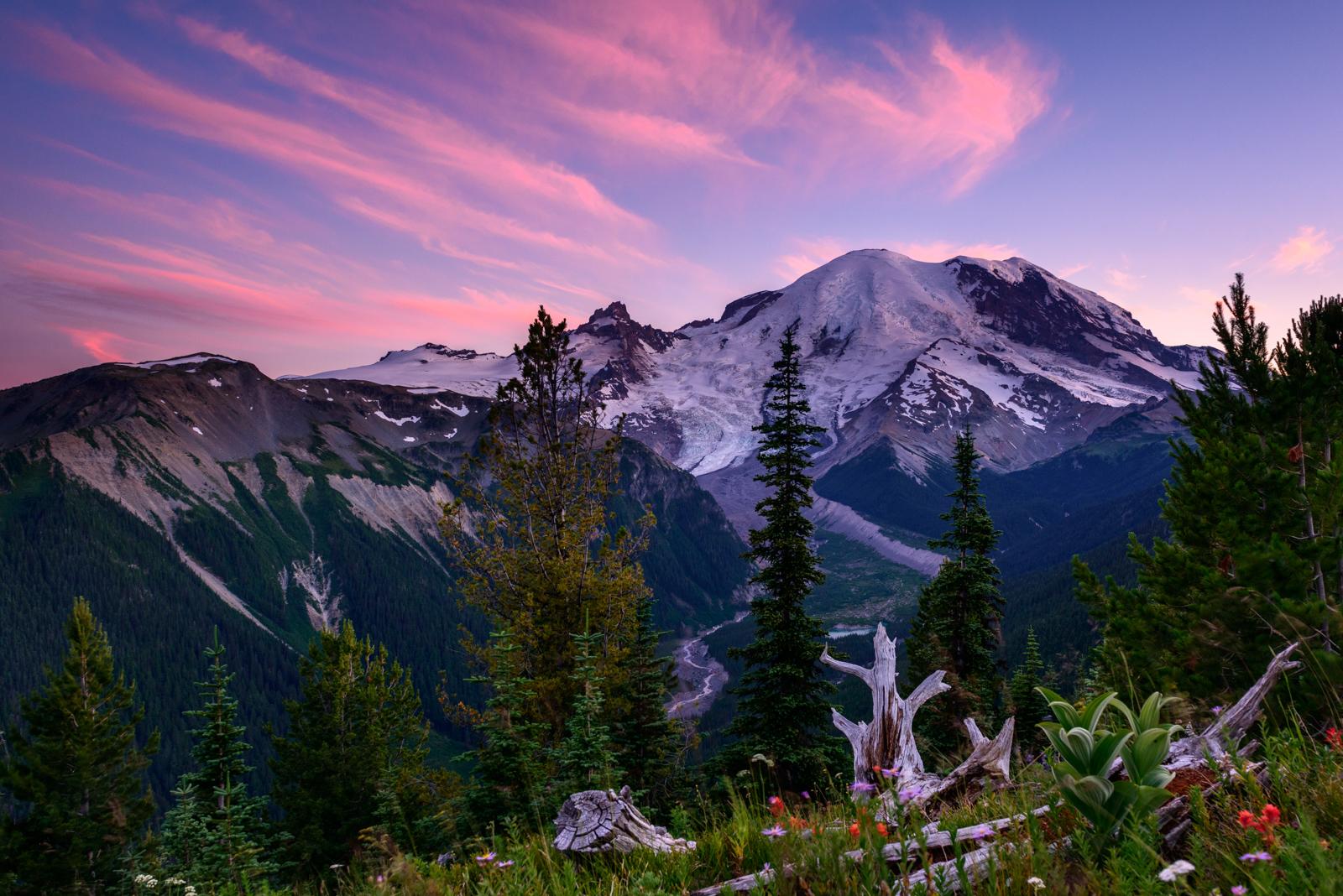
Ascending to 14,410 feet above sea level, Mount Rainier stands as an icon in the Washington landscape. An active volcano, Mount Rainier is the most glaciated peak in the contiguous U.S.A., spawning five major rivers. Subalpine wildflower meadows ring the icy volcano while ancient forest cloaks Mount Rainier’s lower slopes. Wildlife abounds in the park’s ecosystems. A lifetime of discovery awaits.
Nez Perce National Historical Park
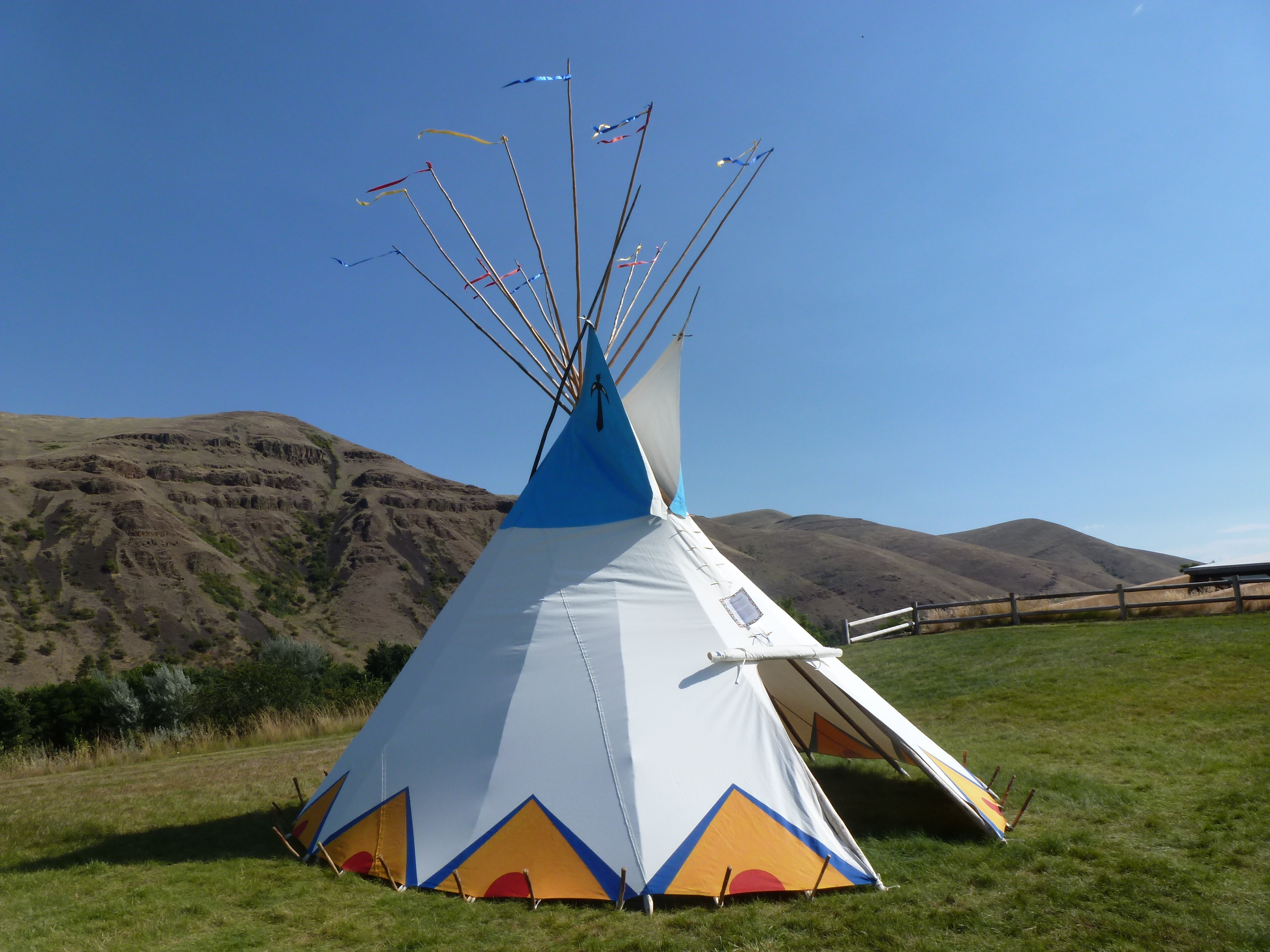
Since time immemorial, the valleys, prairies, mountains, and plateaus of the inland northwest have been home to the nimíipuu (Nez Perce) people. Extremely resilient, they survived the settling of the United States and adapted to a changed world. Nez Perce National Historical Park consists of 38 places important to the history and culture of the nimíipuu. Explore these places. Learn their stories.
North Cascades National Park
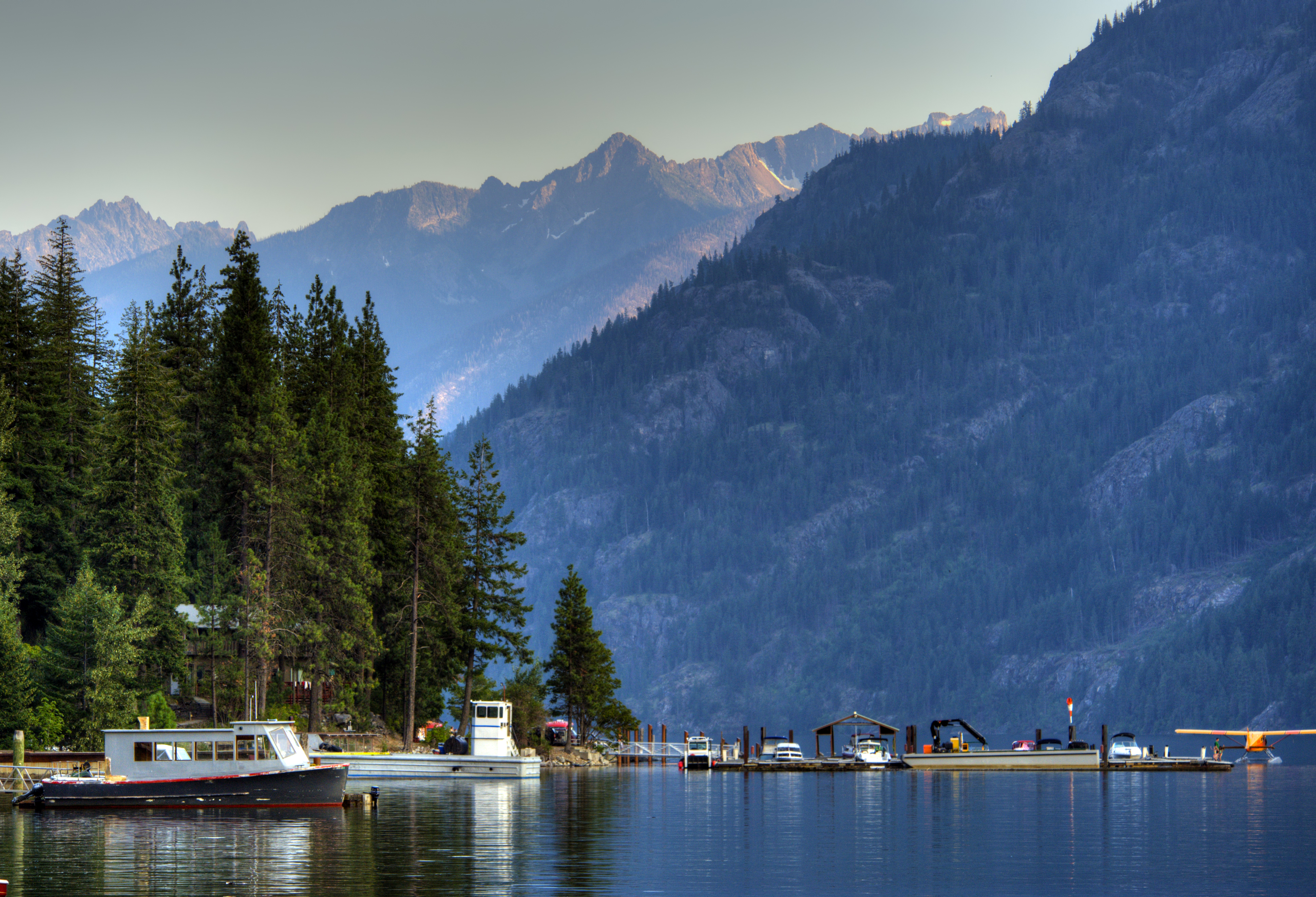
Less than three hours from Seattle, an alpine landscape beckons. Discover communities of life adapted to moisture in the west and recurring fire in the east. Explore jagged peaks crowned by more than 300 glaciers. Listen to cascading waters in forested valleys. Witness a landscape sensitive to the Earth's changing climate. Help steward the ecological heart of the Cascades.
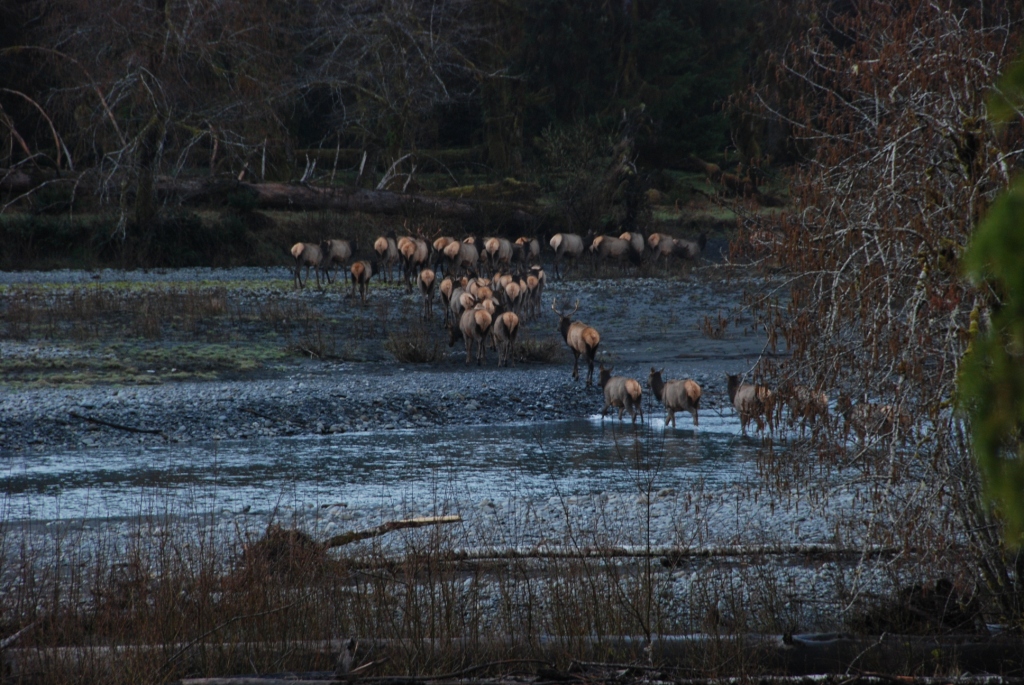
Olympic National Park
With its incredible range of precipitation and elevation, diversity is the hallmark of Olympic National Park. Encompassing nearly a million acres, the park protects a vast wilderness, thousands of years of human history, and several distinctly different ecosystems, including glacier-capped mountains, old-growth temperate rain forests, and over 70 miles of wild coastline. Come explore!
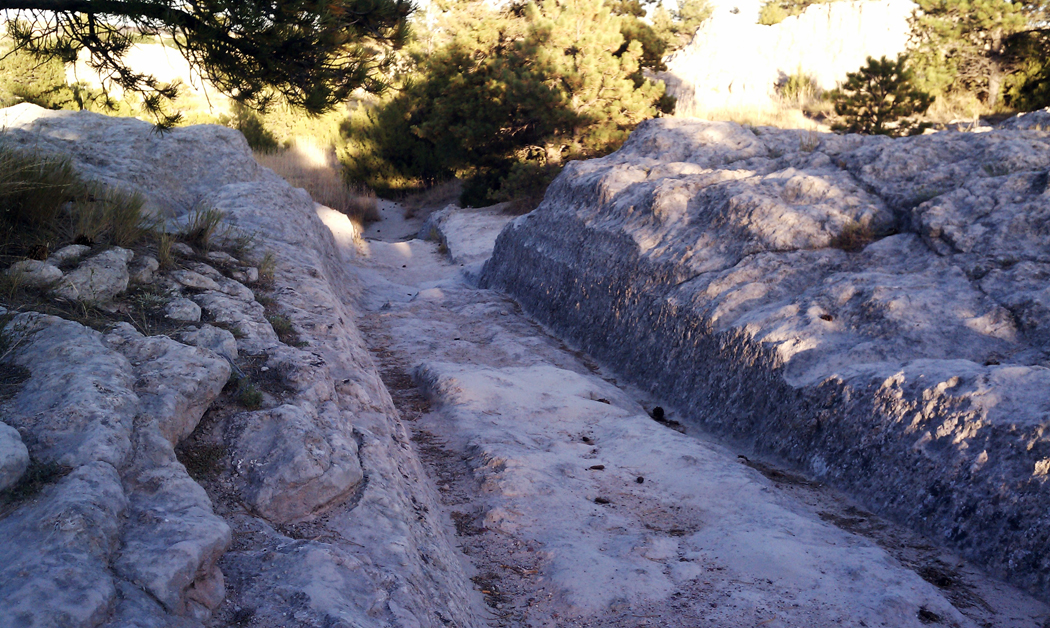
Oregon National Historic Trail
Imagine yourself an emigrant headed for Oregon: would promises of lush farmlands and a new beginning lure you to leave home and walk for weeks? More than 2,000 miles of trail ruts and traces can still be seen along the Oregon National Historic Trail in six states and serve as reminders of the sacrifices, struggles, and triumphs of early American settlers.
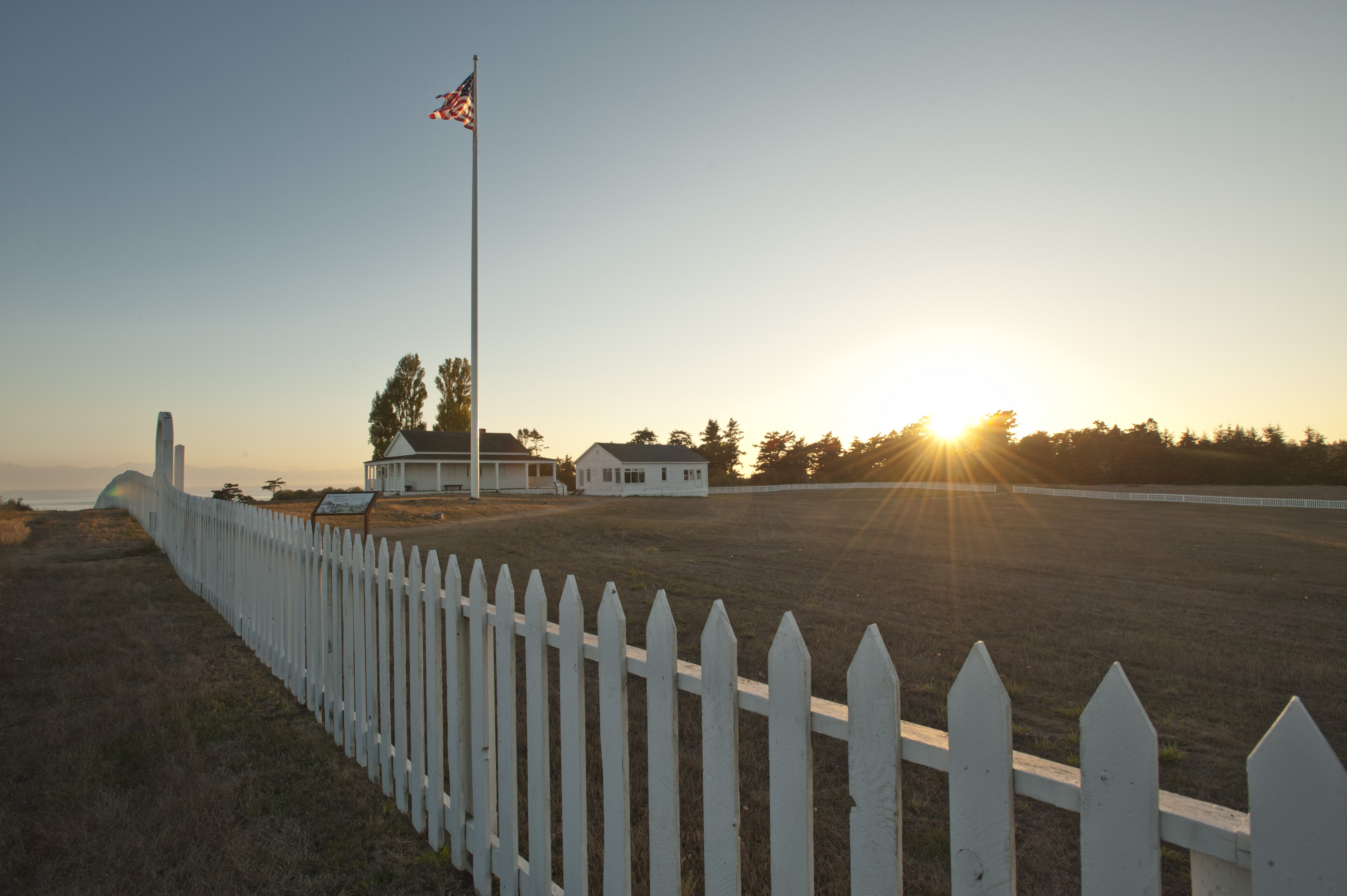
San Juan Island National Historical Park
San Juan Island is well known for its splendid vistas, saltwater shores, quiet woodlands, orca whales and one of the last remaining native prairies in the Puget Sound/Northern Straits region. But it was also here in 1859 that the United States and Great Britain nearly went to war over possession of the island, the crisis ignited by the death of a pig.
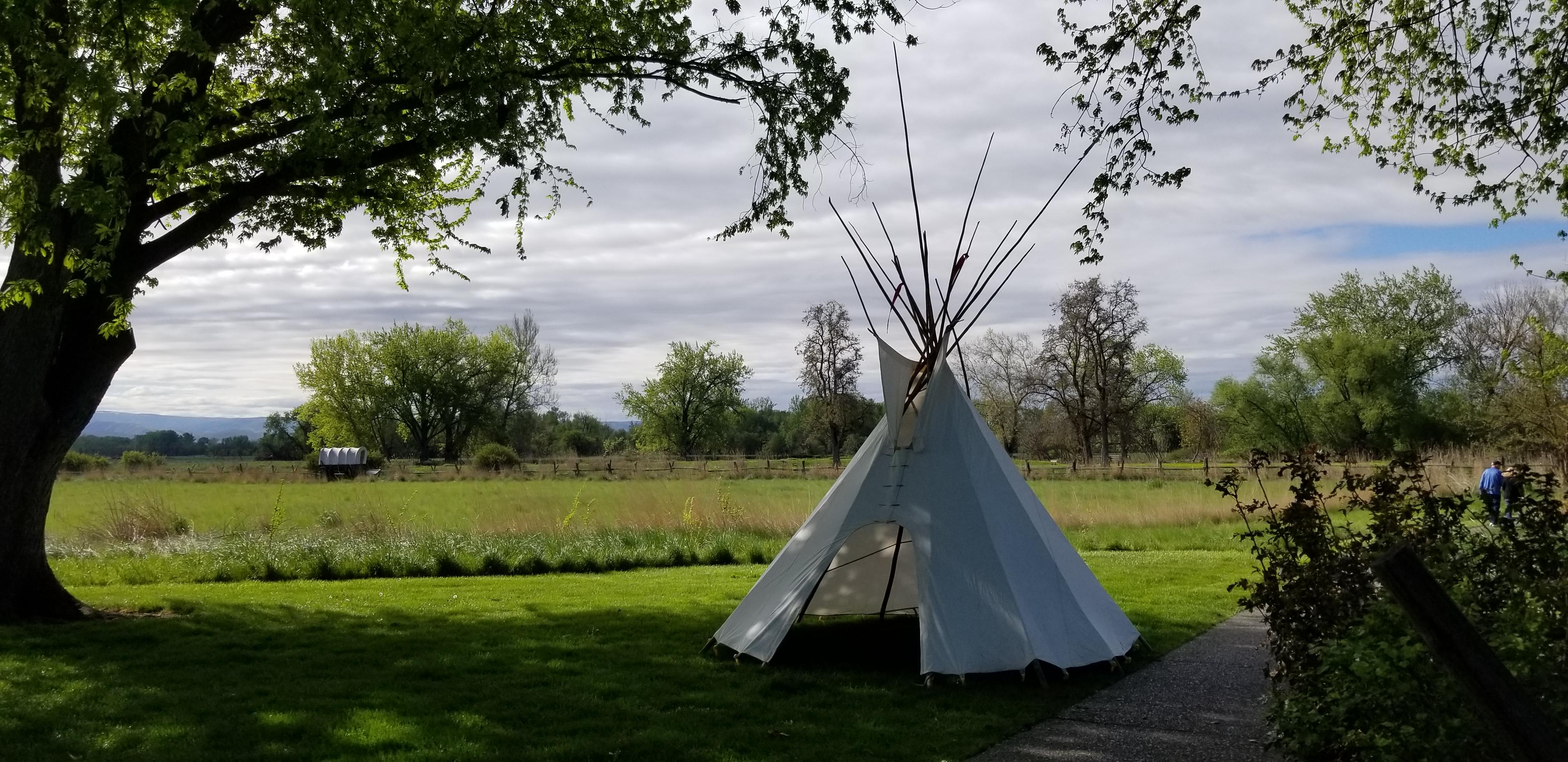
Whitman Mission National Historic Site
One moment can change the fate of many nations. After thousands of years of habitation by the Cayuse Nation, life in the Columbia River Plateau begins to change rapidly with the influx of missionaries, newcomers from the Oregon Trail, and diseases. A single violent act of desperation to protect a community ignites a series of events that will reshape the United States forever.
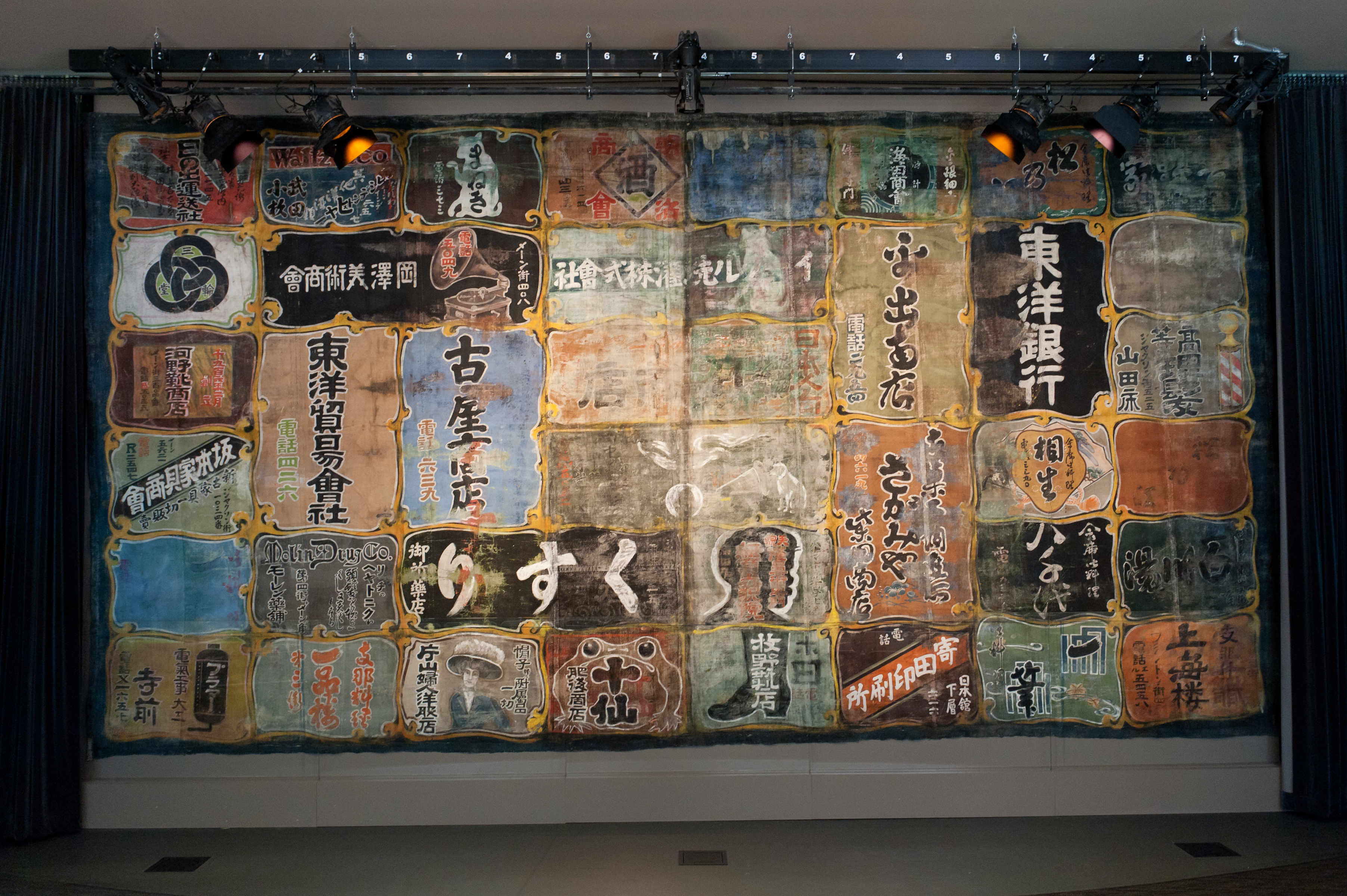
Wing Luke Museum Affiliated Area
More than a museum, the Wing is an experience. A chance to truly understand what it was - and is - to be Asian American in the Pacific Northwest. Take a guided tour of a historic hotel and learn the inside story about what makes the local Chinatown-International District unique. Visitors explore thought-provoking exhibitions of real stories, including actor and martial arts master Bruce Lee.